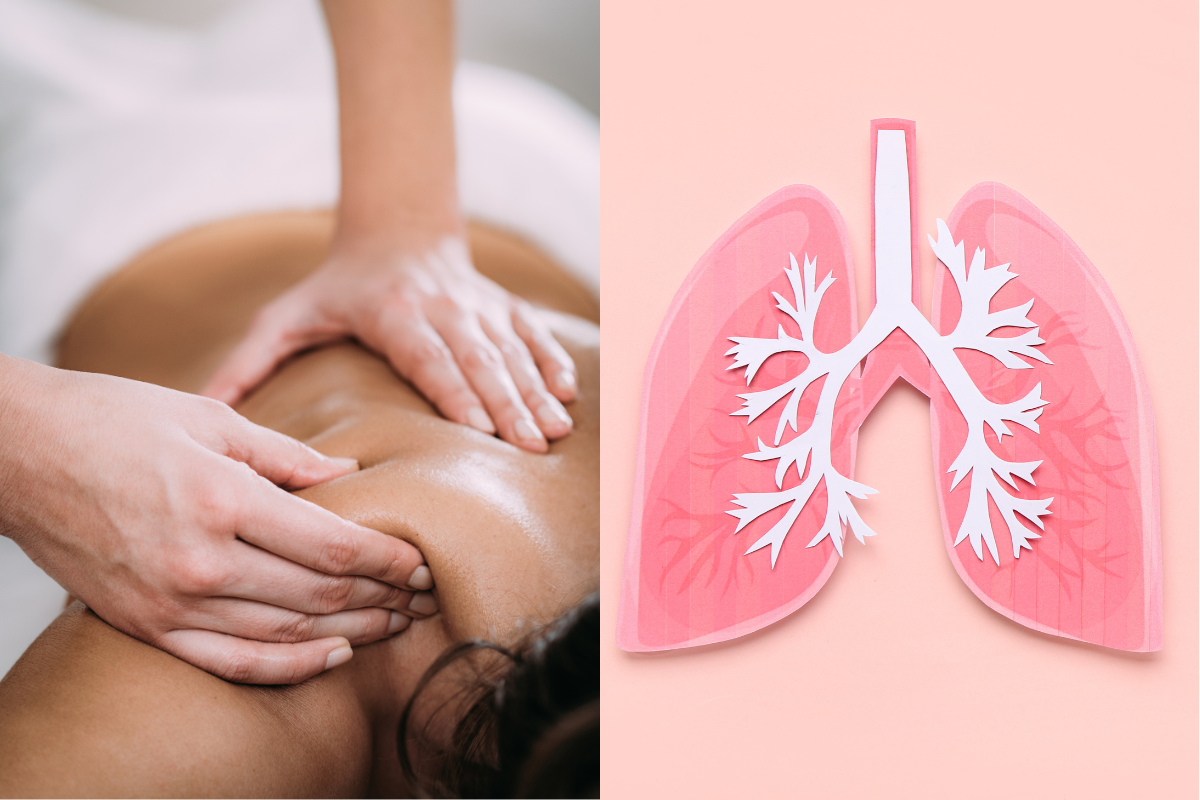
You expected your breathing to feel easier by now—after a lung infection, asthma, long COVID, or allergies. Your tests look “stable,” yet your chest stays tight, full breaths feel limited, and even simple activity feels heavier. Breathing isn’t just lungs—it’s your diaphragm, ribs, posture, and stress. Shallow breathing, coughing, and tension overwork these areas.
Massage therapy can’t replace medical care, but it can ease tight muscles, improve chest mobility, and calm your nervous system. So what does this type of massage actually involve? Let’s look at What Is Massage Therapy for Respiratory Issues?
What Is Massage Therapy for Respiratory Issues?
- Decrease muscle tightness around the chest and ribs
- Improve the mobility of tissues that help the lungs expand
- Support relaxation and nervous-system regulation
- Complement medical treatments like inhalers, medication, and breathing exercises
What Happens to Your Body With Ongoing Breathing Problems
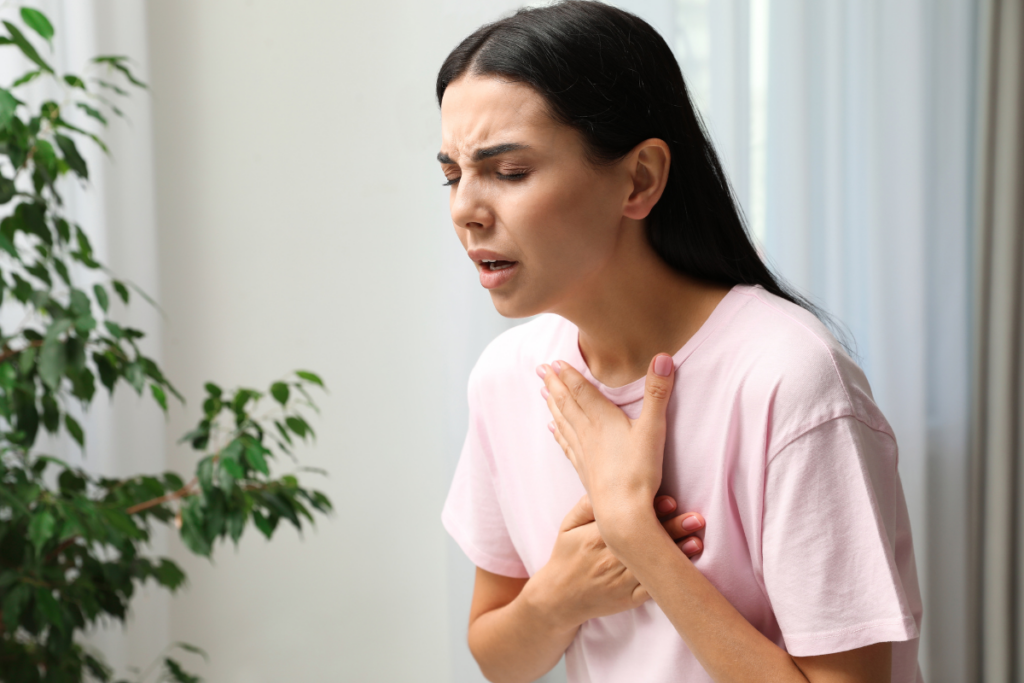
When breathing is hard for a long time—because of asthma, COPD, chronic bronchitis, post-viral symptoms, or even chronic stress—your body adapts. Not always in helpful ways.
Here’s what often happens:
- Neck and shoulder muscles overwork
Muscles like the scalenes, sternocleidomastoids, and upper traps start helping you breathe, lifting the rib cage with every breath. They get tight, sore, and fatigued. - The diaphragm can become restricted
This main breathing muscle may not move through its full range if you breathe shallowly, slouch, or guard because of pain. - The rib cage gets stiff
The joints and fascia between ribs can lose mobility, making every deep breath feel like you’re pushing against a tight band. (MDPI) - Posture shifts forward
Rounding your shoulders or collapsing your chest reduces space for lung expansion and reinforces shallow breathing. - Stress and anxiety loop into breathing
Feeling short of breath naturally makes you anxious. Anxiety then speeds your breathing, which can make you feel even more breathless.
Even if your lungs are medically “managed,” these muscular and postural changes can keep your breathing feeling restricted and tiring.
How Massage Therapy May Help
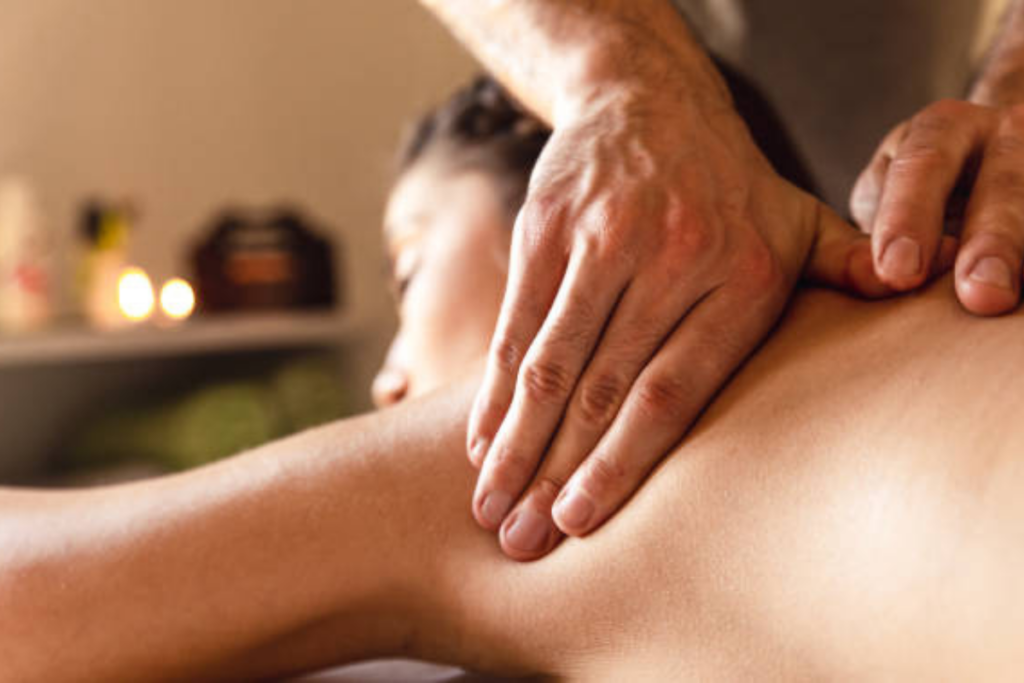
Massage therapy works on the muscles, fascia, and nervous system that influence how you breathe and how your chest moves. It essentially gives your breathing muscles a chance to reset so they can work with less strain.
It can help in several ways:
Improves chest wall mobility : Gentle techniques around the ribs, spine, and diaphragm may help your chest expand more comfortably and evenly.
Supports better posture : By easing chronic tension that pulls you into a collapsed position, massage helps create more space for the lungs.
May ease the perception of breathlessness : As tight tissues loosen, many people report breathing feels less restricted, even without major changes in lung function.
Supports other therapies : Massage works best alongside pulmonary rehab, breathing exercises, and medical treatment, adding comfort and mobility rather than replacing medical care.
Current evidence suggests diaphragm- and chest-focused techniques are most effective when paired with exercise and doctor-guided respiratory care.
When Should You Consider Massage?
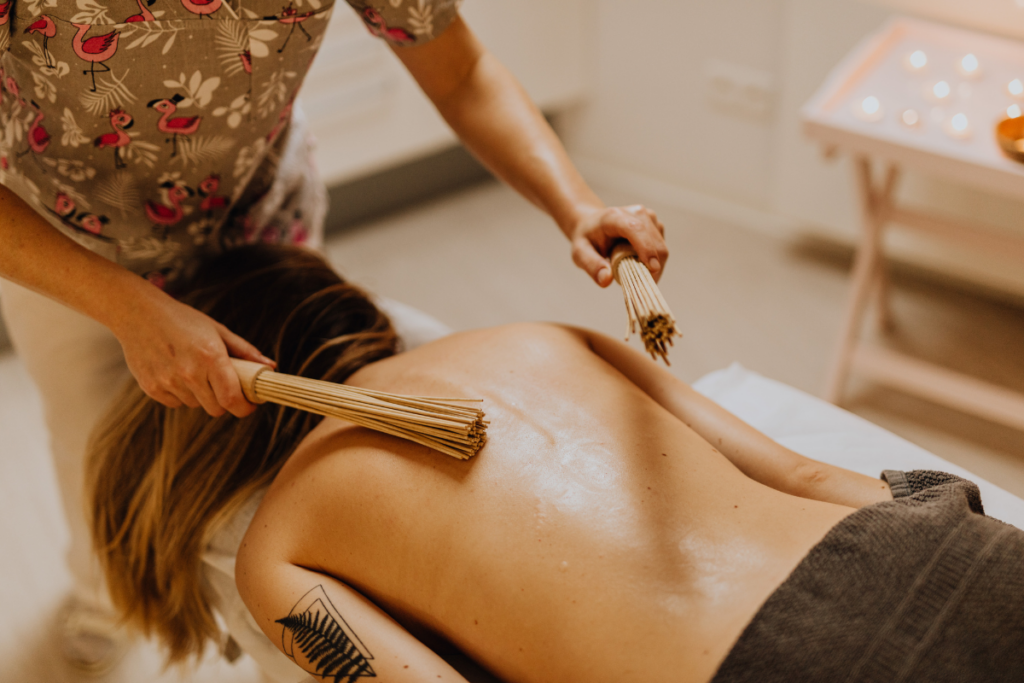
Massage therapy may be worth considering if:
- Your breathing is medically stable, but you still feel tight, restricted, or sore.
- You notice chronic tension in your neck, shoulders, or upper back when you’re short of breath.
- You’re already doing medical treatment (inhalers, medications, rehab) but still feel physically guarded or anxious about breathing.
- Your doctor or respiratory therapist thinks manual work on muscles and posture could help your comfort.
Always check with your doctor or respiratory specialist before adding massage therapy, especially if you have COPD, heart conditions, blood-clot risk, or are on oxygen.
Types of Massage That Help Most With Respiratory Issues
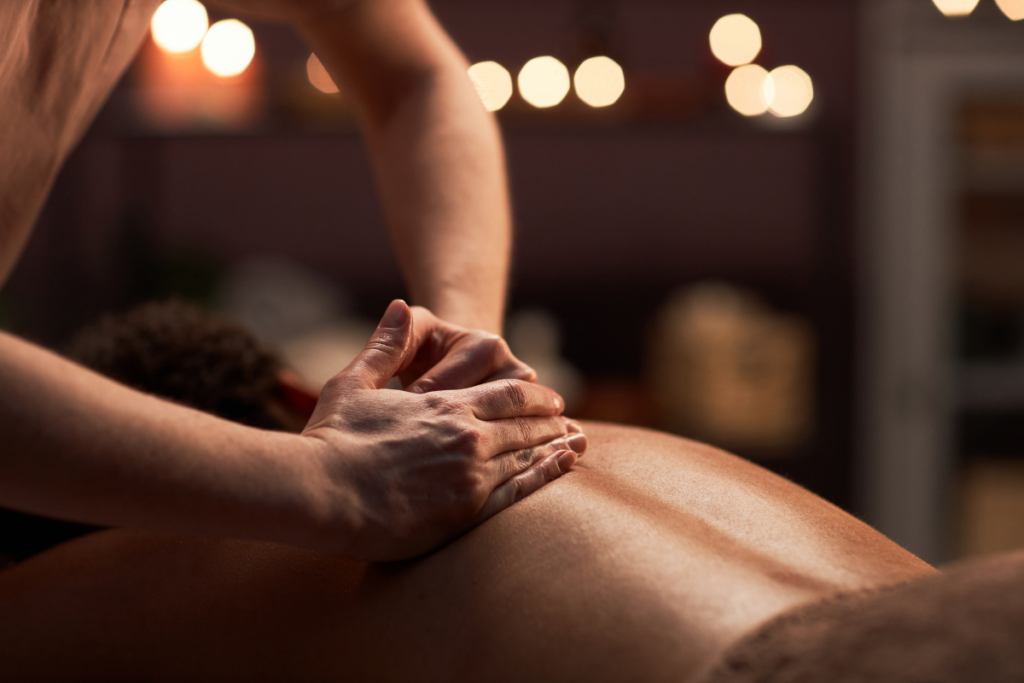
| Massage Type | Best For | When It’s Usually Used | How It Helps |
|---|---|---|---|
| Myofascial Release for Chest & Diaphragm | Chest tightness, restricted rib movement, shallow breathing | When breathing is stable but feels “stuck” or limited | Uses slow, sustained pressure on the diaphragm, rib cage, and upper back to improve tissue glide and chest expansion. |
| Manual Diaphragm & Costal Release | COPD, chronic bronchitis, long-standing shortness of breath (medically managed) | As part of a broader rehab program or maintenance care | Targets the main breathing muscle and rib attachments to support better mechanics and more efficient breathing. |
| Deep Tissue or Trigger Point Work (Upper Back & Neck) | Muscle knots, headaches from over-breathing with the neck, posture-related discomfort | Later in care, once any acute illness has settled | Addresses stubborn tension in the neck, shoulders, and upper back that can limit posture and make breathing feel more effortful. |
| Gentle Swedish or Relaxation Massage | Stress, anxiety, feeling “on edge” about breathing | Any time breathing is stable and doctor-approved | Uses flowing, soothing strokes to calm the nervous system, reduce overall tension, and help the body shift out of constant fight-or-flight. |
| Lymphatic-Focused Techniques | Mild swelling in the chest, upper body, or face (when medically cleared) | Alongside medical care and with guidance from your provider | Uses light, rhythmic touch to support fluid movement and may help ease heaviness or congestion around the chest. |
When to Avoid Massage
It’s better to wait or talk to your healthcare provider before receiving massage if:
- You’re experiencing acute shortness of breath, chest tightness, or wheezing that is worse than usual.
- You have fever, chills, or active infection (like pneumonia or flu).
- You have uncontrolled high blood pressure, unstable heart disease, or unexplained chest pain.
- You’ve been recently hospitalized for a respiratory flare and haven’t yet been cleared for gentle exercise or bodywork.
- Your doctor has specifically advised against massage at this time.
A safe therapist will always respect your medical red flags and may ask for a note or guidance from your doctor before proceeding with treatment.
When to Expect Results
- After 1–2 sessions You may feel looser through your chest, neck, and shoulders. Some people notice breathing feels less “effortful,” and sleep may improve.
- After 3–5 sessions Posture often feels easier to maintain, chest expansion may feel more even, and your body might stay relaxed for longer stretches between sessions.
- After 6+ sessions You may notice more lasting improvements in comfort during daily activities—like walking, climbing stairs, or talking—especially when massage is combined with breathing exercises and medical care.
Signs Massage Therapy Is Supporting Your Breathing
- Less tightness across your chest, neck, and upper back
- Fewer “tension headaches” or shoulder aches after a day of breathing harder
- Breathing that feels smoother or more complete when you take a deep breath
- Less anxiety or panic around your breathing sensations
- Daily tasks—like walking, carrying groceries, or talking on the phone—feeling a bit easier or less draining
What to Do During your First Session
- Hydrate before and after your session. Fluids support circulation and can help your body process any metabolic waste released during massage.
- Practice your prescribed breathing exercises. Combine massage with diaphragmatic breathing or pulmonary rehab exercises recommended by your provider for a stronger effect. (J Neonatal Surg)
- Pay attention to posture. Use pillows, lumbar supports, or simple reminders to avoid long hours in a slumped position that restricts your chest.
- Communicate clearly during sessions. Tell your therapist if you feel dizzy, overly breathless, or uncomfortable lying flat so they can adjust positions and pressure.
- Stick with your medical treatment plan. Keep taking medications, using inhalers, and attending medical appointments as prescribed—massage is an add‑on, not a replacement. (MDPI)
- Be consistent. Regular sessions usually create more meaningful change than one intense visit.
FAQs

Can massage improve my breathing?
Yes—by relaxing tight muscles, improving posture, and calming the nervous system, massage can make breathing feel easier, though it doesn’t change lung structure.
Is massage safe with asthma or COPD?
Usually yes, if your condition is stable and your doctor approves. Avoid massage during flare-ups.
Can massage clear mucus?
Massage may relax your chest, but true mucus-clearing techniques are done by respiratory or physical therapists.
Is massage okay with a cold or chest infection?
Best to wait. Fever, congestion, or worsening cough are reasons to rest, not get a massage.
Can massage replace inhalers or respiratory therapy?
No. It’s supportive only and works best alongside your prescribed treatments.
How many sessions to notice results?
Relaxation is often felt in 2–3 sessions; posture and mobility improvements may take 4–6.
Can I do this myself at home?
Light self-massage and breathing exercises may help, but deeper chest work should be guided by a professional.
Start Your Path to Easier Days
Don’t let breathing stay harder than it has to be. Many people feel real relief once they add therapeutic massage—without it, you may be missing a key piece of your healing. Take the step that makes everything feel lighter.