What Is a Massage Therapist’s Role in Wellness and Healthcare?
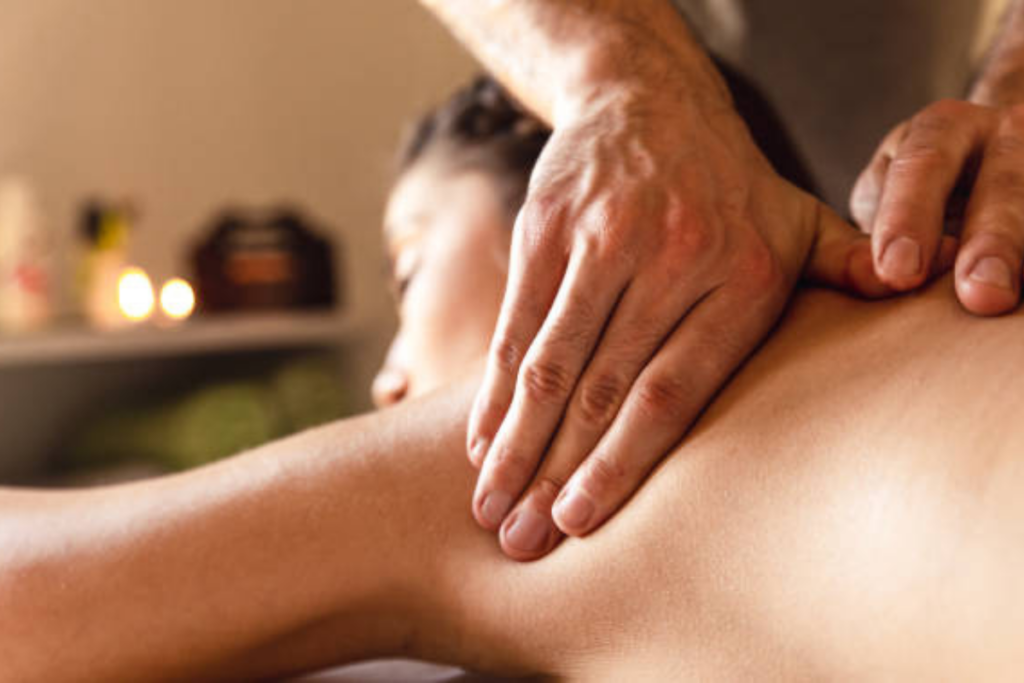
Massage therapists play a vital role in helping people relieve pain, reduce stress, and improve physical function. Their work goes far beyond relaxation—it often supports recovery from injury, enhances mobility, and helps manage chronic conditions like back pain or anxiety.
By applying techniques that manipulate the body’s soft tissues, massage therapists promote healing, boost circulation, and reduce muscle tension. Many clients view their sessions as an integral part of their long-term wellness—not just a luxury service.
In both spa and medical settings, massage therapists help restore comfort and calm to people’s lives—one session at a time.
Massage Therapist vs. Medical Massage Therapist: What’s the Difference?

While all massage therapists use hands-on techniques to help clients, medical massage therapists focus specifically on treating health conditions diagnosed by a physician. These professionals often collaborate with doctors and physical therapists in clinical settings like hospitals, rehabilitation centers, or oncology clinics.
Here’s how they differ:
Understanding this distinction helps clients choose the right practitioner—and allows professionals to tailor their career paths accordingly.
General Massage Therapist
Medical Massage Therapist
Focuses on relaxation and general wellness
Focuses on treating diagnosed conditions (e.g., sciatica, post-surgical pain)
Works in spas, wellness clinics, private practices
Often treatment is prescribed by a doctor
Requires licensure
Requires licensure + additional medical training/certification
General Massage Therapist
- Focuses on relaxation and general wellness
- Works in spas, wellness clinics, private practices
- Requires licensure
Medical Massage Therapist
- Focuses on treating diagnosed conditions (e.g., sciatica, post-surgical pain)
- Often treatment is prescribed by a doctor
- Requires licensure + additional medical training/certification
Understanding this distinction helps clients choose the right practitioner—and allows professionals to tailor their career paths accordingly.
Key Skills Every Great Massage Therapist Needs

Massage therapy is both an art and a science. A great massage therapist combines technical know-how with interpersonal strengths. Essential skills include:
- Communication – Listening to clients and explaining techniques clearly
- Empathy – Understanding pain points and creating a safe space for healing
- Stamina – Physical endurance is essential, especially with back-to-back sessions
- Knowledge of anatomy – Knowing muscles, joints, and pressure points is foundational
- Precision and adaptability – Adjusting technique based on each client’s needs
Many states require continued education to keep these skills sharp and learn new techniques throughout a therapist’s career.
Most Common Types of Massage Therapy & Specializations

Massage therapists can specialize in many modalities. Some of the most popular and in-demand include:
- Swedish Massage – Gentle, full-body massage focused on relaxation
- Deep Tissue Massage – Targets deeper muscle layers to release chronic tension
- Sports Massage – Aids recovery and flexibility for athletes and active individuals
- Medical Massage – Treats specific conditions with doctor’s guidance
- Prenatal Massage – Tailored care for pregnant clients
- Shiatsu & Thai Massage – Eastern techniques combining movement and pressure
- Hot Stone Massage – Uses warmed stones to relax tight muscles
- Chair Massage – Short, seated treatments often used in corporate settings
Therapists often combine techniques depending on the client’s condition or goals.
Where Do Massage Therapists Work? Settings from Spas to Hospitals
Massage therapy careers offer flexibility in location and scheduling. Common work environments include:
- Day spas and wellness centers
- Hospitals and integrative clinics
- Physical therapy and chiropractic offices
- Fitness centers and athletic training facilities
- Resorts, cruise ships, and destination spas
- Corporate offices (on-site massage programs)
- Private practices
The rise in integrative healthcare has opened more doors for massage therapists in clinical settings, expanding the traditional definition of where and how they work.
How to Become a Licensed Massage Therapist

To practice legally, massage therapists must complete a licensed training program and meet state-specific licensure requirements. In most U.S. states, this includes:
- Completion of a Massage Therapy Program
Typically 500–1,000 hours of coursework in anatomy, ethics, physiology, and hands-on technique. - Passing the MBLEx (Massage and Bodywork Licensing Exam)
A national exam required by many licensing boards. - State Licensure Application
Requirements vary by location—some also require background checks or continuing education. - Optional Certifications
Specialized programs in prenatal, medical, or sports massage can expand your opportunities and income.
What Is the Job Outlook for Massage Therapists in the U.S.?
Massage therapy is one of the fastest-growing healthcare careers. According to the BLS Occupational Outlook Handbook, employment of massage therapists is projected to grow 18% from 2023 to 2033—much faster than the average for all occupations
Why the surge?
- Growing interest in non-invasive, drug-free healing methods
- Expanding use of massage therapy in hospitals and clinics
- Increased awareness of massage’s benefits for stress, anxiety, and chronic pain
- Rising wellness spending across the U.S.
The industry’s future looks bright—especially for those willing to specialize or run their own business.
Top-Paying Massage Specialties and Their Requirements
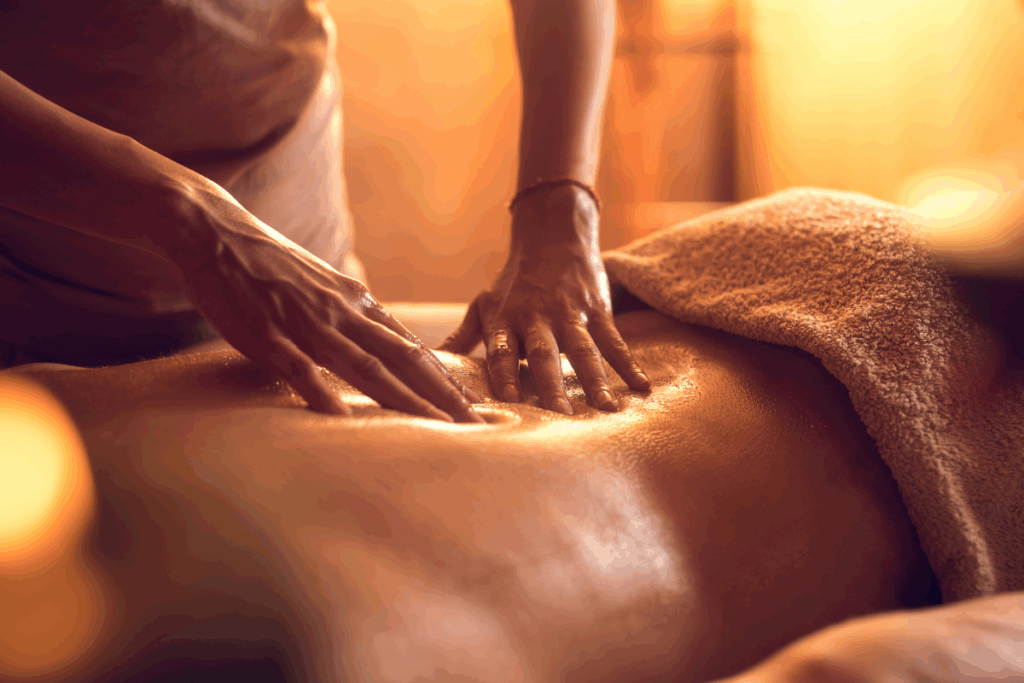
Not all massage therapists earn the same. Some specialties pay more due to demand, complexity, or setting:
- Medical Massage Therapists – Often billable through insurance and work in clinical settings
- Sports Massage Therapists – Work with professional athletes and teams
- Deep Tissue Specialists – Handle complex muscular issues that require strength and skill
- Mobile Therapists or Private Practice Owners – Set their own rates and can scale with client demand
- Spa Directors or Educators – Advance into training or managerial roles
Pursuing certifications in these areas can lead to significantly higher earning potential.
Is Massage Therapy a Fulfilling Career? Pros & Challenges
The Rewards:
Flexible scheduling and varied work environments
Opportunities for self-employment and specialization
The Challenges:
Managing client expectations and emotional needs
Navigating inconsistent scheduling (especially early in your career)
Still, many massage therapists say the personal satisfaction they feel from helping others is worth the effort.
FAQs: Starting a Career or Working With a Massage Therapist
Is massage therapy a good long-term career?
Yes—especially with rising demand and diverse career paths in healthcare and wellness.
How long does it take to become a licensed massage therapist?
Most programs take 6 months to 1 year, depending on state requirements.
Clients often notice:
- Easier neck or shoulder movement
- Deeper breathing
- More comfort while walking or exercising
Can I specialize right after graduating?
Yes, but many advanced modalities require additional certifications.
The result?
Deeper, more restorative sleep. Fewer nighttime wakeups. And a body that actually feels rested in the morning.
What should I look for in a massage therapist as a client?
Valid licensure, training in your needed modality, and professional communication.
Do massage therapists need continuing education?
In many states, yes. It’s also recommended to stay up to date with best practices.
How much do massage therapists make?
The national median salary is around $55,000/year, but it varies widely.
Do massage therapists work nights or weekends?
Often yes—especially in spas or private practices, where clients prefer after-hours appointments.
What’s the difference between a massage therapist and a physical therapist?
Massage therapists focus on soft tissue relief. Physical therapists treat broader physical rehabilitation issues and require a doctoral degree.
Is self-employment common in massage therapy?
Very. Many therapists open their own studios or work as independent contractors.
Final Thought: Is Massage Therapy Right for You?
Massage therapy isn’t just a job—it’s a calling. Whether you’re drawn to the healing arts, enjoy hands-on work, or want to support others on their wellness journey, this career offers a deeply rewarding path.
From spa clients to surgical recovery patients, massage therapists improve lives every day. And with a growing job market, flexible work options, and opportunities to specialize, now might be the perfect time to explore this meaningful profession.