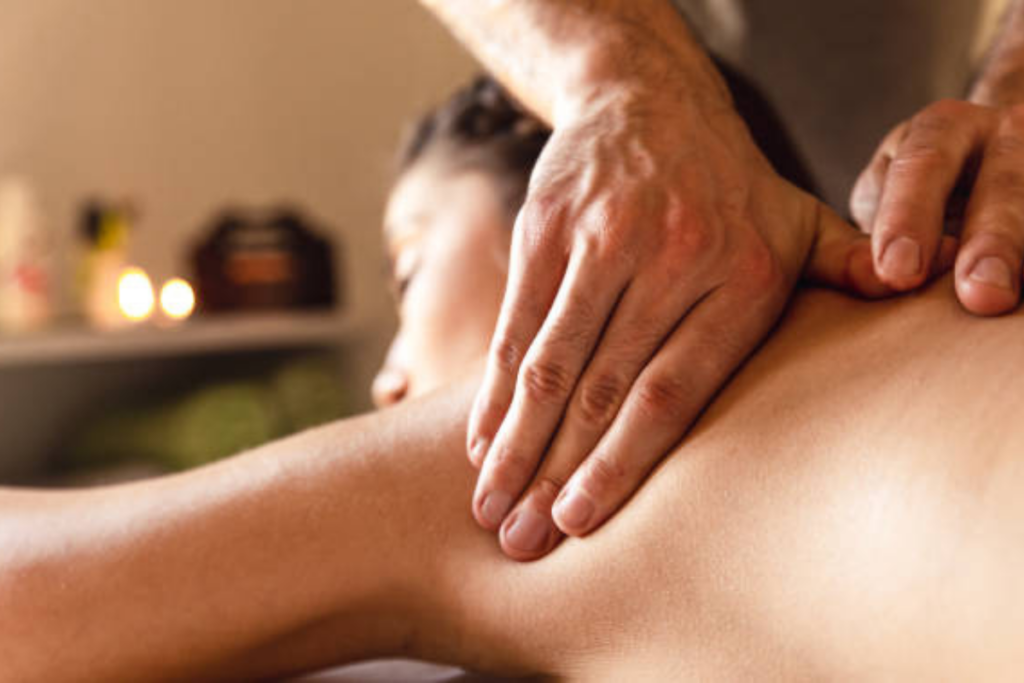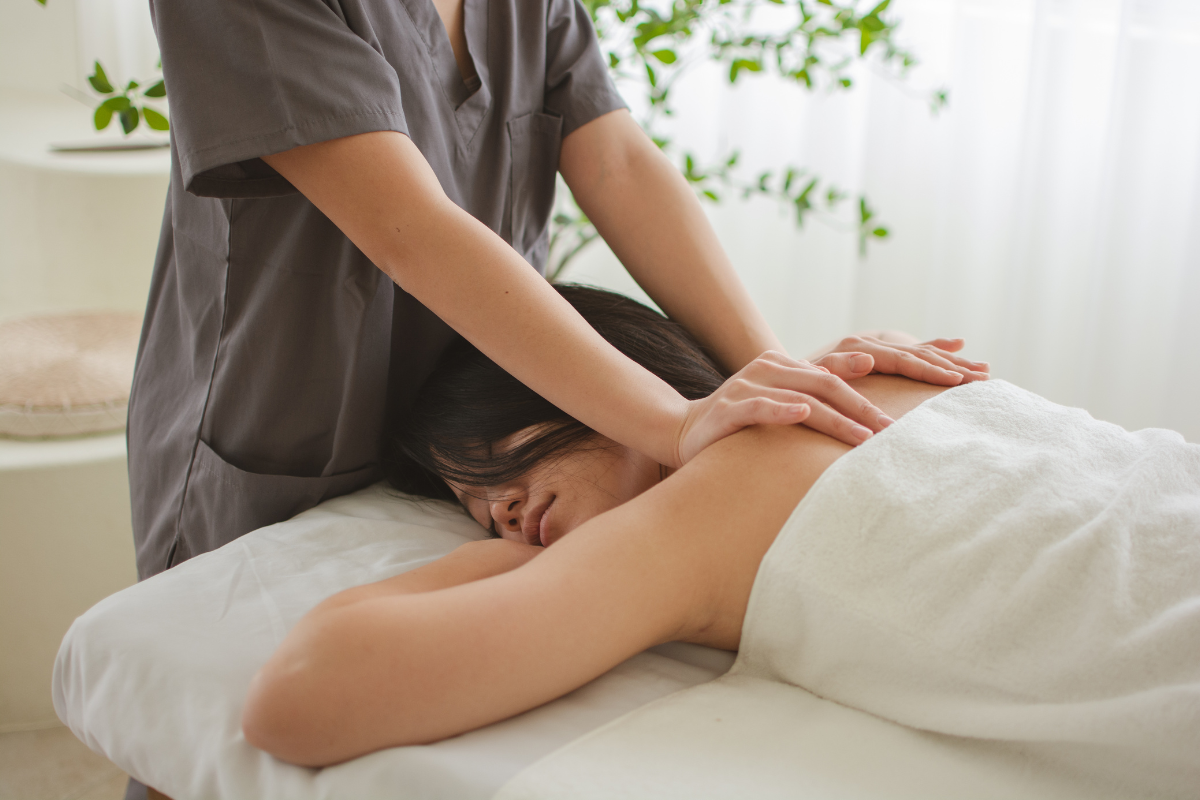
Does your body feel like it’s carrying too much? Tight shoulders, aching hips, tension that won’t let go?
You’re not alone.
Stress builds over time—through long hours, old injuries, or simply getting through the week. Eventually, it shows up as pain, stiffness, and fatigue that won’t shake off.
Therapeutic massage helps your body reset. It’s not fluff or pampering—it’s focused, hands-on care for the areas that need it most.
No pressure to push through. Just real relief that helps you move, rest, and feel like yourself again.
What Is Therapeutic Massage?

Therapeutic massage—also known as medical or clinical massage—is a hands-on treatment focused on real health goals, not just relaxation. It’s performed by licensed massage therapists trained to assess your symptoms and address underlying issues in your muscles, fascia, and connective tissue.
Rather than a full-body routine with soft pressure and scented oils, therapeutic massage targets specific areas of pain, tension, or dysfunction. It may feel deeper and more focused, with techniques that range from gentle release to direct, precise pressure.
You might receive therapeutic massage for injury recovery, post-surgical care, chronic muscle tightness, headaches, or even stress-related pain. The goal isn’t just to help you feel good during the session—it’s to help you function better after it.
How It Works and When It Helps
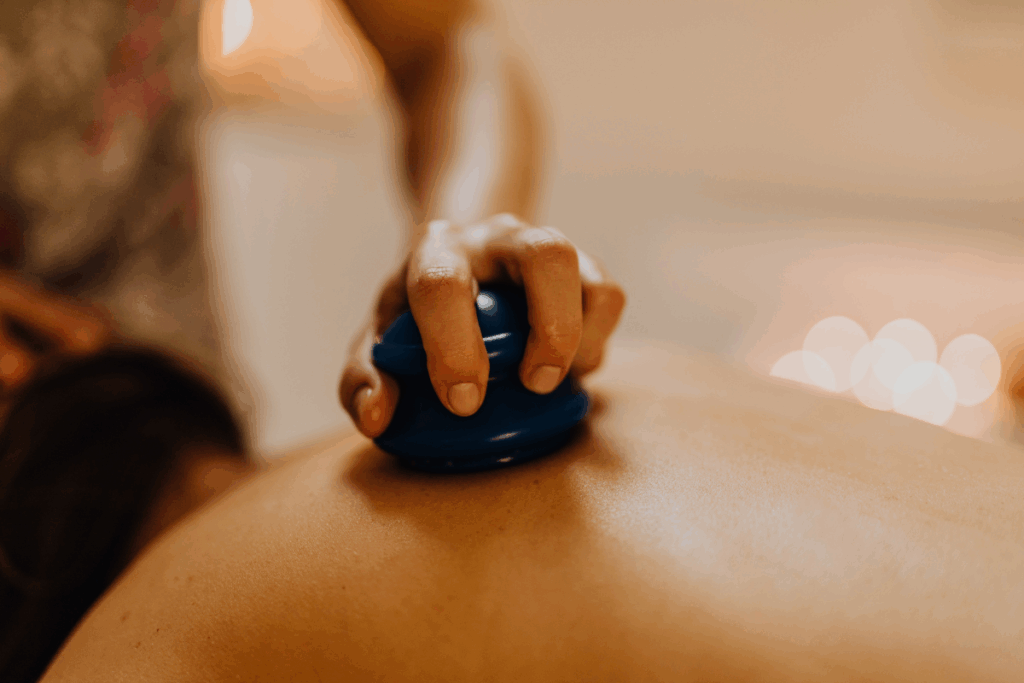
Therapeutic massage focuses on your body’s soft tissues—muscles, fascia, tendons, and ligaments—to reduce tension, improve circulation, and ease pain. It’s not a routine full-body massage. It’s a treatment designed to address specific issues, often in collaboration with your medical provider or care team.
Using a mix of techniques, your therapist works directly on areas that are tight, inflamed, or recovering from injury. Sessions are adapted to your pain level, mobility, and overall health.
Common issues treated with Therapeutic Massage

- Chronic back or neck pain
- Shoulder and joint stiffness
- Headaches and TMJ
- Sciatica or nerve-related pain
- Post-surgical scar tissue or tightness
- Sports or repetitive strain injuries
- Stress-related muscle tension
- Limited range of motion
Whether you’re healing from something recent or managing long-term discomfort, this approach meets your body where it is—and helps move it forward.
How It Differs from a Spa Massage

At first glance, therapeutic and spa massages may seem similar. Both use hands-on techniques, quiet environments, and a focus on relaxation. But the goals, pressure, and approach behind each are very different.
Spa massages are designed to help you unwind. They’re typically light to medium in pressure, full-body, and focused on stress relief. The setting is soothing, and the experience is about comfort and calm.
Therapeutic massage, on the other hand, is goal-oriented. It targets specific areas of pain, injury, or dysfunction using clinical techniques. Pressure may be deeper. Sessions are often shorter and more focused—zeroing in on what your body actually needs to heal.
Here’s a quick breakdown:
- Spa Massage: Gentle, general relaxation
- Therapeutic Massage: Specific, problem-focused relief
You may still walk out feeling relaxed—but therapeutic massage aims for more than that. It’s part of a treatment plan, not just a pampering session.
Common Techniques Used in Therapeutic Massage
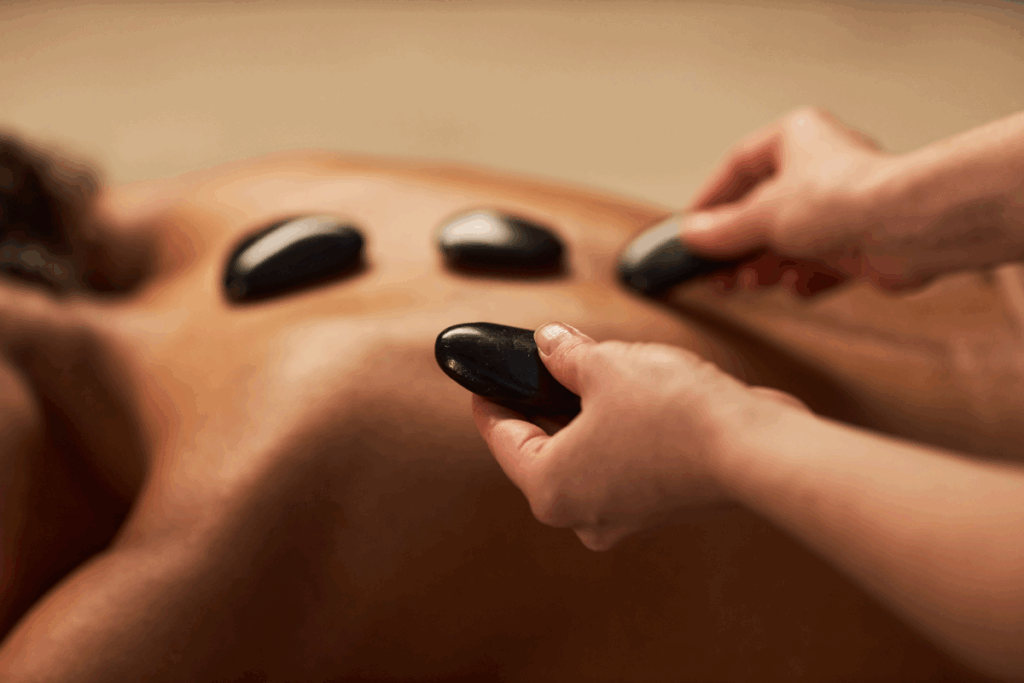
Different tools for different needs—tailored to your body.
Therapeutic massage isn’t one-size-fits-all. Depending on your symptoms and goals, your therapist may use a combination of techniques to release tension, improve function, and support healing.
Here are some of the most common approaches:
- Deep Tissue Massage
Uses firm pressure to reach deeper layers of muscle and fascia. Ideal for chronic tightness, old injuries, and areas that feel “stuck.” - Trigger Point Therapy
Focuses on knots or “trigger points” that refer pain elsewhere. The therapist applies direct pressure to release them and reduce radiating discomfort. - Myofascial Release
A slow, sustained technique that targets fascia (the connective tissue around muscles). Helps reduce stiffness and improve mobility. - Lymphatic Drainage
Gentle, rhythmic strokes that promote fluid movement and reduce swelling—especially helpful after surgery or for lymphedema. - Craniosacral Therapy
A light-touch technique focused on the head, spine, and sacrum. Often used for headaches, jaw tension, or nervous system regulation. - Passive-Resistive Stretching
Combines movement and pressure to lengthen tight muscles and restore range of motion.
Your therapist will choose techniques based on what your body responds to—not just what feels good in the moment, but what creates lasting change.
Key Benefits of Therapeutic Massage
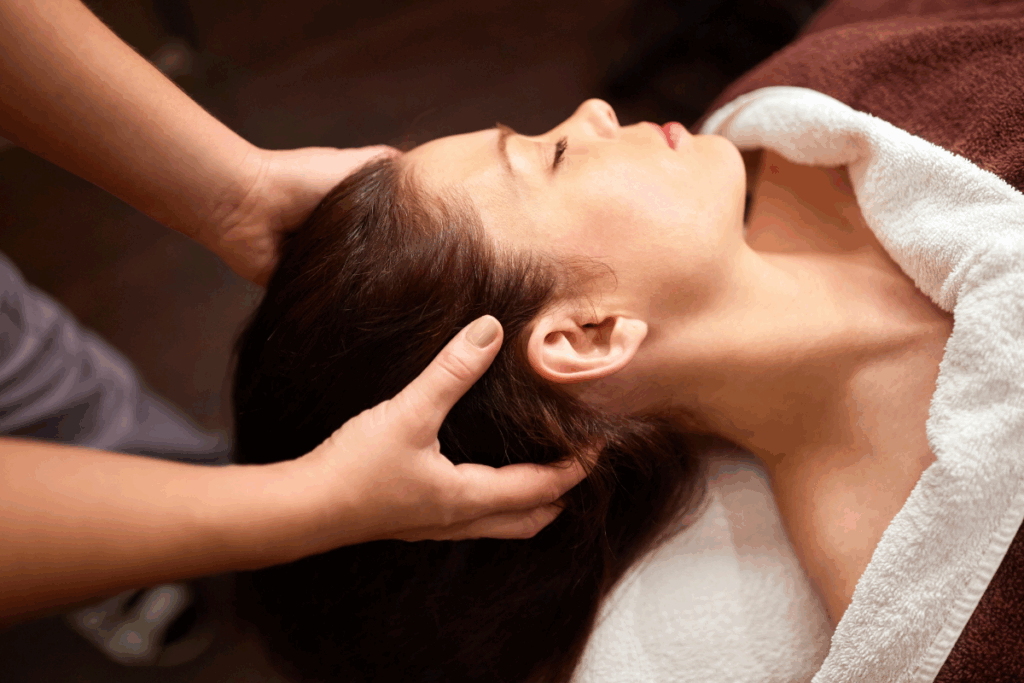
Therapeutic massage isn’t just about feeling good in the moment—it’s about helping your body function better. Here’s what many people notice after consistent treatment:
- Reduces chronic and acute pain
Whether it’s low back tightness, migraines, or post-injury soreness, therapeutic massage targets the root of the discomfort. Skilled pressure and soft tissue release can interrupt pain cycles and calm irritated nerves. - Improves mobility and range of motion
Tight muscles can limit how you move. Massage helps release restrictions in the tissue, allowing your joints and limbs to move more freely and with less effort. - Promotes circulation and healing
By improving blood flow and lymphatic drainage, massage supports your body’s natural recovery process—reducing inflammation and speeding up tissue repair. - Reduces stress and nervous system overload
Massage activates the parasympathetic nervous system, lowering heart rate and cortisol levels. That means less tension, fewer headaches, and better sleep. - Complements other treatments
Physical therapy, chiropractic care, and pain management plans often include massage for a reason—it helps your body respond better to all of it.
Who Can Benefit from Therapeutic Massage?
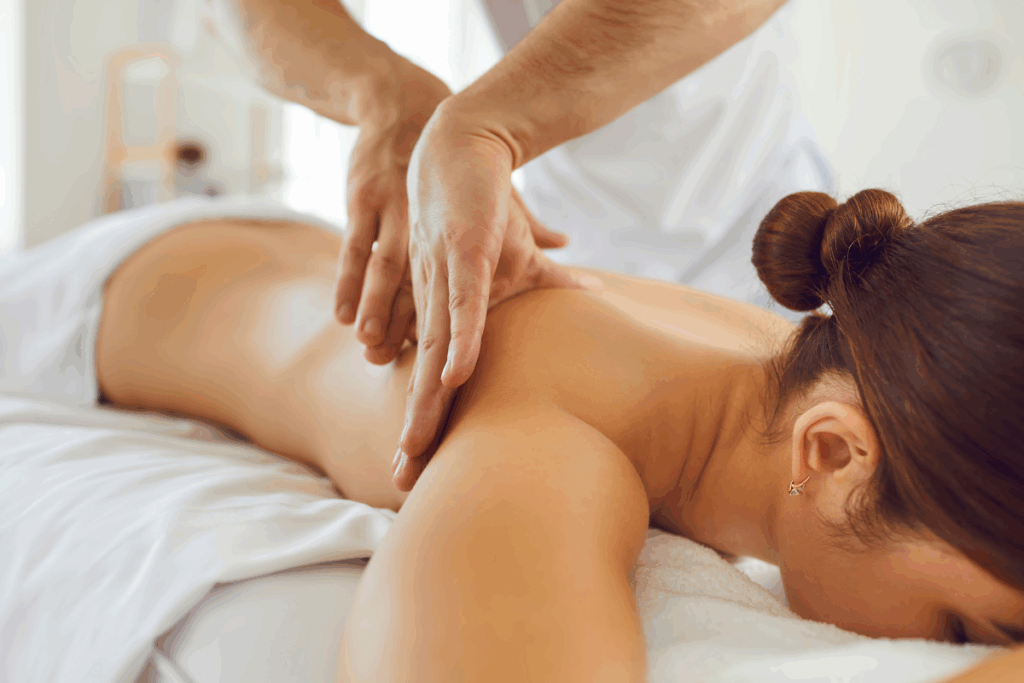
Support for pain, stress, and everything in between.
Therapeutic massage isn’t just for athletes or people recovering from surgery. It’s for anyone whose body is asking for help—whether that means relief from daily stress or support for a specific medical condition.
You may benefit from therapeutic massage if you’re dealing with:
- Chronic muscle tension or joint pain
Tight shoulders, lower back pain, or ongoing stiffness from repetitive strain. - Injury recovery
Massage can help reduce scar tissue, support healing, and restore mobility after sprains, strains, or surgery (with provider approval). - Postural imbalances
Long hours at a desk or on your feet can create muscular imbalances that massage can help correct. - Headaches or TMJ dysfunction
Trigger point work and jaw muscle release can ease tension headaches and jaw pain. - Stress-related symptoms
When your body holds stress physically—like tight necks, shallow breathing, or fatigue—massage helps reset your nervous system.
If you’ve been told to “just stretch more” or “give it time,” but the discomfort keeps returning, therapeutic massage may be the missing piece.
What to Expect During and After a Session
Before your session:
- Your therapist will review your health history, symptoms, and treatment goals.
- You’ll discuss specific areas of pain, tension, or limited mobility.
- Sessions are tailored—not one-size-fits-all—based on what your body needs.
- You may be asked to wear or bring loose-fitting clothing, especially if stretching is involved.
During your session:
- Focus is often on one or two problem areas, not a full-body massage.
- Pressure may be deeper than you're used to—always within your comfort zone.
- Techniques are adjusted based on how your muscles respond.
- You’re encouraged to speak up if anything feels too intense or uncomfortable.
After your session:
- It’s normal to feel sore, tired, or deeply relaxed—this usually fades within 24–48 hours.
- Many notice improved range of motion, better sleep, or reduced pain soon after.
- Your therapist may recommend a follow-up plan to support long-term results.
- Hydrate, rest, and avoid strenuous activity for the remainder of the day if possible.
Choosing the Right Therapist
Look for a licensed massage therapist (LMT) with advanced training in techniques like trigger point work, myofascial release, or neuromuscular therapy. If you’re under a provider’s care, ask whether they recommend someone familiar with your condition.Most importantly, choose a therapist who listens. Your comfort, safety, and treatment goals should guide every session.
At Circle Wellness, Our licensed therapists are trained in trigger point therapy, myofascial release, and neuromuscular techniques—they don’t just follow a routine; they tailor every session to your body’s specific needs.
FAQs

1. What’s the difference between therapeutic and regular massage?
Therapeutic massage is goal-oriented and focused on pain relief, mobility, and healing. Regular or spa massage is typically for general relaxation and stress relief.
2. Does therapeutic massage hurt?
You may feel some tenderness, especially in tight or inflamed areas. The goal isn’t pain—it’s release. Always speak up if the pressure feels too much.
3. How long is a typical session?
Sessions usually last between 30 to 90 minutes, depending on your needs and the treatment plan.
4. What should I wear to a session?
Loose-fitting or athletic clothing is recommended—especially if your therapist incorporates stretching or movement techniques.
5. How often should I get therapeutic massage?
It depends on your condition. Some benefit from weekly sessions during recovery, while others maintain monthly appointments for ongoing wellness.
6. Can massage help with old injuries or scar tissue?
Yes. Techniques like myofascial release and deep tissue work can improve circulation, reduce adhesions, and restore function in older injuries.
7. Is therapeutic massage safe for everyone?
Not always. People with certain medical conditions—like blood clots, recent surgeries, or fragile skin—should speak with their doctor before scheduling.
8. Will I feel sore afterward?
Some post-massage soreness is normal, especially if the area was tight or inflamed. It usually fades within a day or two.
9. Can I combine therapeutic massage with other treatments?
Absolutely. Many people use massage alongside chiropractic care, acupuncture, or physical therapy for better overall results.
10. Are there any side effects after a massage?
You may feel tired, thirsty, or sore. Rest and hydration help you bounce back smoothly.
Start Feeling Better—One Session at a Time
Whether you’re dealing with chronic pain, everyday tension, or just need a moment to recharge, the right massage can make a real difference.
Not sure which one to choose? Let a licensed therapist guide you toward the best fit for your body and goals.
Book a therapeutic or deep tissue massage today
Or schedule a consultation to talk through your needs first
Ready to Feel the Difference?
—strong, supported, and pain-free