“Sleep is the golden chain that ties health and our bodies together.” — Thomas Dekker
You expected to fall asleep faster tonight.You turned off the lights earlier. You avoided screens. You tried to relax. But your mind keeps moving. Your body feels tired, yet sleep doesn’t come easily. When you finally drift off, you wake up again—sometimes more than once.
Insomnia and poor sleep quality can make mornings feel heavy and days feel longer. Concentration becomes harder. Energy drops. Even simple tasks may feel more demanding.
Sleep challenges rarely come from just one cause. Stress, irregular routines, muscle tension, and racing thoughts can all make it harder for the body to fully settle into rest.Many people try improving sleep habits or adjusting their routines. Others begin looking for approaches that help the body slow down more naturally.
Yoga is one such practice that combines movement, breathing, and relaxation.
But how does that actually influence sleep?
To understand how yoga may help, it’s important to understand what affects sleep regulation in the body.
Understanding Insomnia and Poor Sleep

Sleep is regulated by a balance between the nervous system, hormones, and daily behavioral patterns.
When the body prepares for sleep, heart rate slows, breathing becomes steady, and stress hormone levels gradually decrease.
However, insomnia can develop when this transition becomes disrupted.
- Common contributing factors include:
- Chronic stress or anxiety
- Irregular sleep schedules
- Excessive screen exposure
- Muscle tension or physical discomfort
- Hormonal changes
- Lifestyle habits affecting circadian rhythm
- Symptoms of insomnia may include:
- Difficulty falling asleep
- Frequent nighttime awakenings
- Waking too early
- Non-restorative sleep
- Daytime fatigue
- Brain fog or irritability
But sleep challenges often involve both physical and mental components.
Tight muscles may prevent full relaxation. Racing thoughts can keep the nervous system active. Shallow breathing patterns may maintain a state of alertness.
Understanding this broader picture helps explain why practices that calm the body and mind can support sleep regulation.
How Yoga May Help Improve Sleep
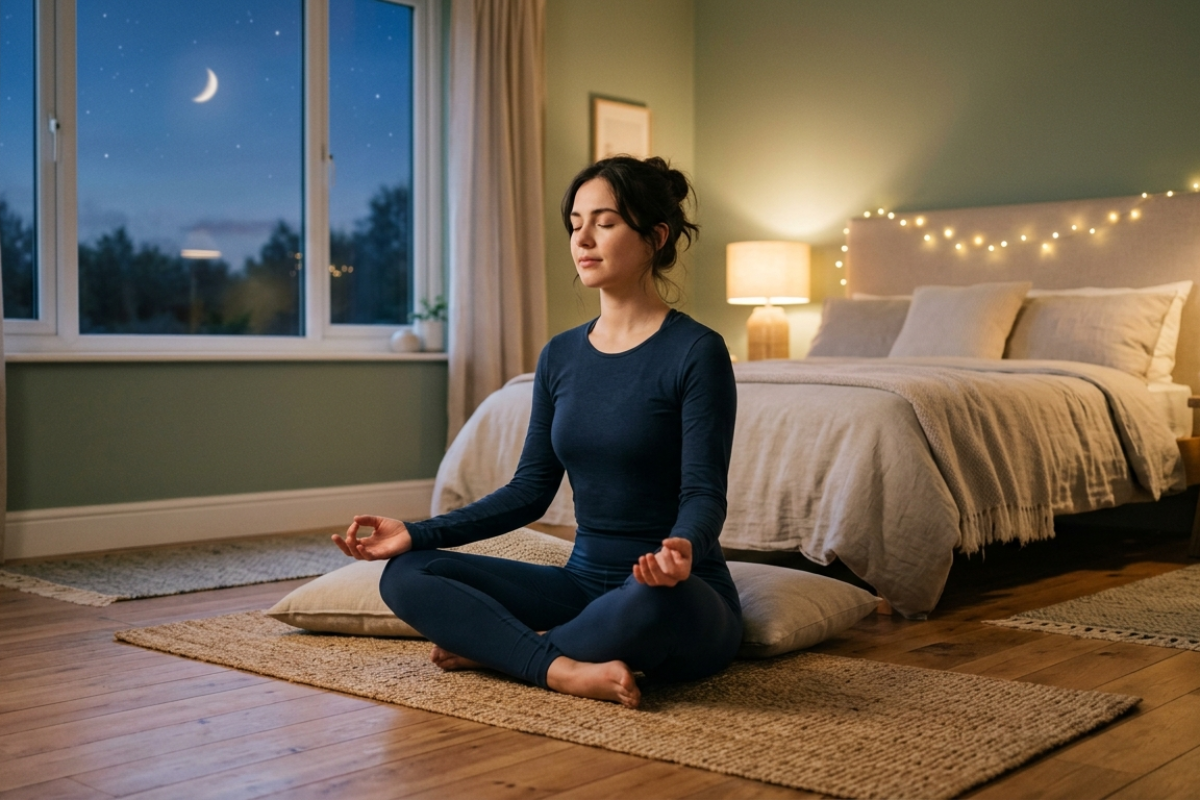
Yoga combines movement, breathing exercises, and relaxation techniques that influence the body’s readiness for sleep.
Rather than acting as a sleep medication, yoga may help create conditions that support more consistent rest.
Here are several ways yoga may help.

1. Calms the Nervous System
Insomnia is often associated with heightened nervous system activity.
Yoga practices may help activate the parasympathetic nervous system, which supports relaxation and recovery.
Regular practice may help:
- Reduce stress hormone levels
- Slow heart rate
- Improve relaxation responses
This shift can make it easier for the body to transition into sleep.
2. Reduces Muscle Tension
Physical tension can make it difficult to feel comfortable at bedtime.
Yoga postures may help release tightness in areas such as:
- Neck and shoulders
- Lower back
- Hips
Reduced muscle tension may improve physical comfort during sleep.
3. Improves Breathing Patterns
Shallow or rapid breathing can maintain a stress response.
Yoga breathing techniques may help:
- Encourage deeper diaphragmatic breathing
- Reduce anxiety before bedtime
- Promote calm mental states
Steady breathing patterns often support sleep readiness.
4. Supports Circadian Rhythm Regulation
Regular yoga practice can help reinforce consistent daily routines.
Predictable movement and relaxation patterns may support:
- Stable sleep-wake cycles
- Improved energy during the day
- Better sleep onset at night
5. Reduces Mental Restlessness
Mindfulness practices in yoga may help reduce racing thoughts.
This may support:
- Improved emotional regulation
- Reduced nighttime worry
- Greater mental clarity
6. Enhances Sleep Quality Over Time
While benefits may begin with improved relaxation, consistent yoga practice may help:
- Increase total sleep duration
- Improve sleep depth
- Reduce nighttime awakenings
Sleep Concerns and Potential Benefits of Yoga
| Sleep Concern | Potential Benefits of Yoga |
|---|---|
| Difficulty falling asleep | Nervous system calming |
| Nighttime awakenings | Improved relaxation stability |
| Stress-related insomnia | Reduced muscle tension |
| Poor sleep quality | Better breathing regulation |
| Daytime fatigue | Improved energy balance |
| Anxiety-related sleep disruption | Enhanced emotional regulation |
Yoga is often integrated into broader sleep-improvement strategies.


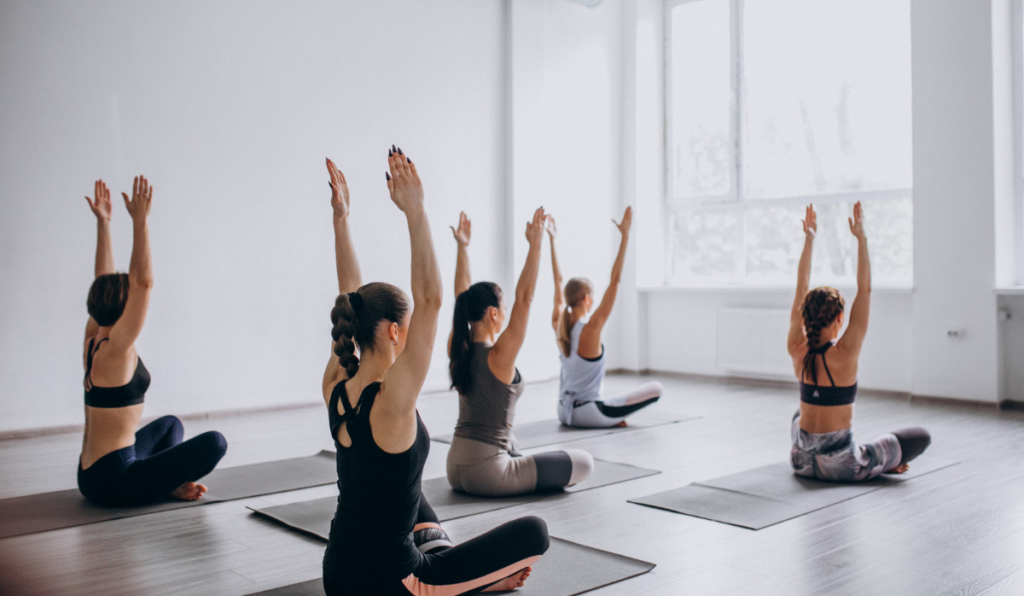
What to Expect During a Yoga Session for Sleep Support
1. Gentle Assessment
- Sleep patterns
- Stress levels
- Physical discomfort
2. Slow Movement and Stretching
- Spine and hip relaxation
- Chest opening
- Neck and shoulder release
3. Guided Breathing Practices
- Slow inhalation and extended exhalation
- Rhythmic breathing patterns
- Relaxation-focused breathing
4. Deep Relaxation Phase
- A sense of calm
- Reduced muscle tension
- Slower breathing
5. After Practice
- Easier sleep onset
- Reduced nighttime anxiety
- Improved morning energy
Who May Benefit from Yoga for Insomnia?
- Yoga may be especially helpful for individuals who struggle with falling asleep, staying asleep, or waking up feeling unrested. If your sleep is often affected by stress, racing thoughts, or an inability to fully relax at night, yoga can support both physical and mental unwinding.
- It may also benefit those who experience muscle tension or restlessness that makes it difficult to get comfortable, or who feel tired but unable to settle into sleep. For individuals who prefer gentle, calming movement, yoga offers a supportive approach that encourages the body to slow down naturally.
- Rather than acting on its own, yoga works best as part of a broader sleep-support routine—alongside consistent sleep habits, stress-management practices, and medical guidance when needed. Over time, this combination may help improve sleep quality and make rest feel more consistent and restorative.
When to Be Cautious

Yoga is generally safe and adaptable, but certain situations may require modifications or guidance.
You may need to adjust your practice if you experience severe dizziness, have untreated sleep disorders, or are dealing with musculoskeletal injuries that limit movement. Some individuals may also feel overstimulated by certain poses or breathing techniques, especially close to bedtime.
In these cases, gentler, slower practices are usually more appropriate. Working with a qualified instructor or consulting a healthcare provider can help ensure the practice remains safe, comfortable, and supportive.
When to Expect Results

Everyone responds differently, but many people notice gradual changes over time.
After a few sessions, you may feel more relaxed at night and notice reduced physical tension before sleep.
After several weeks, sleep patterns may begin to feel more consistent, with fewer interruptions.
With regular, long-term practice, yoga may support better stress regulation, making it easier for the body to settle into restful sleep more naturally.
FAQs
Can yoga cure insomnia?
No. Insomnia has many causes. Yoga may support better sleep habits and relaxation.
How often should I practice yoga for sleep?
Many people benefit from short daily sessions or 3–5 sessions per week.
Is yoga better than meditation for insomnia?
Both can help. Yoga combines movement with breathing and relaxation.
Can yoga help nighttime anxiety?
Yes. Breathing and relaxation techniques may help calm mental activity.
Is it okay to do yoga right before bed?
Gentle, restorative yoga is often suitable close to bedtime.
Which yoga styles are best for sleep?
Restorative, yin, or relaxation-focused yoga practices are commonly recommended.
How quickly will yoga improve sleep?
Relaxation benefits may occur early, while long-term improvements require consistency.
Do I need flexibility to start yoga?
No. Yoga can be adapted to all ability levels.
Supporting Restful Nights and Better Energy

Poor sleep can affect mood, focus, and physical comfort. Even when lifestyle adjustments are in place, stress and tension may continue to disrupt rest.
Yoga offers a structured approach to calming the nervous system, releasing physical tension, and improving readiness for sleep.
With consistent practice, many people experience steadier sleep patterns and improved daily energy.