
NYSHIP Massage Therapy for Lower Back Pain on Long Island
Lower back pain can gradually affect mobility, productivity, physical activity, and overall quality of life.
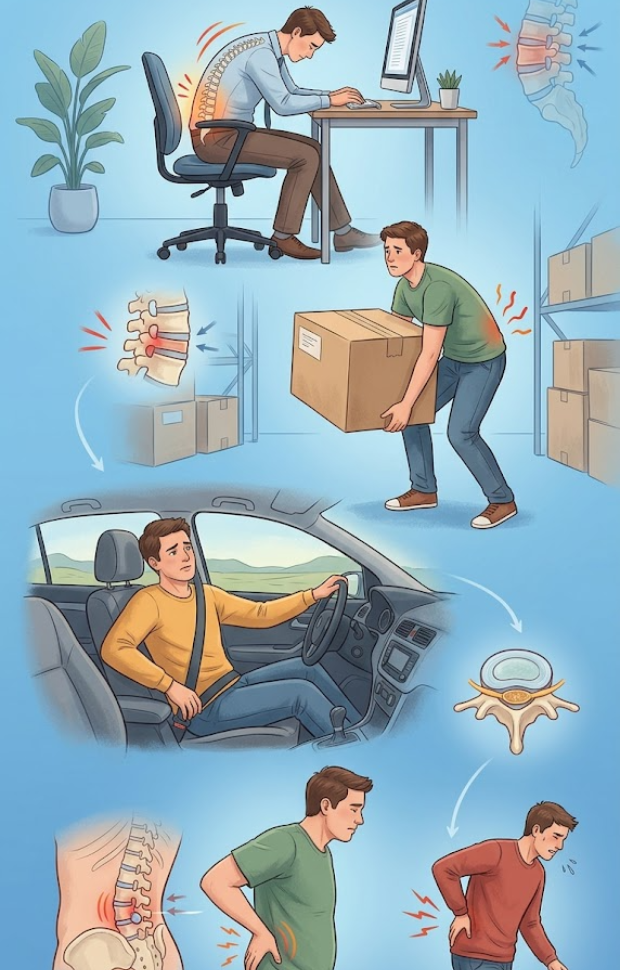
For many Long Island residents, prolonged sitting, physically repetitive work, daily commuting, and muscular strain may contribute to persistent lower back discomfort over time.
Office professionals, healthcare workers, teachers, tradespeople, and commuters across Nassau County and Suffolk County commonly experience increased lower back tightness after long workdays or extended driving on the Long Island Expressway.
Patients searching for conservative supportive care often ask whether NYSHIP massage therapy options may help support muscular recovery, movement comfort, and stress-related tension management.
At Circle Wellness, therapeutic massage is approached as part of an individualized, medically guided care strategy based on symptom patterns, movement limitations, and functional wellness goals.
Patients interested in exploring supportive care options for persistent lower back discomfort may review the NYSHIP insurance and request a professional back-pain consultation at Circle Wellness.
Why Lower Back Pain Is So Common
Lower back pain remains one of the most common musculoskeletal concerns among adults in the United States.
According to the U.S. Centers for Disease Control and Prevention (CDC), back pain is one of the leading causes of work limitations and reduced daily activity in adults.
Common contributing factors may include:
- Prolonged sitting
- Repetitive lifting
- Occupational strain
- Sedentary routines
- Poor posture
- Stress-related muscular tension
- Previous injuries
- Reduced flexibility
- Muscle overuse
- Age-related spinal changes
For many Long Island residents, desk-heavy work environments and lengthy commuting schedules may increase tension around the lumbar region over time.
Symptoms may include:
- Persistent lower back aching
- Tightness after sitting
- Morning stiffness
- Muscle spasms
- Reduced mobility
- Discomfort during bending or lifting
- Hip tightness
- Fatigue-related muscular tension
Not every patient experiences lower back discomfort in the same way.
Professional evaluation may help determine whether muscular tension, movement dysfunction, or other contributing factors may be involved.
How Massage Therapy May Support Lower Back Pain Management
Therapeutic massage is commonly incorporated into conservative supportive care plans for musculoskeletal discomfort.
For some patients, massage therapy may help support:
- Temporary muscular relaxation
- Reduced tension patterns
- Improved circulation
- Recovery after physical strain
- Flexibility support
- Stress management
- Mobility comfort
- Soft tissue relaxation
Massage therapy is not intended to diagnose, treat, or cure underlying medical conditions.
Instead, it may be considered as part of a broader individualized care approach when clinically appropriate.
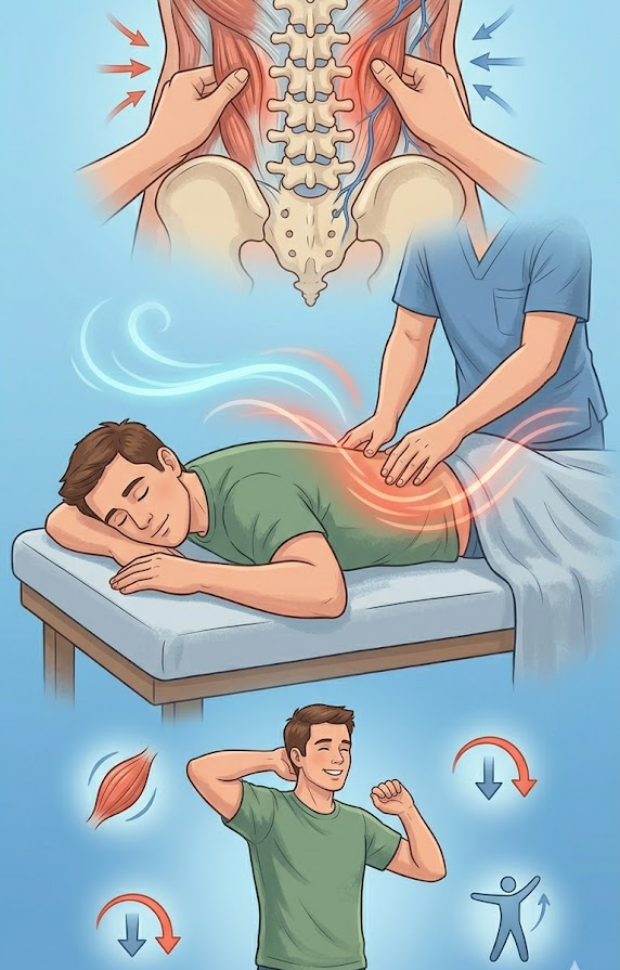
Depending on patient presentation, therapeutic approaches may include:
- Myofascial release
- Trigger point therapy
- Deep tissue techniques
- Neuromuscular therapy
- Lumbar soft tissue work
- Relaxation-focused muscular recovery techniques
Treatment recommendations vary based on:
- Symptom severity
- Functional limitations
- Activity demands
- Injury history
- Medical background
- Tolerance levels
Patients experiencing progressive weakness, severe neurological symptoms, or worsening radiating pain should seek prompt medical evaluation.
Understanding NYSHIP Massage Therapy Considerations
Many patients ask whether NYSHIP-related insurance plans may help support access to massage-related services for lower back discomfort.
Coverage eligibility may vary depending on:
- Individual NYSHIP plan details
- Referral requirements
- Medical necessity considerations
- Documentation standards
- Provider participation
- Visit limitations
Insurance verification is important before beginning treatment.
Patients may review the NYSHIP to learn more about insurance verification considerations, referral requirements, and appointment-related guidance.
Verification may help clarify:
- Potential covered services
- Referral expectations
- Appointment eligibility
- Documentation requirements
- Possible out-of-pocket responsibilities
No ethical healthcare provider can guarantee insurance coverage without appropriate verification and plan review.
Transparent communication regarding insurance expectations is an important part of trustworthy patient-centered care.
What Patients Can Expect During a Lower Back Pain Consultation

A professional lower back pain consultation typically begins with understanding the patient’s symptoms, movement limitations, and daily functional challenges.
Initial visits may include:
- Health history review
- Symptom discussion
- Muscular tension assessment
- Movement evaluation
- Occupational strain discussion
- Previous treatment review
- Lifestyle considerations
Patients may also receive guidance regarding:
- Stretching support
- Ergonomic considerations
- Activity modifications
- Postural habits
- Recovery strategies
- Stress-management approaches
Some individuals may benefit from periodic supportive care, while others may require additional medical evaluation depending on symptom complexity.
Who May Benefit From Therapeutic Massage for Lower Back Pain
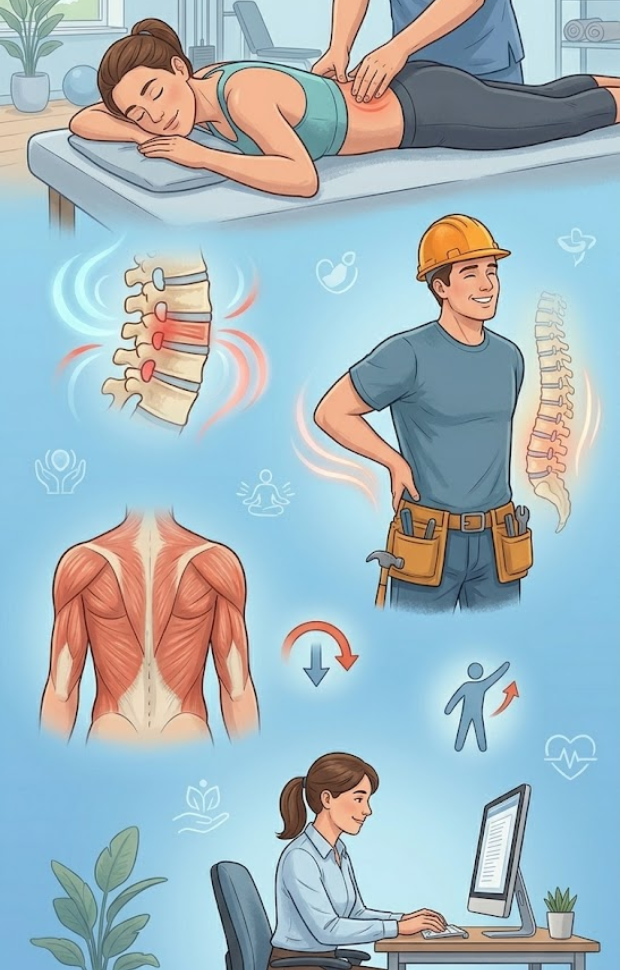
Massage therapy may be considered for patients experiencing:
- Muscular tightness
- Stress-related tension
- Mild-to-moderate mobility limitations
- Occupational strain
- Repetitive-use discomfort
- Exercise-related soreness
- Postural muscular tension
- Chronic soft tissue tightness
Patients across Long Island often seek conservative supportive care approaches that fit realistically into demanding schedules and physically repetitive lifestyles.
For some individuals, therapeutic massage may become part of a broader recovery-focused wellness strategy.
Individuals experiencing ongoing muscular tension or movement-related discomfort may benefit from a professional evaluation focused on supportive care options and functional recovery strategies.
When Massage Therapy May Not Be Appropriate
Massage therapy may not be suitable for every patient or every type of lower back condition.
Patients should seek prompt medical evaluation if symptoms include:
- Sudden severe pain
- Progressive weakness
- Loss of bladder or bowel control
- Fever associated with back pain
- Significant numbness
- Recent traumatic injury
- Severe radiating pain
- Unexplained weight loss
Not all lower back pain originates from muscular tension.
Some conditions may require imaging, specialist referral, or additional medical assessment.
Safe care begins with appropriate clinical evaluation.
Long Island Patients Often Prefer Conservative Supportive Care First
Many patients across Nassau County and Suffolk County prefer exploring conservative supportive care options before considering invasive interventions.
This may include:
- Therapeutic massage
- Movement-focused recovery
- Stretching support
- Lifestyle modifications
- Stress-management strategies
- Soft tissue recovery approaches
Busy Long Island professionals balancing work responsibilities, commuting demands, and family schedules often look for supportive care strategies that are practical, sustainable, and individualized.
Why Medically Guided Care Matters

Not all massage therapy approaches are identical.
A medically informed approach may help support:
- Appropriate treatment selection
- Recognition of referral needs
- Safer care decisions
- Individualized care planning
- Better symptom monitoring
This may be especially important for patients with:
- Chronic pain history
- Neurological symptoms
- Previous injuries
- Persistent mobility limitations
- Complex medical backgrounds
Responsible care prioritizes patient safety, realistic expectations, and individualized assessment rather than exaggerated promises.
Signs It May Be Time to Schedule an Evaluation
Patients should consider professional evaluation if lower back discomfort:
- Persists for several weeks
- Interferes with sleep
- Reduces mobility
- Affects work performance
- Recurs frequently
- Worsens during activity
- Impacts daily quality of life
Early assessment may help patients better understand appropriate supportive care options before symptoms progress further.
Scheduling Your Back-Pain Consult
Patients exploring NYSHIP massage therapy options for lower back discomfort on Long Island may begin with an evaluation-focused consultation.
During the scheduling process, patients may discuss:
- Insurance-related questions
- Referral information
- Current symptoms
- Previous treatment history
- Scheduling preferences
- Functional recovery goals
A consultation can help determine whether therapeutic massage may be appropriate within an individualized care plan based on symptom history, mobility limitations, and overall wellness goals.
Patients interested in learning whether NYSHIP-related massage therapy options may be appropriate for their situation may request a professional back-pain consultation through the Contact page.

FAQs
Does NYSHIP cover massage therapy for lower back pain?
Coverage eligibility may vary depending on the individual NYSHIP plan, referral requirements, and medical necessity criteria. Insurance verification is recommended before treatment begins.
Can massage therapy help chronic lower back tension?
Some patients report temporary improvement in muscular tightness, movement-related discomfort, and stress-related tension patterns. Individual responses vary.
Is massage therapy considered a replacement for medical treatment?
No. Massage therapy is generally considered supportive care and should not replace medical evaluation for severe, progressive, or neurological symptoms.
How many massage sessions may be recommended?
Treatment frequency depends on symptom severity, patient goals, clinical findings, and individualized provider recommendations.
Should patients receive an evaluation before beginning massage therapy?
Professional evaluation may help determine whether massage therapy is appropriate based on symptom presentation, medical history, and overall treatment considerations.
What should patients bring to their appointment?
Patients may benefit from bringing insurance information, referral documentation if applicable, prior imaging reports, and details regarding previous treatments.
Supporting Long-Term Back Health With Professional Guidance
Persistent lower back discomfort can affect mobility, physical activity, work performance, and overall quality of life.
For many Long Island patients, conservative supportive care approaches may help address muscular tension patterns and movement-related limitations when guided appropriately.
Therapeutic massage may be considered as part of an individualized care strategy depending on a patient’s symptoms, clinical history, and functional goals.
Patients experiencing persistent lower back discomfort can connect with the team at Circle Wellness to discuss individualized supportive care options and determine whether therapeutic massage may be appropriate for their needs.
Information regarding NYSHIP-related insurance considerations is also available at Circle Wellness.