Prenatal Facial Safety: What Treatments Are Usually Avoided and Why
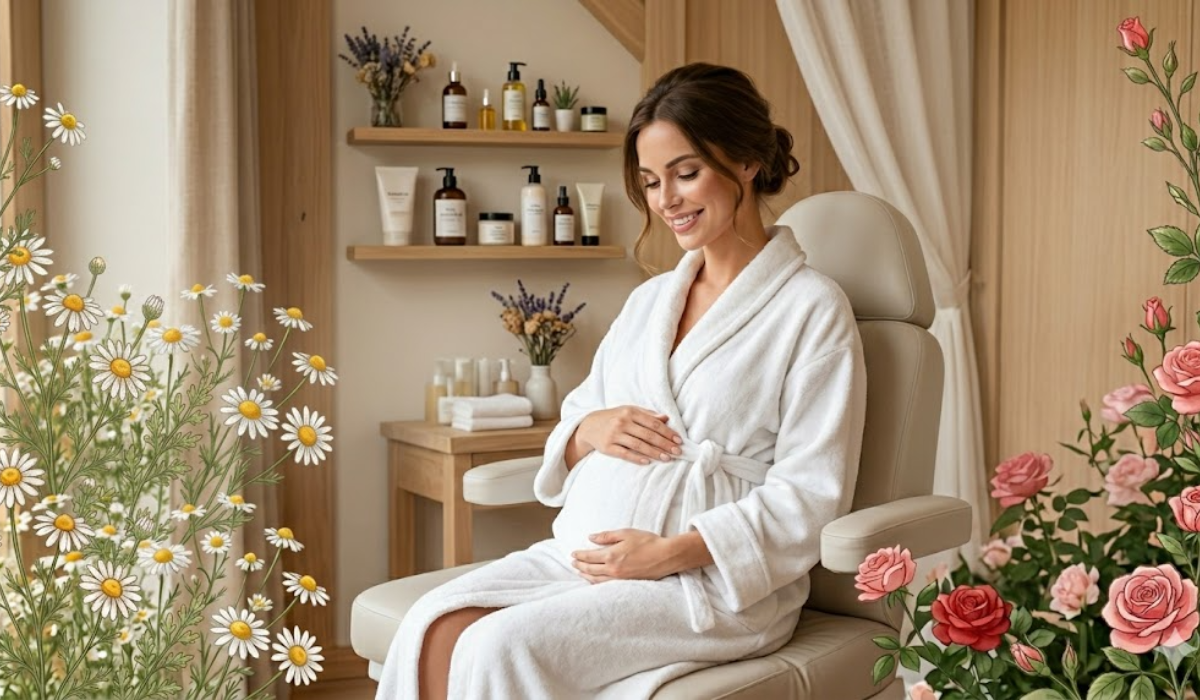
Pregnancy can bring significant hormonal and physical changes that may also affect the skin. Some individuals notice increased dryness, breakouts, redness, irritation, or pigmentation changes throughout different stages of pregnancy.
Because of these skin changes, many people begin exploring facials and supportive skincare treatments for comfort and maintenance. However, prenatal facial safety often becomes an important consideration since not every ingredient, exfoliant, or treatment approach is viewed the same way during pregnancy.
In many cases, licensed providers may recommend modifying skincare treatments to focus on gentler techniques, reduced irritation risk, and more individualized care planning.
Patients exploring pregnancy-conscious skincare support may also benefit from reviewing available facial treatment options offered at Circle Wellness.
What Facial Treatments Are Often Avoided During Pregnancy?
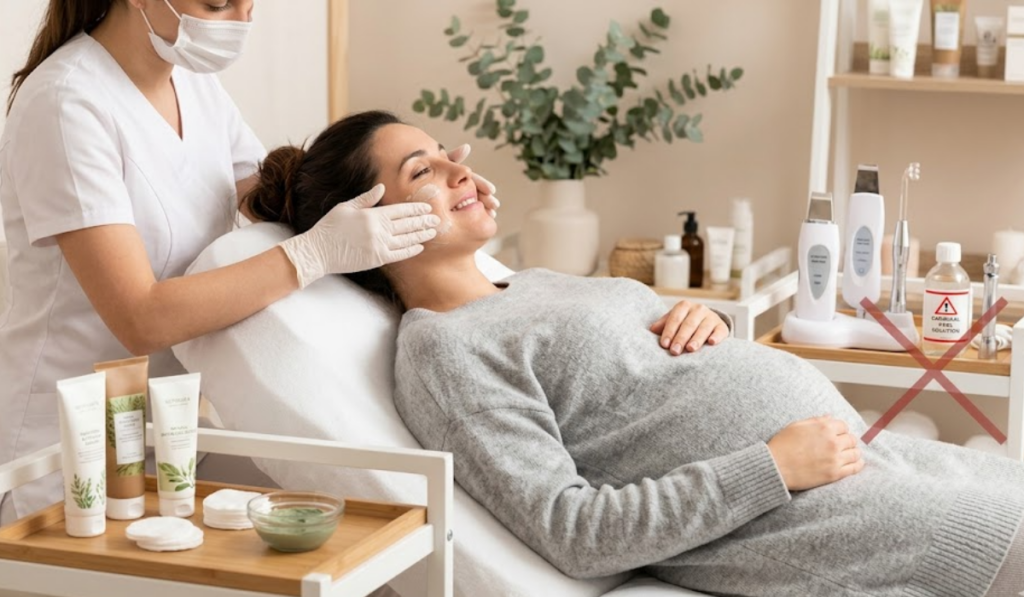
Many gentle facials may still be considered during pregnancy when customized carefully by licensed providers.
However, some treatments are commonly reviewed more cautiously because they may involve:
- Strong exfoliating acids
- Retinoid ingredients
- Heat-producing devices
- Aggressive resurfacing
- Increased irritation risk
- Limited pregnancy-specific safety research
Providers often take a conservative approach during pregnancy because skin sensitivity and ingredient absorption considerations can vary significantly from person to person.
Why Pregnancy Can Change the Skin
Hormonal fluctuations during pregnancy may influence:
- Oil production
- Blood circulation
- Skin hydration
- Pigmentation
- Skin barrier sensitivity
As a result, some individuals may experience:
- Pregnancy-related acne
- Melasma
- Facial redness
- Dry patches
- Increased sensitivity
- Skin reactivity to previously tolerated products
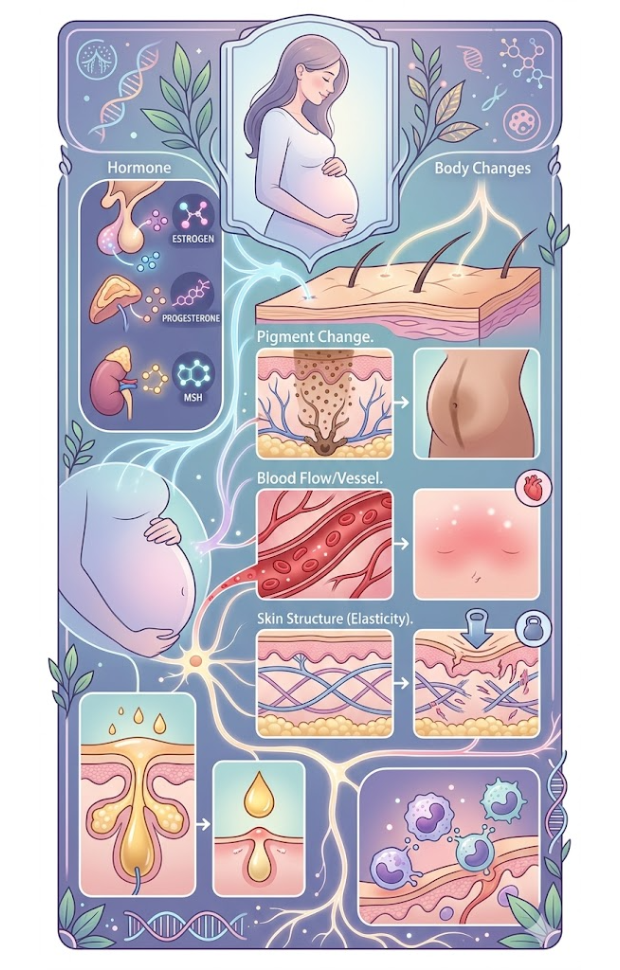
In clinical skincare settings, providers often notice that pregnancy-related skin sensitivity may fluctuate throughout different trimesters, which is one reason treatments are frequently customized carefully.
Why Providers Often Take a Conservative Approach During Pregnancy
Pregnancy-related skincare decisions are not always straightforward.
One important reason is that research involving pregnant populations may be limited for certain ingredients and aesthetic procedures. Because of this, many providers prioritize caution when recommending elective skincare treatments during pregnancy.
According to information available through the NIH, PubMed, and FDA, medication and ingredient exposure during pregnancy often requires individualized medical consideration.
This precautionary approach may help reduce unnecessary irritation, ingredient exposure concerns, and sensitivity-related complications.
Facial Treatments Commonly Reviewed Carefully During Pregnancy
Retinoid-Based Treatments
Retinoids are commonly used in acne-focused and anti-aging skincare treatments.
Examples may include:
- Retinol
- Tretinoin
- Adapalene
- Retinaldehyde
Because oral vitamin A derivatives are associated with pregnancy concerns, many providers recommend avoiding topical retinoid treatments during pregnancy out of caution.
Although research on topical exposure may vary, providers frequently take a conservative approach due to limited pregnancy-specific safety data.
Strong Chemical Peels
Some deeper chemical peels may also be postponed during pregnancy because hormonal changes can increase:
- Skin sensitivity
- Irritation risk
- Redness
- Pigmentation changes
- Post-inflammatory reactions
Providers may carefully review:
- High-strength salicylic acid peels
- Multi-acid resurfacing treatments
- Aggressive exfoliation protocols
Gentler exfoliation approaches may sometimes be considered depending on individual skin sensitivity and provider assessment.
Heat-Based Treatments
Certain heat-producing aesthetic treatments may also be approached more cautiously during pregnancy.
Examples can include:
- Some laser procedures
- Certain radiofrequency treatments
- Heat-intensive resurfacing devices
Because pregnancy-related safety research for some technologies may remain limited, many providers choose to delay elective heat-based treatments until after pregnancy.
Aggressive Extractions
Pregnancy-related skin sensitivity may increase irritation during aggressive extractions.
Forceful extraction techniques might:
- Trigger redness
- Increase inflammation
- Irritate delicate capillaries
- Cause temporary discomfort
As a result, licensed aesthetic providers often prefer gentler facial approaches during pregnancy-conscious skincare planning.
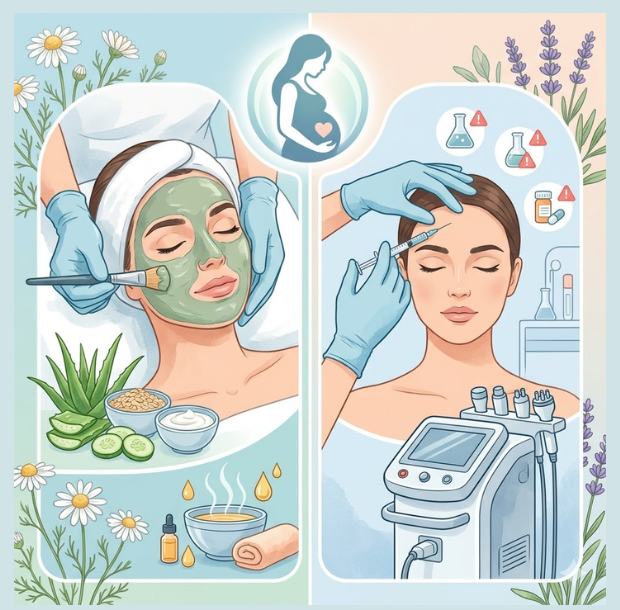
Ingredients Providers Often Evaluate Carefully
Salicylic Acid
Salicylic acid may appear in:
- Acne products
- Exfoliating cleansers
- Facial peels
- Spot treatments
Providers often review:
- Product concentration
- Frequency of exposure
- Application area
- Total skincare routine
This individualized review process may help support more personalized prenatal skincare planning.
Hydroquinone
Hydroquinone is sometimes used for pigmentation concerns such as melasma.
Because absorption rates may be relatively higher compared with certain other topical ingredients, many providers recommend approaching hydroquinone more cautiously during pregnancy unless specifically discussed with a qualified healthcare professional.
Essential Oils and Fragrances
Pregnancy may occasionally increase sensitivity to:
- Strong fragrances
- Essential oils
- Botanical extracts
- Active skincare blends
In some situations, providers may recommend simplified or fragrance-sensitive skincare products to reduce irritation potential.
Facial Treatments That May Sometimes Be Considered Gentler
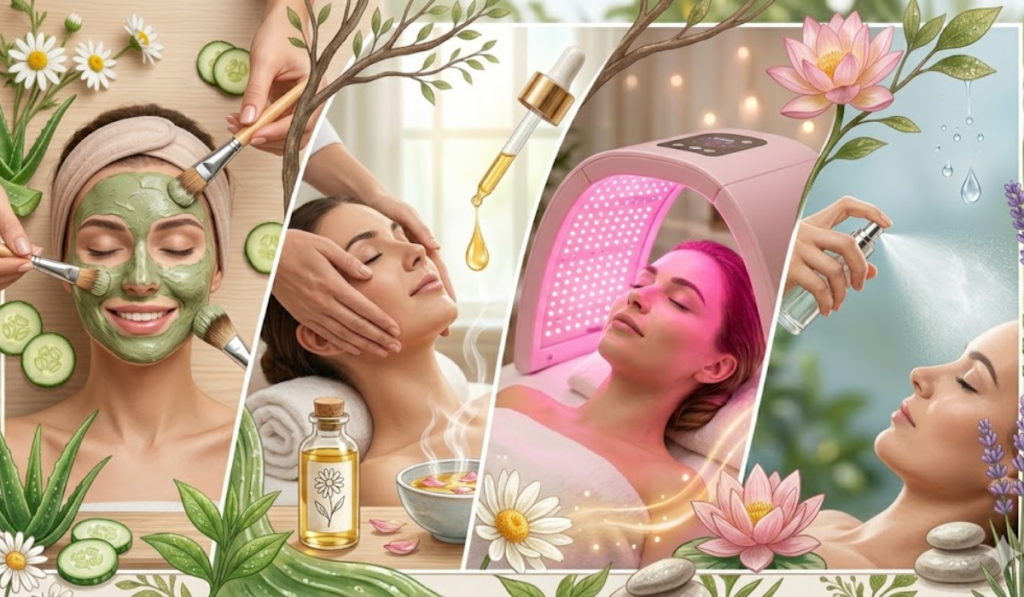
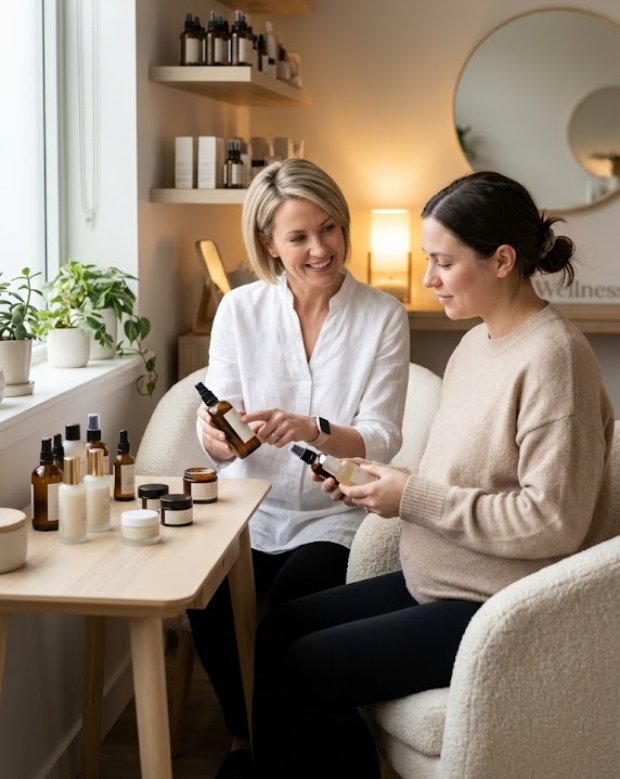
Depending on the individual’s needs, providers may sometimes recommend:
- Hydrating facials
- Gentle cleansing facials
- Mild enzyme treatments
- Barrier-supportive skincare
- Nourishing facial treatments
Patch testing and ingredient review may still be appropriate before treatment.
Individuals interested in gentler skincare support during pregnancy can also explore available facial services at Circle Wellness to better understand customized treatment options.
Treatments Often Reviewed Carefully vs Gentler Approaches
| Commonly Reviewed Carefully | Sometimes Considered Gentler |
| Retinoid treatments | Hydrating facials |
| Aggressive chemical peels | Mild enzyme facials |
| Heat-based resurfacing | Gentle cleansing facials |
| Strong exfoliation | Barrier-supportive skincare |
| Aggressive extractions | Nourishing facial treatments |
Why Individualized Care Matters During Pregnancy
Prenatal skincare is rarely one-size-fits-all.
Several factors may influence treatment planning:
- Pregnancy stage
- Existing medical conditions
- Medication use
- Skin sensitivity
- Allergies or prior reactions
- Provider recommendations
Because of these variables, medically supervised skincare planning may help support safer and more personalized aesthetic care.
Patients preparing for their first visit may also review the Circle Wellness New Patient Page to learn more about individualized wellness consultations and care planning.
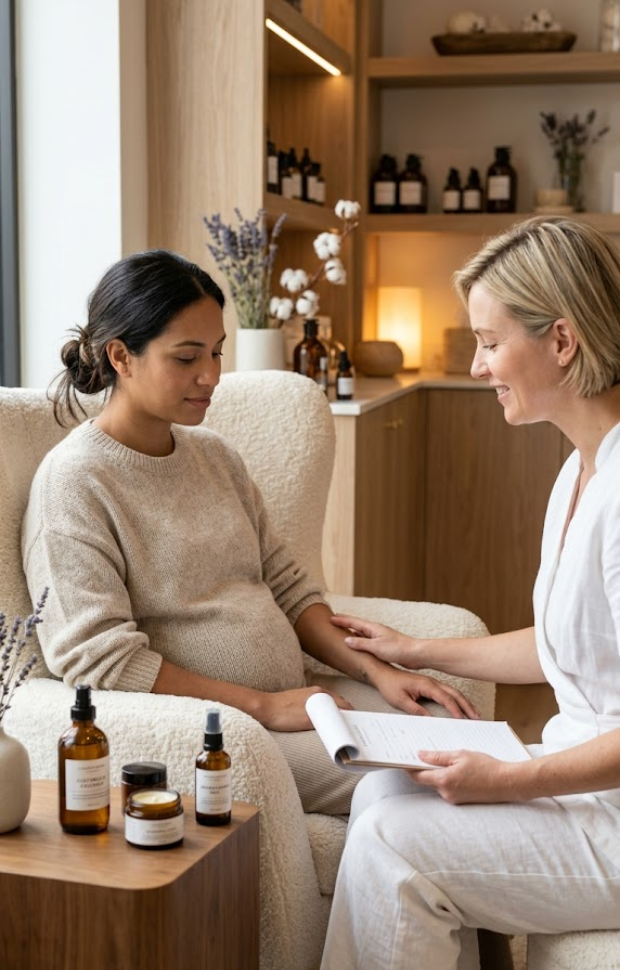
A Common Pregnancy Skincare Concern
A pregnant individual in the second trimester notices:
- Increased breakouts
- Facial redness
- Dry patches
- Sensitivity to previously tolerated products
Before pregnancy, they regularly received acne-focused exfoliating facials using stronger active ingredients.
During a skincare consultation, the provider may:
- Review current skincare products
- Discuss ingredient exposure
- Recommend gentler hydration-focused support
- Avoid stronger exfoliants
- Suggest simplified skincare adjustments
This type of individualized treatment planning is often part of pregnancy-conscious skincare care.
Questions Patients Commonly Ask About Prenatal Facials
Are facials safe while pregnant?
In many situations, gentle facials may still be considered during pregnancy when customized carefully by licensed providers.
What facials are usually avoided during pregnancy?
Providers often review aggressive chemical peels, retinoid-based treatments, strong exfoliation, and certain heat-based procedures more cautiously during pregnancy.
Why does pregnancy sometimes increase skin sensitivity?
Hormonal changes may affect circulation, oil production, pigmentation, and skin barrier function, which can increase irritation and reactivity.
Should providers be informed about pregnancy before facial treatments?
Yes. Informing providers about pregnancy may help guide safer ingredient selection and individualized treatment planning.
Supporting Skin Comfort During Pregnancy
Simple skincare habits may also help support comfort during pregnancy:
- Using gentle cleansers
- Avoiding over-exfoliation
- Wearing sunscreen regularly
- Keeping skin hydrated
- Limiting overly harsh skincare products
Some individuals may also find that simplified skincare routines feel more comfortable during hormonal changes.
Personalized Prenatal Skincare Guidance at Circle Wellness
Pregnancy-related skin concerns can vary significantly from person to person, which is why individualized skincare guidance often matters.
Patients interested in pregnancy-conscious facial care may explore available facial treatment options or connect with Circle Wellness through the Contact Page for additional guidance regarding personalized skincare support during pregnancy.
Some patients may also prefer scheduling a provider-guided skincare consultation to better understand which facial treatments may be more appropriate during pregnancy-related skin changes.
Key Takeaways
- Prenatal facial safety often depends on ingredients, treatment type, and individual sensitivity.
- Retinoids, aggressive chemical peels, and certain heat-based treatments are commonly reviewed carefully during pregnancy.
- Hormonal changes may increase skin sensitivity and irritation risk.
- Gentle facial treatments may sometimes be considered depending on the individual’s skincare needs.
- Medically supervised consultations may help personalize skincare planning during pregnancy.
FAQs
Can pregnant individuals still get facials?
In many situations, gentle facials may still be considered during pregnancy when treatments are customized carefully by licensed providers.
What skincare ingredients are commonly reviewed carefully during pregnancy?
Providers often evaluate ingredients such as retinoids, hydroquinone, and high-strength exfoliating acids more cautiously during pregnancy.
Are chemical peels usually avoided during pregnancy?
Some deeper chemical peels may be postponed because pregnancy can increase skin sensitivity and irritation risk.
Why does pregnancy sometimes increase skin sensitivity?
Hormonal changes during pregnancy may affect circulation, oil production, pigmentation, and skin barrier function.
Should providers know about pregnancy before facial treatments?
Yes. Informing providers about pregnancy may help support individualized treatment planning and ingredient selection.
Medical Disclaimer
This content is intended for educational purposes only and should not be considered medical advice, diagnosis, or treatment. Individual skincare needs during pregnancy may vary significantly. Patients should consult qualified healthcare professionals regarding skincare products, medications, or aesthetic treatments during pregnancy.