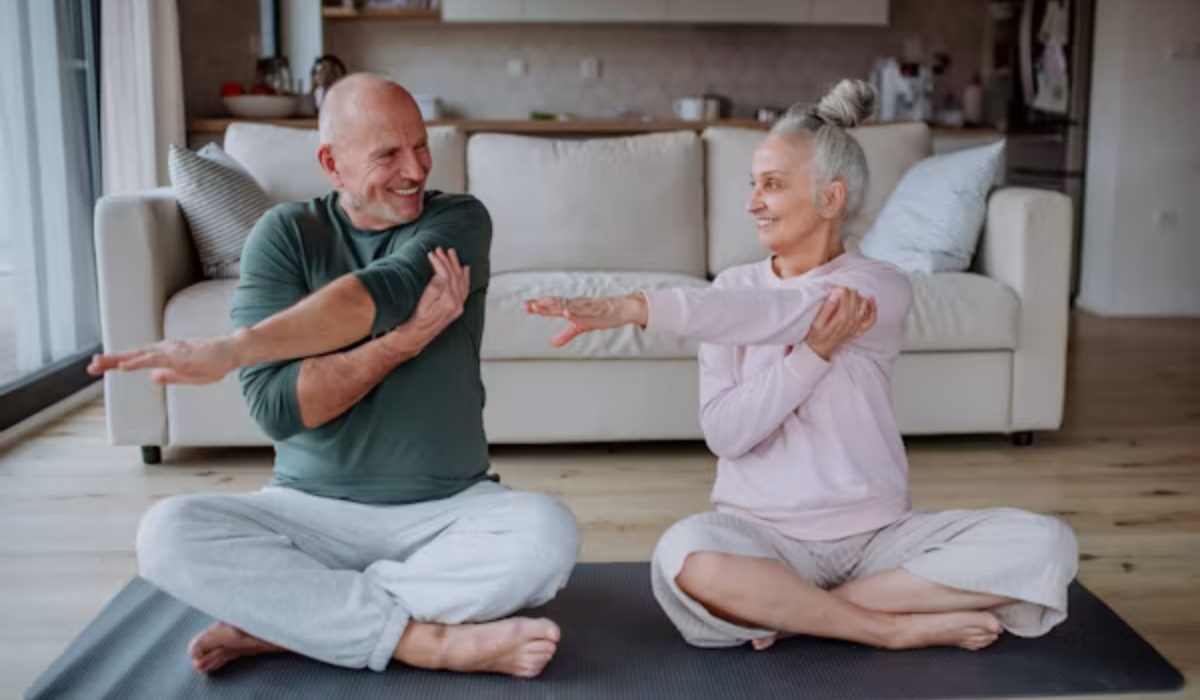
“Aging is inevitable. Losing confidence in your movement doesn’t have to be.”
Maybe you’ve started holding the handrail a little tighter. You think twice before stepping onto uneven ground. Standing on one leg while getting dressed feels less steady than it used to. It isn’t necessarily pain that worries you—it’s the feeling that your balance isn’t quite as reliable.
For many adults, these changes happen gradually. Muscles naturally lose strength over time. Joints become stiffer. Reflexes slow down. Even vision and inner ear changes can affect how stable you feel.
Balance isn’t just about preventing falls. It influences how confidently you walk, climb stairs, carry groceries, play with grandchildren, or stay active in the activities you enjoy.
Many people begin strength training or walking to stay mobile. Increasingly, yoga is also being recommended as a gentle, whole-body practice that supports stability, flexibility, and coordination.
But can yoga really improve balance as you age?
To answer that, it helps to understand why balance naturally changes over time—and what the body needs to stay steady.
Understanding Why Balance Changes with Age

Balance depends on several body systems working together continuously.
These include:
- Muscle strength
- Joint flexibility
- Vision
- Inner ear (vestibular system)
- Nervous system communication
- Core stability
- Body awareness (proprioception)
As we age, gradual changes occur in many of these systems.
Muscle mass naturally declines, making it harder to react quickly when you lose your footing. Joints may become less mobile, reducing your ability to adjust your posture. Nerves send signals more slowly, while the vestibular system inside the inner ear becomes less responsive.
Common signs include:
- Feeling less stable while walking
- Difficulty standing on one foot
- Slower reaction time
- Increased fear of falling
- Trouble walking on uneven surfaces
- Reduced confidence during daily activities
Many people assume these changes are unavoidable.
While aging itself cannot be stopped, research shows that regular movement and balance training can help the body adapt and maintain stability for longer.
Yoga is one approach that targets several of these systems simultaneously
How Yoga May Help Improve Balance
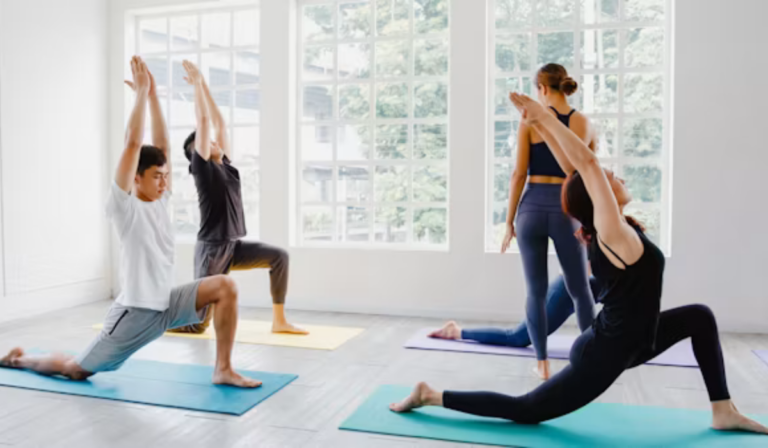
Yoga combines controlled movement, gentle strengthening, flexibility training, breathing, and mindful awareness.
Rather than focusing on one area alone, it trains multiple components of balance at the same time.
Here’s how it may help.
1. Improves Muscle Strength
Strong muscles provide the foundation for stable movement.
Many yoga poses strengthen:
- Legs
- Hips
- Core
- Ankles
- Back muscles
Improved strength helps the body respond more effectively when balance is challenged.
2. Enhances Body Awareness (Proprioception)
Balance depends on knowing where your body is in space.
Yoga encourages slow, controlled movements that improve communication between muscles, joints, and the brain.
Better proprioception may help:
- Improve coordination
- Increase stability
- Enhance movement confidence
3. Increases Joint Mobility
Restricted joints can limit your ability to recover from a loss of balance.
Gentle stretching may help improve mobility in:
- Ankles
- Hips
- Knees
- Spine
- Shoulders
Greater mobility allows smoother, more controlled movement.
4. Builds Core Stability
The core plays a major role in maintaining posture and preventing falls.
Yoga strengthens muscles throughout the abdomen, pelvis, and lower back, helping support:
- Upright posture
- Walking stability
- Better weight distribution
5. Improves Posture and Alignment
Poor posture shifts the body’s center of gravity.
Yoga encourages better alignment of the head, shoulders, spine, and hips, helping reduce unnecessary strain while improving overall stability.
6. Supports Faster Balance Recovery
Balance isn’t about never losing stability—it’s about recovering quickly when you do.
Many yoga poses safely challenge balance in a controlled environment, helping improve reaction time and postural control over time.
7. Reduces Fear of Falling
Fear itself can affect movement.
People who worry about falling often walk more cautiously, which can actually reduce natural balance.
Yoga helps build confidence through gradual progress, controlled movement, and increased body awareness.
8. Supports Healthy Aging Through Regular Movement
Consistent movement supports:
- Joint health
- Circulation
- Muscle endurance
- Functional mobility
These factors contribute to maintaining independence and quality of life as you age.
Age-Related Changes and Potential Benefits of Yoga
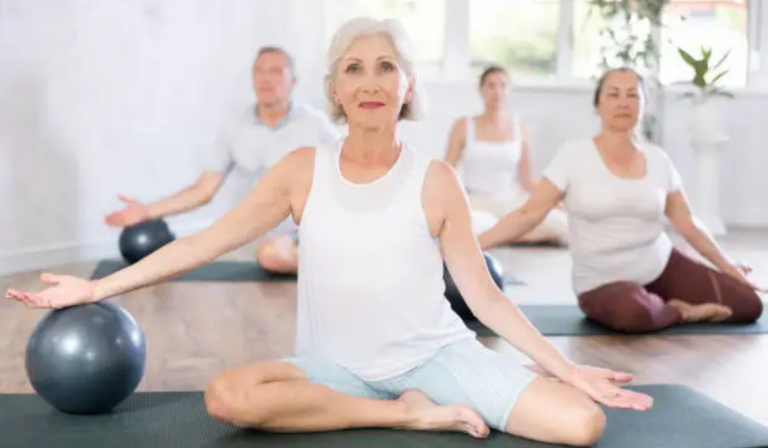
| Age-Related Change | Potential Benefits of Yoga |
|---|---|
| Reduced balance | Improved stability and coordination |
| Muscle weakness | Increased lower-body and core strength |
| Joint stiffness | Improved flexibility and mobility |
| Poor posture | Better spinal alignment |
| Fear of falling | Increased movement confidence |
| Slower reactions | Better body awareness and postural control |
| Reduced mobility | Easier everyday movement |
Yoga Poses Commonly Used to Improve Balance
A yoga program may include poses such as:
Tree Pose
Helps improve:
- Single-leg balance
- Hip stability
- Concentration
Mountain Pose
Builds awareness of:
- Proper posture
- Weight distribution
- Standing alignment
Warrior I and Warrior II
These poses strengthen:
- Legs
- Core
- Hips
while improving overall stability.
Chair Pose
Supports:
- Lower-body strength
- Knee stability
- Functional movement
Cat-Cow Stretch
Improves:
- Spinal mobility
- Body awareness
- Coordination
Supported Standing Balance Exercises
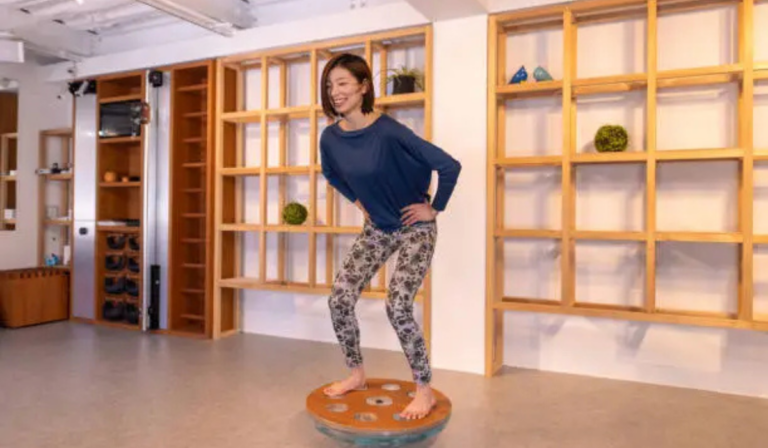
Using a chair or wall when needed allows beginners to practice safely while building confidence.
Every program should be modified according to individual ability and health status.
What to Expect During a Yoga Session
1. Initial Assessment
Your instructor may ask about:
- Current mobility
- Previous injuries
- Balance concerns
- Activity level
- Medical history affecting movement
This helps ensure exercises are appropriate and safe.
2. Gentle Warm-Up
Sessions usually begin with slow movements to prepare the muscles and joints while improving circulation.
3. Balance and Strength Practice
Exercises may focus on:
- Standing balance
- Core activation
- Lower-body strengthening
- Controlled transitions
- Flexibility
Supportive equipment such as chairs, blocks, or walls may be used when appropriate.
4. Guided Breathing
Breathing exercises encourage relaxation while improving focus and movement control.
Many participants find that steady breathing makes balance exercises feel more manageable.
5. Relaxation
Sessions often finish with gentle stretching and relaxation.
Many people notice:
- Reduced stiffness
- Greater confidence
- Improved posture
- A sense of calm
Consistency is more important than intensity when working on balance.
Who May Benefit from Yoga for Better Balance?
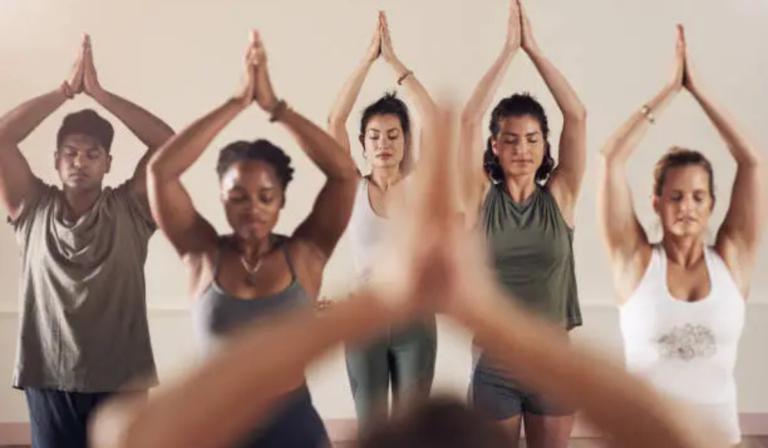
Yoga may be helpful for adults who have noticed reduced stability, stiffness, or less confidence during everyday movement. It may also benefit those who want to stay active as they age, improve posture, or strengthen the muscles that support balance.
Individuals recovering from prolonged inactivity or looking for a low-impact form of exercise often find yoga to be an accessible option.
Yoga works best as part of a well-rounded approach that may also include regular walking, strength training, balance exercises, adequate nutrition, and guidance from healthcare professionals when appropriate.
When to Be Cautious
Although yoga is generally safe for many people, some individuals may need modifications or medical clearance before beginning.
Speak with your healthcare provider if you:
- Have experienced recent falls
- Feel frequent dizziness or fainting
- Have severe osteoporosis
- Have uncontrolled heart or neurological conditions
- Recently had joint replacement or surgery
- Experience significant pain during movement
A qualified yoga instructor can modify poses, recommend supportive equipment, and adjust the practice to match your abilities.
Remember that balance exercises should challenge you—not place you at unnecessary risk.
When to Expect Results

Everyone progresses differently, depending on overall health, activity level, and consistency.
After the first few sessions
Many people notice improved body awareness, reduced stiffness, and greater confidence during simple movements.
After several weeks of regular practice
Standing balance, posture, flexibility, and lower-body strength often begin to improve.
With long-term practice
Many individuals experience greater stability during everyday activities, improved mobility, and increased confidence in their movement. Long-term consistency is often associated with better functional independence and overall quality of life.
FAQs

1. Can yoga improve balance in older adults?
Research suggests regular yoga practice may improve balance, coordination, strength, and confidence in many older adults.
2. Can yoga prevent falls?
No exercise can guarantee fall prevention, but improving strength, balance, and mobility may help reduce fall risk.
3. How often should I practice yoga for balance?
Many people benefit from practicing 2–4 times per week, depending on their goals and physical condition.
4. Is yoga safe if I already have poor balance?
Yes, provided the practice is modified appropriately and supervised when needed. Many poses can be performed using a chair or wall for support.
5. Do I need to be flexible before starting yoga?
No. Flexibility develops gradually with consistent practice.
6. Which type of yoga is best for improving balance?
Gentle, beginner-friendly, Hatha, chair, or therapeutic yoga are often good options for improving balance safely.
7. Can yoga help if I have arthritis?
Many people with arthritis benefit from modified yoga, but exercises should be adapted to individual needs and discussed with a healthcare provider.
8. Will yoga strengthen my legs?
Yes. Many standing poses strengthen the muscles of the legs, hips, and core that contribute to stability.
9. Can younger adults benefit from yoga for balance?
Absolutely. Balance training supports athletic performance, posture, injury prevention, and long-term mobility at every age.
10. Should yoga replace physical therapy?
No. Yoga is a supportive practice and should complement—not replace—physical therapy or other treatments recommended by your healthcare provider.
Building Confidence Through Every Step
Balance is something many people don’t think about until it begins to change. The good news is that movement, strength, and stability can often be supported at any age.
Yoga offers a gentle, structured way to improve balance, strengthen the body, and build confidence in everyday movement. When practiced consistently and tailored to your individual needs, it can become an important part of healthy aging—helping you move with greater stability, independence, and peace of mind for years to come.