“Healthy skin isn’t about vanity—it’s about taking care of the skin you’re in.”
You wash your face every day. Maybe you use the same soap you use on your body. If you shave regularly, you probably deal with razor burn, ingrown hairs, or irritation from time to time. By the end of the day, your skin often feels oily, dry, or just tired—but you don’t think much of it.
Then one day, you notice your complexion looks dull. Fine lines become more visible. Your pores seem larger, or breakouts appear more often than they used to. No matter how much you wash your face, your skin never quite feels clean.
Many men assume facials are simply a way to relax. In reality, professional facial treatments are designed to support skin health, improve common skin concerns, and help maintain healthier skin over time.
Today’s facials are tailored to different skin types and concerns—from acne and sensitivity to dryness, shaving irritation, and premature aging.
But what actually happens during a facial, and why can it benefit men’s skin?
To answer that, it helps to understand how men’s skin differs from women’s—and why it often requires a different approach to skincare.
Understanding Men's Skin
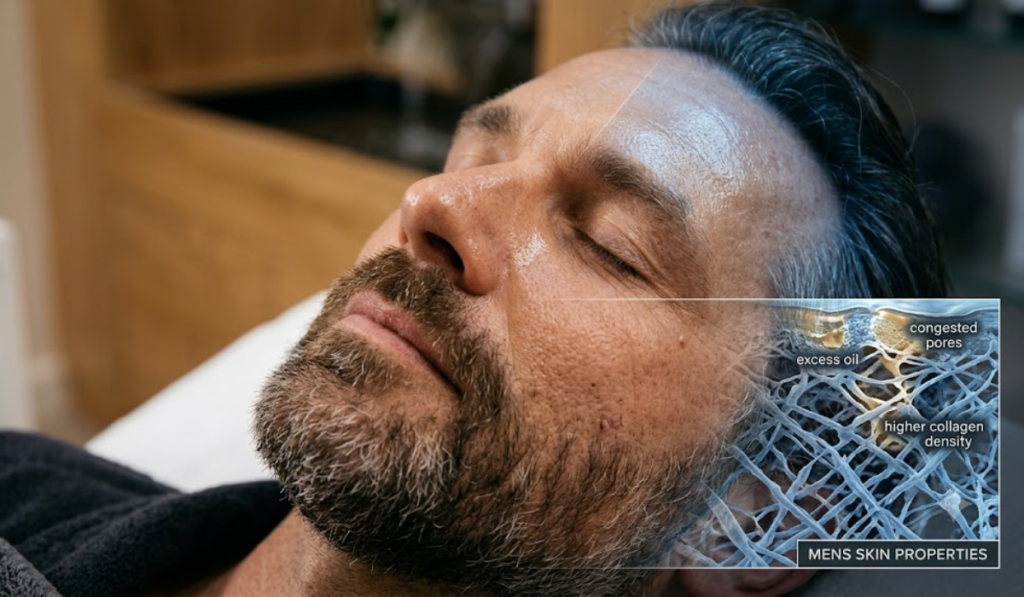
Although men’s and women’s skin share the same basic structure, there are several important biological differences.
- Men generally have:
- Thicker skin
- Larger pores
- Higher collagen density
- Greater oil production
- More active sebaceous glands
- Regular exposure to shaving
- These differences can make men's skin more prone to:
- Excess oil & Congested pores
- Blackheads
- Acne breakouts
- Razor burn & Ingrown hairs
- Uneven skin texture
- Early signs of environmental damage
Daily shaving also places repeated stress on the skin barrier. Small, invisible injuries caused by razors can contribute to irritation, redness, and sensitivity over time.
Even a good at-home skincare routine cannot always remove deeply embedded debris or provide the level of exfoliation and hydration that professional treatments can offer.
This is where professional facials may help.
What Is a Professional Facial?
Your body is doing something remarkable, and your back carries a lot of that
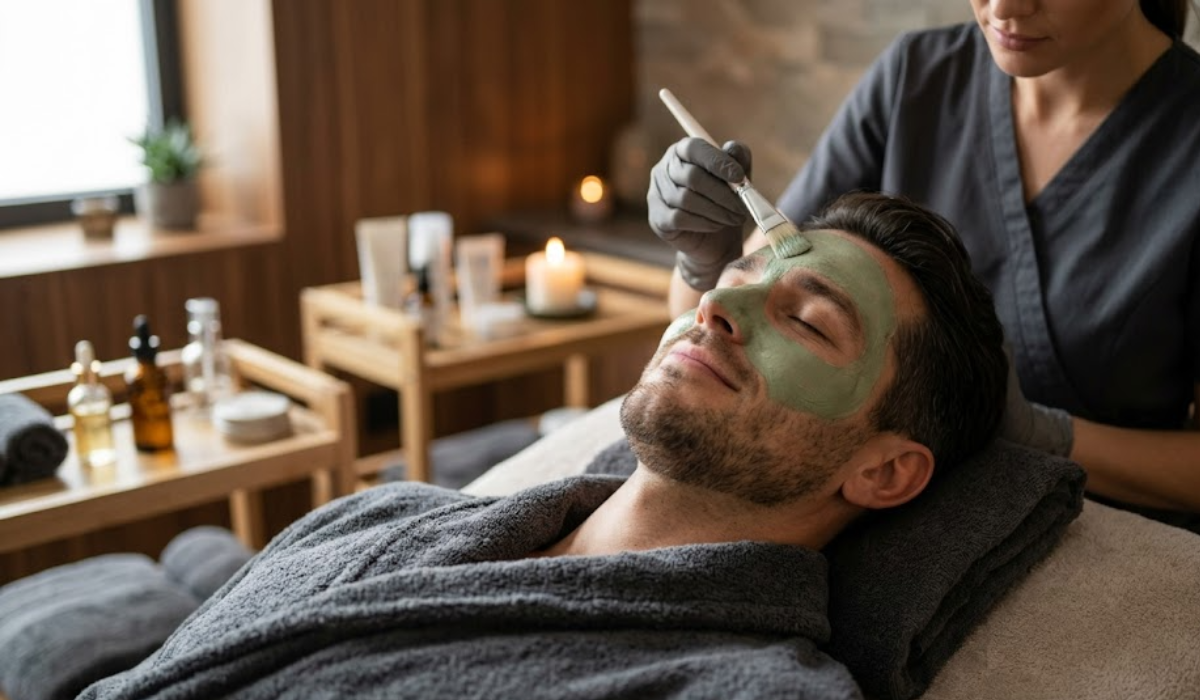
A facial is a customized skincare treatment that cleanses, exfoliates, hydrates, and nourishes the skin while addressing individual concerns.
Rather than simply “pampering” the skin, professional facials aim to support healthy skin function by removing buildup, improving hydration, and strengthening the skin barrier.
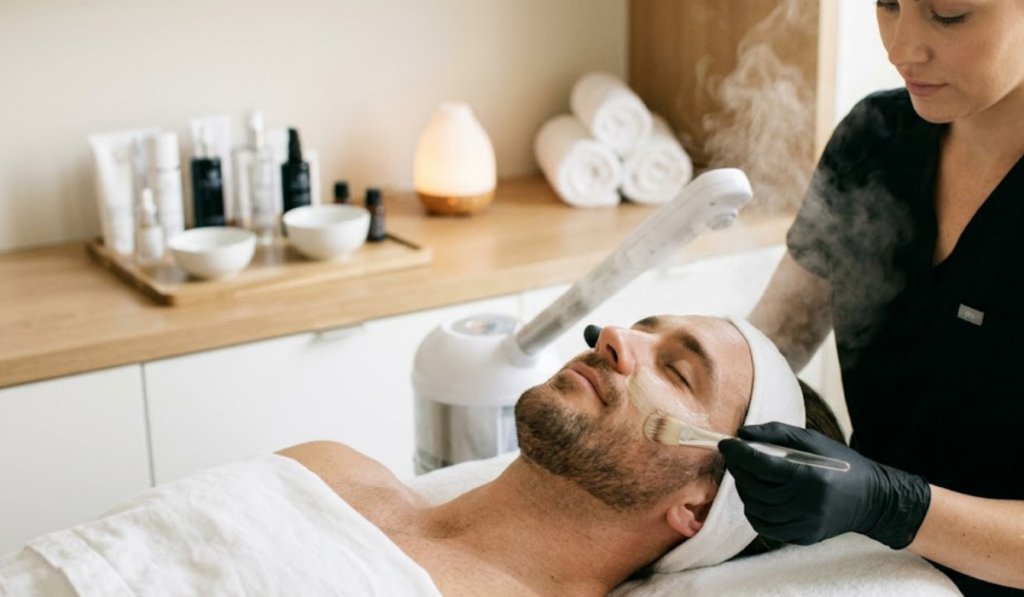
Depending on your skin’s needs, a facial may include:
- Deep cleansing
- Gentle exfoliation
- Steam
- Extractions (when appropriate)
- Hydrating masks
- Antioxidant or vitamin-rich serums
- Moisturizers
- Sun protection
Every treatment is adjusted based on your skin type, concerns, and goals.
load. A few changes work together:
- Relaxin. This pregnancy hormone loosens your joints and ligaments to prepare for birth. Helpful for delivery, but it can leave your lower back and pelvis feeling less stable and more achy.
- A shifting center of gravity. As your belly grows, your posture tilts forward. Your lower-back muscles work overtime to keep you upright, which leads to tension and fatigue.
- Added weight. Carrying extra weight puts more strain on your spine and hips.
- Stretching abdominal muscles. As your core stretches to make room for your baby, it offers less support to your back.
- Pelvic and posture changes. Your pelvis adjusts for birth, and small posture shifts can add up to real discomfort.
None of this means something is wrong. It means your body is adapting — and that adapting can hurt.
How Facials Support Men's Skin Health
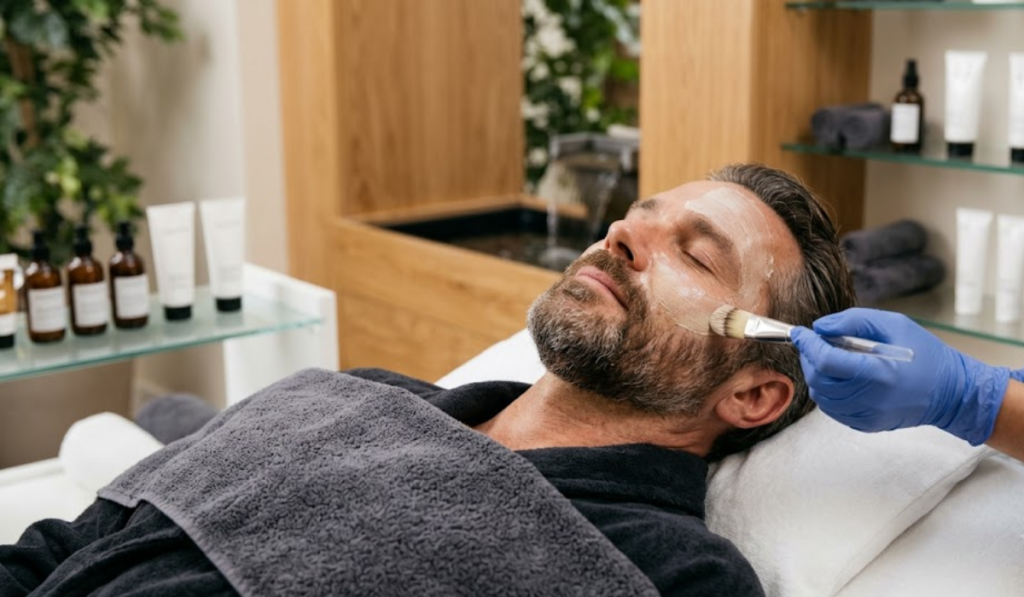
Professional facials work on several aspects of skin function—not just appearance.
1. Deeply Cleanses Congested Pores
Throughout the day, oil, sweat, dirt, sunscreen, and environmental pollutants accumulate on the skin.
Professional cleansing helps remove:
- Excess oil
- Dead skin cells
- Surface debris
- Pore congestion
Cleaner pores may reduce the likelihood of blackheads and blemishes.
2. Helps Reduce Razor Irritation
Frequent shaving can leave the skin irritated and inflamed.
Facials may help by:
- Hydrating freshly shaved skin
- Calming inflammation
- Supporting skin barrier recovery
- Softening facial hair before future shaving
Many men notice less post-shave discomfort after maintaining healthier skin.
3. Improves Hydration
Healthy skin needs adequate moisture—even if it feels oily.
Professional hydration treatments may help:
- Restore moisture balance
- Improve skin softness
- Reduce tightness
- Support the skin barrier
Hydrated skin often appears healthier and more resilient.
4. Improves Skin Texture
Dead skin buildup can make the complexion feel rough and uneven.
Gentle exfoliation may help:
- Smooth rough patches
- Improve skin texture
- Brighten dull-looking skin
- Promote healthier cell turnover
5. Helps Manage Acne and Breakouts
Men often produce more oil than women due to hormonal influences.
Professional facials may help support acne-prone skin by:
- Removing excess oil
- Keeping pores clearer
- Reducing congestion
- Supporting healthier skin balance
Facials should complement—not replace—medical acne treatment when needed.
6. Supports Healthy Aging
Collagen naturally declines with age.
Professional facials may help support:
- Skin hydration
- Improved elasticity
- Smoother appearance
- Reduced appearance of fine lines
While facials cannot stop aging, they can help maintain healthier-looking skin.
7. Supports Better Absorption of Skincare Products
When dead skin cells and excess oil are removed, moisturizers and serums often absorb more effectively.
This allows your home skincare routine to work more efficiently.
Common Skin Concerns and Potential Benefits of Facials
| Type of back pain | What it often feels like | How prenatal massage may help |
| Lower-back (lumbar) | A dull ache or tightness low in the back, often worse with standing | Eases muscle tension around the spine and hips |
| Posterior pelvic pain | A deep ache in the back of the pelvis or buttocks, worse on stairs or rolling over in bed | Gentle work on the hips and glutes may relieve tension |
| Sciatica-type pain | Sharp or shooting pain from the lower back down one leg | May ease surrounding muscle tightness; true nerve issues should be checked by your provider |
| Upper back and shoulders | Tightness from posture and breast changes | Relaxes neck and shoulder tension |
Professional facials are often combined with a personalized home skincare routine for longer-lasting results.
Types of Facials Commonly Recommended for Men
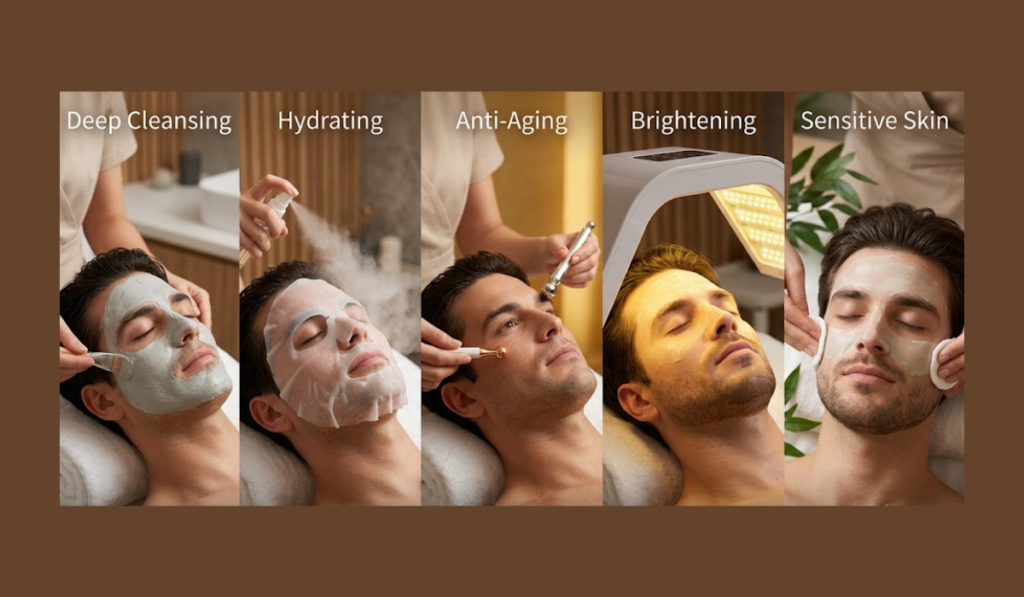
Different skin concerns benefit from different facial treatments.
Deep Cleansing Facial
Ideal for oily, congested, or acne-prone skin.
Focuses on:
- Pore cleansing
- Oil control
- Gentle exfoliation
Hydrating Facial
Best for dry, dehydrated, or sensitive skin.
Designed to:
- Restore moisture
- Improve skin comfort
- Support barrier function
Anti-Aging Facial
Often includes antioxidant-rich products that help improve hydration and support healthier-looking skin.
Brightening Facial
May help improve uneven tone and dullness while promoting a fresher complexion.
Sensitive Skin Facial
Uses calming ingredients to reduce irritation and support skin recovery.
What to Expect During Your First Facial
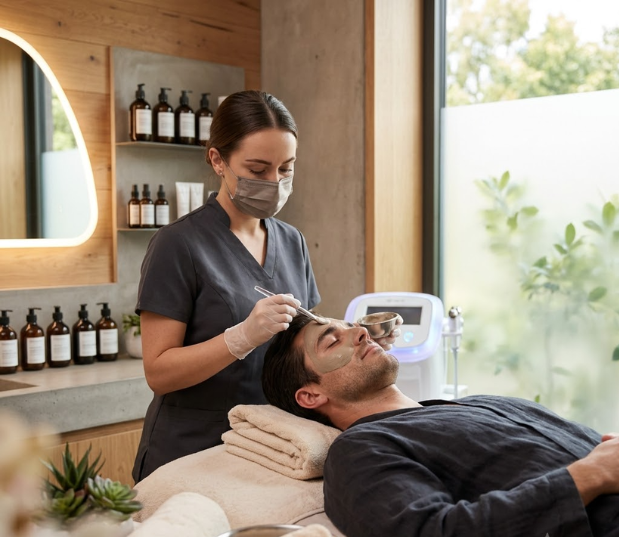
1. Skin Consultation
Your skincare professional will assess:
- Skin type
- Current concerns
- Shaving habits
- Lifestyle factors
- Existing skincare routine
This helps personalize your treatment.
2. Cleansing and Analysis
The skin is cleansed before a closer evaluation identifies areas of congestion, dryness, or sensitivity.
3. Customized Treatment
Depending on your skin’s needs, treatment may include:
- Exfoliation
- Steam
- Extractions (if appropriate)
- Hydrating masks
- Professional serums
- Moisturizer
- SPF application
4. After Your Facial
Many people notice:
- Cleaner-feeling skin
- Improved hydration
- Softer texture
- A healthier-looking complexion
Your provider may also recommend products or routines to maintain your results.
Who May Benefit from Professional Facials?
Professional facials can benefit men of all skin types, whether they’re dealing with oily skin, dryness, acne, sensitivity, or early signs of aging.
They may be especially helpful for individuals who shave regularly, spend long hours outdoors, exercise frequently, or work in environments where dirt, sweat, or pollution accumulate on the skin.
Even if you don’t have a specific skin concern, regular facials can be a valuable part of preventive skincare, helping maintain healthy skin before problems become more noticeable.
When combined with a consistent home skincare routine, daily sun protection, and healthy lifestyle habits, professional facials can support healthier skin throughout every stage of life.
When to Be Cautious
- Have active skin infections
- Have open cuts or wounds
- Experience severe inflammatory acne
- Have recently undergone chemical peels or laser treatments
- Have known allergies to skincare ingredients
When to Expect Results
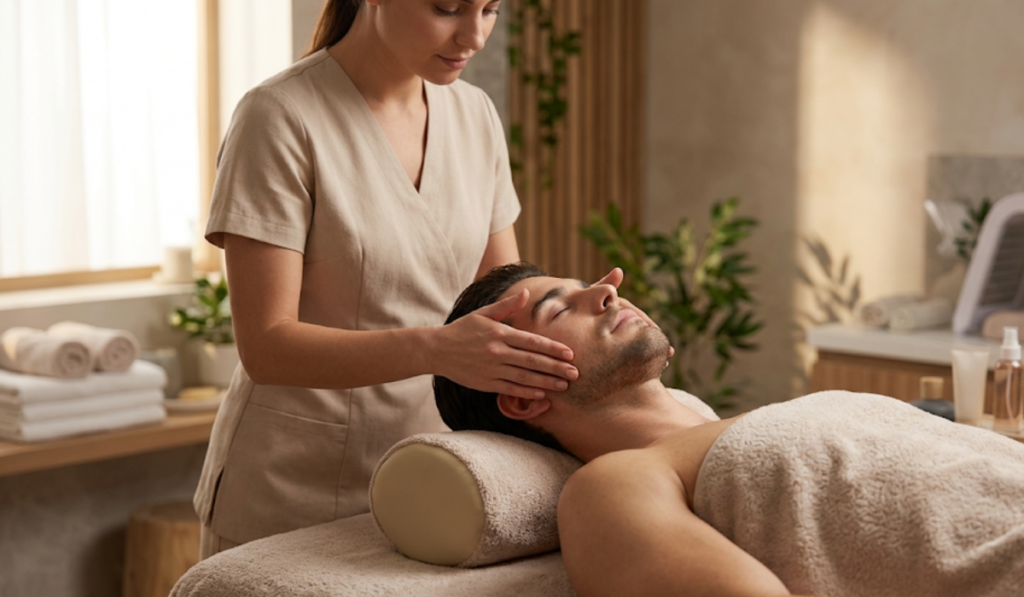
After your first facial
Many men notice smoother skin, improved hydration, and a healthier-looking complexion almost immediately.
After several treatments
Pore congestion, skin texture, and overall skin clarity often continue to improve with consistent care.
With regular maintenance
Professional facials, combined with a personalized skincare routine, can help maintain healthier skin, improve comfort after shaving, and support long-term skin health.
FAQs
1. Are facials only for women?
No. Professional facials are beneficial for both men and women and can be customized to men’s unique skin concerns.
2. How often should men get a facial?
Many skincare professionals recommend every 4–6 weeks, depending on your skin type and goals.
3. Can facials help with razor burn?
Yes. Hydrating and soothing treatments may help calm irritated skin and support recovery after shaving.
4. Will a facial help acne?
Facials may help reduce congestion and excess oil, but moderate or severe acne should also be evaluated by a healthcare professional.
5. Should I shave before my facial?
Ask your provider for specific guidance. Many recommend shaving the day before rather than immediately before treatment.
6. Are extractions painful?
Some pressure may be felt, but professional extractions are performed carefully to minimize discomfort.
7. Can I return to work after a facial?
Yes. Most facials require little to no downtime.
8. Do facials help with aging skin?
They can support hydration, improve skin texture, and reduce the appearance of fine lines, but they do not stop the natural aging process.
9. What skincare products should I use after a facial?
Your provider may recommend a simple routine that includes a gentle cleanser, moisturizer, and broad-spectrum sunscreen.
10. Can men with sensitive skin get facials?
Yes. Treatments can be modified using gentle products designed for sensitive or reactive skin.
Healthy Skin Is Part of Overall Self-Care
Taking care of your skin isn’t about changing how you look—it’s about supporting one of your body’s most important protective barriers.
Professional facials offer more than relaxation. They help cleanse, hydrate, and maintain healthier skin while addressing concerns such as shaving irritation, congestion, dryness, and early signs of aging.
When performed by trained skincare professionals and combined with a consistent home routine, regular facials can become an important part of maintaining healthy, comfortable skin for years to come.