“The body heals best when it has the chance to truly rest.”
You finished your workout hours ago, but your body still feels restless. Your muscles are tired, yet your mind won’t slow down. You finally get into bed hoping for a good night’s sleep, only to toss and turn or wake up feeling like you never fully recovered.
It’s a frustrating cycle.
Whether you’re physically active, managing a busy schedule, or simply dealing with everyday stress, recovery doesn’t end when your workout does. Your body relies on quality sleep to repair muscles, restore energy, regulate hormones, and prepare for the next day.
Many people focus on exercise and nutrition but overlook one of the most important parts of recovery—how well they rest.
Alongside healthy sleep habits, yoga has become an increasingly popular practice for supporting relaxation, improving sleep quality, and helping the body recover more effectively.
But how can gentle movement before bed actually influence the way you sleep and recover?
To answer that, it helps to understand what happens inside the body during sleep and why recovery depends on it.
Understanding Sleep and Recovery

Sleep is one of the body’s most important recovery processes.
During sleep, the body works to:
- Repair muscles and connective tissues
- Restore energy stores
- Regulate hormones
- Support immune function
- Consolidate memory and learning
- Maintain nervous system balance
When sleep is disrupted or shortened, recovery may become less efficient.
Poor sleep may contribute to:
- Persistent fatigue
- Slower muscle recovery
- Increased muscle soreness
- Reduced exercise performance
- Difficulty concentrating
- Elevated stress levels
- Lower energy throughout the day
Recovery is also influenced by the nervous system.
When the body remains in a heightened “fight-or-flight” state because of stress, late-night screen use, intense exercise, or anxiety, it becomes more difficult to transition into restful sleep.
Yoga helps address several of these factors simultaneously.
How Yoga May Support Better Sleep and Recovery
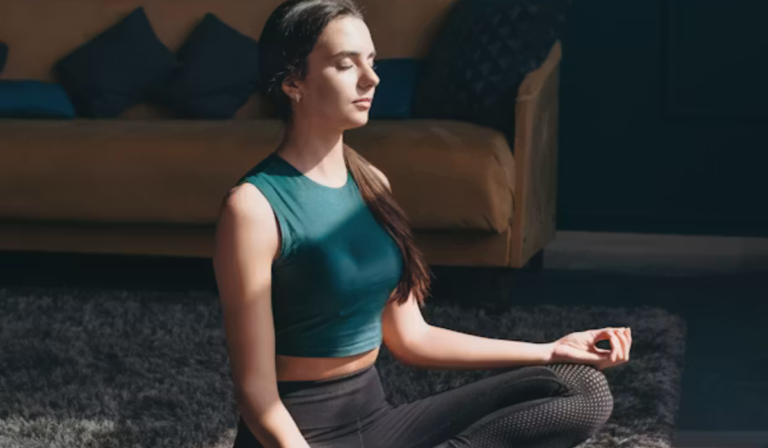
Yoga combines gentle movement, breathing exercises, and mindfulness to encourage physical relaxation and nervous system regulation.
Here are several ways it may help.
1. Calms the Nervous System
Throughout the day, the sympathetic nervous system keeps the body alert and prepared for activity.
Yoga encourages activation of the parasympathetic nervous system—the body’s natural “rest and recover” mode.
This shift may help:
- Slow heart rate
- Reduce stress hormone activity
- Promote feelings of relaxation
- Prepare the body for sleep
2. Releases Muscle Tension
Physical activity, prolonged sitting, and daily stress often leave muscles feeling tight.
Gentle yoga stretches may help:
- Relax overworked muscles
- Improve flexibility
- Reduce physical tension
- Increase overall comfort before bedtime
Many people find it easier to fall asleep when their body feels physically relaxed.
3. Supports Healthy Breathing Patterns
Breathing often becomes shallow during periods of stress.
Yoga emphasizes slow, controlled breathing that may help:
- Improve oxygen exchange
- Encourage relaxation
- Reduce feelings of restlessness
- Support a smoother transition into sleep
4. Promotes Better Sleep Quality
Consistent yoga practice may help establish healthier sleep patterns by reducing physical and mental tension.
Many individuals report improvements in:
- Falling asleep more easily
- Staying asleep longer
- Feeling more refreshed upon waking
- Overall sleep quality
5. Supports Muscle Recovery
Although yoga is gentle, it encourages circulation throughout the body.
Healthy circulation helps deliver oxygen and nutrients to muscles while supporting the removal of metabolic byproducts produced during exercise.
This may contribute to more comfortable recovery following physical activity.
6. Helps Reduce Stress and Mental Overactivity
One of the biggest barriers to restful sleep is a busy mind.
Mindfulness and breathing practices used in yoga may help:
- Quiet racing thoughts
- Improve emotional regulation
- Reduce bedtime stress
- Encourage mental relaxation
7. Encourages Consistent Recovery Habits
Practicing yoga regularly creates a predictable routine that signals the body it’s time to slow down.
Consistent evening routines are associated with healthier sleep habits and improved overall recovery.
Sleep Challenges and Potential Benefits of Yoga
| Sleep Challenge | Potential Benefits of Yoga |
|---|---|
| Difficulty falling asleep | Promotes relaxation before bedtime |
| Frequent nighttime waking | Supports nervous system regulation |
| Muscle soreness after exercise | Gentle stretching and circulation |
| Stress-related sleep disruption | Improved relaxation and breathing |
| Physical tension | Reduced muscle tightness |
| Feeling unrested | Supports healthier recovery routines |
| Busy mind at bedtime | Encourages mindfulness and calm |
Yoga Practices That May Support Better Sleep
Different yoga styles can support relaxation in different ways.
Restorative Yoga
Uses supported poses held for longer periods to encourage deep relaxation with minimal physical effort.
Gentle Hatha Yoga
Focuses on slow movements, stretching, and controlled breathing that prepare the body for rest.
Yin Yoga
Involves longer-held stretches that target connective tissues while encouraging mindfulness and relaxation.
Breathing Exercises (Pranayama)
Slow breathing techniques help calm the nervous system and prepare the body for sleep.
Guided Relaxation
Many sessions conclude with meditation or relaxation practices that help quiet the mind before bedtime.
The best approach depends on your comfort level, physical condition, and personal goals.
What to Expect During a Yoga Session for Sleep Support
1. Initial Assessment
Your instructor may ask about:
- Sleep habits
- Daily activity level
- Areas of tension
- Stress levels
- Previous injuries
This helps create a safe and appropriate practice.
2. Gentle Movement
Sessions usually begin with slow stretches that focus on:
- Neck and shoulders
- Back
- Hips
- Hamstrings
The goal is to release physical tension rather than provide an intense workout.
3. Breathing Practice
Controlled breathing is integrated throughout the session to encourage relaxation and improve body awareness.
4. Guided Relaxation
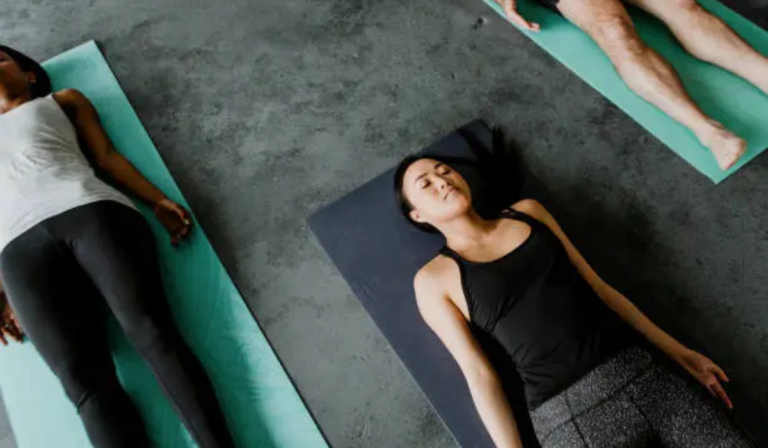
Many sessions end with quiet relaxation or meditation.
Participants often notice:
- Reduced muscle tension
- Slower breathing
- A calmer mind
- A greater sense of physical comfort
5. After Practice
Some individuals experience:
- Easier transitions into sleep
- Reduced bedtime tension
- Improved sleep quality over time
- Better recovery after physical activity
Like many wellness practices, benefits tend to build with consistency.
Who May Benefit from Yoga for Sleep and Recovery?
Yoga may be beneficial for individuals who have trouble unwinding at the end of the day, wake up feeling unrested, or experience muscle tightness after exercise or long periods of sitting. It may also help those managing stress-related sleep challenges, busy schedules, or physically demanding routines that leave the body feeling fatigued.
For active individuals, yoga can complement training by supporting flexibility, relaxation, and recovery between workouts. For others, it simply offers a gentle way to prepare both the body and mind for a more restful night.
When combined with good sleep hygiene, regular physical activity, balanced nutrition, and guidance from a healthcare provider when appropriate, yoga can become an important part of a healthy recovery routine.
When to Be Cautious
Yoga is generally safe for most people, but some situations may require modifications or professional guidance.
Speak with your healthcare provider before beginning a new yoga routine if you:
- Have recently undergone surgery
- Experience severe joint or back pain
- Have uncontrolled cardiovascular or neurological conditions
- Experience dizziness or balance problems
- Are pregnant and beginning yoga for the first time
If your sleep problems persist for several weeks, are accompanied by loud snoring, breathing pauses during sleep, or excessive daytime fatigue, consult a healthcare professional. Persistent sleep difficulties may indicate an underlying medical condition that requires evaluation.
When to Expect Results

Everyone responds differently depending on stress levels, sleep habits, and consistency of practice.
After the first few sessions
Many people notice reduced muscle tension, a calmer mind, and an easier time relaxing before bed.
After several weeks of regular practice
Sleep quality, bedtime relaxation, and overall recovery often become more consistent as yoga becomes part of a healthy evening routine.
With long-term practice
Many individuals experience lasting improvements in sleep quality, stress management, physical recovery, and overall well-being. Consistency, combined with healthy sleep habits and regular movement, typically provides the greatest long-term benefits.
FAQs

1. Can yoga improve sleep quality?
Research suggests yoga may help improve sleep quality by promoting relaxation and supporting healthy nervous system function.
2. Is yoga better before bed or in the morning?
Gentle yoga is often practiced in the evening to support relaxation, while morning yoga may improve mobility and energy. Both have benefits depending on your goals.
3. Can yoga help muscle recovery after exercise?
Yes. Gentle movement, stretching, and improved circulation may help support recovery after physical activity.
4. Which type of yoga is best for sleep?
Restorative yoga, Yin yoga, and gentle Hatha yoga are commonly recommended for relaxation and sleep support.
5. How often should I practice yoga for better sleep?
Many people benefit from practicing 3–5 times per week, although even shorter, consistent sessions may be helpful.
6. Can yoga replace sleep?
No. Yoga supports relaxation and recovery but cannot replace the restorative benefits of adequate sleep.
7. Can yoga reduce nighttime stress?
Many people find that breathing exercises and mindfulness practices help reduce stress and make it easier to relax before bedtime.
8. Is it okay to do yoga after an intense workout?
Yes. Gentle recovery-focused yoga is commonly used to support flexibility and muscle relaxation after exercise.
9. Can beginners practice yoga for sleep?
Absolutely. Gentle yoga can be adapted for individuals of all ages and experience levels.
10. Will yoga help if I have chronic insomnia?
Yoga may support relaxation and healthy sleep habits, but persistent insomnia should be evaluated by a healthcare professional to identify any underlying medical causes.
Rest Well. Recover Better.
Recovery doesn’t happen only in the gym—it happens while your body rests, repairs, and prepares for the day ahead.
Yoga offers a gentle, structured way to support better sleep, ease physical tension, and help the body transition into recovery mode. When practiced consistently alongside healthy sleep habits and an active lifestyle, it can become a valuable tool for improving both nightly rest and long-term well-being.