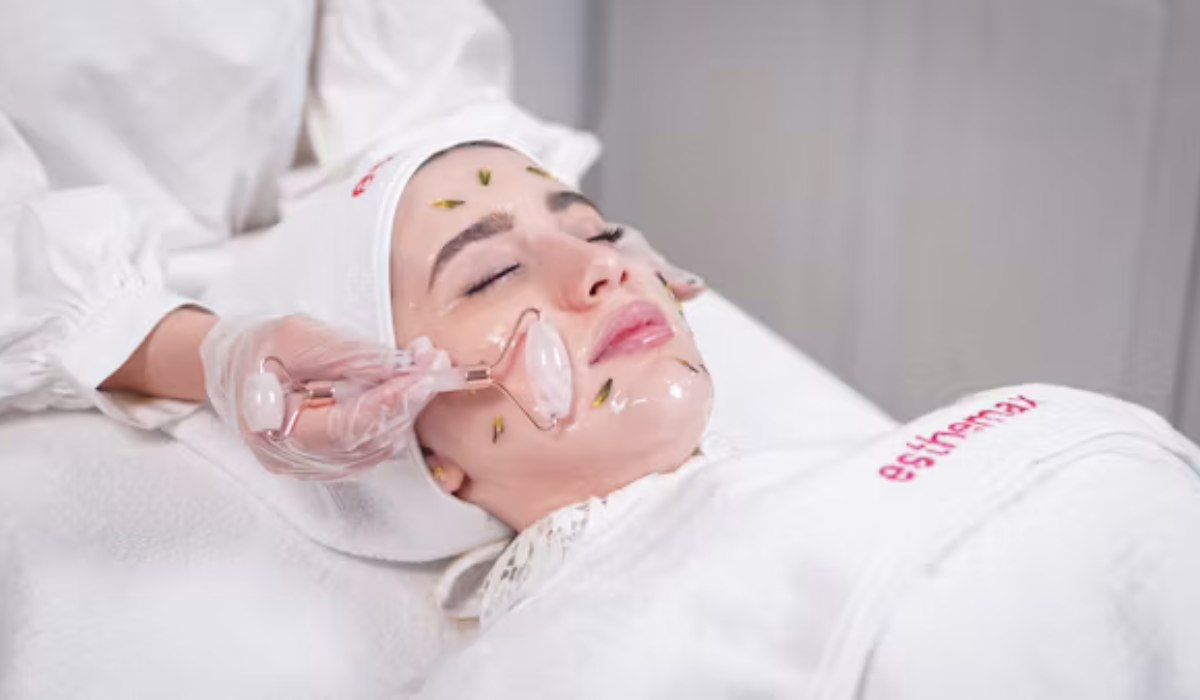
What Is the Difference Between a Spa Facial and a Medical Facial?
Facials are often associated with relaxation, glowing skin, and self-care.
However, not all facial treatments are designed with the same purpose.
Some focus primarily on creating a calming spa experience, while others are developed to address specific skin concerns through clinically guided treatment plans.
Understanding the difference between a spa facial and a medical facial can help individuals make informed decisions based on their skin type, concerns, and long-term skincare goals.
At Circle Wellness in Melville, NY, medical facials are personalized according to individual skin assessments and wellness considerations, helping patients receive care that aligns with both skin health and overall treatment objectives.
In clinical practice, individuals experiencing persistent acne, dehydration, uneven skin tone, or early signs of aging may benefit from discussing medically guided facial options with a qualified skincare professional.
What Is a Spa Facial?
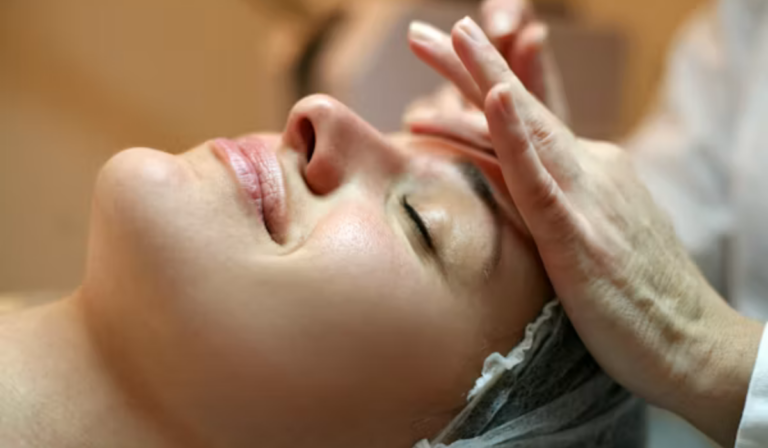
A spa facial is primarily designed to promote relaxation while improving the temporary appearance and feel of the skin.
A traditional spa facial commonly includes:
- Gentle cleansing
- Light exfoliation
- Facial massage
- Hydrating masks
- Moisturizers
- Aromatherapy or relaxation techniques
The primary focus is often:
- Comfort
- Stress reduction
- Temporary hydration
- Skin refreshment
- Self-care
Spa facials are generally appropriate for individuals looking to maintain healthy-looking skin without targeting complex dermatological concerns.
Quick Answer: What Is the Main Difference?
The primary difference is the purpose of treatment.
A spa facial focuses mainly on relaxation, routine skincare maintenance, and temporary skin refreshment.
A medical facial is typically performed in a medically supervised environment and is designed to address specific skin concerns through individualized treatment planning.
Both approaches may support skin health, but they serve different roles depending on a person’s skincare needs and goals.
What Is a Medical Facial?
A medical facial is a customized skincare treatment performed in a clinical or medical wellness setting.
Unlike traditional spa facials, medical facials often begin with a detailed skin assessment to evaluate factors such as:
- Skin type
- Barrier health
- Acne severity
- Pigmentation concerns
- Signs of aging
- Sensitivity levels
- Hydration status
Treatment recommendations are then tailored to the individual’s skin condition rather than following a standard facial routine.
Depending on provider assessment, a medical facial may include:
- Professional cleansing
- Advanced exfoliation techniques
- Gentle extractions
- Hydration-focused therapies
- Barrier-supportive treatments
- Targeted skincare ingredients
The goal is not only to improve the skin’s appearance but also to support long-term skin health through personalized care.
How Treatment Goals Differ
Although both treatments involve skincare, their objectives are often different.
Spa Facial Goals
A spa facial is commonly chosen to:
- Relax and unwind
- Refresh the skin
- Maintain healthy-looking skin
- Support temporary hydration
- Promote a calming experience
Medical Facial Goals
A medical facial is typically recommended to help address concerns such as:
- Acne-prone skin
- Congested pores
- Uneven skin texture
- Dehydrated skin
- Early visible signs of aging
- Skin barrier support
- Post-inflammatory discoloration
Treatment recommendations vary depending on the individual’s skin assessment and overall skincare goals.
How Skin Assessments Influence Medical Facials

One of the most important differences between spa facials and medical facials is the level of evaluation performed before treatment.
In many medical wellness settings, providers assess:
- Current skincare routine
- Medical history
- Active skin conditions
- Previous treatments
- Medication use
- Skin sensitivity
- Lifestyle factors
This evaluation helps determine which treatments and products may be appropriate while reducing the likelihood of unnecessary irritation.
The Role of Medical Oversight
Medical oversight may play an important role when treating individuals with ongoing skin concerns.
Professionally guided skincare planning may help support:
- Appropriate treatment selection
- Skin barrier preservation
- Safer ingredient recommendations
- Individualized treatment intervals
- Better long-term skincare planning
Rather than relying solely on a one-size-fits-all facial, medical facials are often adjusted as skin needs change over time.
Why Personalization Matters

No two individuals have identical skin.
Factors such as:
- Age
- Hormonal changes
- Lifestyle habits
- Sun exposure
- Existing skin conditions
- Product sensitivities
may all influence treatment planning.
Personalized skincare may help improve comfort, support healthier-looking skin, and reduce unnecessary irritation compared with standardized facial treatments.
Spa Facial vs Medical Facial: Key Differences

| Feature | Spa Facial | Medical Facial |
|---|---|---|
| Primary Goal | Relaxation and routine skincare | Address specific skin concerns through personalized care |
| Initial Assessment | Basic skin evaluation | Comprehensive skin assessment |
| Treatment Planning | Standard facial protocol | Customized based on skin condition |
| Active Ingredients | General skincare products | Professional-grade products selected for individual needs |
| Technology | Traditional facial techniques | May include advanced skincare technologies |
| Best For | Routine maintenance and relaxation | Acne, dehydration, aging concerns, pigmentation, and sensitive skin |
| Medical Oversight | Typically not required | Often performed under medically guided protocols |
| Personalization | Moderate | High |
What to Expect During a Medical Facial
Although every treatment is personalized, many medical facials follow a structured clinical protocol.
Comprehensive Skin Assessment
Every treatment begins with an evaluation of your skin.
Providers may assess:
- Skin type
- Hydration levels
- Barrier health
- Acne activity
- Pigmentation
- Sensitivity
- Current skincare products
- Treatment goals
This assessment helps determine which techniques and products may be most appropriate for your skin.
Gentle Skin Preparation
Before advanced treatment begins, the skin is thoroughly cleansed to remove:
- Makeup
- Sunscreen
- Oil
- Surface debris
- Environmental impurities
Proper preparation helps create an optimal treatment environment.
Customized Treatment
Unlike standard facials, no two medical facials are exactly alike.
Depending on the skin assessment, treatment may include:
- Gentle exfoliation
- Professional facial extractions
- Hydration therapies
- Barrier-supportive treatments
- Calming masks
- Professional-grade serums
Each component is selected according to individual skin needs.
Post-Treatment Protection
Medical facials often conclude with products designed to help:
- Support hydration
- Protect the skin barrier
- Reduce temporary sensitivity
- Maintain treatment results
Patients may also receive personalized skincare recommendations for home care.
Who May Benefit From a Medical Facial?
Medical facials are commonly considered by individuals experiencing:
- Persistent acne or congestion
- Blackheads and clogged pores
- Dehydrated skin
- Uneven skin tone
- Rough texture
- Early visible signs of aging
- Sensitive or reactive skin
- Skin barrier concerns
In clinical practice, many individuals choose medical facials because they want more personalized care than a traditional spa facial can typically provide.
Is a Spa Facial Ever the Better Choice?
Absolutely.
Not everyone requires a medical facial.
A traditional spa facial may be appropriate for individuals who simply want to:
- Relax
- Maintain healthy-looking skin
- Enjoy occasional self-care
- Improve temporary skin hydration
- Refresh their complexion
Choosing the right facial depends on your individual goals rather than assuming one treatment is universally better than the other.
Clinical Perspective
Educational resources supported through the National Institutes of Health (NIH) continue to emphasize the importance of maintaining skin barrier function and selecting skincare approaches that are appropriate for an individual’s skin condition.
For example, someone with healthy skin seeking relaxation may benefit from routine spa facial maintenance, while another individual experiencing persistent congestion, acne, or barrier disruption may benefit from a more individualized treatment plan developed in a medically guided setting.
Because every person’s skin is different, skincare recommendations should be tailored rather than standardized.
Potential Risks and Considerations
Whether choosing a spa facial or a medical facial, some individuals may experience temporary effects such as:
- Mild redness
- Temporary sensitivity
- Slight tightness
- Minor irritation depending on products used
Medical facials may involve additional evaluation before treatment to help reduce unnecessary risks, particularly for individuals with:
- Active acne flare-ups
- Rosacea
- Eczema
- Allergic skin reactions
- Compromised skin barriers
Professional assessment helps determine the most appropriate treatment approach.
When Should You Consider a Medical Evaluation?

Individuals experiencing the following may benefit from professional skin evaluation before scheduling a facial:
- Persistent acne that does not improve with routine skincare
- Frequent inflammatory breakouts
- Sudden pigmentation changes
- Chronic skin irritation
- Unexplained redness
- Recurrent skin infections
While facials may support overall skin health, some skin conditions require broader dermatological evaluation and individualized treatment planning.
Why Choosing the Right Treatment Setting Matters
A facial is more than the products applied to your skin—it is also influenced by where the treatment is performed and how recommendations are made.
A medically guided environment may offer additional benefits through:
- Individualized skin assessments
- Professional treatment planning
- Evidence-informed product selection
- Ongoing skin monitoring
- Personalized home skincare recommendations
Rather than following the same routine for every patient, treatment plans can be adjusted as skin conditions, goals, and responses change over time.
Supporting Long-Term Skin Health
Healthy skin is rarely achieved through a single treatment.
Long-term skin health often depends on a combination of:
- Consistent skincare habits
- Sun protection
- Lifestyle factors
- Hydration
- Appropriate professional treatments
- Regular skin evaluations when needed
Whether someone chooses a spa facial or a medical facial, consistency and individualized care often play a greater role than any single appointment.
FAQs

Is a medical facial better than a spa facial?
Not necessarily. A spa facial is often ideal for relaxation and routine maintenance, while a medical facial may be more appropriate for individuals seeking personalized care for concerns such as acne, dehydration, uneven skin tone, or early signs of aging.
Can I get a medical facial if I have sensitive skin?
Many individuals with sensitive skin may be candidates for a medical facial because treatments can often be customized based on skin sensitivity and barrier health. Suitability should be determined through a professional skin assessment.
How often should I schedule a medical facial?
Treatment frequency varies depending on skin type, concerns, and goals. Many individuals are advised to schedule treatments every 4–6 weeks, although recommendations are personalized.
Do medical facials involve downtime?
Most medical facials involve little to no downtime. However, temporary redness or mild sensitivity may occur depending on the techniques or professional-grade products used during treatment.
Can a medical facial help with acne?
Medical facials may support individuals with mild to moderate acne by addressing congestion, excess oil, and overall skin health. Persistent or severe acne may require additional medical evaluation and treatment.
Are medical facials safe?
When performed by qualified professionals following appropriate clinical protocols, medical facials are generally considered safe for suitable candidates. Individual responses and treatment recommendations may vary.
Personalized Skincare Starts With the Right Approach

Both spa facials and medical facials have an important place in modern skincare.
A spa facial may be the right choice for relaxation, routine maintenance, and temporary skin refreshment.
A medical facial, on the other hand, is designed to go beyond relaxation by addressing specific skin concerns through personalized assessment, professional guidance, and evidence-informed treatment planning.
Rather than asking which facial is “better,” the more meaningful question is which approach best supports your skin’s current needs and long-term health goals.
At Circle Wellness, every treatment begins with understanding your skin—not simply selecting a standard facial. Through individualized evaluations and clinically guided care, treatment recommendations are tailored to support healthier-looking skin while respecting your skin barrier and overall wellness.
Book a Personalized Skin Consultation
If you’re unsure whether a spa facial or a medical facial is the right choice, a professional skin assessment can help identify the treatment approach that best aligns with your skin’s current condition and long-term goals.
At Circle Wellness in Melville, NY, every facial begins with an individualized evaluation to help ensure treatment recommendations are based on your unique skin needs—not a one-size-fits-all approach.