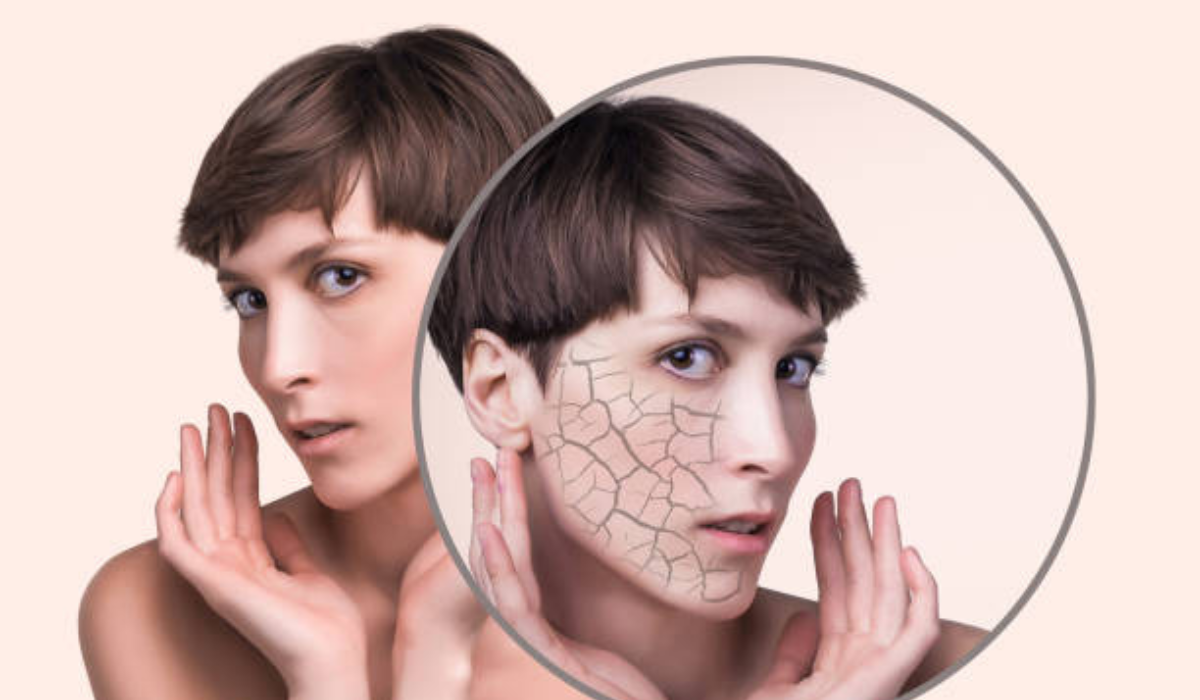
What Is Skin Barrier Damage and How Can You Repair It?
Your skin does more than affect your appearance.
The outermost layer of your skin, known as the stratum corneum, helps protect the body from external irritants while supporting moisture retention.
When this protective barrier becomes compromised, the skin may lose water more easily and become more vulnerable to irritation.
This is commonly referred to as skin barrier damage or skin barrier disruption.
A compromised skin barrier may be associated with:
- Dryness
- Tightness
- Flaking
- Increased sensitivity
- Redness
- Burning or stinging
- Rough texture
- Greater reactivity to skincare products
The good news is that the skin barrier may recover when the factors contributing to disruption are identified and addressed.
However, repair is rarely about adding more products.
In many cases, it involves simplifying your routine, reducing potential irritants, supporting hydration, and giving your skin time to recover.
At Circle Wellness in Melville, NY, personalized facial and skincare treatments can be adapted to individual skin concerns and sensitivities, with an emphasis on supporting healthy-looking skin rather than unnecessarily aggressive treatment.
Quick Answer: How Do You Repair a Damaged Skin Barrier?

Supporting a compromised skin barrier generally involves reducing irritation and improving moisture retention.
Helpful steps may include:
- Using a gentle cleanser
- Avoiding harsh scrubs and over-exfoliation
- Applying a moisturizer regularly
- Choosing products designed to support hydration
- Using broad-spectrum sunscreen during the day
- Temporarily reducing irritating active ingredients when appropriate
- Avoiding unnecessary changes to your skincare routine
If your skin remains persistently red, painful, itchy, inflamed, or unusually sensitive, a dermatologist or qualified healthcare professional can help determine whether an underlying skin condition may be contributing.
What Is the Skin Barrier?
The skin barrier refers primarily to the outermost layer of the skin, particularly the stratum corneum.
It consists of skin cells and lipids that work together to help:
- Reduce excessive water loss
- Protect against environmental irritants
- Support the skin’s natural defense mechanisms
- Maintain hydration
- Help prevent unwanted substances from penetrating the skin
A healthy skin barrier does not mean that your skin will never experience dryness, acne, or sensitivity.
Instead, it means the outer layer is functioning effectively as part of the skin’s protective system.
What Happens When the Skin Barrier Is Damaged?

When the skin barrier is disrupted, the skin may become less effective at retaining moisture and protecting itself from external stressors.
This can contribute to:
- Increased water loss
- Dryness
- Roughness
- Irritation
- Increased sensitivity
- Stinging when applying products
Some individuals may also notice that skincare products they previously tolerated suddenly feel uncomfortable.
This does not necessarily mean that every product is harmful.
It may indicate that the skin is temporarily more reactive because its protective barrier has been compromised.
Common Signs of Skin Barrier Damage
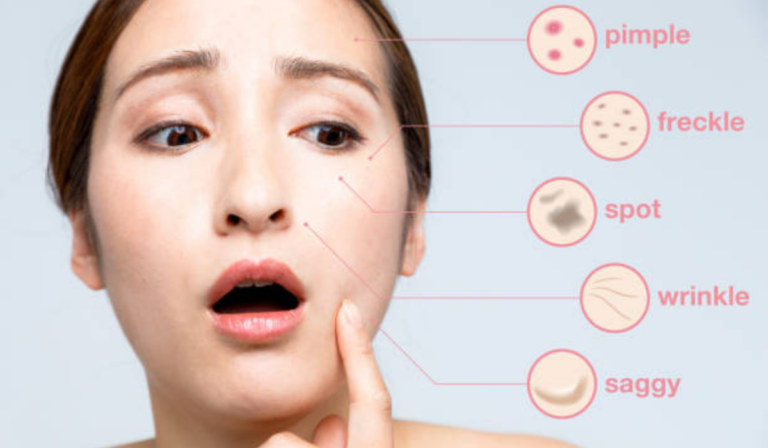
Persistent Dryness
Skin may feel dry even after applying moisturizer.
The skin may also appear:
- Flaky
- Rough
- Tight
- Dull
Burning or Stinging
A compromised barrier may make the skin more sensitive to products that previously felt comfortable.
You may notice stinging when applying:
- Moisturizers
- Cleansers
- Serums
- Sunscreen
Persistent burning should not automatically be attributed to barrier damage, as other skin conditions can cause similar symptoms.
Increased Sensitivity
Your skin may become more reactive to:
- Fragrance
- Exfoliating acids
- Retinoids
- Certain preservatives
- Environmental changes
Sensitivity can have multiple causes, so persistent symptoms may require professional evaluation.
Redness and Irritation
A compromised skin barrier may be associated with visible redness or irritation.
However, redness can also occur with conditions such as rosacea, eczema, dermatitis, or allergic reactions.
If redness persists or worsens, professional evaluation may be appropriate.
What Causes Skin Barrier Damage?
Skin barrier disruption can have multiple contributing factors.
Over-Exfoliation
Using exfoliating products too frequently may contribute to irritation.
This may include excessive use of:
- Alpha hydroxy acids
- Beta hydroxy acids
- Physical scrubs
- Strong exfoliating treatments
More exfoliation is not always better.
The appropriate frequency depends on the individual’s skin type, product strength, and overall routine.
Harsh Cleansing
Very aggressive cleansing or frequent washing may strip the skin’s natural oils and contribute to dryness or irritation.
This can be particularly noticeable when using:
- Strong cleansers
- Very hot water
- Excessive cleansing
- Products that leave the skin feeling extremely tight
A gentle cleansing routine may help support the skin’s natural protective function.
Overuse of Active Ingredients
Skincare ingredients such as retinoids, exfoliating acids, and acne treatments can be beneficial for some individuals.
However, combining too many active ingredients or introducing them too quickly may increase the likelihood of irritation.
This is especially important for individuals with sensitive or reactive skin.
Environmental Factors
The skin barrier may also be affected by environmental conditions.
Potential contributors include:
- Cold weather
- Dry air
- Excessive heat
- Wind exposure
- Air conditioning
- Frequent hot showers
These factors may increase dryness or contribute to discomfort in individuals with sensitive skin.
Can Skincare Treatments Damage the Skin Barrier?

Certain professional treatments may temporarily increase sensitivity or irritation, particularly when performed too aggressively or when the skin is not an appropriate candidate.
Treatments involving exfoliation or resurfacing may affect the outermost layers of the skin.
This does not mean that professional facials or skincare treatments inherently damage the skin barrier.
The outcome may depend on:
- Treatment intensity
- Individual skin condition
- Frequency
- Product selection
- Post-treatment care
- Whether the treatment was appropriately customized
For sensitive or reactive skin, a personalized assessment can help determine which treatments may be appropriate and which may need to be modified or postponed.
How Long Does It Take to Repair the Skin Barrier?
There is no single recovery timeline.
Some individuals may notice improvement within days, while others may need several weeks or longer.
The timeline may depend on:
- The severity of barrier disruption
- The cause of irritation
- Existing skin conditions
- Skincare routine
- Environmental factors
- How quickly irritating triggers are removed
If symptoms continue despite simplifying your skincare routine, it may be worth seeking professional evaluation.
The First Step: Simplify Your Skincare Routine
When your skin barrier appears compromised, adding more products may not always be the best approach.
A simplified routine may include:
Morning
- Gentle cleansing, if needed
- Moisturizer
- Broad-spectrum sunscreen
Evening
- Gentle cleanser
- Moisturizer
Depending on your skin condition, a healthcare professional may recommend temporarily reducing certain active ingredients.
The goal is to minimize potential irritation while maintaining basic cleansing, hydration, and sun protection.
Moisturize Regularly
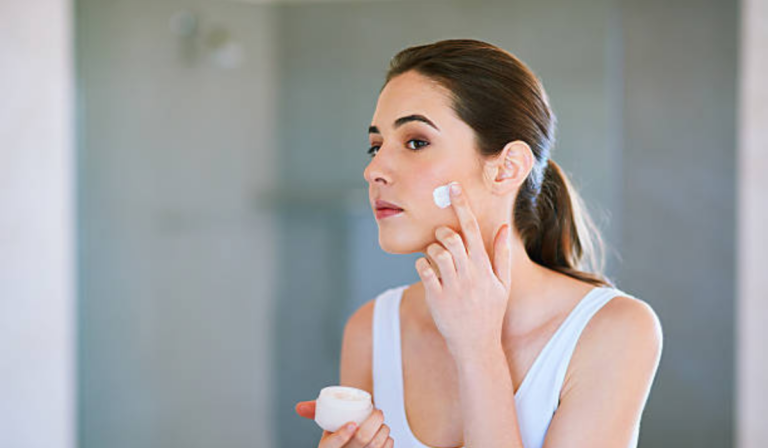
Moisturizers can help support the skin’s moisture balance.
Depending on your skin type and individual needs, formulations may contain ingredients such as:
- Ceramides
- Glycerin
- Hyaluronic acid
- Fatty acids
- Cholesterol
- Occlusive ingredients
No single ingredient is appropriate for everyone.
Individuals with acne-prone or oily skin may prefer lighter formulations, while very dry skin may benefit from richer textures.
Don't Forget Sun Protection
UV exposure can contribute to skin damage and may worsen certain signs of irritation or inflammation.
Using a broad-spectrum sunscreen can help protect the skin from ultraviolet radiation.
For individuals with sensitive skin, choosing a sunscreen that is comfortable and well tolerated may make consistent use easier.
When Should You See a Dermatologist?
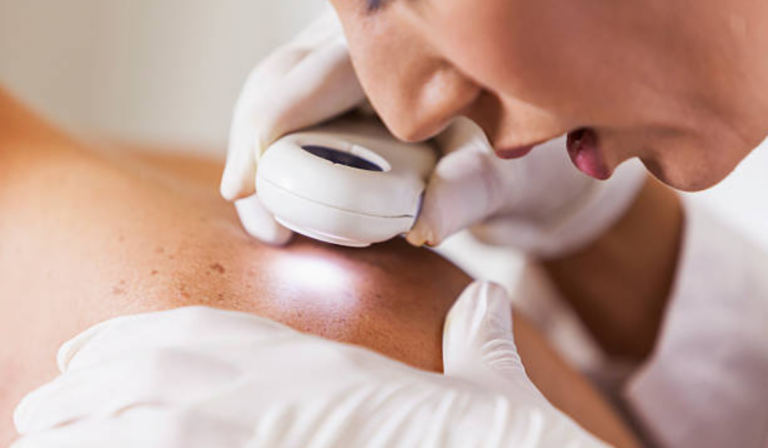
Not every case of irritation is simply a damaged skin barrier.
Consider seeking professional evaluation if you experience:
- Persistent redness
- Severe itching
- Recurrent rashes
- Painful or worsening inflammation
- Cracking or bleeding
- Swelling
- Persistent burning
- Symptoms that do not improve after simplifying your routine
Conditions such as eczema, contact dermatitis, rosacea, acne, and allergic reactions may produce symptoms that can resemble barrier disruption.
Accurate diagnosis may be important for appropriate treatment.
Educational and Clinical Perspective
Information from the National Institutes of Health (NIH) and dermatology research has examined the role of the skin barrier, including the importance of the stratum corneum and skin lipids in maintaining hydration and protecting against environmental stressors.
Research has also explored how factors such as lipid composition, water loss, inflammation, and external irritants may influence barrier function.
For example, an individual who repeatedly uses strong exfoliating products may experience dryness, stinging, and increased sensitivity. Reducing potential irritants and using appropriate moisturizing care may help support recovery.
However, persistent or severe symptoms should not automatically be attributed to barrier damage and may require evaluation for an underlying dermatological condition.
Why Professional Skin Assessment Matters

Skin barrier concerns can look different from person to person.
One individual may have temporary irritation caused by over-exfoliation, while another may have an underlying condition that requires medical treatment.
A personalized skin assessment may help identify:
- Potential triggers
- Current skin sensitivity
- Signs of dehydration
- Appropriate treatment intensity
- Products or ingredients that may need adjustment
At Circle Wellness, skincare treatments can be tailored to individual skin needs and concerns.
The goal is to choose an approach that respects the skin’s current condition rather than automatically using the most intensive treatment available.
How to Repair and Support a Damaged Skin Barrier
Repairing a compromised skin barrier is usually less about doing more and more about removing the factors that may be contributing to irritation.
A consistent, gentle routine can give the skin an opportunity to recover.
Use a Gentle Cleanser
Choose a cleanser that removes dirt, oil, and sunscreen without leaving the skin feeling excessively tight or uncomfortable.
Consider:
- Fragrance-free or low-irritant formulations
- Gentle cleansing agents
- Lukewarm rather than hot water
- Avoiding unnecessary scrubbing
If your skin is very dry or sensitive, you may not need to cleanse aggressively in the morning.
Moisturize Consistently
Regular moisturizing may help support the skin’s ability to retain water.
Look for formulations containing ingredients that may support hydration and barrier function, such as:
- Ceramides
- Glycerin
- Hyaluronic acid
- Fatty acids
- Cholesterol
- Petrolatum or other occlusive ingredients
The best moisturizer depends on your skin type and individual concerns.
Someone with oily or acne-prone skin may prefer a lightweight, non-comedogenic formula, while someone with very dry skin may benefit from a richer cream or ointment.
Temporarily Reduce Irritating Actives
If your skin is stinging, burning, or unusually sensitive, it may be appropriate to temporarily reduce or pause certain potentially irritating ingredients.
These may include:
- Retinoids
- Alpha hydroxy acids
- Beta hydroxy acids
- Strong vitamin C formulations
- Benzoyl peroxide
- Physical exfoliants
However, this does not mean these ingredients are inherently bad for your skin.
They may provide important benefits when appropriately selected and used.
If you use prescription acne or dermatological treatments, speak with your healthcare provider before stopping them.
Avoid Over-Exfoliation
Exfoliation can help improve skin texture by removing dead skin cells, but excessive exfoliation may contribute to irritation.
If your skin is already sensitive or compromised, consider reducing:
- Exfoliating acids
- Scrubs
- Peeling treatments
- Frequent resurfacing procedures
Once your skin has recovered, a healthcare professional can help determine whether exfoliation is appropriate and how frequently it may be used.
Can a Facial Help Repair a Damaged Skin Barrier?

A facial does not automatically repair a damaged skin barrier.
In fact, certain intensive treatments may temporarily increase irritation if performed when the skin is already compromised.
However, a gentle, appropriately customized facial may support hydration and comfort for some individuals.
Depending on your skin condition, a professional facial may focus on:
- Gentle cleansing
- Hydration
- Soothing care
- Moisture support
- Minimizing potential irritants
The treatment should be selected according to the current condition of your skin.
If you are experiencing active inflammation, severe irritation, open wounds, or a suspected skin infection, professional medical evaluation may be more appropriate than a cosmetic facial.
Skin Barrier Repair for Sensitive and Acne-Prone Skin
Repairing the skin barrier can be particularly challenging when you also experience acne or sensitivity.
Acne treatments often involve active ingredients that may cause dryness or irritation in some individuals.
At the same time, stopping every acne treatment may not be appropriate.
The goal is often to find a balance between:
- Managing acne
- Supporting the skin barrier
- Reducing unnecessary irritation
- Maintaining consistent skincare
A dermatologist or qualified skincare professional can help determine which products and treatments are appropriate for your individual needs.
What Ingredients May Support the Skin Barrier?

Several ingredients are commonly used in barrier-supportive skincare.
Ceramides
Ceramides are naturally occurring lipids found in the outermost layer of the skin.
Topical ceramides may help support the skin’s protective barrier and moisture retention.
Glycerin
Glycerin is a humectant that helps attract and retain water in the skin.
It is commonly included in moisturizers designed to support hydration.
Hyaluronic Acid
Hyaluronic acid is another humectant commonly used in skincare.
It may help increase hydration when used as part of an appropriate moisturizing routine.
Occlusive Ingredients
Occlusive ingredients help reduce water loss from the skin’s surface.
Examples include:
- Petrolatum
- Mineral oil
- Certain waxes
- Dimethicone
These ingredients may be particularly useful for individuals experiencing significant dryness.
What Should You Avoid While Your Skin Barrier Is Recovering?

If your skin is irritated, temporarily avoiding potential triggers may help reduce additional stress.
Consider limiting:
- Hot water
- Harsh scrubbing
- Frequent exfoliation
- Strong fragrance
- Alcohol-heavy products
- Rapidly introducing multiple new products
- Aggressive professional treatments
You may also want to avoid changing your entire skincare routine at once.
Introducing multiple new products makes it difficult to identify which product may be causing irritation.
How to Reintroduce Active Ingredients
Once your skin feels comfortable again, active ingredients may be reintroduced gradually when appropriate.
A cautious approach may include:
- Introducing one active ingredient at a time
- Starting with lower frequency
- Monitoring your skin’s response
- Avoiding multiple strong actives on the same day
- Using moisturizer consistently
If irritation returns, consider discussing your routine with a dermatologist or qualified skincare professional.
How Professional Facial Treatments Can Fit Into Barrier-Supportive Skincare
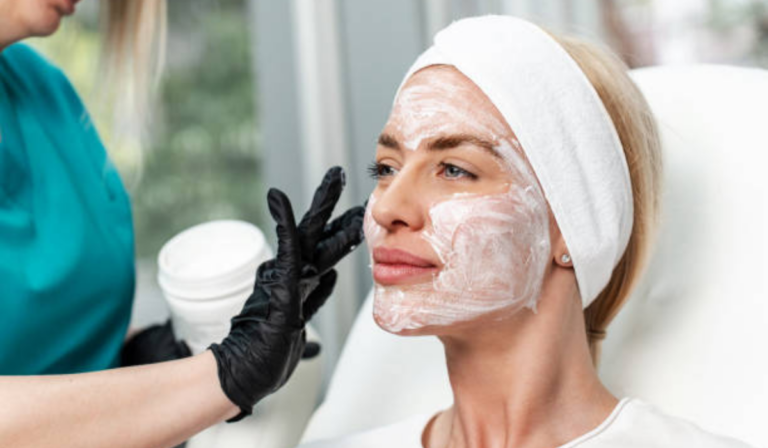
Professional facial treatments can be customized according to individual skin needs.
When your skin is healthy enough for treatment, a professional may adjust:
- Exfoliation intensity
- Product selection
- Treatment duration
- Hydration techniques
- Post-treatment care
For individuals with sensitive or reactive skin, a gentler approach may be more appropriate than aggressive resurfacing.
At Circle Wellness in Melville, NY, personalized facial treatments may be adapted according to individual skin concerns and tolerance.
A professional assessment can help determine whether your skin is ready for treatment or whether a simpler barrier-supportive routine may be more appropriate first.
Can Skin Barrier Damage Cause Acne?
Skin barrier disruption does not necessarily cause acne directly.
However, irritation and excessive dryness may complicate acne management.
For example, aggressive attempts to treat acne through frequent exfoliation may increase irritation and make the skin feel more sensitive.
A balanced approach may involve:
- Gentle cleansing
- Appropriate acne treatment
- Consistent moisturizing
- Sun protection
- Avoiding excessive exfoliation
If acne is persistent, painful, or worsening, professional evaluation may help identify the most appropriate treatment strategy.
When Skin Barrier Problems May Need Medical Treatment
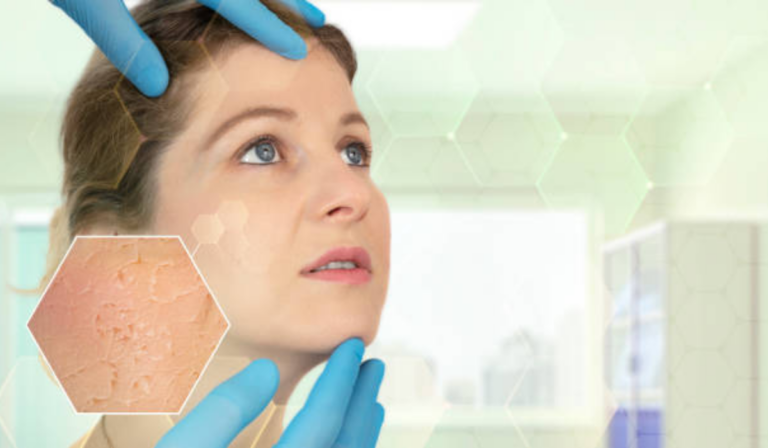
Sometimes what appears to be barrier damage may actually be another skin condition.
Professional evaluation may be appropriate if symptoms include:
- Persistent rash
- Severe itching
- Significant swelling
- Recurrent flaking
- Painful inflammation
- Crusting or oozing
- Skin cracking or bleeding
- Symptoms that continue despite gentle skincare
Conditions such as eczema, psoriasis, rosacea, allergic contact dermatitis, and irritant dermatitis can affect the skin barrier and may require specific treatment.
The Importance of a Personalized Skincare Routine
There is no single skincare routine that works for every person.
Your ideal routine may depend on:
- Skin type
- Age
- Acne status
- Sensitivity
- Existing skin conditions
- Climate
- Current treatments
- Lifestyle
Someone with oily, acne-prone skin may require a different approach from someone with dry, reactive skin.
For this reason, skincare should be individualized rather than based solely on trends or social media recommendations.
Building a Long-Term Skin Barrier-Friendly Routine

Once your skin has recovered, the goal is to maintain a routine that supports long-term skin health.
A simple routine may include:
Morning
- Gentle cleanser, if needed
- Moisturizer
- Broad-spectrum sunscreen
Evening
- Gentle cleanser
- Treatment products appropriate for your skin
- Moisturizer
Additional products can be added based on specific concerns, but introducing too many active ingredients at once may increase the risk of irritation.
Consistency is often more sustainable than constantly changing products.
When Should You Consider Professional Help for Your Skin Barrier?
Many mild cases of skin barrier disruption may improve with a simplified, gentle skincare routine.
However, professional guidance may be appropriate when symptoms persist or interfere with your daily life.
Consider seeking professional evaluation if you experience:
- Persistent redness
- Ongoing burning or stinging
- Severe dryness or cracking
- Recurrent rashes
- Significant itching
- Swelling
- Painful inflammation
- Bleeding or open areas
- Symptoms that continue despite simplifying your skincare routine
A professional assessment may help determine whether the problem is truly related to barrier disruption or whether another skin condition may be contributing.
Can You Prevent Skin Barrier Damage?

While it may not be possible to prevent every episode of skin irritation, certain habits may help support the skin barrier over time.
Consider:
- Keeping your skincare routine simple
- Avoiding excessive exfoliation
- Introducing new products gradually
- Moisturizing consistently
- Using sunscreen regularly
- Avoiding excessively hot water
- Paying attention to how your skin responds to products
- Avoiding unnecessary aggressive treatments
Your skin’s needs may also change with the seasons, age, hormonal fluctuations, and environmental conditions.
Adjusting your routine accordingly may help maintain comfort and skin health.
How Often Should You Get Professional Facial Treatments?
The appropriate frequency of professional facial treatments depends on your skin type, treatment intensity, and individual goals.
Some people may benefit from occasional treatments focused on hydration and maintenance.
Others may require a more individualized schedule based on concerns such as:
- Acne
- Congestion
- Dehydration
- Uneven texture
- Sensitivity
If your skin barrier is currently compromised, more aggressive treatments may need to be postponed until your skin is more stable.
A professional skin assessment can help determine which treatment approach and frequency may be appropriate.
What Is the Best Facial for a Damaged Skin Barrier?

There is no single facial that is universally best for a compromised skin barrier.
For some individuals, a gentle, hydration-focused facial may be more appropriate than treatments involving aggressive exfoliation.
Depending on your skin condition, a professional may consider:
- Gentle cleansing
- Hydrating ingredients
- Soothing products
- Minimal exfoliation
- Barrier-supportive moisturization
The most appropriate treatment depends on the cause and severity of your skin concerns.
If your skin is actively inflamed, painful, or showing signs of infection, a medical evaluation may be more appropriate before receiving a facial.
Why a Personalized Skin Assessment Matters
Skin barrier concerns are not always straightforward.
Dryness, redness, burning, and sensitivity can occur for many different reasons.
A personalized assessment may help distinguish between:
- Temporary irritation
- Dehydrated skin
- Over-exfoliation
- Allergic reactions
- Contact dermatitis
- Eczema
- Rosacea
- Other dermatological conditions
Understanding the underlying cause can help guide a more appropriate skincare approach.
At Circle Wellness in Melville, NY, facial treatments may be customized according to individual skin concerns and tolerance.
The goal is not simply to provide the strongest possible treatment.
It is to select an approach that aligns with the current condition of your skin.
FAQs

How do I know if my skin barrier is damaged?
Common signs may include persistent dryness, tightness, flaking, burning, stinging, redness, and increased sensitivity. However, these symptoms can also occur with other skin conditions, so persistent concerns may require professional evaluation.
How long does it take to repair a damaged skin barrier?
Recovery varies from person to person. Mild irritation may improve within days, while more significant disruption may take several weeks or longer. The underlying cause and skincare routine can influence recovery time.
Can I use retinol if my skin barrier is damaged?
Retinol and other retinoids can be beneficial for certain skin concerns, but they may also cause irritation in some individuals. If your skin is currently burning, peeling, or highly sensitive, speak with a dermatologist or qualified healthcare professional about whether you should temporarily reduce or pause use.
Should I stop using all skincare products?
Not necessarily. A simplified routine may be helpful, but completely stopping all skincare products is not always necessary. Gentle cleansing, moisturizing, and sun protection may still be appropriate depending on your skin condition.
Can a facial repair my skin barrier?
A facial cannot guarantee barrier repair. However, a gentle, appropriately customized treatment may support hydration and comfort for some individuals. Aggressive exfoliation or resurfacing may be inappropriate when the skin is already compromised.
Is skin barrier damage permanent?
Usually, skin barrier disruption is not permanent. When the contributing factors are identified and addressed, the skin may gradually recover. Persistent or recurring symptoms may indicate an underlying condition that requires professional care.
Can I exfoliate while repairing my skin barrier?
If your skin is irritated or highly sensitive, temporarily reducing exfoliation may help minimize additional irritation. Once your skin has recovered, exfoliation may be reintroduced gradually when appropriate.
Supporting Healthier Skin Over Time

A healthy skin barrier is an important part of overall skin function.
When the barrier is compromised, the skin may become more vulnerable to dryness, irritation, and sensitivity.
Supporting recovery generally involves a combination of:
- Gentle cleansing
- Consistent moisturizing
- Appropriate sun protection
- Avoiding excessive exfoliation
- Limiting unnecessary irritants
- Using active ingredients thoughtfully
- Seeking professional guidance when symptoms persist
The most effective skincare routine is not always the most complicated one.
Understanding your skin’s needs and adjusting your routine accordingly may help support long-term skin comfort and resilience.
If you’re experiencing ongoing sensitivity or are unsure which facial treatment may be appropriate for your skin, a personalized professional assessment can help guide your next steps.
Book a Personalized Facial Consultation
If your skin feels unusually dry, sensitive, irritated, or reactive, a personalized skincare assessment may help you understand what your skin needs.
At Circle Wellness, facial treatments can be adapted according to individual skin concerns, sensitivity, and treatment goals.
A professional assessment can help determine whether your skin may benefit from a gentle facial treatment or whether a simpler skincare routine or medical evaluation may be more appropriate.