
When Should You Consider Trigger Point Injections for Back Pain?
Back pain is one of the most common reasons adults seek medical care.
For some individuals, the discomfort may resolve with rest, stretching, or physical therapy. For others, persistent muscle tightness and painful “knots” may continue to interfere with work, exercise, sleep, or everyday activities.
When conservative measures have not provided adequate relief, healthcare providers may discuss additional treatment options based on the underlying cause of pain.
One option that may be considered in certain cases is trigger point injections.
At Circle Wellness in Melville, NY, trigger point injections are offered as part of an individualized pain management approach following a comprehensive clinical evaluation.
Rather than treating every type of back pain the same way, providers assess the source of symptoms to determine whether trigger point injections may be an appropriate component of a broader treatment plan.
What Are Trigger Point Injections?

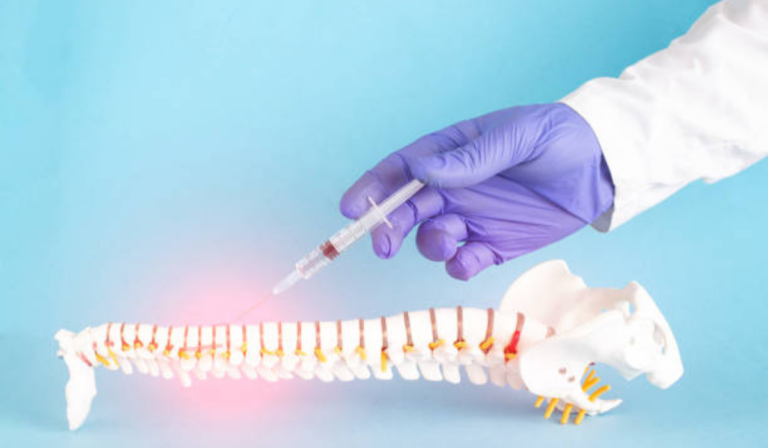
Trigger point injections are medical procedures used to treat specific areas of muscle that have developed tight, sensitive bands commonly known as trigger points.
These trigger points may:
- Feel like small knots beneath the skin
- Be painful when pressed
- Cause localized muscle pain
- Sometimes contribute to pain that radiates into nearby areas
During the procedure, a healthcare provider inserts a small needle into the affected muscle.
Depending on the clinical situation, the injection may contain:
- A local anesthetic
- Saline solution
- Other medications selected by the provider
Treatment decisions vary based on the patient’s diagnosis, symptoms, and overall medical history.
Quick Answer: When Are Trigger Point Injections Considered?

Trigger point injections may be considered when muscle-related back pain persists despite conservative treatment.
Healthcare providers may evaluate this option for individuals experiencing:
- Persistent muscle knots
- Localized muscle pain
- Muscle spasms
- Limited range of motion
- Pain associated with myofascial trigger points
Not every case of back pain is caused by trigger points, making an accurate diagnosis essential before treatment.
Understanding Trigger Points

A trigger point is a tight, irritable area within a muscle that may remain contracted even when the surrounding muscle is relaxed.
These areas may develop because of:
- Muscle overuse
- Poor posture
- Repetitive movements
- Acute injuries
- Stress-related muscle tension
- Prolonged sitting
- Sports activities
Some trigger points cause pain only where they are located, while others may produce discomfort in nearby muscles through referred pain patterns.
Common Symptoms of Trigger Point-Related Back Pain
Although symptoms vary between individuals, trigger point-related pain may include:
- Persistent aching
- Localized tenderness
- Muscle stiffness
- Reduced flexibility
- Pain during certain movements
- Muscle tightness that does not improve with stretching
- Referred pain into nearby muscles
Because these symptoms can overlap with other spinal or neurological conditions, a professional evaluation is important before treatment decisions are made.
How Do Trigger Point Injections Work?

The exact mechanisms continue to be studied.
However, trigger point injections are thought to work by helping interrupt persistent muscle contraction and reducing irritation within affected muscle tissue.
Depending on the individual’s condition, treatment may help:
- Improve muscle relaxation
- Reduce localized tenderness
- Support improved movement
- Make participation in rehabilitation exercises more comfortable
Trigger point injections are often used alongside other therapies rather than as a standalone treatment.
When Healthcare Providers May Consider Trigger Point Injections
Following a comprehensive evaluation, trigger point injections may be discussed for individuals experiencing:
Persistent Muscle Knots
Some muscle trigger points remain painful despite:
- Stretching
- Massage
- Heat therapy
- Activity modification
When symptoms persist, additional treatment options may be considered.
Chronic Muscle Tightness
Individuals whose muscles remain tight for extended periods may experience reduced mobility and ongoing discomfort.
Trigger point injections may be one component of a broader management plan designed to improve muscle function.
Limited Range of Motion
Persistent muscle tension may restrict normal movement of the:
- Neck
- Mid-back
- Lower back
- Shoulders
Reducing trigger point activity may help support improved mobility for some individuals.
Difficulty Participating in Rehabilitation
Pain sometimes prevents individuals from fully participating in:
- Physical therapy
- Corrective exercises
- Strengthening programs
For selected patients, reducing muscle pain may improve tolerance for rehabilitation as part of a comprehensive treatment strategy.
Myofascial Pain Syndrome
Some individuals diagnosed with myofascial pain syndrome may be evaluated for trigger point injections when conservative management alone has not provided adequate symptom improvement.
Treatment recommendations depend on the individual’s clinical findings and overall treatment goals.
Conditions That May Be Associated With Trigger Point Injections

Trigger point injections are not designed to treat every cause of back pain.
Instead, they may be considered when pain is primarily related to muscle trigger points or myofascial dysfunction identified during a medical evaluation.
Depending on the underlying diagnosis, trigger point injections may be incorporated into treatment plans for selected individuals experiencing:
- Myofascial pain syndrome
- Chronic muscle tension
- Mechanical back pain with muscular involvement
- Postural muscle strain
- Overuse-related muscle pain
- Certain work-related repetitive strain injuries
- Muscle tightness affecting rehabilitation
The decision to recommend trigger point injections depends on the patient’s symptoms, physical examination, medical history, and overall treatment goals.
Who May Be a Candidate?
Healthcare providers may evaluate trigger point injections for individuals who:
- Continue experiencing muscle-related back pain despite conservative care
- Have identifiable trigger points during examination
- Experience pain that limits daily activities
- Have reduced mobility because of muscle tightness
- Are participating in rehabilitation but are limited by muscle pain
- May benefit from additional symptom-focused treatment alongside exercise and physical therapy
Not every patient with back pain is an appropriate candidate, making individualized assessment essential.
When Trigger Point Injections May Not Be Appropriate
Certain situations may require alternative treatments or additional medical evaluation before injections are considered.
Examples may include:
- Suspected spinal fractures
- Active infections
- Uncontrolled bleeding disorders
- Certain medication-related concerns
- Allergy to injection components
- Pain caused primarily by nerve compression
- Severe spinal instability
Your healthcare provider will review your medical history to determine whether trigger point injections are appropriate for your specific condition.
What to Expect During the Procedure

Although treatment plans vary, many trigger point injection appointments follow a similar process.
Clinical Evaluation
Before treatment, your provider may review:
- Medical history
- Current symptoms
- Previous treatments
- Medication use
- Areas of pain
- Functional limitations
The painful muscles are then examined to identify trigger points that may be contributing to symptoms.
Injection Procedure
Once the treatment area has been identified:
- The skin is cleaned using appropriate sterile techniques.
- A small needle is inserted into the trigger point.
- The selected solution is administered based on the treatment plan.
- Multiple trigger points may be treated during the same visit when clinically appropriate.
The procedure is generally completed within a short office visit, although treatment duration varies depending on the number of muscles being evaluated.
After Treatment
Following the procedure, some individuals may return to their normal daily activities with guidance from their provider.
Temporary recommendations may include:
- Gentle stretching
- Staying hydrated
- Light activity
- Avoiding strenuous exercise for a short period if advised
Individual recovery experiences vary.
Potential Benefits of Trigger Point Injections
For appropriately selected patients, trigger point injections may help support:
- Reduced muscle tenderness
- Improved flexibility
- Increased range of motion
- Greater comfort during movement
- Improved participation in rehabilitation programs
- Better tolerance of daily activities
Responses differ from person to person, and improvements are not guaranteed.
Trigger point injections are generally most effective when combined with a comprehensive treatment strategy rather than used alone.
Educational and Clinical Perspective

Educational resources supported by the National Institutes of Health (NIH) continue to examine trigger point injections as one option for managing myofascial pain and muscle-related conditions.
For example, an individual experiencing persistent lower back pain caused by myofascial trigger points may discuss trigger point injections with their healthcare provider after conservative measures such as stretching, activity modification, and physical therapy have not provided sufficient improvement.
Because back pain has many possible causes—including spinal, neurological, inflammatory, and muscular conditions—a comprehensive evaluation remains essential before selecting any treatment approach.
Possible Side Effects
Trigger point injections are generally considered safe when performed by qualified healthcare professionals for appropriate candidates.
However, potential side effects may include:
- Temporary soreness
- Mild bruising
- Minor bleeding at the injection site
- Temporary numbness depending on the medication used
- Short-term discomfort following treatment
More serious complications are uncommon but should be discussed with your healthcare provider before treatment.
When Should You Seek Immediate Medical Evaluation?

Back pain should always be evaluated promptly if it is accompanied by:
- Sudden weakness in the legs
- Loss of bowel or bladder control
- Fever with severe back pain
- Significant trauma
- Unexplained weight loss
- Progressive numbness
- Severe pain that rapidly worsens
These symptoms may indicate conditions requiring urgent medical attention rather than trigger point injections.
Why an Accurate Diagnosis Matters
Back pain is a symptom—not a diagnosis.
Muscle trigger points represent only one possible cause of discomfort.
Other conditions, including disc injuries, arthritis, spinal stenosis, nerve compression, or systemic illnesses, may produce similar symptoms.
A thorough medical evaluation helps identify the underlying cause of pain and determines whether trigger point injections, another treatment, or additional testing is the most appropriate next step.
Rather than focusing solely on symptom relief, effective pain management begins with understanding why the pain developed in the first place.
Why Medical Oversight Is Important

Trigger point injections are medical procedures that should only be performed after a comprehensive evaluation by a qualified healthcare provider.
Because back pain can have many different causes, medical oversight helps ensure that treatment decisions are based on an accurate diagnosis rather than symptoms alone.
A healthcare provider may determine whether your pain is related to:
- Myofascial trigger points
- Muscle strain
- Joint dysfunction
- Nerve irritation
- Disc-related conditions
- Other musculoskeletal or medical concerns
This individualized approach helps guide appropriate treatment and reduces the risk of overlooking conditions that may require different forms of care.
Trigger Point Injections as Part of a Comprehensive Treatment Plan
For many individuals, trigger point injections are only one component of a broader pain management strategy.
Depending on the clinical evaluation, your treatment plan may also include:
- Therapeutic stretching
- Corrective exercises
- Physical therapy
- Postural education
- Ergonomic modifications
- Activity recommendations
- Lifestyle guidance
Combining multiple evidence-informed approaches may help support long-term improvements in movement and overall function.
FAQs

What are trigger point injections used for?
Trigger point injections may be used to help manage muscle-related pain associated with myofascial trigger points, muscle tension, or certain forms of musculoskeletal discomfort when clinically appropriate.
How do I know if my back pain is caused by trigger points?
Trigger points are typically identified during a physical examination by a qualified healthcare provider. Since many conditions can produce similar symptoms, a professional evaluation is necessary before treatment is recommended.
Are trigger point injections painful?
Most individuals experience only brief discomfort during the injection. Some temporary soreness at the injection site may occur afterward, but experiences vary from person to person.
How long does a trigger point injection appointment take?
Many appointments are completed within 15 to 30 minutes, depending on the number of trigger points being evaluated and treated.
How many trigger point injections will I need?
There is no standard number of treatments. Recommendations depend on your diagnosis, symptom severity, response to treatment, and overall care plan.
Can trigger point injections cure chronic back pain?
Trigger point injections are not considered a cure for chronic back pain. They may help reduce muscle-related pain as part of a comprehensive treatment strategy that addresses the underlying cause of symptoms.
A Personalized Approach to Managing Muscle-Related Back Pain

Back pain rarely has a single explanation, and no single treatment is appropriate for every individual.
When muscle trigger points are identified as a contributing factor, trigger point injections may provide supportive symptom management while helping patients participate more comfortably in rehabilitation and daily activities.
Successful long-term care often involves more than one treatment approach, combining medical evaluation, movement-based therapies, lifestyle modifications, and ongoing monitoring based on each patient’s progress.
At Circle Wellness, trigger point injections are offered within a personalized, evidence-informed care model that prioritizes accurate diagnosis, patient safety, and treatment plans tailored to each individual’s unique needs.
Book a Personalized Back Pain Evaluation
Persistent back pain can affect your ability to work, exercise, sleep, and enjoy everyday activities.
If muscle tightness or painful trigger points are contributing to your discomfort, a comprehensive evaluation can help determine whether trigger point injections may be appropriate for your condition.
At Circle Wellness in Melville, NY, every patient receives an individualized assessment before treatment recommendations are made, helping ensure care is tailored to their symptoms, medical history, and functional goals.