Quick Answer
The best anti-aging treatment depends on your age, skin condition, and aesthetic goals. In your 30s, prevention and collagen support are often the priority. In your 40s, many people focus on correcting visible signs of aging such as fine lines, pigmentation, and texture changes. In your 50s and beyond, comprehensive skin rejuvenation strategies that address collagen loss, hydration, skin laxity, and long-term skin health often become increasingly important. The most effective anti-aging plan is usually personalized rather than age-based alone.
Key Facts at a Glance
| Age Group | Common Skin Changes | Typical Treatment Focus |
|---|---|---|
| 30s | Early fine lines, mild sun damage | Prevention and collagen stimulation |
| 40s | Wrinkles, uneven tone, texture changes | Correction and rejuvenation |
| 50s+ | Volume loss, deeper wrinkles, dryness | Comprehensive restoration |
| All Ages | Environmental damage | Maintenance and skin health |
Why Anti-Aging Treatments Should Change With Age
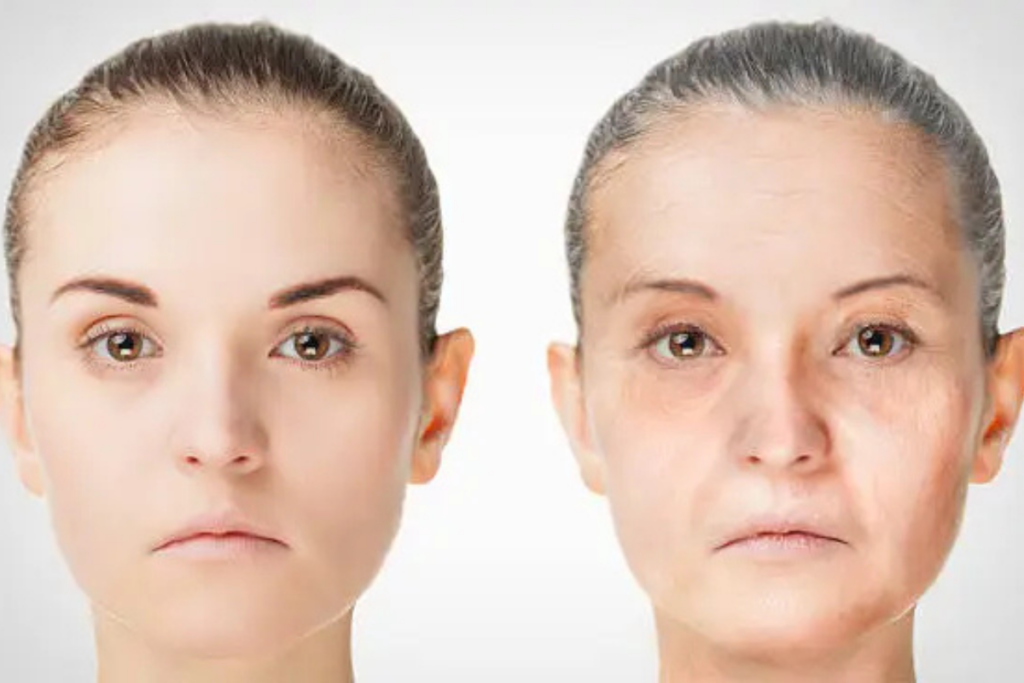
One of the biggest misconceptions in aesthetics is that the same treatment works equally well for everyone.
The reality is that skin changes significantly over time.
A treatment that works exceptionally well for a healthy 32-year-old may not address the concerns of someone in their late 50s who is experiencing deeper wrinkles, collagen loss, and skin laxity.
Understanding how skin ages allows patients to make more informed decisions and invest in treatments that are most appropriate for their stage of life.
Understanding How Skin Ages
Aging is a natural biological process that affects every layer of the skin.
Over time, the body gradually produces less:
- Collagen
- Elastin
- Hyaluronic acid
These substances are responsible for maintaining:
- Firmness
- Elasticity
- Hydration
- Structural support
As production decreases, the skin becomes more vulnerable to:
- Fine lines
- Wrinkles
- Sagging
- Dryness
- Uneven texture
- Pigmentation changes
While aging is inevitable, many factors influence how quickly these changes appear.
What Causes Premature Skin Aging?

Sun Exposure
Ultraviolet (UV) radiation is one of the leading contributors to premature aging.
Long-term sun exposure can accelerate:
- Wrinkle formation
- Pigmentation issues
- Collagen breakdown
- Skin roughness
Many dermatology experts consider daily sun protection one of the most effective anti-aging strategies available.
Lifestyle Habits
Several everyday habits influence how the skin ages.
Smoking
Smoking can reduce blood flow to the skin and contribute to premature wrinkle formation.
Poor Nutrition
A diet lacking essential nutrients may affect skin repair and overall skin quality.
Chronic Stress
Long-term stress may influence inflammation and accelerate visible aging.
Sleep Deprivation
Quality sleep supports skin recovery and repair processes.
Environmental Factors
Pollution, environmental toxins, and climate exposure can also affect skin health over time.
These factors may contribute to:
- Oxidative stress
- Dullness
- Uneven skin tone
- Barrier dysfunction
Hormonal Changes
Hormonal shifts often become more noticeable in the 40s and 50s.
Changes in estrogen and other hormones may contribute to:
- Dryness
- Reduced elasticity
- Thinning skin
- Loss of facial volume
What Is the Best Anti-Aging Treatment in Your 30s?

Your 30s are often considered the ideal time to focus on prevention.
Although significant aging may not yet be visible, collagen production begins to decline gradually.
The goal at this stage is not necessarily correction but preservation.
Common Skin Concerns in Your 30s
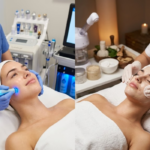
Hydrafacial
Hydrafacial treatments have become increasingly popular among patients in their 30s because they provide:
- Deep cleansing
- Exfoliation
- Hydration
- Antioxidant infusion
Many patients appreciate the immediate glow and minimal downtime.
Benefits of Hydrafacial in Your 30s
- Supports skin hydration
- Improves radiance
- Helps maintain healthy skin function
- Complements preventive skincare routines
Microneedling
Microneedling is often recommended for collagen stimulation.
This treatment creates controlled micro-injuries that encourage the body’s natural healing response.
Potential benefits include:
- Improved skin texture
- Enhanced collagen production
- Reduction in mild acne scars
- Smoother skin appearance
Because collagen loss begins early, many providers consider microneedling a valuable preventive treatment.
Chemical Peels
Light chemical peels can help address:
- Dullness
- Uneven pigmentation
- Early sun damage
- Mild texture concerns
These treatments may support skin renewal while complementing a broader skincare plan.
Medical-Grade Skincare
Professional skincare remains one of the most important anti-aging investments in your 30s.
A customized regimen often includes:
- Broad-spectrum sunscreen
- Retinoids
- Antioxidants
- Hydrating ingredients
Even the most advanced aesthetic treatments cannot replace consistent daily skincare.
Common Mistakes People Make in Their 30s
Many patients assume they are too young to think about aging.
As a result, they often:
- Skip sunscreen
- Delay treatment until wrinkles become visible
- Ignore early pigmentation changes
- Rely solely on over-the-counter products
Preventive care is often easier and more cost-effective than attempting to reverse advanced signs of aging later.
What Is the Best Anti-Aging Treatment in Your 40s?
The 40s often represent a transition period.
At this stage, many patients begin noticing visible changes that were previously subtle.
Collagen production continues to decline, and cumulative sun exposure becomes more apparent.
Common Skin Concerns in Your 40s
Patients commonly report:
- More noticeable wrinkles
- Crow’s feet
- Uneven pigmentation
- Rough texture
- Reduced elasticity
- Dull complexion
These concerns often require a combination of prevention and correction strategies.
Recommended Anti-Aging Treatments for Your 40s
Microneedling
Microneedling continues to be one of the most versatile anti-aging treatments.
Benefits may include:
- Improved collagen production
- Enhanced skin texture
- Reduction in fine lines
- Better overall skin quality
Many patients incorporate multiple sessions into long-term rejuvenation plans.
Chemical Peels
In the 40s, medium-depth chemical peels may help address:
- Sun damage
- Pigmentation concerns
- Uneven skin tone
- Surface wrinkles
Treatment selection should always be based on skin type and provider recommendations.
Hydrafacial Maintenance
Hydration becomes increasingly important as skin ages.
Regular Hydrafacial treatments may help support:
- Moisture balance
- Skin brightness
- Overall skin appearance
Combination Therapy
One of the most important concepts in modern aesthetics is that no single treatment solves every concern.
Many patients achieve better outcomes through customized treatment plans that combine:
- Professional skincare
- Hydrafacial treatments
- Microneedling
- Chemical peels
This personalized approach often produces more comprehensive results.
Which facial is better before an event?
Many patients choose Hydrafacial because it often provides immediate hydration and glow with minimal downtime.
What We See at Circle Wellness
Many patients arrive seeking the “best anti-aging treatment.”
What they are often surprised to learn is that successful skin rejuvenation rarely comes from a single procedure.
Some individuals primarily need collagen stimulation.
Others may need hydration support, pigmentation correction, or skin texture improvement.
The most effective treatment plans are personalized based on skin health, goals, lifestyle factors, and the underlying causes of aging concerns.
What Is the Best Anti-Aging Treatment in Your 50s and Beyond?
By the time many people reach their 50s, the skin has undergone decades of natural aging, environmental exposure, and hormonal changes.
While prevention remains important, treatment goals often shift toward restoration and long-term skin support.
At this stage, many patients are looking to address multiple concerns simultaneously rather than focusing on a single issue.
Common Skin Concerns in Your 50s
Patients in their 50s and beyond commonly experience:
- Deeper wrinkles
- Loss of facial volume
- Skin laxity
- Dryness
- Age spots
- Thinning skin
- Uneven texture
- Reduced elasticity
Hormonal changes can also significantly influence skin hydration and overall skin quality.
Recommended Anti-Aging Treatments for Your 50s

Comprehensive Skin Rejuvenation Programs
Rather than relying on a single treatment, many patients benefit from a customized rejuvenation strategy that combines multiple therapies.
The goal is often to improve:
- Skin texture
- Hydration
- Firmness
- Overall skin quality
Collagen-Stimulating Treatments
Collagen support remains important throughout life.
Treatments that stimulate natural collagen production may help improve:
- Skin texture
- Fine lines
- Overall skin resilience
Because collagen loss continues with age, these treatments often become part of a long-term maintenance strategy.
Hydrafacial for Mature Skin
Hydration becomes increasingly important as the skin ages.
Many patients appreciate Hydrafacial treatments because they:
- Support moisture retention
- Improve skin radiance
- Help maintain a healthier skin barrier
- Require minimal downtime
Chemical Peels for Skin Renewal
Depending on skin type and provider recommendations, chemical peels may help improve:
- Age spots
- Uneven pigmentation
- Surface texture concerns
- Dullness
Treatment depth should always be individualized.
Medical-Grade Skincare
Professional skincare remains one of the most important anti-aging tools regardless of age.
A personalized regimen may include:
- Sunscreen
- Retinoids
- Antioxidants
- Hydrating ingredients
- Barrier-supporting products
Consistency often plays a greater role than treatment intensity.
Recommended Anti-Aging Treatments for Your 50s
| Treatment | 30s | 40s | 50s+ |
|---|---|---|---|
| Hydrafacial | Excellent | Excellent | Excellent |
| Microneedling | Excellent | Excellent | Good |
| Chemical Peels | Good | Excellent | Good |
| Medical-Grade Skincare | Essential | Essential | Essential |
| Combination Programs | Good | Excellent | Excellent |
Pros and Cons of Popular Anti-Aging Treatments
| Treatment | Pros | Cons |
|---|---|---|
| Hydrafacial | Hydration, glow, minimal downtime | Maintenance treatments required |
| Microneedling | Collagen stimulation, texture improvement | Multiple sessions often needed |
| Chemical Peels | Improves tone and pigmentation | Temporary peeling may occur |
| Medical-Grade Skincare | Supports long-term skin health | Requires ongoing consistency |
| Combination Programs | Addresses multiple concerns simultaneously | May require greater time commitment |
Recovery Timeline: What Should Patients Expect?
Recovery varies depending on the treatment selected.
| Treatment | Typical Recovery |
|---|---|
| Hydrafacial | Minimal to none |
| Customized Facial | Minimal |
| Light Chemical Peel | 1–5 days |
| Medium Chemical Peel | Several days to 1 week |
| Microneedling | 24–72 hours |
Important Note
Individual healing times vary based on:
- Skin sensitivity
- Treatment intensity
- Overall skin health
- Home skincare practices
Patients should always follow provider-specific aftercare instructions.
Who May Not Be a Candidate for Certain Anti-Aging Treatments?

Not every treatment is appropriate for every patient.
Some procedures may require modification or postponement for individuals who:
- Have active skin infections
- Are experiencing severe acne flare-ups
- Have open wounds or irritated skin
- Recently underwent certain cosmetic procedures
- Have medical conditions affecting healing
- Are pregnant or breastfeeding (depending on the treatment)
A professional consultation helps determine which treatments are appropriate for your unique situation.
Who May Not Be a Candidate for Certain Anti-Aging Treatments?
One of the most common questions patients ask is:
“What is the most cost-effective anti-aging treatment?”
The answer depends on goals, treatment frequency, and overall skin needs.
Several factors influence treatment costs:
- Type of procedure
- Number of sessions required
- Provider experience
- Geographic location
- Combination treatment plans
Relative Cost Comparison
| Treatment | Relative Cost |
|---|---|
| Hydrafacial | Moderate |
| Chemical Peels | Low to Moderate |
| Microneedling | Moderate to High |
| Comprehensive Rejuvenation Programs | Moderate to High |
The most effective treatment is not necessarily the most expensive.
Long-term value often depends on selecting the right treatment for the right concern.
Myth vs Fact: Anti-Aging Treatments
| Myth | Fact |
|---|---|
| Anti-aging treatments can stop aging completely. | Aging is a natural process that cannot be stopped. |
| Expensive treatments are always better. | Treatment selection should be based on skin needs, not price. |
| Anti-aging treatments are only for older adults. | Prevention often begins in the 20s and 30s. |
| One treatment session is enough. | Most treatments require maintenance and consistency. |
| Professional treatments replace skincare. | Daily skincare remains essential for long-term results. |
What Results Can Patients Realistically Expect?
Professional treatments may help improve:
- Skin hydration
- Texture
- Radiance
- Fine lines
- Overall skin quality
However, realistic expectations are important.
Most anti-aging treatments:
- Require multiple sessions
- Produce gradual improvements
- Work best as part of a comprehensive plan
- Require maintenance over time
The goal is typically healthier, more youthful-looking skin—not perfection.
Latest Research and Clinical Insights

Research consistently demonstrates that collagen production declines with age, making preventive care and ongoing maintenance increasingly important.
Evidence from dermatology research suggests that combining professional treatments with daily sun protection and medical-grade skincare often provides the most sustainable long-term outcomes.
Many experts now advocate for a personalized approach that combines preventive care, lifestyle modification, and targeted skin rejuvenation treatments rather than relying on a single procedure.
Expert Perspective on Healthy Aging
Healthy aging is not about eliminating every wrinkle.
Instead, modern aesthetic medicine focuses on:
- Maintaining skin health
- Supporting collagen production
- Preserving skin function
- Improving texture and hydration
- Addressing concerns before they become severe
Patients often achieve the most natural-looking outcomes when treatments are tailored to their skin condition rather than following trends or social media recommendations.
Patient Considerations
Many people search for the “best anti-aging treatment” hoping to find one universal solution.
In reality, treatment success often depends on:
- Age
- Skin type
- Lifestyle habits
- Sun exposure history
- Existing skin concerns
- Long-term goals
A treatment that works well for one person may not be ideal for another.
Professional assessment remains one of the most valuable steps in developing an effective anti-aging plan.
Common Mistakes Patients Make

Many patients unintentionally slow their progress by:
- Skipping daily sunscreen
- Waiting until concerns become advanced
- Following online trends without professional guidance
- Expecting immediate results
- Neglecting home skincare
- Inconsistently attending treatments
Long-term consistency often produces better outcomes than aggressive short-term approaches.
Questions to Ask Your Aesthetic Provider
Before beginning treatment, consider asking:
- What concerns should I prioritize first?
- Which treatments are appropriate for my age and skin type?
- What results are realistic?
- How many sessions may be needed?
- What maintenance schedule is recommended?
- Are there risks specific to my skin?
- How can I maximize results at home?
Being informed helps patients make confident decisions about their skincare journey.
When Should You Consider Professional Anti-Aging Treatments?
You may benefit from a consultation if you notice:
- Increasing wrinkles
- Reduced skin firmness
- Uneven pigmentation
- Persistent dryness
- Changes in texture
- Diminished skin radiance
Early intervention often allows for more conservative treatment options and may help support long-term skin health.
FAQs

What is the best anti-aging treatment in your 30s?
Many patients benefit from preventive treatments such as Hydrafacial, microneedling, chemical peels, and medical-grade skincare.
Is microneedling effective for aging skin?
Microneedling may help stimulate collagen production and improve skin texture.
Are chemical peels good for wrinkles?
Chemical peels may help improve skin tone, texture, and certain signs of photoaging.
Can Hydrafacial help aging skin?
Hydrafacial treatments may improve hydration, radiance, and overall skin appearance.
Is there one anti-aging treatment that works for everyone?
No. The most effective treatment depends on individual skin concerns, age, and goals.
When should I start anti-aging treatments?
Many experts recommend focusing on prevention in the late 20s or early 30s.
How often should anti-aging treatments be performed?
Treatment frequency varies based on the procedure and individual needs.
Is sunscreen really necessary if I receive professional treatments?
Yes. Daily sun protection remains one of the most important anti-aging strategies available.
Which Anti-Aging Strategy May Be Right for You?
The best anti-aging treatment is not necessarily the newest, most expensive, or most popular option. The most successful strategies are personalized, evidence-informed, and focused on long-term skin health.
Whether your goal is prevention in your 30s, correction in your 40s, or comprehensive rejuvenation in your 50s and beyond, professional guidance can help create a treatment plan tailored to your needs.


Schedule Your Personalized Skin Assessment
with Circle Wellness to receive a customized anti-aging treatment plan