Does IV Hydration Work Faster Than Drinking Water?
When you’re feeling dehydrated, fatigued, or recovering from illness, one question often comes to mind:
Is IV hydration actually faster than simply drinking water?
The short answer is yes—but that doesn’t necessarily mean it’s the best option for everyone.
Both oral hydration and intravenous (IV) hydration help restore fluids, but they work differently and are used in different situations.
For many healthy individuals experiencing mild dehydration, drinking water and oral electrolyte solutions are often effective. However, in certain clinical situations, IV hydration may be considered when oral intake is insufficient or inappropriate.
At Circle Wellness in Melville, NY, IV hydration is offered as part of a personalized wellness approach following an individualized assessment to determine whether treatment aligns with a patient’s symptoms, medical history, and hydration needs.
Quick Answer: Does IV Hydration Work Faster?
In many situations, IV hydration delivers fluids directly into the bloodstream, bypassing the digestive system.
Because of this, fluids administered intravenously may begin restoring circulating fluid volume more rapidly than fluids consumed by mouth.
However, faster delivery does not automatically mean better care.
The most appropriate hydration method depends on factors such as:
- The severity of dehydration
- Ability to drink and retain fluids
- Underlying medical conditions
- Presence of nausea or vomiting
- Electrolyte needs
- Clinical evaluation
For many people with mild dehydration, drinking water or oral rehydration solutions remains the recommended first approach.
How Does Drinking Water Hydrate the Body?
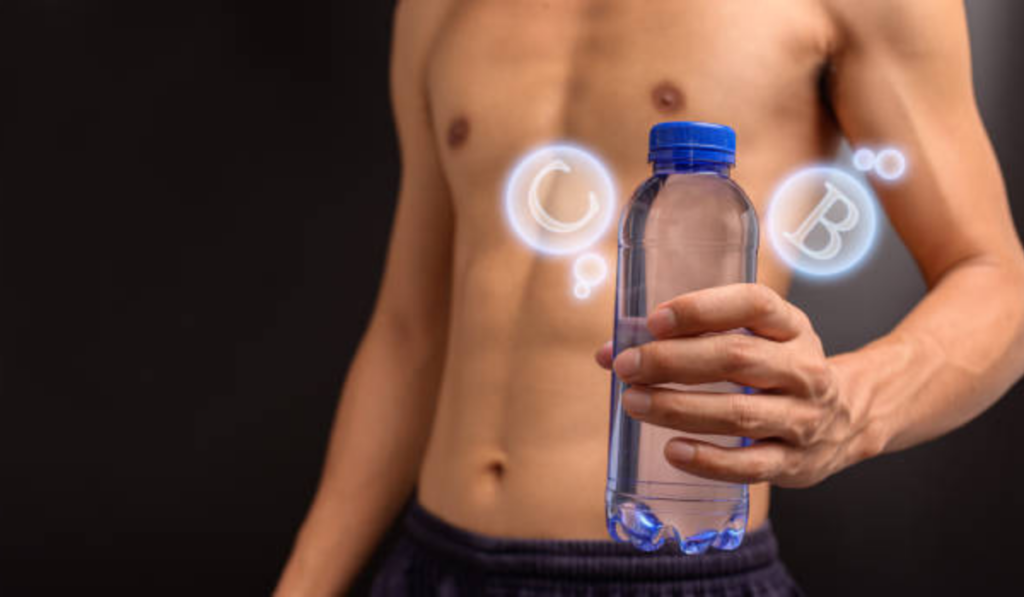
When you drink water, it follows the body’s normal digestive process.
After swallowing:
- Water enters the stomach.
- It moves into the small intestine.
- Fluids are absorbed through the intestinal wall.
- Water and electrolytes enter the bloodstream.
- The body distributes fluids where they are needed.
For healthy individuals with normal digestion, this process is highly effective for maintaining hydration throughout the day.
How Does IV Hydration Work?
IV hydration delivers sterile fluids directly into a vein through a small intravenous catheter.
Because fluids enter the bloodstream without passing through the digestive tract, IV hydration may be considered in situations where:
- Oral hydration is difficult
- Persistent vomiting limits fluid intake
- Significant dehydration requires medical treatment
- Rapid fluid replacement is clinically appropriate
Depending on the treatment plan, IV fluids may also contain electrolytes or other ingredients selected according to individual needs.
The decision to administer IV hydration should always be based on a healthcare provider’s clinical assessment.
IV Hydration vs Drinking Water

| Feature | IV Hydration | Drinking Water |
| Fluid Delivery | Directly into the bloodstream | Through the digestive system |
| Speed of Absorption | Typically faster | Gradual absorption |
| Requires Medical Supervision | Yes | No (for most healthy individuals) |
| Appropriate for Severe Dehydration | May be appropriate when clinically indicated | Often insufficient alone if oral intake is not possible |
| Suitable for Everyday Hydration | Generally no | Yes |
When Drinking Water May Be Enough
For many healthy individuals, drinking fluids is sufficient to maintain or restore hydration.
Oral hydration is commonly appropriate for:
- Everyday fluid replacement
- Mild dehydration after exercise
- Warm weather
- Routine wellness
- Minor fluid losses
In some cases, oral rehydration solutions containing electrolytes may also be recommended.
When IV Hydration May Be Considered
Healthcare providers may consider IV hydration when oral hydration is limited or insufficient.
Examples may include:
- Persistent nausea or vomiting
- Difficulty swallowing fluids
- Moderate to significant dehydration
- Certain gastrointestinal illnesses
- Recovery following selected medical procedures
- Situations requiring clinician-directed fluid replacement
Not everyone experiencing fatigue or thirst requires IV hydration.
An individualized assessment helps determine the most appropriate approach.
Can IV Hydration Replace Drinking Water?
No.
IV hydration is not intended to replace daily water intake for healthy individuals.
Drinking water remains the primary and most appropriate way to maintain hydration for most people throughout the day.
IV hydration is generally reserved for situations where oral hydration may be insufficient, impractical, or medically inappropriate.
For ongoing health, maintaining adequate daily fluid intake remains an important part of overall wellness.
Does Faster Hydration Mean Better Results?

Not necessarily.
Although IV fluids reach the bloodstream more quickly than fluids consumed orally, the speed of delivery alone does not determine whether IV hydration is the most appropriate choice.
The overall benefit depends on several factors, including:
- The cause of dehydration
- Severity of fluid loss
- Electrolyte balance
- Medical history
- Ability to tolerate oral fluids
- Individual health goals
For many healthy individuals with mild dehydration, drinking water or an oral rehydration solution may provide effective hydration without requiring intravenous therapy.
What Is Included in an IV Hydration Treatment?
Treatment plans vary depending on the individual’s clinical assessment.
Depending on medical appropriateness, an IV hydration therapy session may include:
- Sterile intravenous fluids
- Electrolytes
- Vitamins
- Minerals
- Other provider-selected ingredients based on individual needs
Not every patient requires the same IV formulation, and recommendations should always be personalized.
What Happens During an IV Hydration Session?
Although protocols differ between providers, many medically supervised IV hydration appointments include the following steps.
Initial Assessment
Before treatment, a healthcare provider may review:
- Current symptoms
- Medical history
- Medications
- Hydration status
- Vital signs
- Treatment goals
This evaluation helps determine whether IV hydration is appropriate.
IV Placement
A small intravenous catheter is inserted into a vein, typically in the arm or hand, using sterile technique.
Most individuals experience only brief discomfort during placement.
Fluid Administration
The prescribed IV fluids are delivered gradually over a designated period while the individual is monitored.
Treatment duration depends on:
- The type of IV fluids
- Volume administered
- Individual treatment plan
After Treatment
Following the session, many individuals can resume their usual daily activities unless advised otherwise.
Your provider may also recommend:
- Continuing oral hydration
- Monitoring symptoms
- Following individualized wellness recommendations
Clinical Perspective

Educational resources supported by the National Institutes of Health (NIH) and the Centers for Disease Control and Prevention (CDC) emphasize that maintaining adequate hydration is important for overall health and that oral hydration remains appropriate for most healthy individuals.
For example, a person experiencing mild dehydration after spending time outdoors may recover adequately with water and oral electrolyte solutions. In contrast, someone with persistent vomiting who is unable to retain fluids may require medical evaluation to determine whether IV hydration is clinically appropriate.
The decision to use IV hydration should be guided by a healthcare professional based on the individual’s symptoms, medical history, and overall condition rather than convenience alone.
Possible Risks and Considerations
Although IV hydration is generally considered safe when administered by qualified healthcare professionals, it is still a medical procedure.
Potential risks may include:
- Temporary discomfort at the IV site
- Bruising
- Mild swelling
- Infection (rare)
- Fluid overload in susceptible individuals
- Allergic reactions to certain ingredients, when included
A professional evaluation helps determine whether IV hydration is appropriate and whether any precautions are needed.
Who May Not Be an Ideal Candidate?
IV hydration may not be appropriate for everyone.
Additional medical evaluation may be necessary for individuals with:
- Certain kidney disorders
- Congestive heart failure
- Significant liver disease
- Conditions associated with fluid retention
- Certain electrolyte abnormalities
Treatment recommendations should always be individualized based on a comprehensive health assessment.
Why Personalized Medical Evaluation Matters

Feeling tired, dizzy, or thirsty does not automatically mean IV hydration is necessary.
These symptoms can have many possible causes, including:
- Mild dehydration
- Viral illness
- Low blood sugar
- Medication side effects
- Sleep deprivation
- Nutritional deficiencies
- Underlying medical conditions
A personalized medical evaluation helps identify the underlying cause of symptoms and determine whether IV hydration, oral hydration, or another treatment approach is most appropriate.
Why Medical Oversight Matters More Than Speed
While IV hydration may restore fluids more quickly than drinking water in certain situations, the decision to receive IV therapy should never be based on speed alone.
The most important question is not “Which works faster?” but rather “Which option is medically appropriate for my condition?”
At a medically supervised wellness clinic, healthcare providers consider several factors before recommending IV hydration, including:
- Current symptoms
- Hydration status
- Medical history
- Current medications
- Underlying health conditions
- Ability to tolerate oral fluids
- Individual wellness goals
This personalized approach helps ensure that treatment recommendations prioritize patient safety rather than convenience or marketing claims.
Pros and Cons of Popular Anti-Aging Treatments
IV hydration is often most beneficial when integrated into a broader, individualized care plan.
Depending on your symptoms and health assessment, your provider may also recommend:
- Oral hydration strategies
- Electrolyte replacement
- Nutritional guidance
- Lifestyle modifications
- Rest and recovery recommendations
- Additional medical evaluation when appropriate
- Follow-up care based on your response to treatment
Rather than serving as a replacement for healthy daily habits, IV hydration may complement a personalized wellness strategy when clinically appropriate.
FAQs
Does IV hydration work faster than drinking water?
Yes. IV hydration delivers fluids directly into the bloodstream, so hydration typically begins more quickly than fluids absorbed through the digestive system. However, faster delivery does not necessarily mean IV therapy is the best option for every individual.
Is IV hydration better than drinking water?
Not necessarily. Drinking water remains the preferred method of hydration for most healthy individuals. IV hydration is generally reserved for situations where oral hydration is insufficient or medically inappropriate.
How long does an IV hydration session usually take?
Treatment times vary depending on the type of IV therapy and the volume of fluids administered, but many sessions are completed within approximately 30 to 60 minutes.
Can IV hydration help with fatigue?
Fatigue can have many possible causes. If dehydration is contributing to fatigue, correcting fluid loss may help improve symptoms. A healthcare provider can determine whether IV hydration is appropriate based on an individualized evaluation.
Is IV hydration safe?
IV hydration is generally considered safe when administered by qualified healthcare professionals using appropriate medical protocols. As with any medical procedure, potential risks and contraindications should be discussed before treatment.
Should I choose IV hydration after exercise?
Most individuals recover well with water and oral electrolyte replacement after routine exercise. IV hydration may be considered in selected situations involving significant dehydration or when oral hydration is not feasible, following medical assessment.
Choosing the Right Hydration Approach for Your Needs
Both drinking water and IV hydration play important roles in maintaining or restoring hydration, but they are not interchangeable.
For everyday wellness, drinking water remains the foundation of healthy hydration.
IV hydration may be appropriate in selected clinical situations where oral fluids alone are insufficient or when a healthcare provider determines that intravenous therapy better meets an individual’s medical needs.
Rather than focusing solely on which method works faster, the most effective approach is choosing the option that aligns with your symptoms, overall health, and clinical evaluation.
At Circle Wellness, hydration therapy is guided by personalized assessments and evidence-informed care, helping ensure that every treatment recommendation supports both patient safety and long-term wellness.


Book a Personalized Hydration Consultation
Our goal is to provide evidence-informed, medically guided care