
IV Hydration in Melville: Who Might Benefit and Who Should Skip It
- Personalized assessment
- Symptom evaluation
- Medication review
- Hydration status analysis
- Medical history screening
- Safety-focused protocols
What Is IV Hydration Therapy?

IV hydration therapy delivers fluids directly into the bloodstream through an intravenous line.
Depending on the formulation, treatment may include:
- Sterile saline fluids
- Electrolytes
- Vitamin C
- B-complex vitamins
- Magnesium
- Amino acids
- Antioxidants
Because fluids bypass the digestive system, hydration support can occur more directly than oral hydration alone.
However, IV hydration should not replace:
- Proper nutrition
- Preventive healthcare
- Emergency treatment
- Ongoing medical management
Medically supervised clinics often approach IV hydration as supportive wellness care rather than a universal solution.
Why Hydration Matters More Than Many People Realize
Hydration supports many essential physiological functions, including:
- Blood circulation
- Temperature regulation
- Muscle function
- Nutrient transport
- Cognitive performance
- Joint lubrication
- Electrolyte balance
Even mild dehydration may sometimes contribute to symptoms such as:
- Fatigue
- Headaches
- Dizziness
- Dry mouth
- Muscle cramps
- Reduced exercise performance
According to guidance from MedlinePlus, dehydration can affect normal body function and may become more noticeable during illness, excessive sweating, heat exposure, or gastrointestinal fluid loss.
A Simple Medical Explanation of How IV Hydration Works

Electrolytes such as sodium and potassium help regulate fluid balance between cells and tissues.
Certain nutrients commonly used in IV therapy may also support normal physiological processes:
- Magnesium may support muscle and nerve function
- B vitamins can play a role in energy metabolism
- Fluids help maintain hydration balance and circulation
Because the infusion enters directly into the bloodstream, some patients may experience more rapid hydration support compared to oral hydration methods.
That said, outcomes often depend on:
- Overall health status
- Existing nutrient deficiencies
- Lifestyle factors
- Underlying medical conditions
- Hydration levels
- Individual physiology
This is one reason medically supervised IV therapy typically begins with a personalized assessment rather than standardized protocols.
Who May Benefit From IV Hydration in Melville NY
Different individuals seek IV hydration for different reasons.
Some patients are focused on recovery support, while others may pursue hydration optimization or wellness-focused care.
Below are several situations where IV hydration may potentially help under proper medical supervision.
Active Adults and Athletes

Exercise-related sweating can sometimes contribute to:
- Temporary dehydration
- Electrolyte depletion
- Muscle cramping
- Fatigue
- Reduced recovery
Some athletes and active adults use IV hydration as part of a broader recovery strategy following:
- Endurance events
- Intense workouts
- Outdoor activity
- Heat exposure
Certain patients report feeling more hydrated and refreshed after treatment, although responses can vary significantly.
Clinics experienced in wellness and recovery support often evaluate hydration status carefully before recommending therapy.
Busy Professionals Experiencing Fatigue
Long work hours, inconsistent hydration habits, poor sleep, stress, and travel schedules can all contribute to low energy levels.
In some cases, dehydration may be one contributing factor.
However, fatigue can also relate to:
- Hormonal imbalance
- Nutrient deficiencies
- Sleep disruption
- Chronic illness
- Stress physiology
- Mental health factors
Responsible providers generally avoid presenting IV therapy as a “fatigue cure.”
Instead, hydration therapy may sometimes be considered as part of a broader wellness strategy after appropriate evaluation.
Travelers Recovering From Dehydration or Jet Lag

Travel can disrupt hydration balance through:
- Airplane cabin dehydration
- Alcohol intake
- Sleep disruption
- Heat exposure
- Irregular meals
Some travelers seek IV hydration support to potentially help restore fluid balance and recovery after long trips.
Patients considering post-travel recovery support may first review available IV drips to better understand hydration options.
Adults Recovering After Mild Illness
Temporary dehydration may sometimes occur following:
- Gastrointestinal illness
- Reduced fluid intake
- Excessive sweating
- Mild viral recovery
In medically appropriate cases, IV fluids may help support rehydration.
However, symptoms such as:
- Chest pain
- Persistent vomiting
- Confusion
- High fever
- Breathing difficulty
may require urgent medical evaluation rather than wellness-based IV therapy.
Wellness-Focused Adults Seeking Preventive Support

Some individuals incorporate IV hydration into broader wellness routines focused on:
- Recovery support
- Nutritional support
- Hydration optimization
- Lifestyle wellness
- Performance recovery
Still, treatment plans should generally remain personalized rather than trend-driven.
Experienced providers often emphasize that “more” vitamins or fluids are not always better.
Who May Need to Avoid IV Hydration Therapy
An important part of medically responsible IV wellness care is identifying patients who may not be appropriate candidates.
Certain conditions may increase the risk of complications from intravenous fluids or nutrient administration.
Individuals With Kidney Disease
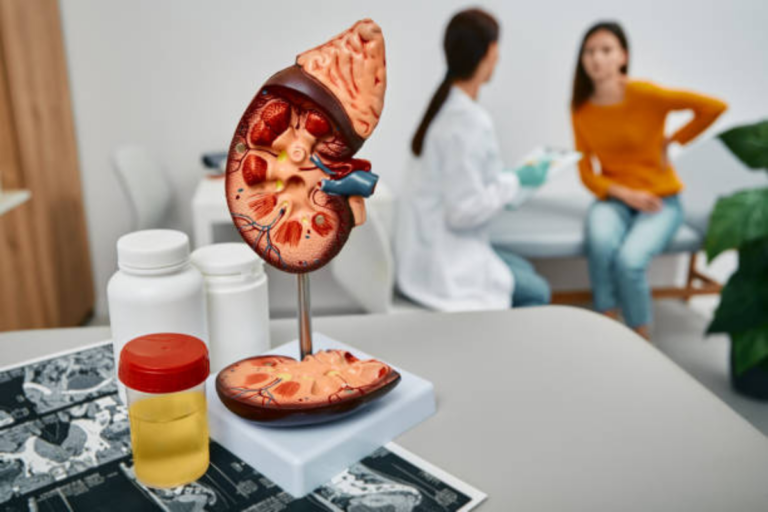
The kidneys help regulate:
- Fluid balance
- Electrolyte levels
- Waste filtration
Patients with impaired kidney function may have difficulty processing excess fluids or minerals safely.
Additional medical evaluation may sometimes be necessary before treatment.
Patients With Congestive Heart Failure
Certain cardiovascular conditions may increase the risk of fluid overload.
Excess fluid administration can potentially place additional strain on the circulatory system.
This is one reason personalized medical screening matters before IV therapy.
Individuals With Electrolyte Imbalances
Improper electrolyte administration may occasionally worsen underlying imbalances involving:
- Sodium
- Potassium
- Calcium
- Magnesium
Some patients may require laboratory testing prior to treatment depending on their medical history and symptoms.
Patients With Complex Medical Histories

People managing chronic illnesses, autoimmune disorders, or multiple medications should generally avoid self-selecting IV treatments without professional guidance.
Safe care often depends on:
- Current medications
- Organ function
- Medical diagnoses
- Allergy history
- Hydration status
Why Medical Screening Is Essential Before IV Therapy
- Medical history review
- Symptom discussion
- Medication screening
- Blood pressure evaluation
- Allergy review
- Hydration assessment
- Risk-factor identification
- Whether IV hydration is appropriate
- Which ingredients may be safest
- Whether further medical evaluation is necessary
- Whether treatment should be avoided entirely
Possible Risks and Side Effects of IV Hydration

Although IV hydration is generally well tolerated when administered appropriately, side effects and complications can still occur.
Possible risks may include:
- Bruising
- Swelling
- Discomfort at the IV site
- Infection
- Dizziness
- Electrolyte imbalance
- Fluid overload
Risk levels can vary depending on:
- Patient health status
- Infusion ingredients
- Administration technique
- Medical supervision
- Pre-existing conditions
According to the U.S. Food and Drug Administration (FDA), IV-administered products should be used responsibly and under qualified healthcare oversight.
What Current Research Suggests About IV Hydration
Research involving hydration and intravenous nutrient therapy continues to evolve.
Studies indexed through PubMed and the National Center for Biotechnology Information (NCBI) have explored hydration support, electrolyte balance, and micronutrient administration across multiple medical and wellness settings.
Current evidence suggests that outcomes often depend heavily on:
- Proper patient selection
- Medical supervision
- Underlying health conditions
- Appropriate dosing
- Individual physiology
Importantly, no reputable medical authority currently supports IV hydration as a universal cure for chronic fatigue, aging, immunity, or disease prevention.
This balanced understanding is important for both patient safety and medically responsible wellness care.
A Realistic Clinical Scenario

Consider two hypothetical patients in Melville:
Patient A
A healthy endurance athlete develops temporary dehydration symptoms after prolonged outdoor activity during summer.
After medical screening, hydration support and electrolyte replenishment may be appropriate.
Patient B
Another patient reports fatigue and headaches but also has uncontrolled hypertension and chronic kidney disease.
In this situation, IV hydration may require additional medical evaluation — or may not be appropriate at all.
Although symptoms may initially appear similar, the safest treatment approach can differ substantially.
This is why reputable wellness clinics focus on individualized assessment rather than generalized wellness promises.
Questions Patients Should Ask Before Booking IV Hydration
Before scheduling treatment, patients may want to ask:
- Is the clinic medically supervised?
- Who administers the infusion?
- Are treatment protocols personalized?
- Are ingredients clearly explained?
- What conditions may increase risk?
- Is emergency preparedness available?
- Is screening performed beforehand?
Patients who are unsure whether they are appropriate candidates may benefit from requesting a medical screening consultation before proceeding.
FAQs

Is IV hydration better than drinking water?
Not necessarily.
For many healthy individuals, oral hydration may be completely sufficient. IV hydration may sometimes be considered when faster fluid replenishment or monitored hydration support is needed.
Can IV hydration help with fatigue?
Some patients report temporary improvements in hydration and energy support following IV therapy. However, fatigue can have many underlying causes, so treatment effectiveness often depends on individualized evaluation.
How long does IV hydration usually take?
Many IV hydration sessions may take approximately 30–60 minutes depending on the formulation, infusion rate, and patient needs.
Is IV vitamin therapy safe?
IV therapy is often considered safe when administered under qualified medical supervision and after proper screening. Risks may still exist for certain individuals.
Who should avoid IV hydration?
Patients with kidney disease, certain heart conditions, complex medical histories, or electrolyte disorders may require additional evaluation before receiving treatment.
Can IV hydration support exercise recovery?
Some active adults use IV hydration to support recovery and fluid replenishment after prolonged exercise or excessive sweating, although individual responses can vary.
Why Personalized Medical Evaluation Should Come First
IV hydration in Melville NY may offer supportive wellness benefits for some individuals, particularly when dehydration, recovery needs, or temporary fluid imbalance are contributing factors.
But safe care depends on more than symptoms alone.
The most medically responsible approach usually begins with:
- Personalized assessment
- Symptom evaluation
- Medication review
- Health history screening
- Risk-factor identification
- Professional guidance
A thoughtful screening process can help determine whether IV hydration aligns safely with your individual health needs and wellness goals.
Individuals considering treatment can explore available IV drips or book a medical screening for personalized guidance before starting therapy.