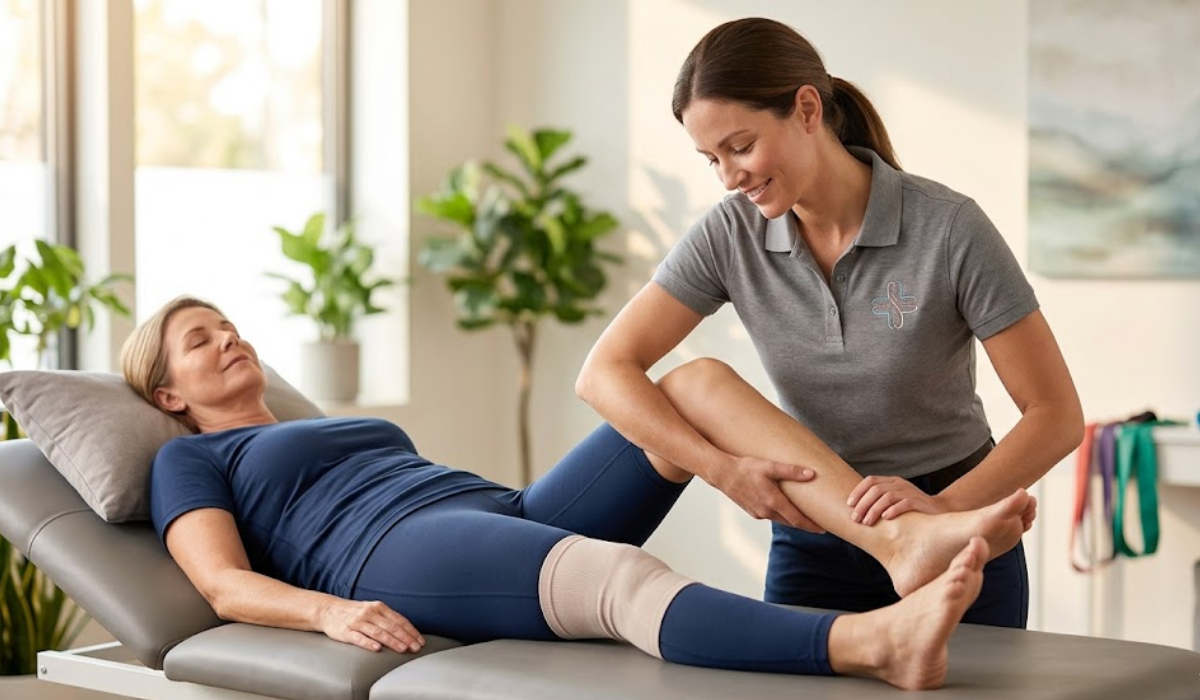
Struggling to Recover After Injury or Surgery?
You’ve done the procedure.
You’ve followed the basic rehab plan.
But something still feels off:
- Stiffness that won’t go away
- Pain that lingers longer than expected
- Limited mobility affecting daily life
Recovery isn’t always straightforward.
At Circle Wellness, many patients seek additional support because standard recovery protocols don’t always address the full-body impact of injury or surgery.
This is where OMT (Osteopathic Manipulative Treatment) can play a critical role.
Why Recovery Is More Complex Than You Think
After injury or surgery, your body doesn’t just heal the affected area—it adapts.
Common post-recovery challenges include:
- Healthy skin depends on several physiological processes working together:
- Muscle tightness and compensation patterns
- Scar tissue formation
- Reduced circulation
- Joint stiffness
- Nervous system imbalance
- These issues can slow healing and lead to chronic pain or limited function if not properly addressed.
What Is OMT (Osteopathic Manipulative Treatment)?
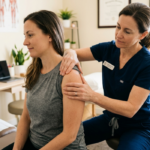
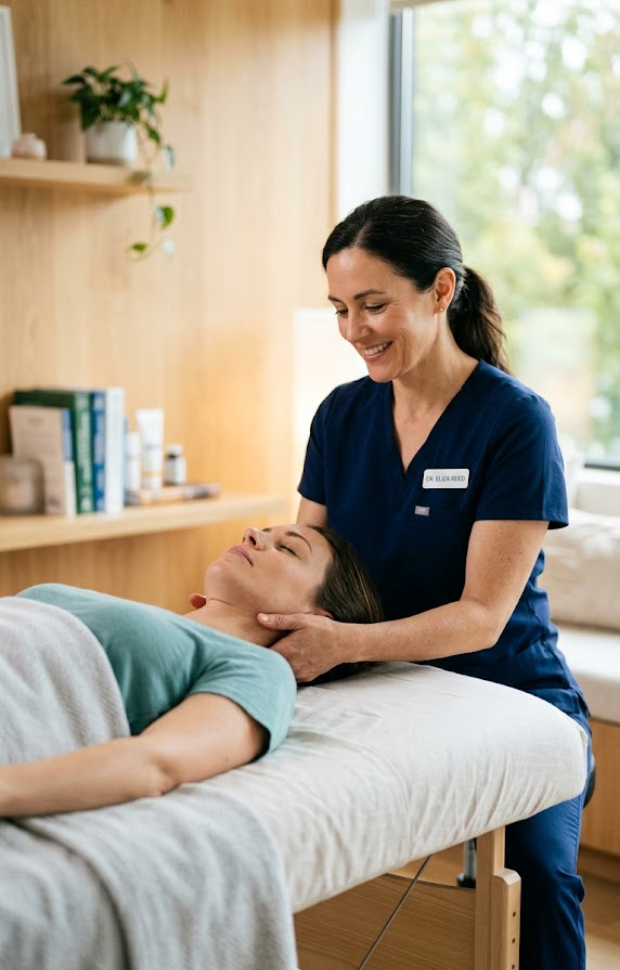
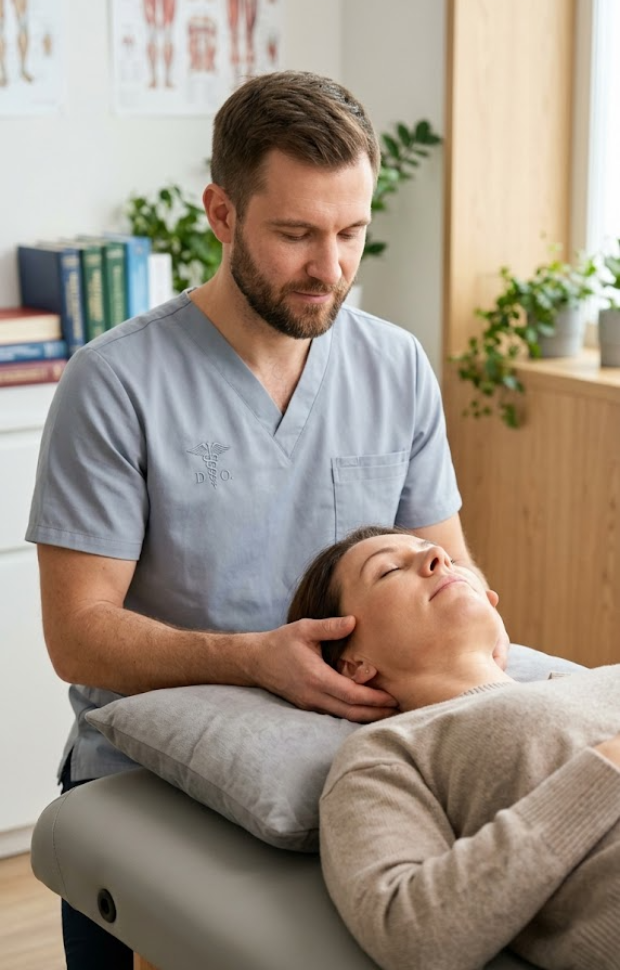
OMT is a hands-on treatment performed by licensed osteopathic physicians (DOs).
It focuses on restoring function across:
- Muscles
- Joints
- Connective tissue (fascia)
- Nervous system
Common techniques include:
- Myofascial release → reduces tension and improves flexibility
- Soft tissue manipulation → enhances circulation
- Joint mobilization → restores range of motion
- Lymphatic techniques → reduce swelling
Unlike passive recovery, OMT actively helps the body heal more efficiently and safely.
The Science Behind OMT for Recovery
OMT is grounded in osteopathic medicine principles that emphasize:
- OMT is grounded in osteopathic medicine principles that emphasize:
- Structure and function are interconnected
- The body has self-healing capabilities
- Proper circulation and nerve function are essential for recovery
- Clinical observations and studies suggest OMT may:
- Improve blood flow to injured tissues
- Reduce inflammation and swelling
- Decrease pain levels
- Enhance mobility and function
Important
How OMT Supports Healing After Injury or Surgery
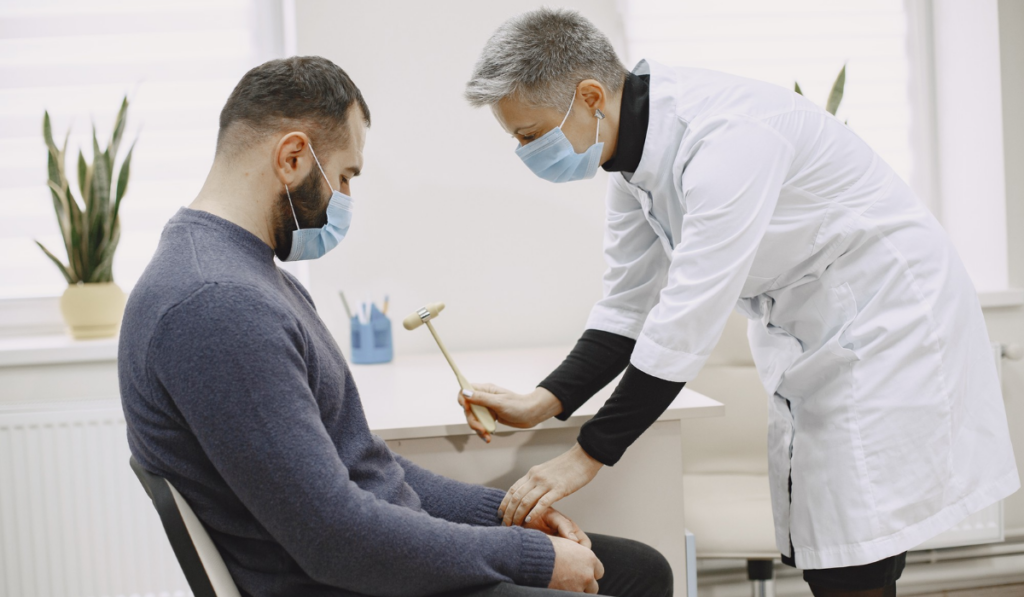
Reduces Pain Without Over-Reliance on Medication
OMT helps relieve musculoskeletal tension, decreasing pain naturally.
Improves Circulation
Better blood flow delivers oxygen and nutrients essential for tissue repair.
Minimizes Scar Tissue Restrictions
Gentle manipulation can reduce stiffness caused by scar tissue formation.
Restores Mobility and Flexibility
Helps joints and muscles regain natural movement patterns.
Supports Lymphatic Drainage
Reduces swelling and promotes healing.
Rebalances the Nervous System
Helps the body shift out of stress mode into recovery mode.
What to Expect During an OMT Session
At Circle Wellness, treatment is personalized and medically guided.
- Step-by-step:
-
- Comprehensive Consultation
- Review of injury/surgery and recovery stage
- Physical Assessment
- Mobility, tension, and alignment evaluation
- Hands-On Treatment
- Gentle, targeted techniques
- Comprehensive Consultation
- What it feels like:
- Mild pressure and stretching
- Relaxing, not painful
- No downtime
Who Can Benefit from OMT for Recovery?
JetPeel may need to be delayed or modified if you have:
- Active skin infections or open lesions
- Severe inflammatory acne
- Certain dermatologic conditions
- Recent advanced skin procedures
Individuals with underlying skin concerns should seek evaluation from a licensed professional before treatment.

Safety & Medical Considerations (YMYL Critical)
- Safe when performed by a licensed osteopathic physician
- Non-invasive
- Low-risk
- Timing matters—treatment must align with your recovery stage
- Not suitable for certain acute or unstable conditions
- Always requires medical evaluation before starting
When to Be Cautious
OMT is generally:
- Safe when performed by a licensed osteopathic physician
- Non-invasive
- Low-risk
However:
- Timing matters—treatment must align with your recovery stage
- Not suitable for certain acute or unstable conditions
- Always requires medical evaluation before starting
⚠️ If you experience severe pain, infection signs, or complications, seek immediate medical care.
Why Choose a Medical Wellness Clinic for OMT?
At Circle Wellness, OMT is:
- Physician-guided (DO-based care)
- Tailored to your specific injury or surgical history
- Integrated with:
- rehabilitation strategies
- lifestyle support
- long-term recovery planning
This ensures:
- Safe progression
- Better functional outcomes
- Reduced risk of chronic issues
Ready to Support Your Recovery the Right Way?
If your recovery feels slower, incomplete, or more painful than expected, it may be time to explore a more comprehensive approach.
At Circle Wellness, OMT is used to:
- Address underlying dysfunction
- Improve healing efficiency
- Restore full-body balance
FAQs
Can OMT help after surgery?
Yes, when appropriately timed, OMT can support recovery by improving circulation, reducing pain, and restoring mobility.
Is OMT safe after an injury?
OMT is generally safe when performed by a licensed physician and tailored to the stage of injury.
How soon can I start OMT after surgery?
This depends on the type of surgery and your recovery progress. Always consult your physician first.
Does OMT replace physical therapy?
No. OMT complements physical therapy but does not replace it.
How many sessions are needed?
The number of sessions varies based on the injury, surgery, and individual recovery goals.
What conditions benefit most from OMT?
Musculoskeletal injuries, post-surgical stiffness, and chronic pain conditions often respond well.

Conclusion
Recovery after injury or surgery is more than healing tissue—it’s about restoring function, balance, and mobility.
OMT offers a medically guided, non-invasive way to support that process.
With the right approach, recovery doesn’t just happen—it improves.
And that can make all the difference in how you feel long-term.