
You’ve probably tried massage, meds, or even physical therapy. But that deep, nagging pain? It’s still there—stuck in your shoulder, your back, your neck—quiet for a moment, then flaring back up with the next long day.
If this sounds familiar, you’re not alone. Trigger point pain is stubborn. It doesn’t always show up on scans or respond to standard treatments, which makes it one of the most frustrating pain conditions to live with.
The good news? Relief is within reach—thanks to advanced treatments that focus right where the pain begins.
Lidocaine injections are a low-risk, high-impact option to help release tight knots, reduce inflammation, and break the cycle of chronic pain. They’re more than a numbing shot; they work with your body to calm overactive nerves and reset tense tissue.
If you’ve been living with pain that just won’t budge, this could be the missing piece.
What Is a Lidocaine Injection?
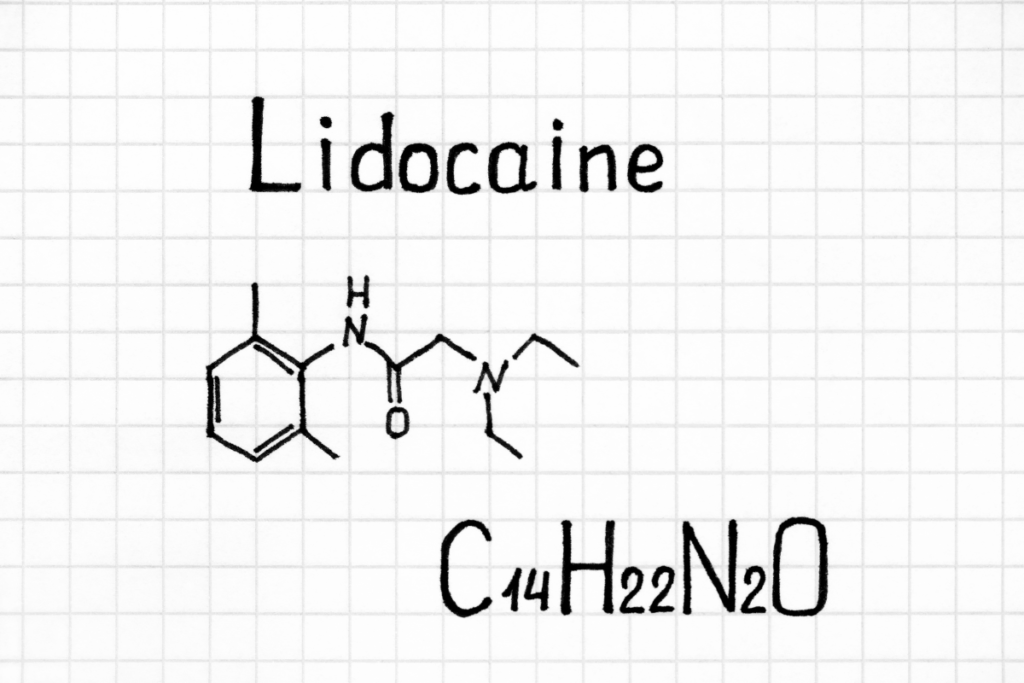
A lidocaine injection is a targeted treatment used to relieve muscle pain, especially from trigger points—those tight, tender knots that cause deep, aching discomfort. While lidocaine is commonly known as a numbing agent, in this context, it does more than dull sensation.
When injected directly into a trigger point, lidocaine helps calm irritated nerves and reduce muscle tension. It essentially “resets” the pain response in that area, giving your body a chance to relax and heal.
Unlike oral medications, which affect your whole system, lidocaine works right where the pain lives—fast and focused. For many people, this localized approach offers real relief without sedation or long-term side effects.
In the hands of a skilled provider, lidocaine injections are a safe, simple way to break the pain cycle and support long-term recovery.
How Lidocaine Works in the Body
Nerve quieting, inflammation reduction, and the science of pain relief.
Lidocaine does more than numb. It targets the irritated nerves responsible for keeping muscles tense and sore.
Here’s how it works:
- Blocks pain signals at the source
Lidocaine stops nerve signals by blocking sodium channels, which means your brain stops getting constant pain messages. - Calms irritated nerves
It reduces nerve overactivity, helping muscles finally release and relax. - Supports local healing
By easing tension, blood flow improves—bringing oxygen and nutrients to the area. - May reduce inflammation
Though not a steroid, lidocaine can lower chemical irritation in the tissue.
The result? A break in the cycle of pain and tightness—giving your body a chance to reset. For many, this small shift can mean big relief.
How Effective Are Lidocaine Injections for Pain Management?

Lidocaine injections are widely used in clinical pain management—and for good reason. When it comes to trigger point pain, they’re not just a temporary fix. They often provide meaningful, lasting relief.
Here’s what the evidence and patient experience show:
- Rapid onset of relief
Many patients feel a noticeable difference within minutes to hours after the injection. - Helps break the chronic pain cycle
By calming hyperactive nerves and reducing local inflammation, lidocaine allows the muscle to reset—often leading to longer-term improvement with follow-up care. - Reduces the need for oral medications
Patients often use fewer NSAIDs or muscle relaxers after receiving injections. - Improves mobility and function
Less pain means you can move more freely—whether it’s turning your neck, lifting a bag, or getting through your day without constant tension. - Supports physical therapy and rehab
Injections can “unlock” tight muscles, making bodywork or exercise more effective. - Well-studied and commonly used
Especially in cases of myofascial pain syndrome, lidocaine has shown consistent results in both studies and real-world care.
While everyone responds differently, lidocaine injections are a low-risk, high-reward option for many people dealing with persistent, muscle-based pain—especially when other treatments haven’t been enough.
Benefits of Lidocaine Injections for Trigger Point Pain

Lidocaine injections target overactive muscle knots directly, helping reduce pain and restore ease of movement—often within minutes. They’re a simple, effective option for people dealing with stubborn trigger point pain that hasn’t responded to stretching, massage, or meds.
Here’s what patients commonly notice:
- Quick relief, sometimes same-day
- Reduced muscle tightness and tension
- Improved mobility and flexibility
- Less reliance on daily pain medication
- Better sleep and daily function
Results can last days to weeks and often improve with follow-up care. For many, it’s a turning point—less pain, more freedom.
Possible Side Effects and How Long They Last
Lidocaine injections are usually well-tolerated, with most side effects mild and temporary when delivered by a skilled provider
Here’s what you might experience:
- Soreness or tenderness at the injection site
This is the most common side effect and usually fades within a few hours to a day. - Temporary numbness or tingling
Lidocaine may cause localized numbness near the injection area. It typically resolves within 1–3 hours. - Mild bruising
A small bruise can form at the injection site, especially if capillaries are close to the surface. It usually clears up in a few days. - Lightheadedness or fatigue
Rare, but can happen in sensitive individuals. Rest and hydration usually help it pass quickly.
In most cases, any discomfort is minor and short-lived. Most patients return to normal activity the same day—often with far less pain than they started with.
Post-Treatment: What You Can and Can’t Do
Lidocaine injections are low-risk, but a little post-care goes a long way in making the relief last.
Here’s what to expect—and what to avoid—after your session:
You can move gently.
Avoid strenuous activity for 24–48 hours.
Expect mild soreness
Skip anti-inflammatories unless advised.
Use heat, not ice.
Every body responds differently, but most people feel safe resuming normal routines within a day. Just listen to your body—and follow any custom instructions your provider gives you.
Follow-Up and Monitoring Relief

Relief from a lidocaine injection can be felt quickly—but lasting improvement often happens over time, especially with repeat treatments or supportive care like massage or physical therapy.
Here’s what to expect after your session:
Initial relief within hours to 1–2 days
Some people feel better right away. For others, it takes a day or two for muscles to fully release.
Relief may last days to weeks
Depending on how long the trigger point has been active, results vary. Chronic pain may require a series of treatments to fully reset.
Your provider tracks progress over time
You’ll discuss pain levels, range of motion, and overall function during follow-ups. This helps tailor your care and know when (or if) another injection is needed.
Ongoing support improves results
Pairing injections with movement, breathwork, or bodywork can help the effects last longer.
You don’t need to guess if it’s working. We’ll check in, track your outcomes, and adjust as needed—so relief isn’t just a moment, but a plan.
FAQs

1. What exactly is a lidocaine injection?
It’s a small injection of a local anesthetic (lidocaine) directly into a trigger point—tight muscle knots that cause pain and tension.
2. How quickly does it work?
Many people feel relief within minutes to a few hours. For others, it may take a day or two as the muscle releases.
3. How long does the pain relief last?
Relief can last anywhere from a few days to several weeks, depending on the severity of the trigger point and other factors like posture or stress.
4. Is it just a numbing shot?
No—while lidocaine does numb the area temporarily, it also helps deactivate the trigger point and calm nerve overactivity.
5. Are lidocaine injections safe?
Yes. When performed by trained providers, lidocaine injections are low-risk. Minor side effects like soreness or bruising may occur but usually resolve quickly.
6. Will I need more than one treatment?
Some people find lasting relief after one injection, while others benefit from a short series over several weeks. Your provider will tailor the plan to your response.
7. Can I go back to work or exercise after?
In most cases, yes. Some mild soreness is normal, but you can usually return to normal activities the same day.
8. Is this covered by insurance?
Coverage varies. Many insurance plans do cover trigger point injections. Our team can help verify your benefits and provide documentation if needed.
Final Thoughts: You Don’t Have to Stay in Pain
Lidocaine injections aren’t a magic fix—but for many, they’re a powerful reset. By calming overactive nerves and breaking the pain cycle, they offer relief that medications and stretching alone often can’t. If your body feels stuck in tension and nothing’s worked long-term, this might be your next step forward. You deserve to feel better—not just for a few hours, but in a way that lasts.