Can Medical Massage Help With Neuropathy?

“When your nerves become unpredictable, even the smallest everyday tasks can start feeling uncertain.”

You expect your feet to feel the floor beneath you. You expect your hands to button a shirt, hold a coffee mug, or type on a keyboard without thinking about it. But with neuropathy, those simple moments can become frustrating reminders that something doesn’t feel right.

Maybe it’s a burning sensation that appears every evening. Maybe it’s tingling that never completely goes away. Your feet may feel numb one moment and painfully sensitive the next. Some days it’s an aching discomfort. Other days it feels like tiny electric shocks running through your legs or hands.

Many people diagnosed with neuropathy find that medications help manage symptoms—but don’t always eliminate them. Even when the underlying condition is being treated, muscle tightness, reduced circulation, poor balance, and chronic stress can continue to affect daily life.

Medical massage has become an increasingly recognized supportive therapy because it doesn’t focus solely on the nerves themselves. Instead, it addresses the muscles, connective tissues, circulation, and nervous system that surround and influence those irritated nerves.

Understanding how that works begins with understanding what neuropathy actually does inside the body.

Understanding Neuropathy

Circle wellness blog (2)

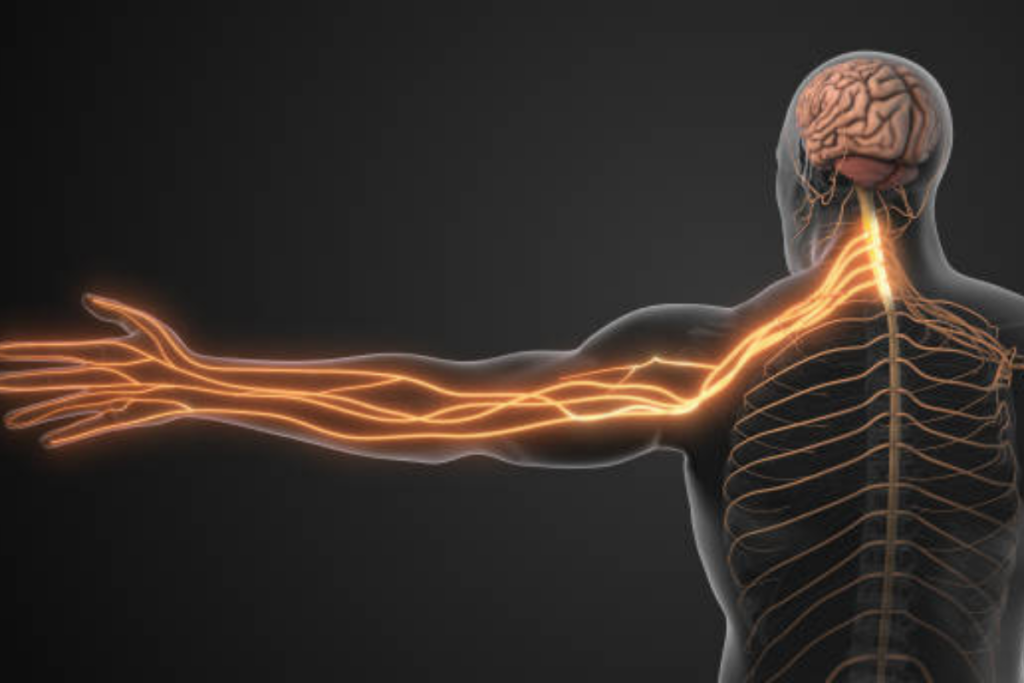
Neuropathy, also called peripheral neuropathy, occurs when the peripheral nerves—the nerves outside the brain and spinal cord—become damaged or dysfunctional.

However, the nerve damage itself is only one part of the picture.

What Many People Don't Realize

Neuropathy affects much more than the nerves.

When painful or altered nerve signals continue for weeks or months, the body begins adapting in ways that may actually increase discomfort.

Muscles often tighten to protect painful areas. Reduced movement decreases circulation. Fear of triggering symptoms may cause people to walk differently, limiting mobility even further.

At the same time, the nervous system itself becomes more sensitive. Over time, the brain may begin amplifying pain signals, causing relatively minor stimulation to feel far more uncomfortable than it should.

This creates a cycle:

  • Nerve irritation increases pain.
  • Pain causes muscle guarding.
  • Tight muscles reduce circulation.
  • Reduced circulation contributes to stiffness.
  • Stiffness limits movement.
  • Reduced movement worsens overall function.

Understanding this bigger picture is important because medical massage does not repair damaged nerves—but it may help improve the environment surrounding those nerves, making daily symptoms easier to manage.

What Is Medical Massage for Neuropathy?
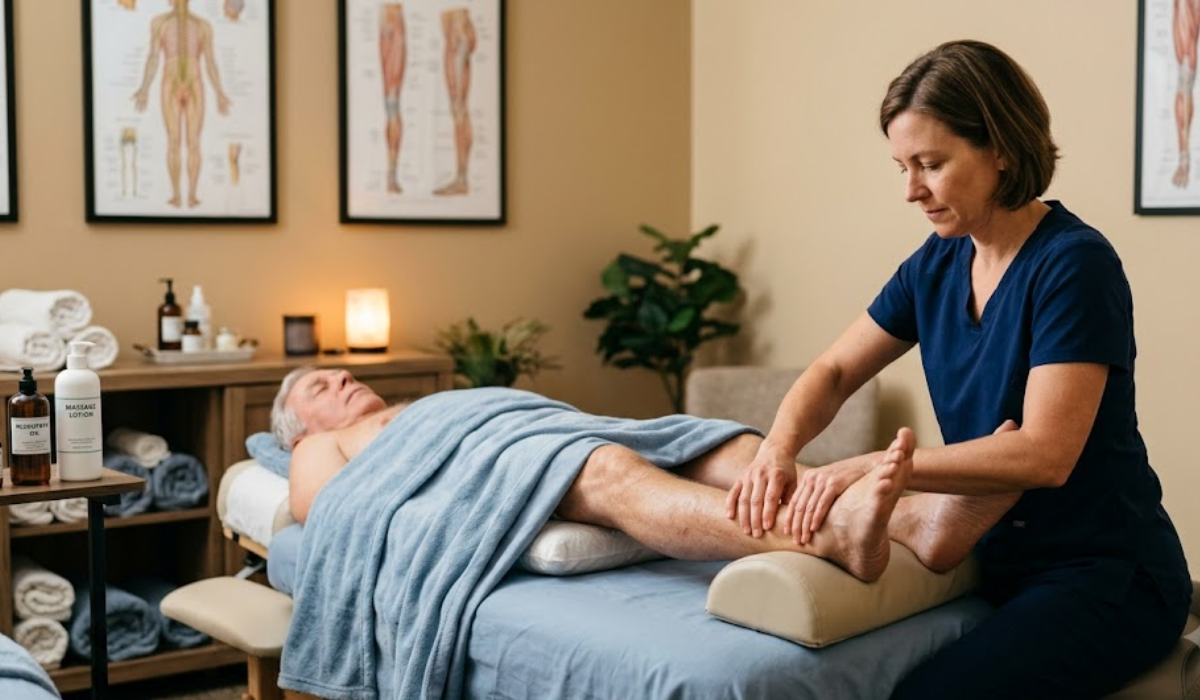
Medical massage is a therapeutic, treatment-focused form of massage that is adapted to a person’s medical condition, symptoms, and physician recommendations.

Unlike a traditional spa massage that focuses primarily on relaxation, medical massage uses specific techniques to address functional problems contributing to pain or limited movement.

For people living with neuropathy, treatment is highly individualized.

Instead, treatment emphasizes comfort, tissue mobility, circulation, and nervous system regulation.

Medical massage is designed to complement—not replace—your neurologist’s, primary care provider’s, or pain specialist’s treatment plan.

How Medical Massage May Help Neuropathy

Medical massage cannot regenerate damaged nerves. However, it may positively influence many of the physical changes that develop around nerve injury.

When nerves become painful or hypersensitive, nearby muscles often tighten automatically as a protective response.

While this guarding is the body’s attempt to reduce pain, it frequently creates new problems.

Chronically tight muscles may increase stiffness, reduce joint mobility, and place additional pressure on already irritated tissues.

Medical massage uses slow, controlled techniques that help muscles gradually relax without overwhelming sensitive nerves.

As surrounding tissues become less tense, many people notice improved comfort during walking, standing, and daily movement.

Healthy nerves depend on oxygen and nutrients delivered through the bloodstream.

Although massage cannot restore damaged nerve fibers, improving circulation around affected muscles and soft tissues may help create a healthier environment for surrounding structures.

Improved blood flow may help:

  • Deliver oxygen to working muscles
  • Support normal tissue nutrition
  • Reduce feelings of heaviness
  • Improve warmth in the hands and feet
  • Encourage healthier movement patterns

For individuals with medically stable neuropathy, these circulatory benefits often contribute to greater physical comfort throughout the day.

Living with chronic nerve pain places constant demands on the nervous system.

Over time, the body may remain in a heightened “fight-or-flight” state, making pain feel stronger and recovery more difficult.

Gentle therapeutic massage stimulates receptors in the skin and muscles that help encourage parasympathetic nervous system activity—the body’s natural “rest and recover” mode.

This shift may help:

  • Reduce stress-related pain amplification
  • Encourage relaxation
  • Lower muscle guarding
  • Improve sleep quality
  • Make flare-ups feel less overwhelming

For many individuals, feeling calmer is just as meaningful as experiencing physical relief.

Neuropathy often changes the way people move.

When walking becomes uncomfortable or balance feels uncertain, it’s natural to limit movement. Unfortunately, reduced activity can increase stiffness, weaken muscles, and further decrease flexibility.

Medical massage helps improve the mobility of muscles, fascia, and surrounding soft tissues that may have become restricted from months or years of altered movement.

As tissue mobility improves, many patients report:

  • Easier walking
  • Less stiffness
  • Greater confidence during movement
  • Improved comfort with daily activities

Better movement often supports better overall function—even when nerve symptoms remain present.

Stress doesn’t cause neuropathy—but it can make symptoms feel significantly worse.

Physical and emotional stress increase the release of cortisol and other stress hormones, which may heighten pain sensitivity and muscle tension.

Medical massage promotes relaxation through gentle, predictable touch and nervous system regulation.

Many people notice improvements in:

  • Overall stress levels
  • Sleep quality
  • Emotional well-being
  • Ability to cope with chronic symptoms

These changes can contribute to fewer stress-triggered symptom flare-ups over time.

Medical massage works best when it’s part of a larger treatment plan rather than a standalone therapy.

It may complement:

  • Physician-guided medical care
  • Diabetes management
  • Physical therapy
  • Occupational therapy
  • Exercise programs
  • Balance training
  • Healthy nutrition
  • Stress-management strategies

Rather than treating neuropathy itself, massage supports the body’s overall comfort and function while other medical treatments address the underlying cause.

Neuropathy Symptoms and Potential Benefits of Medical Massage

Neuropathy ConcernPotential Benefits of Medical Massage
Burning discomfortReduced surrounding muscle tension and improved relaxation
Tingling sensationsImproved circulation and tissue comfort
Muscle stiffnessIncreased flexibility and reduced guarding
Poor circulationSupport for healthy blood flow
Balance difficultiesImproved mobility and body awareness
Stress-related symptom flaresNervous system calming and relaxation
Sleep disruptionImproved physical comfort before bedtime
Daily movement discomfortGreater ease with walking and routine activities

Medical massage is most effective when individualized to each person’s symptoms, medical history, and treatment goals. While results vary, many individuals find that addressing the muscles, circulation, and nervous system surrounding affected nerves provides meaningful improvements in comfort and quality of life.

What to Expect During a Medical Massage Session
Circle wellness blog (6)

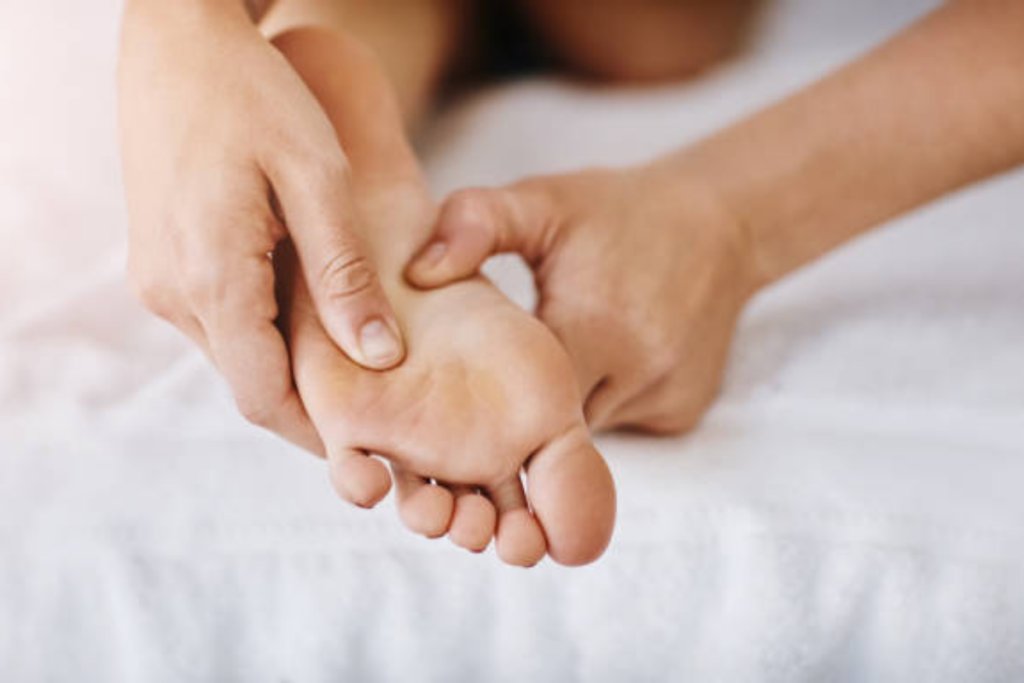
Every neuropathy case is different, so treatment should always begin with a personalized assessment rather than a one-size-fits-all approach. The goal isn’t to “fix” damaged nerves—it’s to help improve comfort, mobility, and quality of life while respecting your body’s sensitivity.

Your massage therapist will begin by learning about your condition, including:

  • Your neuropathy diagnosis and underlying cause
  • Areas affected (feet, legs, hands, or arms)
  • Pain levels and symptom patterns
  • Areas of numbness or hypersensitivity
  • Current medications
  • Medical treatments you’re receiving
  • Balance or mobility concerns

Understanding your symptoms helps determine which techniques are appropriate and which should be avoided.

Before treatment begins, your therapist may assess:

  • Muscle tightness
  • Tissue sensitivity
  • Swelling
  • Skin integrity
  • Joint mobility
  • Posture
  • Walking mechanics (when appropriate)

This evaluation helps create a treatment plan that supports comfort without overstimulating sensitive tissues.

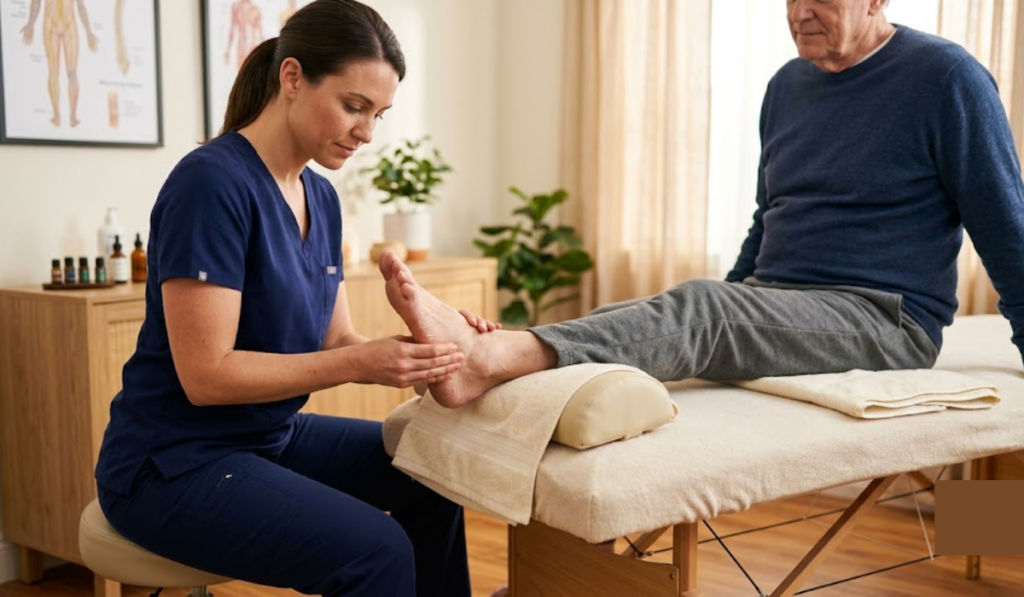
Unlike a relaxation massage, medical massage is carefully adapted to your symptoms.

Depending on your needs, treatment may include:

  • Gentle Swedish massage techniques
  • Myofascial release
  • Light circulatory massage
  • Soft tissue mobilization
  • Gentle stretching
  • Postural muscle work

Pressure is continuously adjusted throughout the session. If an area feels overly sensitive or numb, your therapist will modify the technique accordingly.

Most people describe the session as calming rather than intense.

You may notice:

  • Gentle warmth
  • Reduced muscle tightness
  • Light pressure
  • Increased relaxation
  • Improved comfort in surrounding muscles

The goal is never to “push through pain.” Communication throughout the session helps ensure treatment remains safe and comfortable.

Some people notice improvements immediately, while others experience gradual changes over multiple sessions.

Common responses include:

  • Reduced muscle tightness
  • A lighter feeling in the limbs
  • Easier movement
  • Greater relaxation
  • Improved sleep that evening

Because neuropathy is often a long-term condition, treatment is typically most beneficial when performed consistently as part of an ongoing care plan.

Who May Benefit From Medical Massage for Neuropathy?

Medical massage may benefit individuals living with diabetic neuropathy, chemotherapy-induced peripheral neuropathy, nerve compression syndromes, post-injury neuropathy, or chronic nerve irritation that has been evaluated by a healthcare provider. It can be especially helpful for those who experience burning sensations, tingling, numbness, muscle tightness, balance difficulties, or discomfort that limits daily activities.

Many people also find massage beneficial when the physical effects of neuropathy begin affecting sleep, walking, exercise, or overall quality of life. While massage cannot restore damaged nerves, addressing surrounding muscle tension and improving circulation may help make everyday movement feel more comfortable.

Medical massage is most effective when combined with physician-guided treatment, diabetes management when appropriate, physical therapy, regular movement, healthy nutrition, and consistent medical follow-up. Together, these approaches support a more comprehensive plan for managing neuropathy over time.

What to Expect During a Medical Massage Session

Neuropathy develops over time, and improvements from supportive therapies are usually gradual rather than immediate.

Many people notice:

  • Greater relaxation
  • Less muscle tightness
  • Improved warmth in the hands or feet
  • Better sleep quality
  • Reduced physical stress

These early improvements often relate more to muscle comfort than changes in nerve sensation.

With consistent care, some individuals report:

  • Easier walking
  • Reduced stiffness
  • Improved flexibility
  • Better tolerance for daily activities
  • Less intense muscle guarding

These changes may help improve overall function, even if numbness or tingling persists.

Long-term treatment may contribute to:

  • More consistent symptom management
  • Improved mobility
  • Better stress resilience
  • Greater confidence with movement
  • Enhanced quality of life

Medical massage does not reverse nerve damage, but many patients find that regular treatment helps them feel more comfortable and capable in their daily lives.

Signs Medical Massage May Be Helping

Progress is often measured by improvements in function and comfort rather than complete symptom resolution.

Positive signs may include:

  • Less muscle tightness in affected areas
  • Improved flexibility
  • Better sleep quality
  • Increased comfort when walking or standing
  • Reduced feelings of heaviness
  • Improved circulation and warmth
  • Less anxiety surrounding symptoms
  • Greater confidence during daily movement

Even modest improvements can have a meaningful impact when they make everyday activities feel easier and less stressful.

FAQs

Circle wellness blog (14)

No. Medical massage cannot repair damaged nerves or cure neuropathy. Its role is to support comfort, reduce muscle tension, improve circulation, and complement your overall treatment plan.


For many individuals with medically stable neuropathy, yes. Treatment should always be adapted to the person’s diagnosis, skin condition, circulation, and sensitivity levels.


Some people notice that massage helps decrease the intensity of burning, tingling, or discomfort by improving circulation and reducing muscle tension surrounding affected nerves. Results vary between individuals.

It may be, provided diabetes is medically managed and there are no open wounds, ulcers, or vascular complications. Medical clearance is recommended before beginning treatment.

Treatment frequency depends on your symptoms and treatment goals. Many people begin with weekly or biweekly sessions before transitioning to a maintenance schedule recommended by their healthcare team.

Not usually in highly sensitive areas. Gentle, controlled techniques are generally preferred because aggressive pressure may increase discomfort or irritate already sensitive tissues.

Massage may help encourage healthy blood flow to muscles and soft tissues, which can contribute to improved comfort and mobility. It should not be considered a treatment for vascular disease.


Many people report sleeping better after treatment because reduced muscle tension and nervous system relaxation may make it easier to rest comfortably.


In many cases, yes. Medical massage is commonly used alongside medications, physical therapy, and physician-guided treatment plans. Always inform your therapist about all medications you take.

No. Massage cannot regenerate damaged nerves or restore lost sensation. However, it may help improve overall comfort, movement, and quality of life by addressing surrounding muscles and soft tissues.

Supporting Comfort When Every Step Matters

Living with neuropathy can make everyday activities feel unpredictable, but managing the condition doesn’t have to rely on medication alone. Supporting the muscles, circulation, and nervous system that surround affected nerves may help reduce physical stress and improve overall comfort.

At Circle Wellness, our medical massage therapists work closely with your overall care plan to provide individualized, evidence-informed treatment that prioritizes safety, comfort, and function. Whether you’re managing diabetic neuropathy, chemotherapy-related nerve symptoms, or another form of peripheral neuropathy, medical massage may offer meaningful support as part of your long-term wellness journey.

Schedule a consultation today

to learn whether medical massage is an appropriate addition to your personalized neuropathy care plan.

Legal Disclaimer

The information provided on this blog and website is for informational and educational purposes only and is not intended as a substitute for professional medical advice, diagnosis, or treatment. Always seek the guidance of your physician or another qualified health provider with any questions you may have regarding a medical condition, diagnosis, or treatment plan. Do not disregard or delay professional medical advice because of information you have read on this website.

The content presented may include discussions of wellness therapies, dietary supplements, compounded medications, and other integrative or alternative treatments that are not evaluated or approved by the U.S. Food and Drug Administration (FDA). These services and products are not intended to diagnose, treat, cure, or prevent any disease.

The content is provided “as is,“ without warranties of any kind, either express or implied. While we strive to ensure accuracy, we make no guarantees regarding the completeness, timeliness, or accuracy of the information presented. The website and its authors disclaim any liability for errors, omissions, or outcomes related to the use of the information provided.

Reference to any specific tests, products, procedures, healthcare professionals, or opinions is not an endorsement or recommendation unless explicitly stated. Links to external websites are provided for convenience and do not constitute an endorsement or guarantee of the content contained therein.

Your use of this website constitutes your acceptance of this disclaimer and any future modifications. If you do not agree, please do not use the site.

This disclaimer shall be governed by and construed in accordance with the laws of the State of New York, without regard to conflict of law principles