“Your muscles don’t become tight overnight—and they rarely recover overnight either.”
Muscle soreness may begin after a workout, long hours at a desk, repetitive activity, stress, or an old injury. When tightness persists, everyday movements such as climbing stairs, turning your head, or lifting groceries can become uncomfortable.
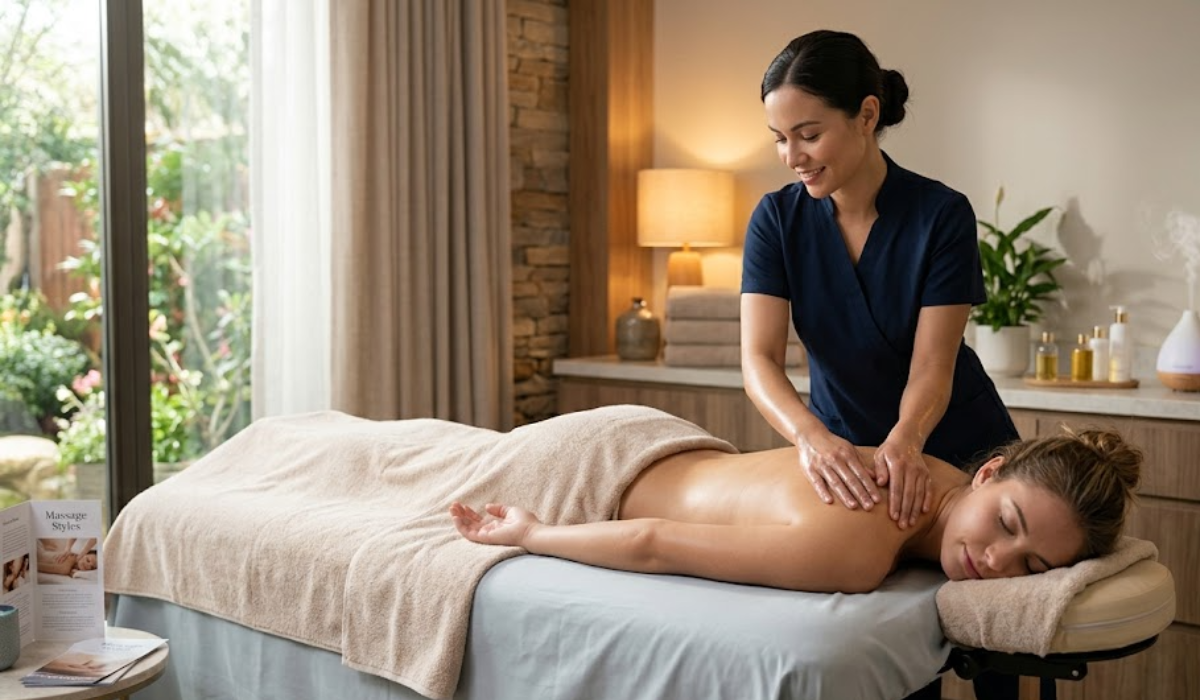
Massage therapy is often used not only for relaxation but also as part of a broader approach to managing muscular pain, stiffness, and movement limitations.
The challenge is choosing the right technique. Medical massage, deep tissue, Swedish massage, sports massage, trigger point therapy, myofascial release, and hot stone massage each have different goals.
Why Do Muscles Become Painful and Inflamed?
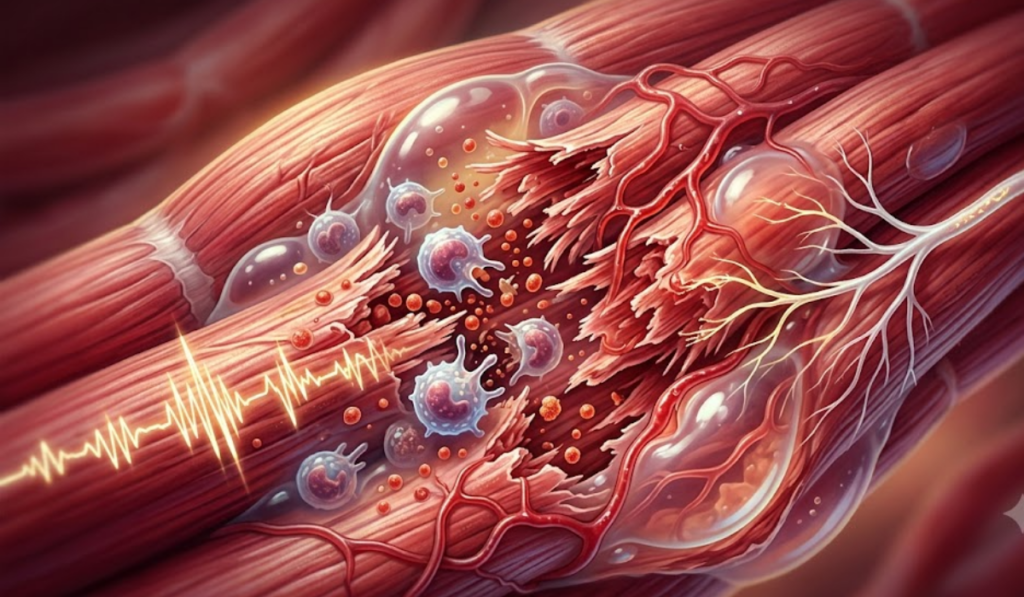
Muscle pain can develop from overuse, injury, repetitive stress, prolonged tension, or intense physical activity. Inflammation is part of the body’s normal response to tissue stress and injury.
Persistent discomfort may also be influenced by:
- Repetitive movement
- Prolonged sitting or standing
- Stress
- Previous injuries
- Limited mobility
- Physical training
- Protective muscle guarding
Common symptoms include tightness, stiffness, tenderness, swelling, reduced flexibility, limited range of motion, and pain during normal activities.
Pain can also change how a person moves. Nearby muscles may tighten to protect a painful area, potentially creating additional patterns of tension.
How Massage Therapy May Support Muscle Recovery
Massage works with muscles and other soft tissues and may help some people experience:
- Reduced muscle tightness
- Greater relaxation
- Improved flexibility or mobility
- Less stress-related muscle tension
- Temporary relief from muscular discomfort
- Easier movement
Massage does not repair every injury or replace appropriate medical treatment.
Which Massage Is Right for You?
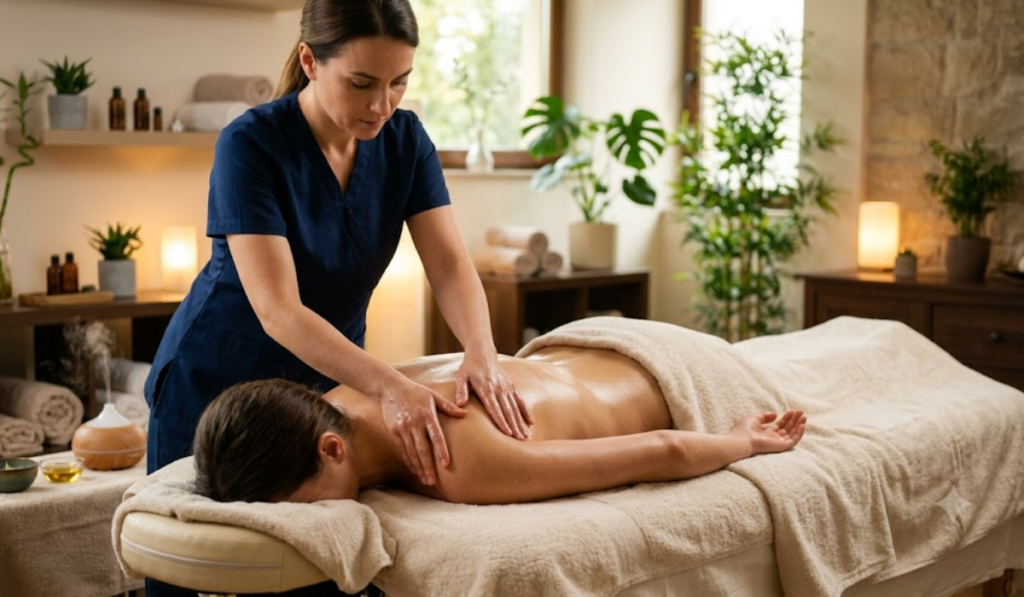
| Massage Type | Commonly Used For | Pressure |
|---|---|---|
| Medical Massage | Chronic pain, injury recovery | Light–Firm |
| Deep Tissue Massage | Persistent muscle tightness | Firm |
| Swedish Massage | Mild soreness, stress | Light–Moderate |
| Sports Massage | Exercise-related recovery | Moderate–Firm |
| Trigger Point Therapy | Localized tender areas | Targeted |
| Myofascial Release | Restricted movement or stiffness | Gentle–Moderate |
| Hot Stone Massage | General stiffness and relaxation | Gentle–Moderate |
No single massage is best for everyone. The appropriate technique depends on your symptoms, health history, activity level, and goals.
1. Medical Massage
Medical massage focuses on a specific muscular or functional concern rather than general relaxation alone.
A therapist may combine:
- Soft-tissue techniques
- Trigger point work
- Stretching
- Myofascial techniques
- Targeted muscle treatment
It may be considered for chronic neck or back discomfort, muscle strains, repetitive-stress symptoms, or other medically evaluated musculoskeletal concerns.
2. Deep Tissue Massage
Deep tissue massage uses slower, firmer pressure directed toward deeper muscle and connective-tissue layers.
It may be considered for persistent muscular tightness involving the:
- Neck
- Shoulders
- Back
- Hips
- Other chronically tense areas
Deep pressure should remain tolerable. More pressure is not automatically more effective, and treatment should be reduced or stopped when it causes sharp or excessive pain.
3. Swedish Massage
Swedish massage typically uses long, flowing strokes, kneading, and rhythmic movements.
It is commonly chosen for:
- General relaxation
- Mild muscle soreness
- Stress-related tension
- General stiffness
- People new to massage
Its lighter or moderate pressure may be preferable when deeper techniques feel uncomfortable.
4. Sports Massage
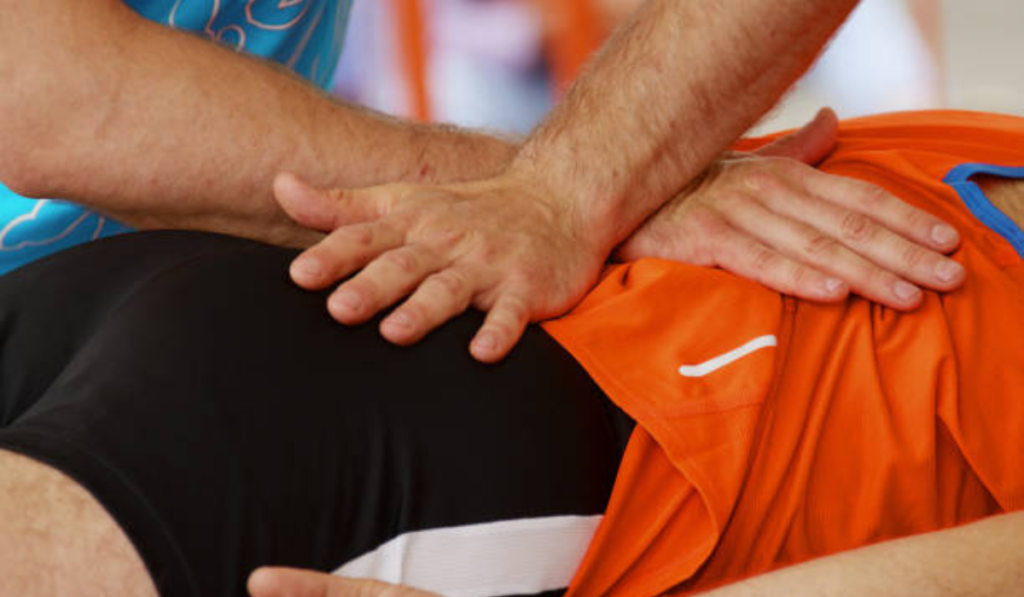
Sports massage is designed around physical activity and exercise-related muscular demands.
It may include stretching, compression, and targeted soft-tissue work.
Sports massage may be useful for people who run, lift weights, cycle, play recreational sports, or exercise regularly—not only professional athletes.
Possible goals include improving comfort, reducing post-exercise muscle tension, and supporting mobility during training or recovery.
5. Trigger Point Therapy
Trigger point therapy focuses on sensitive or tender areas within muscles that may produce local or referred discomfort.
The therapist applies controlled pressure to selected areas while monitoring the client’s response.
It may be considered when a person experiences:
- Localized muscular tenderness
- Restricted movement
- Referred discomfort
- Protective muscle tension
Treatment should not require severe pain. A painful point is not automatically something that must be forced to “release.”
6. Myofascial Release
Fascia is connective tissue surrounding and supporting muscles and other structures.
Myofascial techniques generally use slower, sustained pressure or stretching rather than rapid or forceful movements.
They may be selected when a person experiences:
- Widespread stiffness
- Restricted movement
- Soft-tissue tightness
- Discomfort after prolonged inactivity or repetitive movement
The goal is comfortable movement—not forcing tissue into a predetermined position.
7. Hot Stone Massage
Hot stone massage combines massage with heated stones placed or moved over selected body areas.
The warmth may help some people relax and tolerate gentle massage more comfortably.
It may appeal to people whose muscular tension is associated with general stiffness or stress.
Hot stone massage may not be appropriate for everyone, particularly people with reduced sensation, certain skin conditions, circulation concerns, or other health issues that affect heat tolerance.
How to Choose the Right Massage
Start by considering why your muscles hurt.
| If You Have… | Massage That May Be Considered |
|---|---|
| Chronic muscular discomfort or injury recovery | Medical Massage |
| Persistent deep muscle tightness | Deep Tissue |
| Mild soreness or stress | Swedish Massage |
| Exercise-related fatigue | Sports Massage |
| Localized tender areas | Trigger Point Therapy |
| Widespread stiffness | Myofascial Release |
| General tension with stress | Hot Stone Massage |
A licensed massage therapist can review your symptoms, medical history, pressure preferences, and treatment goals before recommending an approach.
What to Expect During Your First Session
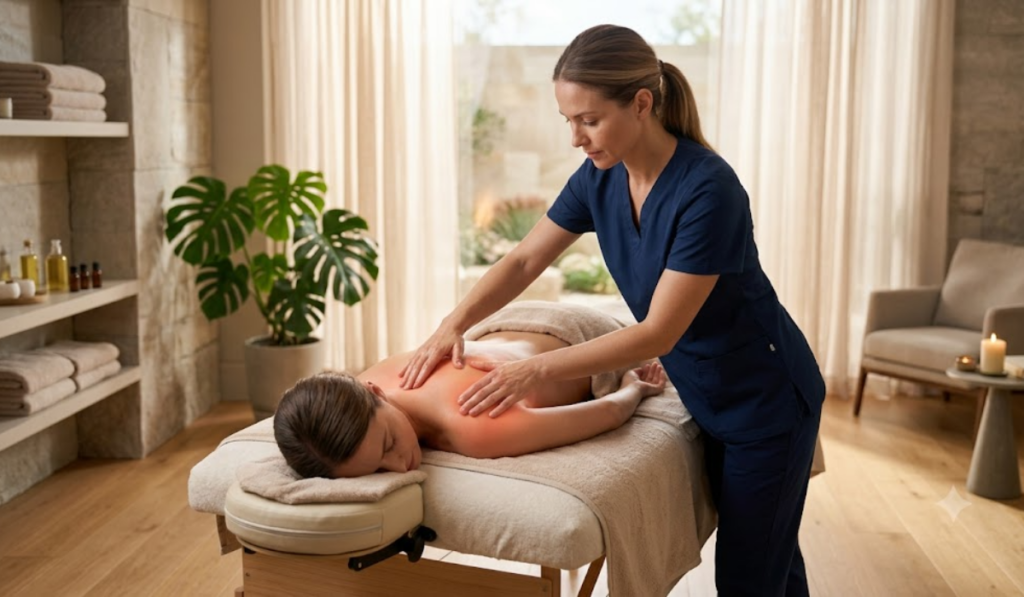
Initial Assessment
The therapist may ask:
- Where the pain is located
- When it started
- What makes it better or worse
- Previous injuries or surgery
- Work and exercise habits
- Medical conditions
- Current medications
Personalized Treatment
Treatment may focus on one area or several related muscle groups.
Pressure should be adjusted throughout the session according to your comfort and tissue response.
After the Session
Some people feel more relaxed or comfortable afterward. Mild temporary tenderness may occur after stronger techniques.
Report severe or worsening pain, significant swelling, new weakness, numbness, or another unusual symptom rather than assuming it is a normal massage reaction.
Report severe or worsening pain, significant swelling, new weakness, numbness, or another unusual symptom rather than assuming it is a normal massage reaction.
Who May Benefit From Massage?
Massage may be considered for people experiencing muscular pain, stiffness, or reduced mobility related to:
- Everyday activity
- Exercise
- Repetitive work
- Long periods of sitting
- Stress-related tension
- Minor soft-tissue problems that have been appropriately evaluated
Massage may work alongside regular movement, exercise, stretching, and physician-guided care when appropriate.
When Should Massage Be Avoided or Modified?
Massage may need to be postponed or medically reviewed when there is:
- Fever or active infection
- Open wounds or skin infection
- Suspected blood clot
- Recent fracture or significant injury
- Severe osteoporosis
- Uncontrolled bleeding disorder
- Severe unexplained swelling
- Sudden numbness or weakness
- Another serious or unstable medical condition
Seek urgent medical care instead of massage for muscle pain accompanied by chest pain, difficulty breathing, loss of bladder or bowel control, or severe neurological symptoms.
When to Expect Results
Response varies according to the cause and duration of symptoms, massage technique, medical history, and activity level.
Some people notice relaxation or reduced muscular tightness after an early session. Others may need reassessment or another form of care.
There is no universal number or frequency of massage sessions that works for everyone. Treatment should be based on your response and goals rather than a preset schedule.
FAQs

Which massage is best for muscle pain?
It depends on the cause. Deep tissue may suit persistent tightness, sports massage may fit exercise-related symptoms, and Swedish massage may be appropriate for general soreness or relaxation.
Can massage reduce inflammation?
Massage may support comfort and muscular recovery, but it should not replace medical treatment for inflammatory diseases or unexplained swelling.
Is soreness after massage normal?
Mild temporary tenderness can occur after stronger techniques. Severe or worsening pain should be evaluated.
Can massage prevent muscle pain?
Massage may be part of a broader plan that also includes appropriate exercise, movement, recovery, and treatment of contributing problems.
Can massage replace physical therapy?
No. Massage may complement rehabilitation but does not replace physical therapy or medical care when those services are needed.
Is deep tissue always best?
No. The appropriate pressure and technique depend on your symptoms, health, goals, and tolerance.
Can massage help stress-related tension?
Massage may help some people relax and reduce perceived muscular tension associated with stress.
How do I choose the right technique?
Start with an assessment by a licensed therapist rather than choosing solely by the massage name.
Should I talk to my doctor first?
Medical guidance may be appropriate when pain is unexplained, severe, associated with neurological symptoms, related to a recent injury or surgery, or occurs alongside a significant health condition.
Find the Right Massage at Circle Wellness
Muscle pain can make ordinary activities more difficult, but the appropriate treatment depends on what is causing the discomfort.
Circle Wellness provides medical massage and other massage approaches tailored to individual symptoms, health history, pressure preferences, and treatment goals.

Find the Right Massage for Your Muscle Pain
Not sure which massage is right for your pain, stiffness, or recovery needs? Our licensed therapists at Circle Wellness can assess your symptoms and create a personalized treatment approach.