Can Medical Massage Help With Neuropathy? (Quick Answer)
“When your nerves become unpredictable, even the smallest everyday tasks can start feeling uncertain.”
Neuropathy can make simple activities—walking, buttoning a shirt, holding a cup, or typing—feel uncomfortable or unreliable. Symptoms may include burning, tingling, numbness, electric-shock sensations, weakness, or increased sensitivity.
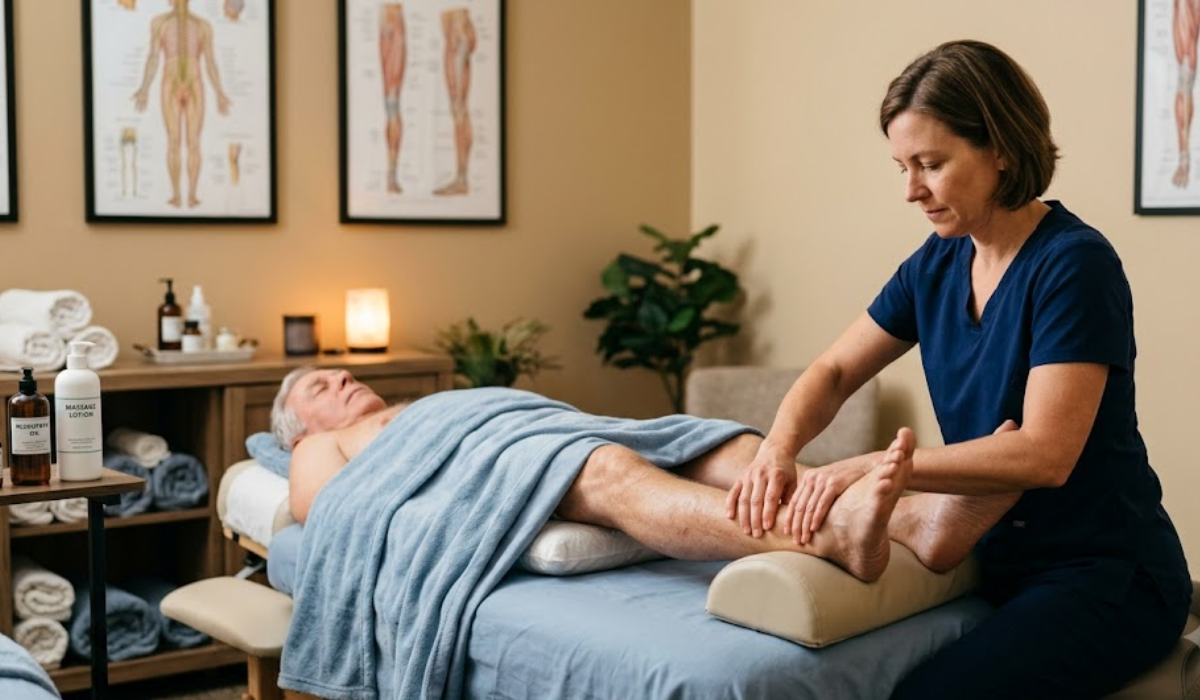
Medical massage does not focus on repairing damaged nerves. Instead, it addresses surrounding muscles, connective tissues, circulation, movement, and physical tension that may contribute to discomfort.
Understanding Neuropathy
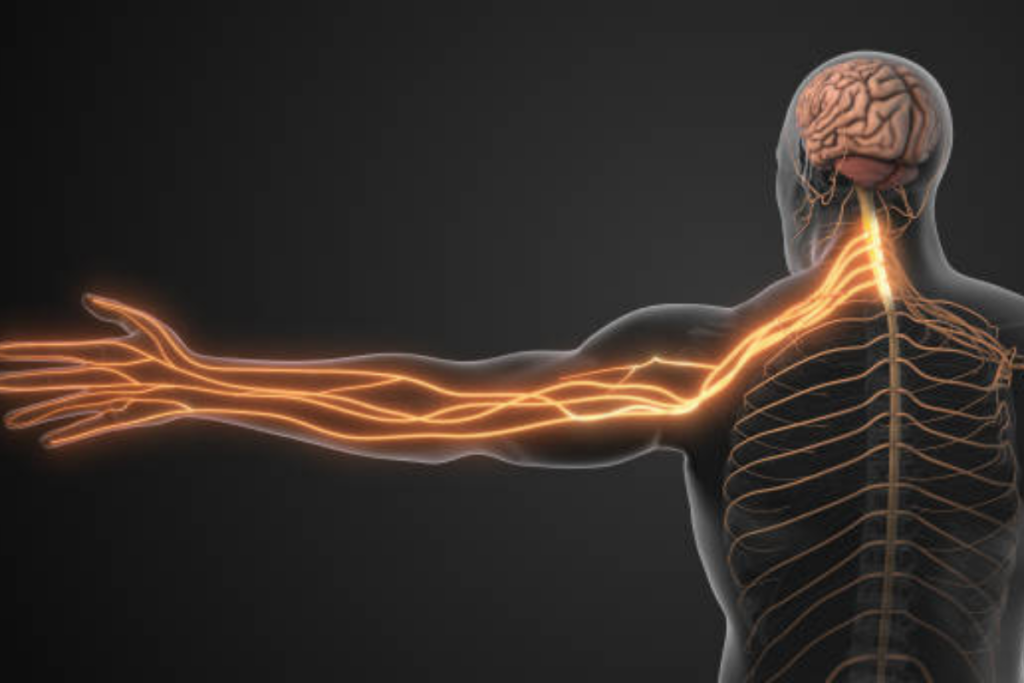
Peripheral neuropathy occurs when nerves outside the brain and spinal cord become damaged or dysfunctional. These nerves help control sensation, movement, balance, pain perception, and certain automatic body functions.
Neuropathy may develop because of diabetes, chemotherapy, autoimmune disorders, vitamin deficiencies, alcohol-related nerve damage, injuries, spinal conditions, infections, or some medications.
- Symptoms often include:
- Burning pain
- Tingling ("pins and needles")
- Numbness
- Electric-shock sensations
- Muscle weakness
- Poor balance
- Increased sensitivity to touch
- Difficulty walking
- Hand weakness
- Foot discomfort
Persistent symptoms can also affect how a person moves. Pain may contribute to muscle guarding, stiffness, reduced activity, and loss of confidence during walking or daily tasks.
.
What Is Medical Massage for Neuropathy?
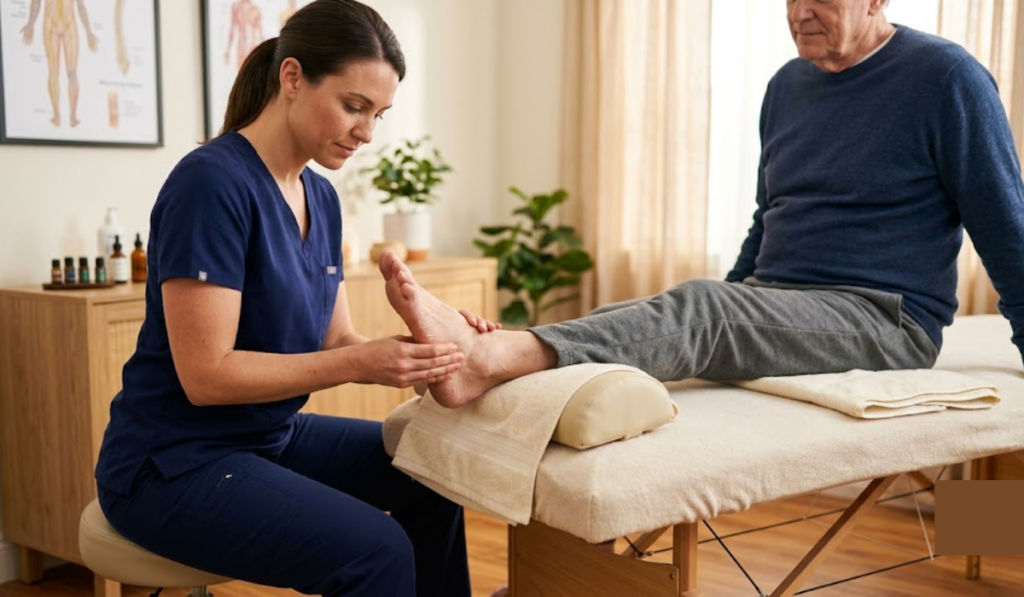
Medical massage is a treatment-focused form of massage adapted to a person’s medical condition, symptoms, and care plan.
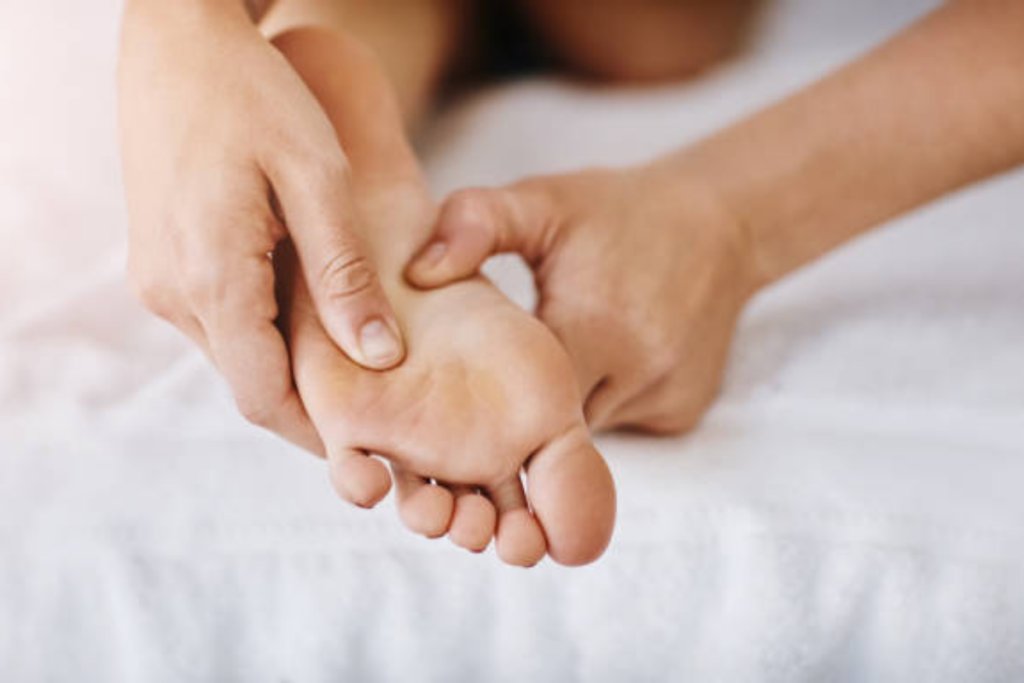
Unlike a general relaxation massage, treatment may focus on specific areas such as the feet, ankles, lower legs, hands, forearms, neck, shoulders, or muscles involved in posture and movement.
- Every session is adjusted according to your:
- Medical diagnosis
- Pain sensitivity
- Circulation
- Skin condition
- Balance concerns
- Mobility limitations
- Because neuropathy can increase sensitivity or reduce protective sensation, deep pressure is not always appropriate.
Medical massage should complement—not replace—care from a neurologist, primary care clinician, pain specialist, or other healthcare professional.
How Medical Massage May Help Neuropathy
1. Helps Reduce Protective Muscle Tightness
Painful or altered nerve signals can cause surrounding muscles to tighten. Over time, this guarding may contribute to stiffness and reduced mobility.
Slow, controlled massage techniques may help relax tense muscles and improve comfort during walking, standing, or daily movement.
2. Support Soft-Tissue Blood Flow
Massage may increase local blood flow to muscles and soft tissues. This may contribute to warmth, tissue comfort, and easier movement.
It should not be presented as a treatment for vascular disease or as a way to repair damaged nerves.
3. Encourage Relaxation
Chronic nerve symptoms can be physically and emotionally stressful. Gentle massage may help reduce muscle guarding and encourage relaxation.
Some people may also notice improved comfort before sleep or feel better able to cope with ongoing symptoms.
4. Support Mobility
Neuropathy may change walking and movement patterns. Reduced activity can then contribute to stiffness and weakness.
By addressing surrounding muscle and soft-tissue tension, massage may help make movement feel more comfortable even when nerve symptoms remain.
5. Complement Comprehensive Care
Massage is generally most useful as one part of a broader plan that may include:
- Physician-guided medical treatment
- Diabetes management
- Physical therapy
- Occupational therapy
- Exercise
- Balance training
- Nutrition
- Stress-management strategies
What to Expect During a Medical Massage Session
1. Health Assessment
The therapist should ask about:
- Neuropathy diagnosis and cause
- Areas affected
- Pain and symptom patterns
- Numbness or hypersensitivity
- Medications
- Current treatments
- Balance and mobility concerns
2. Physical Evaluation
The therapist may assess muscle tightness, tissue sensitivity, swelling, skin condition, joint mobility, posture, and movement.
This evaluation helps guide massage treatment; it does not replace medical diagnosis.
3. Personalized Treatment
Depending on the patient, treatment may include:
- Gentle Swedish techniques
- Myofascial techniques
- Light soft-tissue massage
- Gentle stretching
- Postural muscle work
Pressure should be adjusted continuously. Numb or highly sensitive areas may need lighter treatment or may be avoided.
4. During Treatment
The goal is comfort—not “pushing through” pain.
Tell the therapist immediately about burning, sharp pain, unusual tingling, dizziness, or discomfort.
5. After Treatment
Some people may notice reduced muscle tightness, greater relaxation, easier movement, or improved comfort. Others may notice little change.
Results vary, and massage should not be expected to restore normal nerve sensation.
Who May Benefit?
Medical massage may be considered for people with medically evaluated neuropathy, including:
- Diabetic neuropathy
- Chemotherapy-induced peripheral neuropathy
- Post-injury neuropathy
- Chronic nerve irritation
- Selected nerve-compression conditions
It may be most useful when symptoms are accompanied by muscle tightness, stiffness, reduced movement, stress, or discomfort that affects daily activity.
When to Be Cautious
- Open wounds or ulcers
- Skin breakdown
- Active infection
- Severe unexplained swelling
- Suspected blood clots or vascular problems
- Recent surgery
- Significant loss of protective sensation
- Uncontrolled diabetes
- Rapidly worsening neurological symptoms
How to Measure Progress
Progress should be based on function and comfort rather than promises of nerve recovery.
Possible signs of benefit include:
- Less muscle tightness
- Easier walking or standing
- Reduced stiffness
- Better tolerance for daily activities
- Improved relaxation
- Greater movement confidence
There is no guaranteed number of sessions or universal timeline. Some people notice comfort changes early, while others may experience gradual or minimal benefit.
Treatment frequency should be individualized instead of based on a preset maintenance schedule.
Getting the Most From Your First Session
Before treatment:
- Share changes in symptoms.
- Identify numb or hypersensitive areas.
- Tell the therapist about wounds, swelling, or skin changes.
- Provide an updated medication list.
- Continue medications as prescribed.
- Follow your neurologist’s or primary care clinician’s recommendations.
- Speak up immediately if pressure feels uncomfortable.
There is no need to force extra water after massage unless your healthcare team has advised it for another reason.
Medical Massage at Circle Wellness
Circle Wellness provides medical massage services in Melville, New York.
A neuropathy-focused appointment may involve reviewing your diagnosis and symptoms, identifying areas of muscle tension or sensitivity, adjusting pressure, and determining whether massage is appropriate for your current condition.
Medical massage is intended to support comfort and function. It does not replace evaluation or treatment of the underlying cause of neuropathy.

Get Personalized Medical Massage Support
FAQs

Can medical massage cure neuropathy?
No. Massage cannot repair damaged nerves or cure neuropathy. Its role is supportive.
Is medical massage safe for neuropathy?
It may be for people with medically stable neuropathy, but treatment should be adapted to sensation, skin condition, circulation, diagnosis, and other health factors.
Can massage reduce burning or tingling?
Some people report improved comfort, but results vary. Massage should not be expected to eliminate nerve damage or restore normal sensation.
Is massage helpful for diabetic neuropathy?
It may be considered when diabetes is medically managed and there are no ulcers, wounds, infections, or significant vascular concerns.
Should deep tissue massage be used?
Not automatically. Gentle, controlled techniques may be more appropriate in numb or hypersensitive areas.
Can massage improve circulation?
Massage may influence local blood flow in muscles and soft tissues. It should not be used as treatment for vascular disease.
Can massage improve sleep?
Relaxation and reduced muscle tension may help some people feel more comfortable before sleep, but improvement is not guaranteed.
Can I receive massage while taking neuropathy medication?
Often, yes. Tell the therapist about all medications and continue them as prescribed unless your medical clinician changes the plan.
Will massage restore sensation?
No. Massage cannot regenerate damaged nerves or reliably restore lost sensation.
How often should I receive massage?
There is no universal schedule. Frequency should depend on symptoms, response, medical history, goals, and the broader treatment plan.