The stiffness didn’t happen overnight.
At first, it was just a little tightness in the morning. Maybe your knees felt slow when you stood up. Maybe your fingers didn’t close as easily as they used to. You told yourself it was normal — just aging, just overuse. But gradually, movement began to feel different. Climbing stairs requires more effort. Long walks leave your hips aching. Opening jars or gripping objects makes your hands throb. Even resting doesn’t always bring relief.
Osteoarthritis can feel frustrating because it develops slowly — yet it changes daily life in noticeable ways.While medications, injections, and physical therapy are often part of treatment, many people look for supportive options that reduce pain without adding more strain to the body. That leads to a common question:
Can acupuncture really help osteoarthritis pain and stiffness?
Before understanding how acupuncture works, it helps to understand what osteoarthritis is truly doing inside the body.
Understanding Osteoarthritis

Osteoarthritis isn’t just “wear and tear.” It’s about how your entire joint environment changes over time. When cartilage begins to break down, the protective cushion between bones becomes thinner. This can lead to:
- Increased joint friction
- Low-grade inflammation
- Swelling or warmth
- Morning stiffness
- Reduced range of motion
- Deep, aching discomfort with movement
But what many people don’t realize is this:
The pain of osteoarthritis does not come only from the cartilage. It also comes from:
- Inflamed joint lining (synovium)
- Irritated nerve endings around the joint
- Tight muscles guarding the area
- Reduced circulation
- Nervous system sensitization
Over time, the body adapts. You may start moving differently to protect the joint. Muscles tighten to stabilize it. Other areas — like your lower back or opposite hip — begin compensating.
Sleep may suffer because the joint aches at night. Activity may decrease because movement feels uncomfortable. That reduced movement can then increase stiffness — creating a cycle.
Understanding this broader picture is important, because acupuncture does not aim to “rebuild cartilage.” Instead, it works on the systems surrounding the joint that drive pain and stiffness.
How Acupuncture
Helps Osteoarthritis
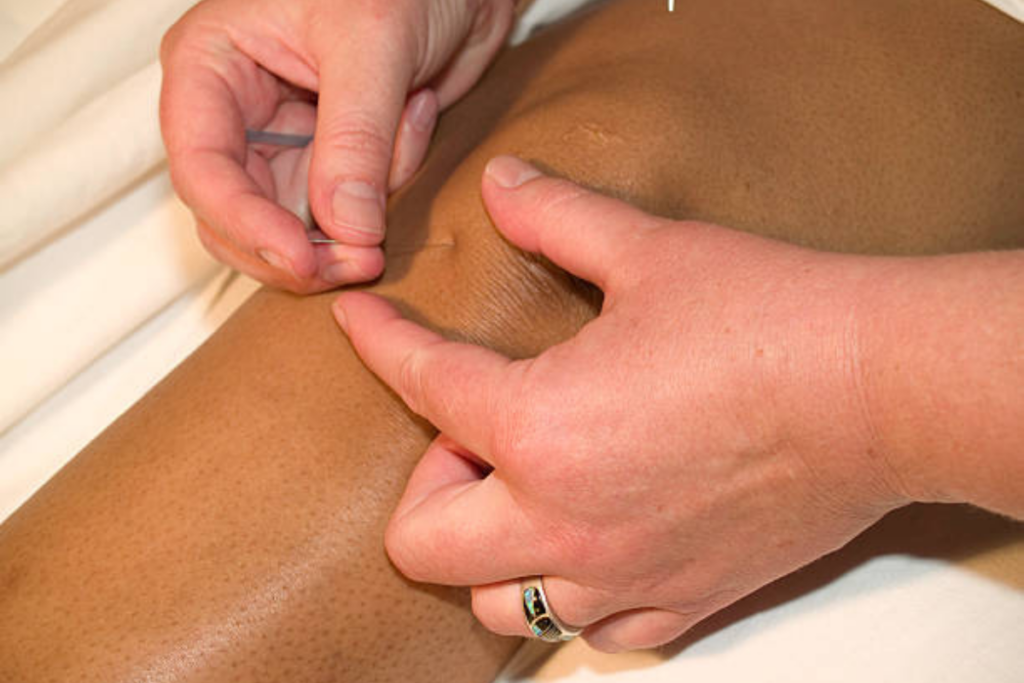
Acupuncture for osteoarthritis works by targeting inflammation, nerve sensitivity, muscle tension, and circulation — the very mechanisms that make joints feel painful and restricted.
Clinical research shows acupuncture may help reduce pain, improve mobility, and decrease stiffness in knee, hip, hand, and spinal osteoarthritis.
Here’s how it works:
1. Modulates Pain Signaling
Chronic joint pain makes the nervous system more reactive. Over time, the brain can amplify pain signals.
Acupuncture:
- Reduces nerve excitability
- Regulates pain-processing pathways
- Decreases central pain amplification
This often makes movement feel less threatening and more manageable.
2. Reduces Inflammation
Inflammation inside the joint contributes to swelling and stiffness.
Studies show acupuncture may help reduce inflammatory markers such as:
- IL-6
- TNF-α
- C-reactive protein (CRP)
Lower inflammation often translates into reduced swelling and improved comfort.
3. Stimulates Natural Pain-Relieving Chemicals
Acupuncture triggers the release of:
- β-endorphins
- Enkephalins
- Dynorphins
These natural compounds bind to opioid receptors in the body, helping reduce pain without medication side effects.
4. Improves Joint Circulation
Healthy blood flow supports tissue nourishment and joint lubrication.
Acupuncture enhances microcirculation around affected joints, which may:
- Improve flexibility
- Support tissue recovery
Reduce stiffness after rest
5. Relaxes Surrounding Muscles
Pain leads to muscle guarding. Guarding increases joint compression.
Acupuncture helps release tight muscles around:
- Knees
- Hips
- Hands
- Spine
As muscles relax, joint pressure decreases and movement feels smoother.
6. Regulates the Stress Response
Chronic pain activates the body’s stress system. Elevated stress hormones can worsen pain perception.
Acupuncture shifts the body toward parasympathetic balance — the “rest and regulate” state — helping reduce overall pain intensity and improve sleep quality.
Osteoarthritis Conditions
and Potential Benefits of Acupuncture
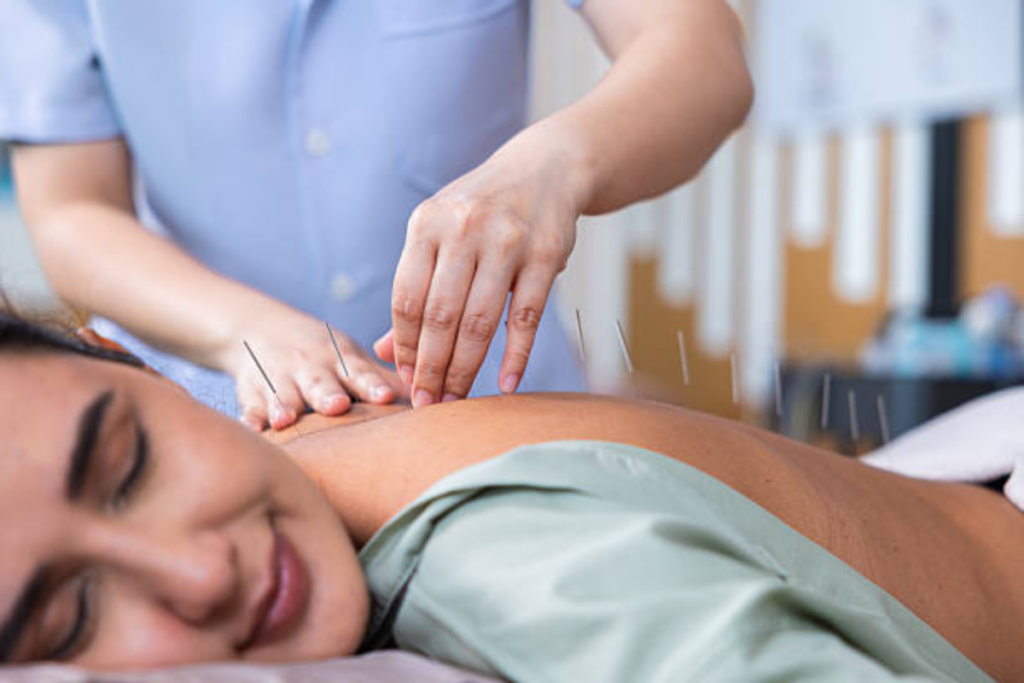
Acupuncture is commonly used as a supportive therapy for different types of osteoarthritis, with treatment tailored to the affected joint and symptom pattern.
| Condition | Potential Benefits of Acupuncture |
|---|---|
| Knee Osteoarthritis | Reduced joint pain, improved walking comfort, decreased stiffness when climbing stairs |
| Hip Osteoarthritis | Less deep joint aching, improved mobility, better tolerance for standing and walking |
| Hand Osteoarthritis | Reduced joint tenderness, improved grip comfort, decreased swelling in fingers |
| Spinal Osteoarthritis | Reduced back or neck stiffness, improved posture-related discomfort, better flexibility |
| Shoulder Osteoarthritis | Improved range of motion, less pain with lifting or reaching |
| Chronic Osteoarthritis Pain | Lower overall pain intensity, improved daily activity tolerance |
| Post-Surgical Joint Pain (OA-related) | Reduced stiffness, improved comfort during rehabilitation, better movement confidence |
Knee osteoarthritis is one of the most commonly treated areas, especially when stiffness and movement-related pain interfere with daily function.
Acupuncture is often incorporated into conservative care plans before more invasive interventions are considered, and may also be used alongside physical therapy and mobility work.
Acupuncture for Common
Osteoarthritis Locations
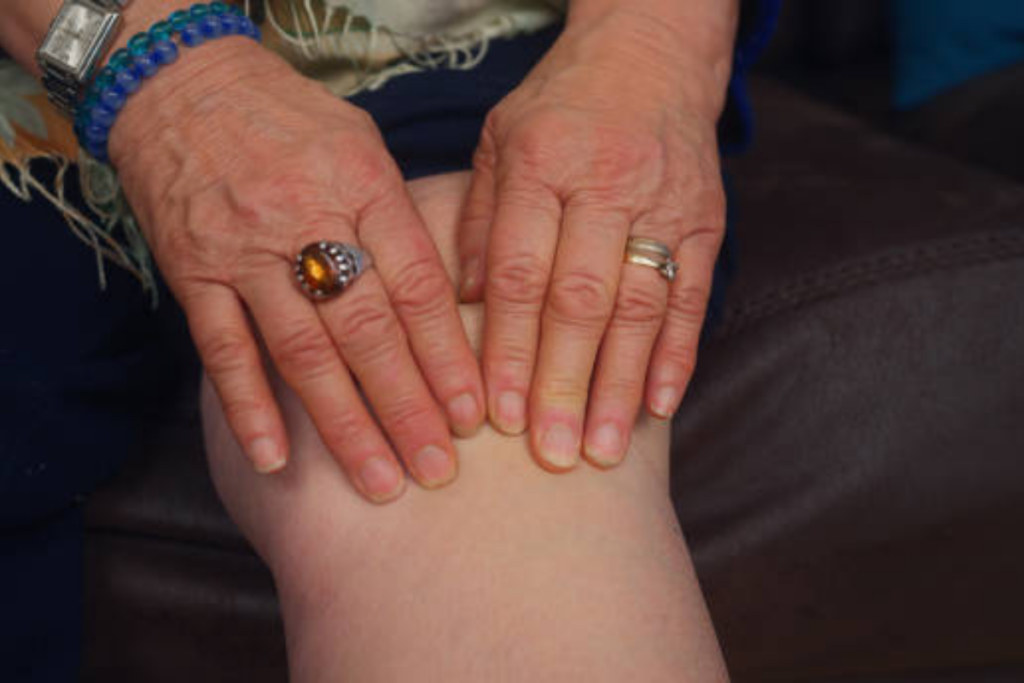
Osteoarthritis affects different joints differently. Treatment plans are tailored accordingly.
1. Knee Osteoarthritis
- Reduces swelling
- Improves stair-climbing ability
- Decreases morning stiffness
2. Hip Osteoarthritis
- Relieves deep joint ache
- Supports walking comfort
- Reduces compensatory back strain
3. Hand and Finger Osteoarthritis
- Improves grip comfort
- Decreases joint tenderness
- Reduces swelling around knuckles
4. Spine Osteoarthritis
- Eases low back or neck stiffness
- Improves posture-related pain
- Reduces nerve-related irritation
5. Shoulder Osteoarthritis
- Improves range of motion
- Decreases pain with lifting or reaching
Each treatment plan addresses both the affected joint and related muscle and nerve pathways.
What to Expect During
Osteoarthritis Acupuncture Session

1. Comprehensive Medical Intake
We review:
- Pain duration and location
- Joint imaging (if available)
- Current medications
- Movement limitations
- Lifestyle factors
2. Functional Assessment
We assess:
- Joint mobility
- Surrounding muscle tension
- Inflammation patterns
- Postural compensation
3. Personalized Treatment Plan
Treatment may include:
- Local joint points
- Distal anti-inflammatory points
- Electroacupuncture (when appropriate)
- Heat therapy for stiffness
- Integrative mobility guidance
4. During Treatment
Patients typically feel:
- Gentle warmth
- Reduced joint pressure
- Deep relaxation
5. After Treatment
Common early benefits:
- Reduced pain within hours
- Improved ease of movement
- Better sleep quality
Chronic OA cases typically require 6–10 sessions for sustained results. Many patients continue maintenance care every 2–4 weeks.
Who Is a Good Candidate
for Acupuncture in Osteoarthritis?
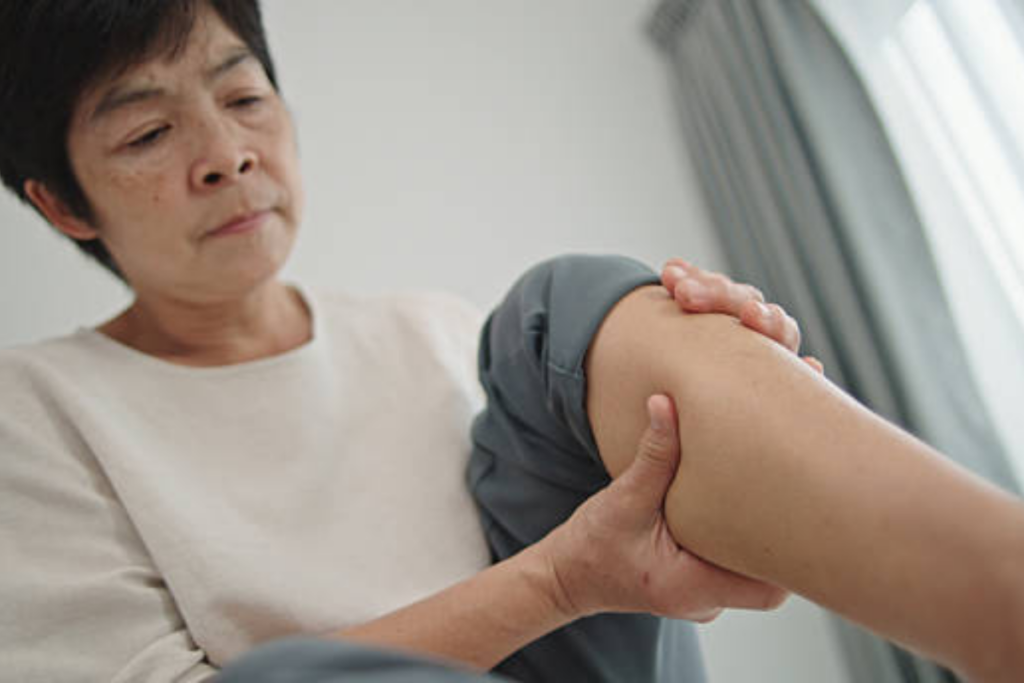
You may benefit if you:
- Have mild to moderate osteoarthritis
- Want to reduce reliance on pain medication
- Experience chronic stiffness or inflammation
- Are preparing for or recovering from joint surgery
- Prefer integrative or non-drug options
Acupuncture is particularly helpful when combined with:
- Physical therapy
- Strength training
- Weight management
- Anti-inflammatory nutrition
- Medical supervision
FAQs

1. Can acupuncture cure osteoarthritis?
No. Osteoarthritis is a structural condition. Acupuncture does not reverse cartilage loss, but it can significantly reduce pain and improve mobility.
2. How many sessions are needed?
Many patients begin noticing improvement after 3–5 sessions. Chronic cases may require 6–10 sessions for sustained benefit.
3. Is acupuncture safe for older adults?
Yes. Acupuncture is generally safe when performed by a licensed practitioner and can be adapted for age-related conditions.
4. Does acupuncture replace joint injections or surgery?
No. It can reduce pain and delay invasive treatments, but it does not replace medically necessary procedures.
5. Is acupuncture painful?
Most patients report minimal sensation. The needles are extremely thin and designed for comfort.
6. Can acupuncture reduce inflammation in arthritis?
Yes. Research shows acupuncture reduces inflammatory markers linked to joint pain.
7. Does acupuncture help knee osteoarthritis the most?
Yes. The strongest research evidence supports acupuncture for knee OA, though other joints also respond well.
8. How long does pain relief last?
Relief may last several days initially and becomes longer-lasting with consistent sessions.
Move With Greater
Comfort and Confidence
Osteoarthritis doesn’t have to define your mobility.
Acupuncture offers a research-backed, drug-free approach to reducing joint pain, calming inflammation, and restoring movement—without aggressive intervention.
If you’re looking for safe, integrative osteoarthritis relief, our licensed acupuncture and integrative medicine team is here to support your recovery.