
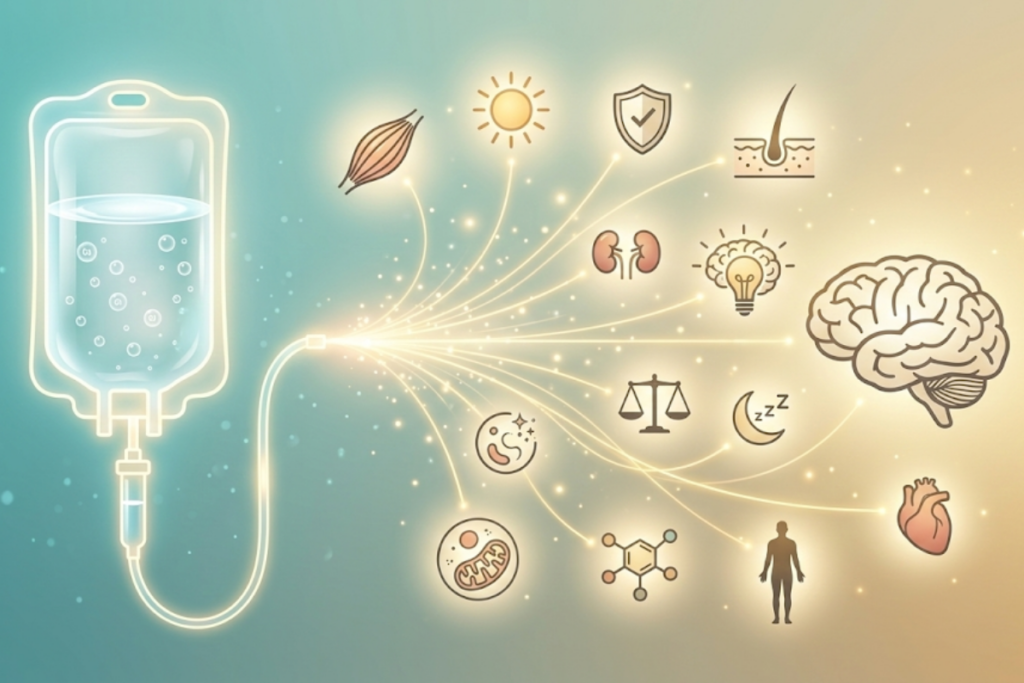
IV hydration therapy is a medical treatment that delivers fluids, electrolytes, vitamins, and nutrients directly into the bloodstream through an intravenous (IV) line.
Because the nutrients bypass the digestive system, fluids and electrolytes enter circulation immediately, allowing rapid rehydration in certain clinical situations.
Intravenous fluid therapy has long been used in hospital and emergency medicine to treat dehydration, electrolyte imbalance, and illness-related fluid loss.
According to the National Academies of Sciences, even mild dehydration (1–2% body weight loss) can impair cognitive performance, mood, and physical endurance.
For this reason, patients may seek medically supervised IV hydration therapy when experiencing symptoms such as:
- dehydration
- persistent fatigue
- headaches or migraines
- illness recovery
- travel fatigue
- electrolyte imbalance
A medical consultation is recommended before receiving IV therapy to determine if treatment is appropriate.
Why IV Hydration Therapy Is Used

When fluids or vitamins are taken orally, they must first pass through the digestive tract before entering circulation.
In contrast, IV therapy delivers fluids directly into the bloodstream, allowing immediate systemic availability.
This is why intravenous fluids are commonly used in:
- hospitals
- urgent care centers
- outpatient infusion clinics
The Centers for Disease Control and Prevention (CDC) notes that dehydration contributes to hundreds of thousands of emergency department visits in the United States each year.
Clinical Insight From Providers
12 Evidence-Based Benefits of IV Hydration Therapy
1. Rapid Rehydration
One of the most recognized uses of IV fluids is rapid hydration.
Because fluids are delivered directly into the bloodstream, IV therapy can restore fluid levels more quickly than oral hydration in certain situations, particularly when dehydration is moderate or when patients cannot tolerate oral fluids.
Intravenous fluids are routinely used in emergency medicine for dehydration treatment.
2. Faster Delivery of Nutrients
When vitamins are consumed orally, absorption depends on digestion and intestinal uptake.
IV therapy bypasses the digestive system, allowing immediate systemic availability of nutrients.
This may be beneficial in individuals with malabsorption conditions or gastrointestinal illness, where nutrient absorption can be impaired.
3. Support for Energy Metabolism
Many IV hydration formulas include B-complex vitamins and vitamin B12, which play important roles in cellular energy metabolism.
Low levels of these vitamins can contribute to fatigue and decreased energy production.
According to the National Institutes of Health (NIH), B vitamins are essential for converting nutrients into cellular energy.
4. Electrolyte Replenishment
Electrolytes such as:
- sodium
- potassium
- magnesium
are critical for nerve signaling, muscle contraction, and fluid balance.
Electrolyte depletion may occur during:
- intense exercise
- illness
- excessive sweating
- dehydration
Intravenous fluids can restore electrolyte balance when clinically appropriate.
5. Migraine and Headache Support
Dehydration is a well-recognized trigger for headaches and migraines.
The American Migraine Foundation identifies dehydration as a common factor contributing to migraine attacks.
In clinical settings, IV fluids and magnesium may be used as part of migraine treatment protocols.
6. Support During Illness Recovery
Illnesses such as viral infections or gastrointestinal illness can lead to:
- fluid loss
- electrolyte imbalance
- reduced appetite
Hydration therapy may help restore:
- fluid balance
- electrolyte levels
- nutrient intake
during recovery.
7. Athletic Recovery and Performance Support
Athletes lose fluids and electrolytes through sweat during prolonged exercise.
Research from the American College of Sports Medicine shows that dehydration of 2% body weight can impair athletic performance.
Fluid replacement may support recovery after intense physical activity.
8. Travel Recovery and Jet Lag Support
Airplane cabin humidity often falls below 20%, significantly lower than typical indoor environments.
This dry environment can contribute to:
- dehydration
- fatigue
- headaches
- cognitive fatigue
Hydration support may help travelers recover after long flights.
9. Improved Hydration for Cognitive Function
The brain is highly sensitive to hydration status.
Research published in the Journal of Nutrition found that mild dehydration can negatively affect attention, mood, and cognitive performance.
Restoring hydration levels may help support mental clarity.
10. Support for Individuals With Nutrient Deficiencies
Some individuals experience vitamin deficiencies due to:
- dietary imbalance
- gastrointestinal disorders
- increased metabolic stress
IV therapy may provide nutrients directly into circulation under medical supervision.
11. Electrolyte Support During Heat Exposure
Hot environments and prolonged sweating can lead to fluid and electrolyte depletion.
The World Health Organization (WHO) emphasizes the importance of electrolyte replacement in dehydration management.
IV fluids may be used when oral hydration is insufficient.
12. Supportive Hydration for Overall Wellness
Some individuals seek IV hydration therapy as part of a wellness routine aimed at maintaining hydration and nutrient balance.
However, clinical needs vary, and healthcare providers typically recommend medical screening before treatment.
Common Misconceptions About IV Hydration Therapy
Myth: IV therapy is only used for celebrities or athletes
Myth: Drinking water works exactly the same
Myth: IV therapy is unsafe
Who Should Not Receive IV Hydration Therapy?
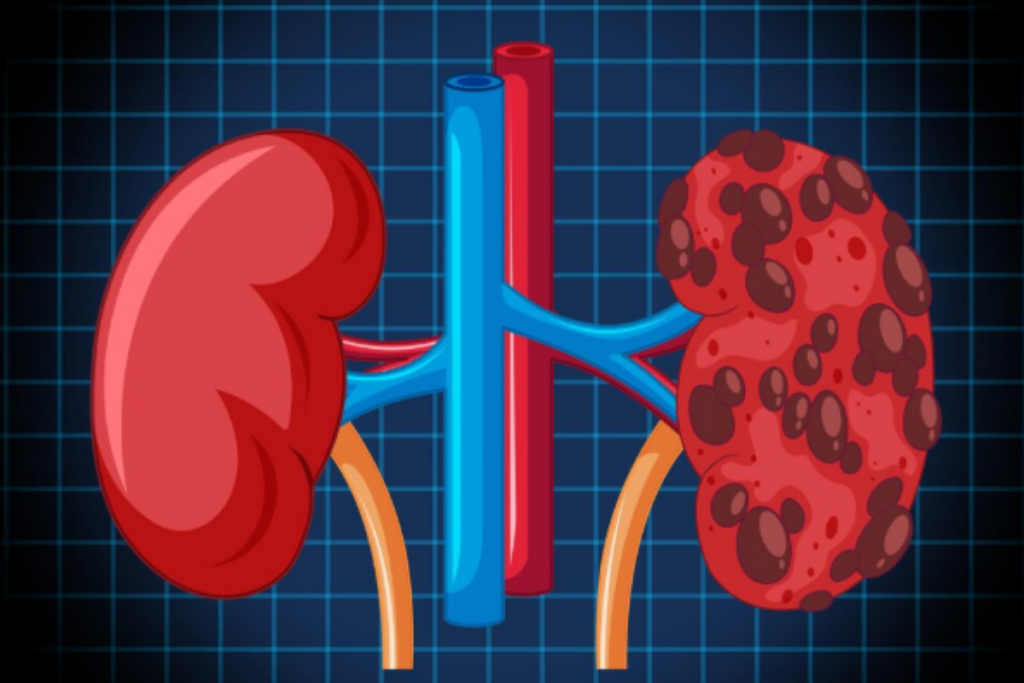
IV therapy may not be appropriate for individuals with certain medica l conditions, including:
- kidney disease
- congestive heart failure
- severe electrolyte disorders
- fluid balance disorders
A medical evaluation is necessary before treatment.
IV Hydration Therapy in Long Island

Patients across Long Island, including Huntington, Melville, Commack, Dix Hills, and surrounding Suffolk County communities, often seek IV hydration therapy for symptoms such as:
- dehydration
- fatigue
- migraine support
- illness recovery
- travel fatigue
At Circle Wellness, IV hydration therapy is provided under medical supervision in a clinical setting to ensure safety and appropriate treatment.
-
What Happens During an IV Hydration Appointment?
- A typical IV hydration visit includes:
- Medical screening and consultation
- Review of symptoms and medical history
- Placement of a small IV catheter
- Hydration and nutrient infusion (usually 30–60 minutes)
- Monitoring by trained medical staff
- Most patients relax during treatment and can resume normal activities afterward.
Medical Review

This article is intended for educational purposes only and reflects current medical understanding of hydration therapy.
Medically Reviewed By
Behrouz Farahmandpour, DO
Medical Director & Licensed Physician