Why Am I Still Sick After Taking Medication?
Slow recovery from illness can occur when the body is still repairing tissues, restoring hydration levels, and rebuilding immune defenses. Even after medications treat an infection, the body may remain depleted of fluids, electrolytes, and nutrients needed for full recovery. Supporting hydration, rest, and nutrition can help the body regain strength.
The Frustration of Slow Recovery From Illness
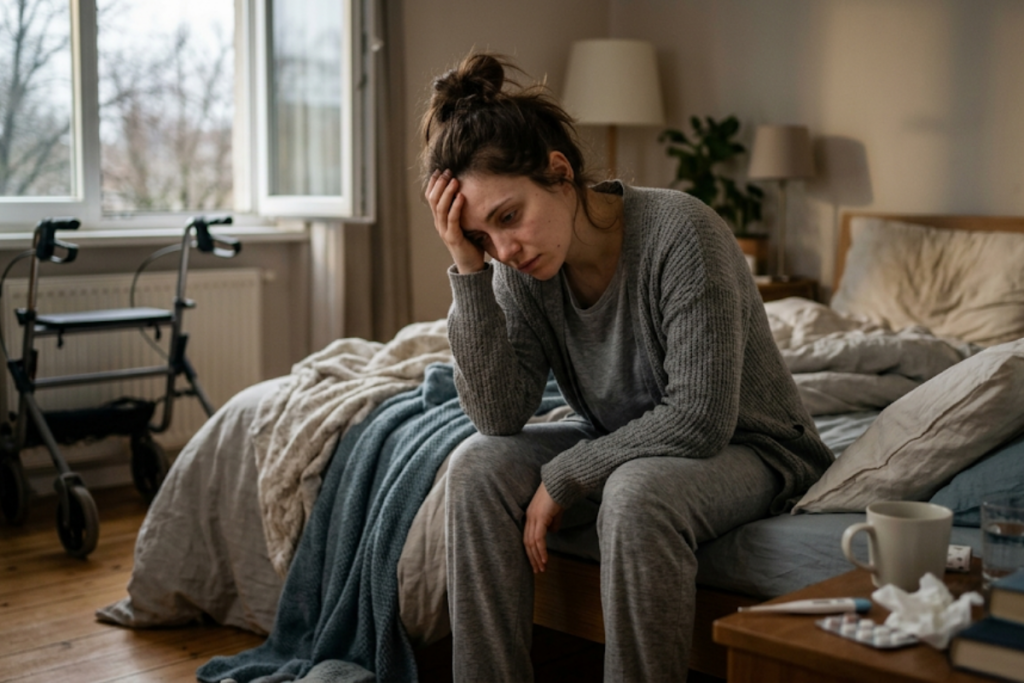
If you find yourself saying anything like this you are not alone:
- “It’s taking forever for me to get better.”
- “I am still not 100% after taking meds.”
- “I’m sick of feeling like this.”
- “I need something to make me feel better.”
After illnesses such as viral infections, respiratory infections, stomach bugs, or even seasonal flu, it is common for recovery to take longer than expected.
Even when symptoms improve, the body may still be recovering behind the scenes.
- Why Recovery From Illness Sometimes Takes Longer
-
- Illness recovery involves more than eliminating an infection.
- The body must also repair damage and restore internal balance.
- Here are some common reasons recovery can feel slow.
8 Reasons Your Body May Be Recovering Slowly

1. Dehydration From Illness
Many illnesses cause dehydration through:
- Fever
- Reduced fluid intake
- Vomiting or diarrhea
- Increased metabolic demand
Even mild dehydration can contribute to:
- Fatigue
- Headaches
- Brain fog
- Weakness
Hydration is essential for circulation and nutrient transport during recovery.
2. Nutrient Depletion
During illness, the immune system consumes significant amounts of nutrients.
Important nutrients for immune recovery include:
- Vitamin C
- Zinc
- B vitamins
- Magnesium
Low levels of these nutrients may contribute to persistent fatigue and weakness after illness.
3. Immune System Recovery
Even after symptoms improve, the immune system may remain active while repairing tissues and clearing inflammation.
This process can leave people feeling:
- Drained
- Low energy
- Mentally foggy
4. Post-Illness Fatigue
Post-viral fatigue is common after infections.
Studies show many individuals experience lingering fatigue for weeks after viral illness, even after symptoms improve.
This fatigue can affect:
- Work productivity
- Exercise tolerance
- Mental focus
5. Sleep Disruption During Illness
Being sick often disrupts sleep patterns.
Poor sleep during illness can delay recovery because sleep is when the body performs critical repair processes.
6. Electrolyte Imbalance
Illness can disrupt electrolyte balance through sweating, fever, and fluid loss.
Electrolytes such as sodium, potassium, and magnesium support:
- Nerve signaling
- Muscle function
- Energy production
7. Inflammation After Infection
Inflammation is part of the body’s healing process, but lingering inflammation may contribute to fatigue and weakness during recovery.
8. Your Body Is Still Healing
Sometimes recovery simply takes time.
Even when medications address the infection itself, the body still needs time to:
- Rehydrate
- Rebuild energy stores
- Restore immune balance
Why Hydration and Nutrients Matter During Recovery

The body relies on hydration and nutrients to power the immune system.
Fluids help support:
- Blood circulation
- Oxygen delivery
- Nutrient transport
- Cellular repair
Vitamins and minerals support immune cells that protect against infection.
Without adequate hydration and nutrients, recovery may feel slower and more exhausting.


How IV Hydration Therapy May Support Illness Recovery

IV hydration therapy delivers fluids, electrolytes, and vitamins directly into the bloodstream through an intravenous line.
Because nutrients bypass digestion, they can be delivered efficiently when the body needs them most.
IV hydration formulas often contain:
- Hydrating fluids
- Vitamin C
- Zinc
- B vitamins
- Magnesium
These nutrients support immune function, hydration balance, and energy metabolism.
Misconceptions About Slow Illness Recovery
Myth: If medication worked, you should feel normal immediately.
Myth: If symptoms linger, something must be wrong.
Myth: Coffee or energy drinks will fix recovery fatigue.
When to Speak With a Healthcare Provider

For individuals experiencing persistent fatigue or dehydration, IV hydration therapy may help support hydration and nutrient replenishment.
At Circle Wellness in Long Island, IV hydration therapy is provided under medical supervision in a comfortable clinical setting.
Patients commonly seek IV therapy for:
- Chronic fatigue
- Dehydration
- Illness recovery
- Travel fatigue
- Wellness support
IV Hydration Therapy for Illness Recovery in Long Island
Patients recovering from illness often seek additional hydration and nutrient support.
At Circle Wellness in Long Island, IV hydration therapy is provided under medical supervision to support hydration and wellness.
Patients commonly seek IV therapy for:
- Illness recovery
- Fatigue
- Dehydration
- Immune support
Treatments are performed in a comfortable clinical environment and typically last 30–60 minutes.
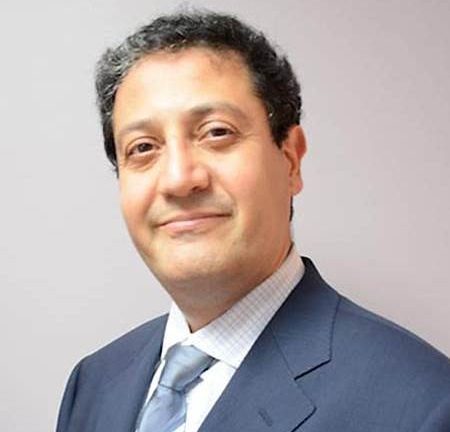
Medically Reviewed By
Behrouz Farahmandpour, DO
Medical Director & Board Certified Physician
This article is intended for educational purposes and reflects current medical understanding of hydration and nutrient support.
Circle Wellness offers medically supervised IV hydration therapy for patients throughout Long Island.