When Sciatica Pain Won’t Go Away, Daily Life Becomes Difficult
It starts as discomfort in the lower back.
- Then the pain travels:
- Through the hips
- Down the leg
- Sometimes all the way to the foot
- For many people, sciatica affects:
- Walking
- Sitting
- Sleeping
- Working comfortably
And while medications may temporarily reduce pain, they often don’t address why the sciatic nerve is being irritated in the first place.
At Circle Wellness, many patients seek a more comprehensive, root-cause-focused approach. One option increasingly used in integrative pain care is OMT (Osteopathic Manipulative Treatment).
What Is Sciatica?
Sciatica is not a condition itself—it’s a symptom caused by irritation or compression of the sciatic nerve, the largest nerve in the body.
- Common symptoms include:
- Sharp or burning pain in the lower back or leg
- Tingling or numbness
- Muscle weakness
- Pain that worsens with sitting or movement
- Common causes:
- Herniated discs
- Muscle tightness (especially piriformis syndrome)
- Spinal misalignment
- Inflammation or nerve compression
Sciatica can range from mild discomfort to severe, ongoing pain that interferes with daily function.
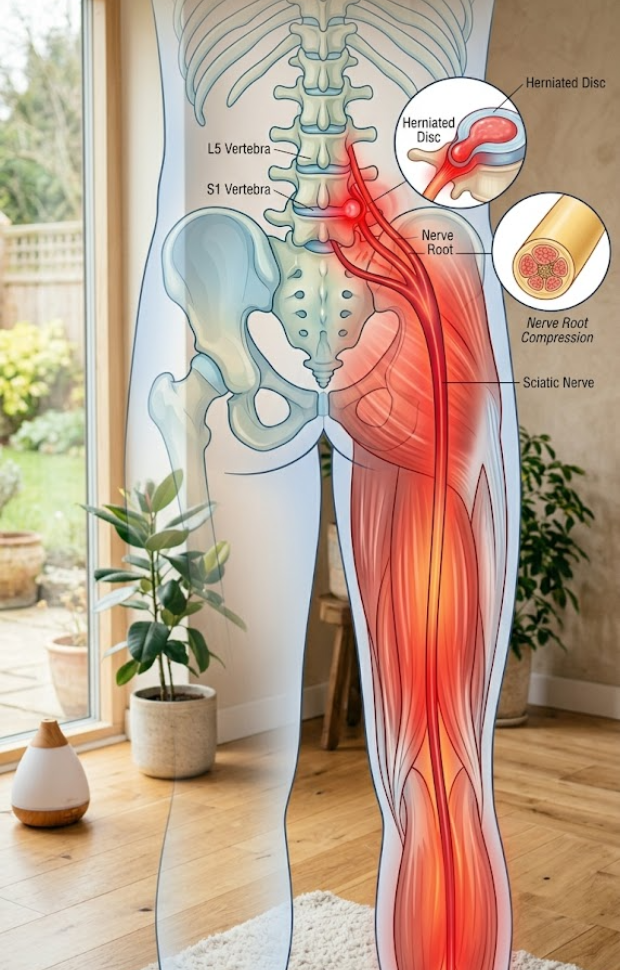
Why Traditional Sciatica Treatments Often Fall Short
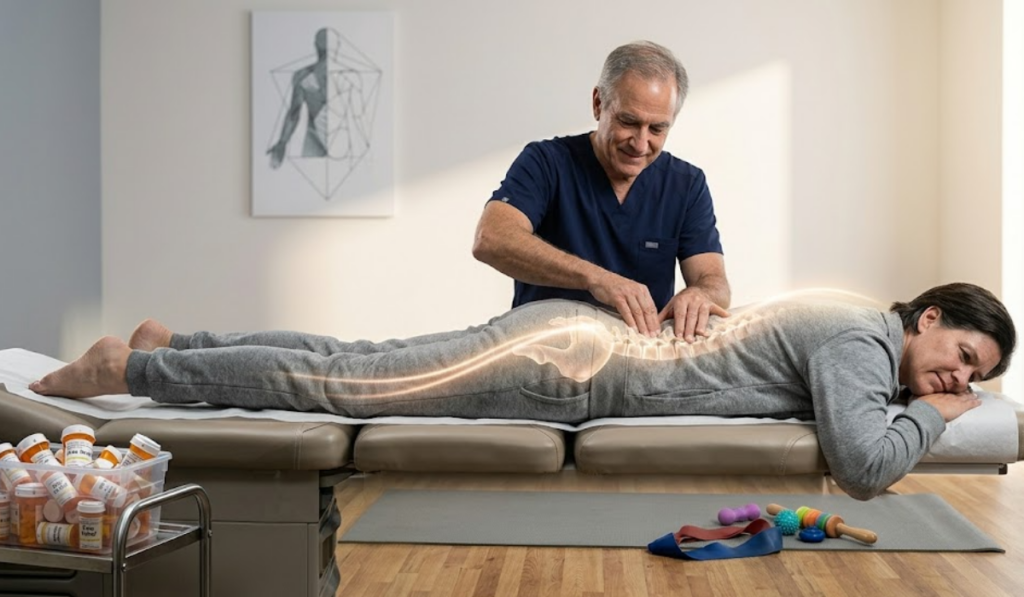
Conventional treatment typically focuses on:
- Pain medication
- Anti-inflammatory drugs
- Temporary rest
These approaches may help short term—but often fail to address:
- Muscular imbalances
- Restricted mobility
- Structural tension
- Nervous system dysfunction
This is why symptoms frequently return.
What Is OMT (Osteopathic Manipulative Treatment)?
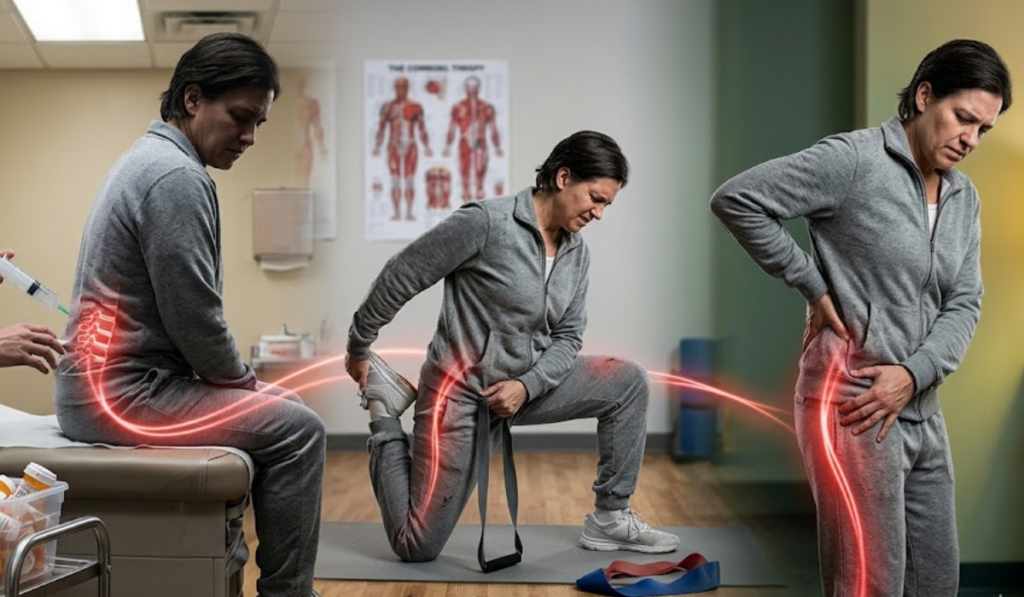
OMT is a hands-on treatment performed by licensed osteopathic physicians (DOs).
It focuses on improving how the body’s structure and function work together.
- OMT targets:
- Muscles
- Joints
- Fascia (connective tissue)
- Nerves and circulation
- Techniques may include:
- Myofascial release
- Soft tissue stretching
- Joint mobilization
- Muscle energy techniques
The goal is to reduce tension, improve mobility, and support the body’s natural healing process.
How OMT May Help Relieve Sciatica
Reduces Muscle Tension Around the Sciatic Nerve
Tight muscles in the lower back, hips, or piriformis can compress the sciatic nerve.
OMT helps release that tension.
Improves Joint Mobility
Restricted movement in the pelvis or spine may contribute to nerve irritation.
Gentle manipulation can improve alignment and mobility.
Supports Better Circulation
Improved blood flow may help reduce inflammation and support tissue healing.
OMT may also help reduce compensatory movement patterns that contribute to ongoing lower back stress and recurring nerve irritation.
Helps Normalize Nervous System Function
Chronic pain can keep the body in a prolonged stress response.
OMT may help calm the nervous system and reduce pain sensitivity.
The Science Behind OMT for Sciatica
Research on OMT for lower back pain and related nerve conditions suggests potential benefits including:
- Reduced pain intensity
- Improved mobility
- Better physical function
OMT is commonly used as part of an integrative treatment plan for musculoskeletal pain conditions.
Important:
Evidence continues to evolve, and results vary by patient. OMT should be performed by a qualified osteopathic physician and integrated into a broader care plan when appropriate.
What to Expect During an OMT Session
At Circle Wellness, treatment begins with a comprehensive assessment.
Your session may include:
- Medical Evaluation
- Review of symptoms, history, and movement patterns
- Physical Assessment
- Posture, muscle tension, and spinal mobility evaluation
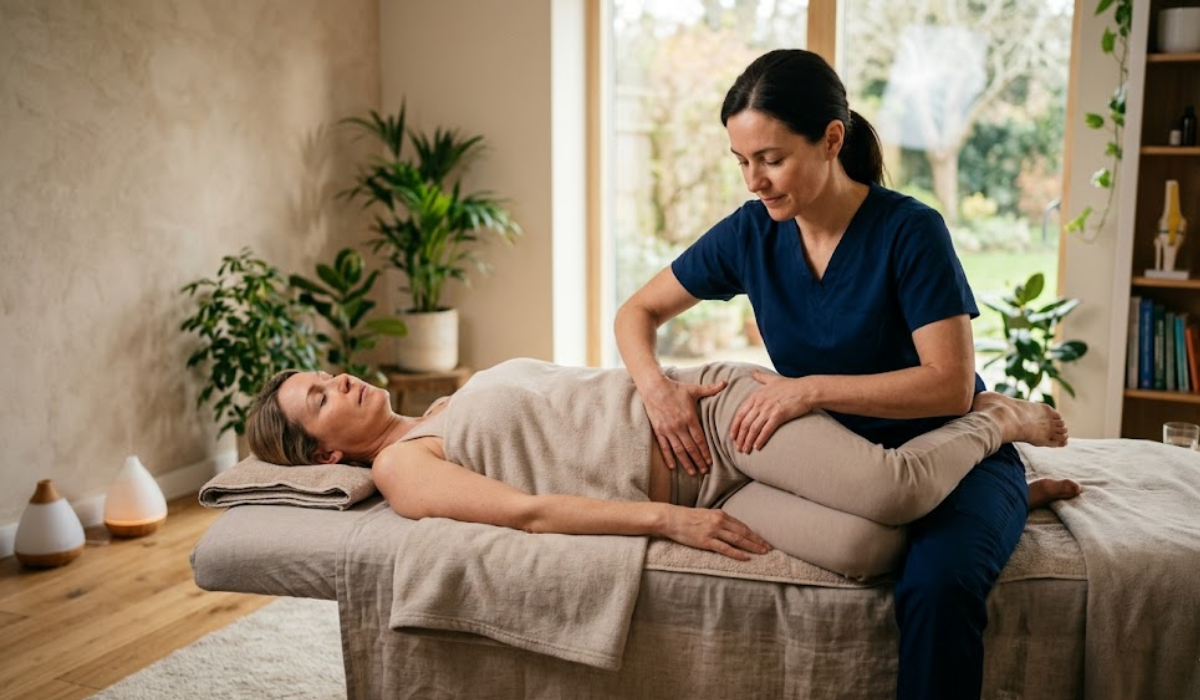
- Hands-On Treatment
- Gentle stretching and manual techniques
- Focused work on affected areas
What it feels like:
- Mild pressure and movement
- Generally relaxing
- Non-invasive and medication-free
Most patients can return to normal activities shortly afterward.
Who Is a Good Candidate for OMT for Sciatica?
OMT may benefit:
- Patients with mild to moderate sciatica
- Individuals with muscle-related nerve compression
- People seeking drug-free pain management
- Patients recovering from recurring lower back pain
It may also complement:
- Physical therapy
- Exercise rehabilitation
- Conventional medical treatment
In clinical practice, OMT is often used for patients whose sciatica symptoms are associated with muscular tension, restricted mobility, or recurring lower back dysfunction.
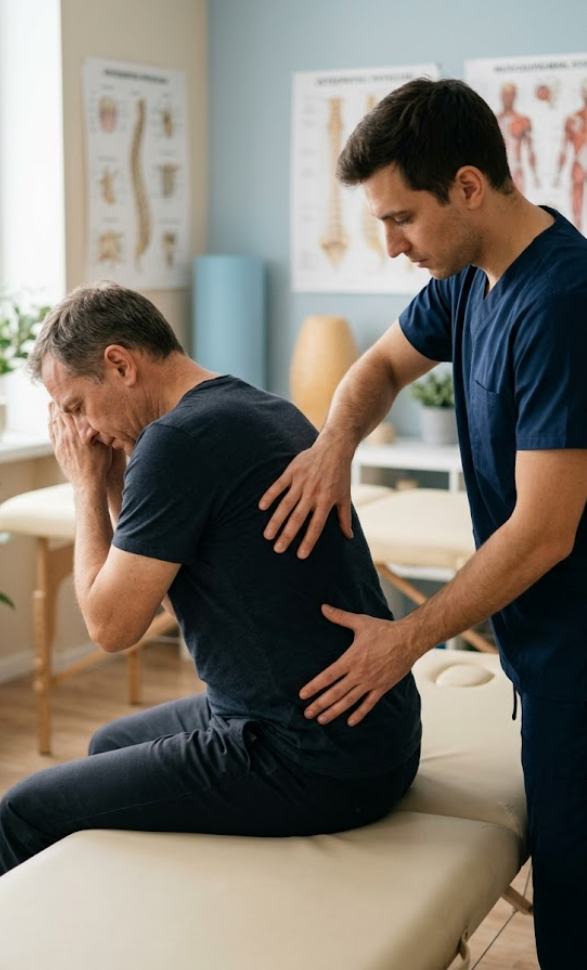
Safety & Medical Considerations
- Severe nerve compression may require additional medical intervention
- Sudden weakness, bowel/bladder issues, or severe numbness require immediate medical attention
- Not all causes of sciatica are appropriate for manual treatment
Potential Side Effects of OMT
While OMT is generally safe, some individuals may experience:
- Mild soreness after treatment
- Temporary fatigue
- Brief symptom sensitivity as the body adjusts
These effects are typically short-lived and resolve within 24–48 hours when treatment is performed appropriately.

Who May Not Be Ideal Candidates
OMT may not be appropriate for individuals with:
- Acute fractures or spinal instability
- Severe nerve compression requiring surgical evaluation
- Unexplained neurological symptoms
- Active infections or serious underlying spinal conditions
A medical evaluation is essential before beginning treatment.
Why Choose a Medical Wellness Clinic?
Sciatica treatment should never be one-size-fits-all.
At Circle Wellness, OMT care is:
- Physician-guided
- Personalized to your condition
- Integrated with holistic and functional wellness strategies
This approach focuses on:
- Long-term pain management
- Improved mobility
- Whole-body recovery—not just temporary symptom relief
Ready to Explore a Drug-Free Approach to Sciatica Relief?
- Reduce pain
- Improve mobility
- Support long-term recovery
FAQs
Does OMT help sciatica?
OMT may help reduce sciatica symptoms by relieving muscle tension, improving mobility, and reducing nerve irritation.
Is OMT safe for lower back pain?
Yes, when performed by a licensed osteopathic physician, OMT is generally considered safe and non-invasive.
How many OMT sessions are needed for sciatica?
The number of sessions varies depending on the severity and cause of symptoms.
Can OMT replace pain medication?
OMT may reduce reliance on medication for some patients, but treatment plans should be discussed with a physician.
What does OMT feel like?
OMT involves gentle hands-on techniques such as stretching, pressure, and joint movement.
Is sciatica always caused by a herniated disc?
No. Sciatica can also result from muscle tightness, inflammation, or pelvic/spinal dysfunction.
Author & Medical Review
Written by: Licensed Osteopathic Medical Content Specialist at Circle Wellness, Melville, NY
Medically Reviewed by: Board-Certified Osteopathic Physician (DO) specializing in musculoskeletal medicine, pain management, and non-invasive rehabilitation.

Conclusion
Sciatica is more than just back pain—it’s a condition that can affect nearly every part of daily life.
OMT offers a non-invasive, physician-guided approach focused on reducing tension, improving movement, and supporting the body’s natural healing process.
For many patients, that combination can be an important step toward lasting relief.
Medical Disclaimer
This content is for educational purposes only and does not constitute medical advice, diagnosis, or treatment. Always consult a qualified healthcare provider regarding persistent fatigue or other medical concerns.