Neck Pain May Be More Than Muscle Tension
For many people, neck tension has become so common that it no longer feels abnormal.
The stiffness in the morning.
The tightness after looking at screens all day.
The shoulders constantly creep upward without noticing.
The feeling that the neck never fully relaxes.
Eventually, discomfort becomes routine.
And what starts as occasional tension may slowly turn into:
- chronic stiffness
- reduced mobility
- headaches
- shoulder tightness
- physical fatigue
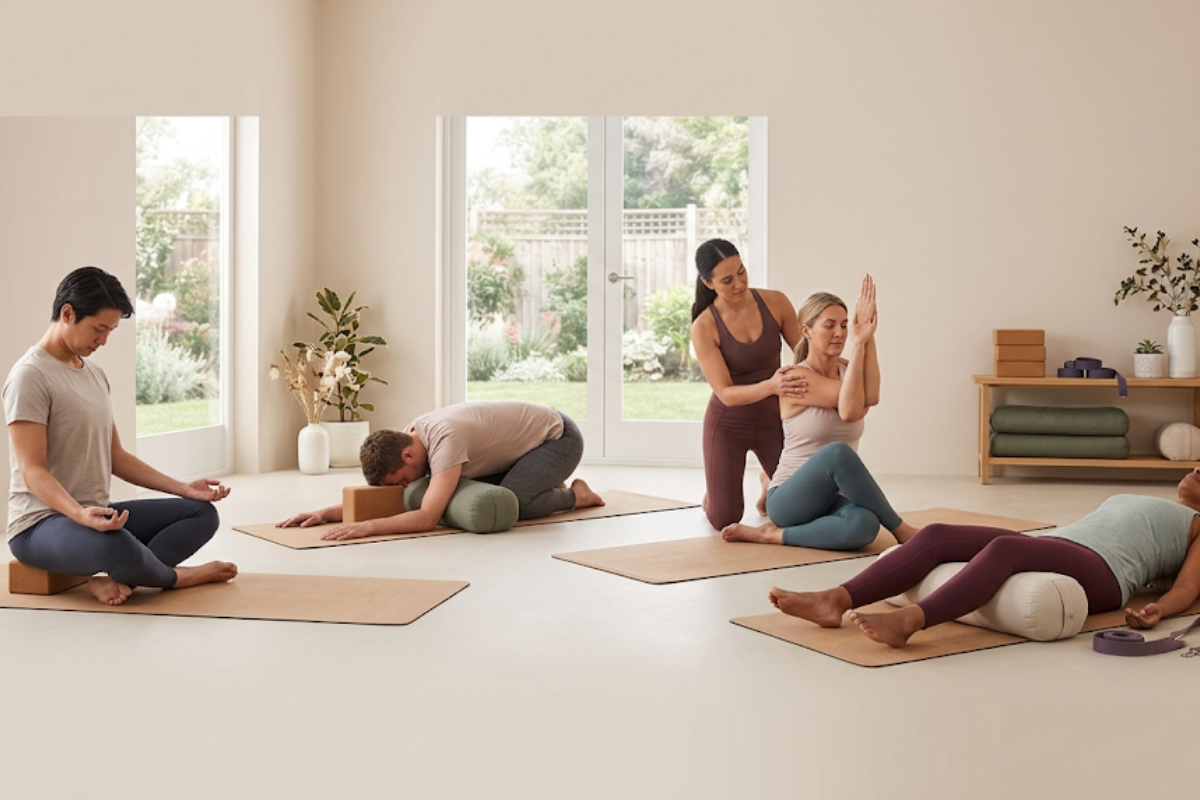
At Circle Wellness, yoga may be incorporated as part of an integrative wellness approach designed to support:
- mobility
- posture
- muscular balance
- stress reduction
- whole-body movement awareness
While yoga is not a replacement for medical treatment of serious spinal or neurological conditions, it may help support healthier movement patterns and tension reduction for many individuals experiencing chronic neck discomfort.
Why Modern Life Creates Chronic Neck Tension
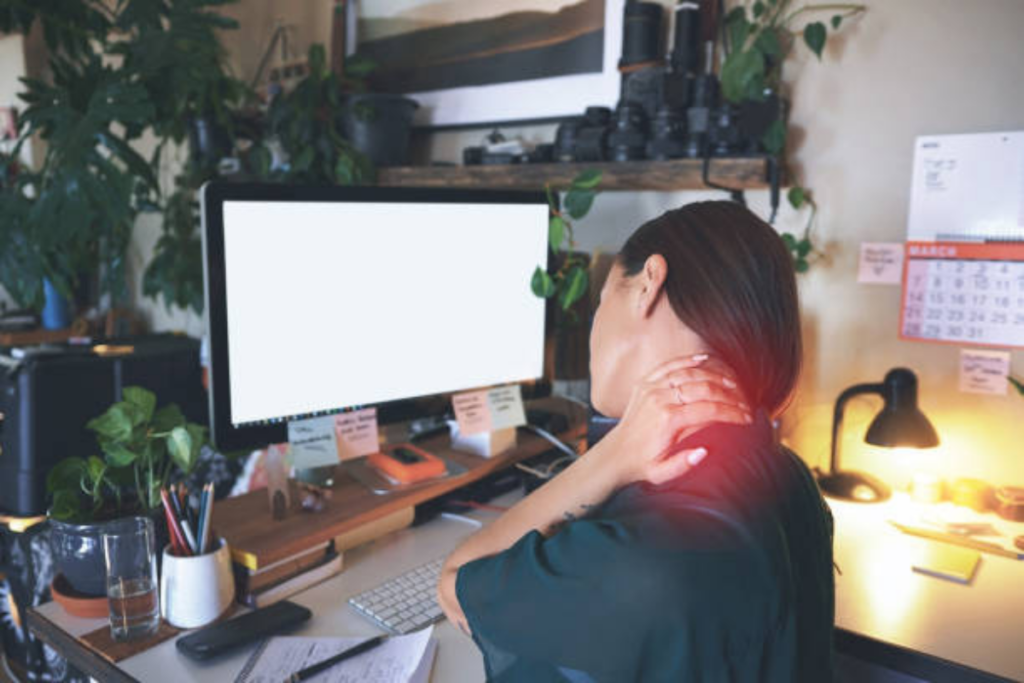
The human body was not designed to spend hours:
- looking down at phones
- sitting at desks
- working on laptops
- carrying constant stress without recovery
Over time, these repetitive patterns may place strain on:
- neck muscles
- shoulders
- upper back tissues
- spinal mechanics
Many individuals unknowingly develop:
- forward head posture
- rounded shoulders
- restricted upper back mobility
- shallow breathing patterns
And eventually, the body adapts to tension as its “normal” resting state.
Common Signs of Neck Tension & Stiffness

Neck discomfort may appear in different ways depending on the individual.
Common symptoms may include:
- stiffness when turning the head
- tight shoulders
- upper back tension
- headaches
- soreness after sitting
- muscle fatigue
- limited range of motion
- stress-related tightness
Some individuals also experience:
- jaw tension
- poor posture awareness
- sleep-related stiffness
- tension that worsens during stressful periods
Because the neck works closely with posture, breathing, and stress responses, tension is often connected to whole-body movement patterns rather than one isolated muscle alone.
How Stress Gets Stored in the Neck & Shoulders
Stress is not only emotional—it is physical.
When the nervous system remains under ongoing stress, the body often responds by tightening muscles unconsciously.
The neck and shoulders are among the most common places people physically hold tension.
Over time, chronic muscular guarding may contribute to:
- stiffness
- reduced mobility
- postural strain
- headaches
- physical fatigue
This is why many individuals notice neck discomfort worsening during periods of:
- emotional stress
- burnout
- poor sleep
- mental overload
How Yoga May Help Support Neck Pain & Stiffness
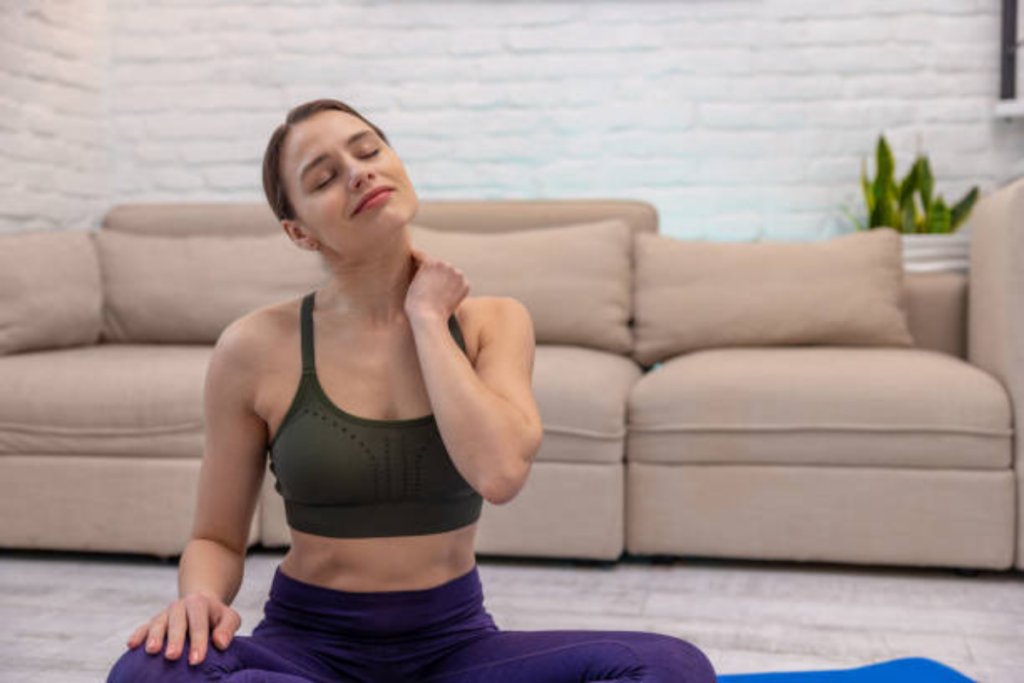
Mobility & Flexibility Support
Gentle movement and stretching may help support:
- neck mobility
- upper back flexibility
- shoulder movement
- muscular relaxation
Improved movement patterns may reduce physical strain associated with prolonged sitting and tension accumulation.
Posture Awareness & Alignment
Poor posture is one of the most common contributors to chronic neck tension.
Yoga may help individuals become more aware of:
- head positioning
- spinal alignment
- shoulder posture
- movement habits
This awareness may support healthier body mechanics during daily activities.
Stress Reduction & Nervous System Regulation
Yoga often incorporates:
- controlled breathing
- mindful movement
- relaxation techniques
These practices may help encourage nervous system relaxation and reduce physical tension associated with chronic stress.
Breathing Mechanics Support
Many individuals with neck tension unknowingly breathe shallowly through the chest.
Restricted breathing patterns may increase:
- shoulder tightness
- neck strain
- upper body tension
Yoga-based breathing practices may help support:
- rib mobility
- diaphragmatic breathing
- relaxation responses
Whole-Body Movement Balance
The neck does not function independently from the rest of the body.
Tight hips, restricted thoracic mobility, poor posture, and muscular imbalance may all influence neck strain.
Yoga may help support more balanced movement patterns throughout the body as a whole.
Who May Explore Yoga for Neck Pain Support?
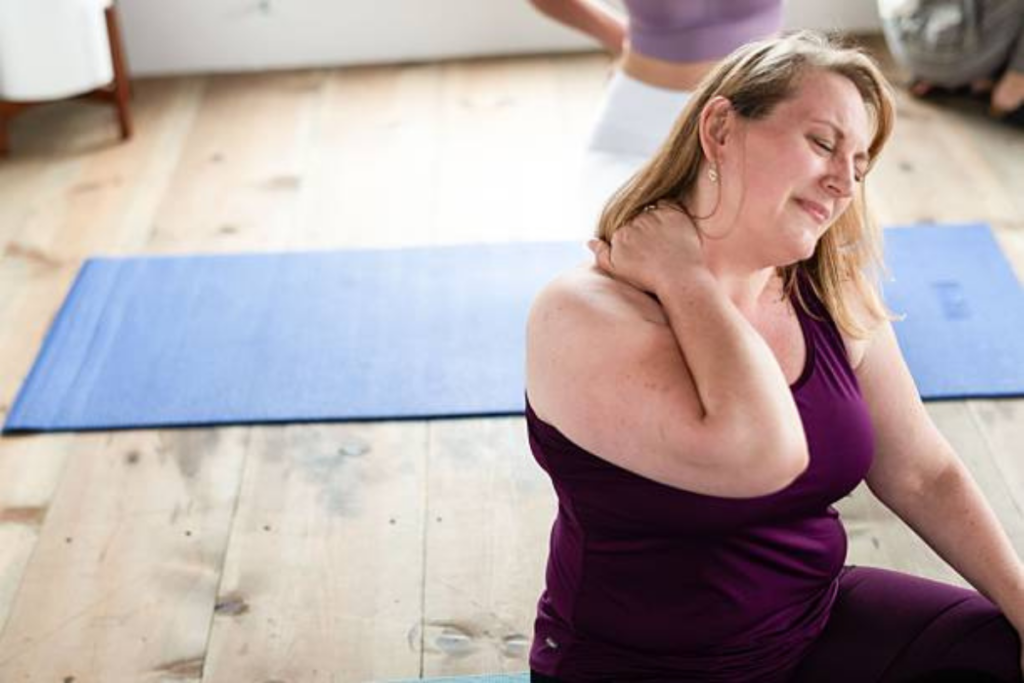
Some individuals who may explore yoga-based wellness support include:
- desk workers
- remote workers
- students
- individuals with posture-related tension
- adults experiencing stress-related stiffness
- people with sedentary lifestyles
- individuals seeking gentle mobility support
Yoga may also complement:
- medical massage
- OMT
- stress management strategies
- wellness-focused recovery care
However, persistent or severe neck pain should always be medically evaluated.
Important Safety Considerations
Not all neck pain is caused by muscular tension alone.
Symptoms such as:
- numbness
- weakness
- radiating pain
- dizziness
- severe headaches
- loss of coordination
may indicate underlying medical or neurological conditions requiring evaluation.
Certain neck conditions may worsen with improper stretching or aggressive movement.
Yoga should be approached carefully and modified appropriately for individuals with:
- spinal injuries
- disc conditions
- severe arthritis
- instability
- acute pain flare-ups
At Circle Wellness, movement-based wellness approaches are individualized and integrated into broader whole-body care philosophies focused on safety and long-term support.
Why Stretching Alone Often Isn’t Enough
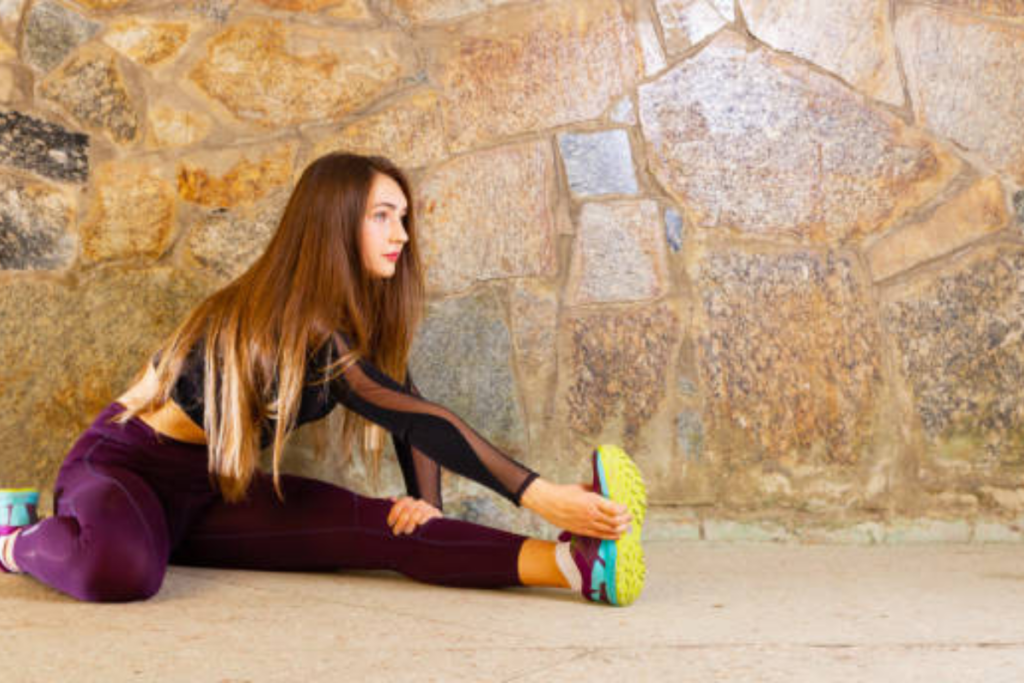
Many individuals constantly stretch their necks but still feel tight afterward.
This is because chronic neck tension is often connected to:
- posture
- stress
- breathing habits
- upper back restriction
- nervous system tension
The body adapts to repetitive patterns over time.
Lasting support often requires improving how the body moves and responds to stress—not simply forcing muscles to stretch further.
Why Circle Wellness Takes a Whole-Body Approach
At Circle Wellness, neck discomfort is approached through an integrative wellness philosophy recognizing that movement, posture, stress, and nervous system function are interconnected.
Wellness planning may consider:
- posture patterns
- movement habits
- muscular imbalance
- breathing mechanics
- stress-related tension
- mobility limitations
Rather than focusing only on isolated symptoms, care is designed to support:
- long-term mobility
- physical balance
- relaxation
- movement efficiency
- whole-body wellness
This approach may integrate:
- yoga
- medical massage
- OMT
- acupuncture
- stress-focused wellness support
Because helping the neck feel better often begins with helping the entire body move and recover differently.
Sometimes the Body Is Asking for Slower Movement, Not More Force

Many individuals push through neck tension daily without realizing how much stress the body has adapted to carrying.
Until:
- turning the head feels restricted
- sleep becomes uncomfortable
- headaches become frequent
- tension never fully leaves
The body was not designed to remain compressed indefinitely.
If chronic neck stiffness, posture-related discomfort, or stress-related tension have been affecting your quality of life, exploring supportive movement and recovery strategies may be an important step toward feeling better.
At Circle Wellness, yoga-based wellness support is integrated into personalized care approaches focused on:
- mobility
- posture
- relaxation
- nervous system balance
- whole-body movement wellness
Because sometimes healing begins when the body finally learns how to release the tension it has been carrying for too long.
FAQs

Can yoga help neck pain?
Yoga may help support mobility, posture awareness, muscular relaxation, and stress reduction associated with chronic neck tension.
Why does my neck always feel tight?
Chronic neck tightness may be associated with posture, prolonged sitting, stress, muscular imbalance, or restricted movement patterns.
Can stress cause neck stiffness?
Yes. Stress often contributes to muscular tightening in the neck, shoulders, and upper back.
Is yoga safe for neck pain?
Gentle, properly modified yoga may be safe for many individuals, but persistent or severe pain should always be medically evaluated first.
Can posture affect neck pain?
Yes. Forward head posture and prolonged screen use commonly contribute to neck strain and stiffness.
Can yoga improve posture?
Yoga may help support posture awareness, mobility, muscular balance, and movement efficiency.
When should neck pain be medically evaluated?
Neck pain accompanied by numbness, weakness, dizziness, severe headaches, or radiating symptoms should be medically evaluated promptly.