
Dehydration or Something Else? When IV Fluids Make Sense
Feeling exhausted, foggy, dizzy, or unusually drained does not always mean simple dehydration.
Sometimes the body may need rest, electrolyte support, nutritional recovery, or a more personalized hydration approach. In certain situations, IV fluids may make sense when symptoms persist or hydration needs become difficult to manage through oral intake alone.
Understanding the difference matters.
Fatigue, headaches, and low energy can sometimes overlap with illness recovery, stress, sleep disruption, heat exposure, or nutritional imbalance. That is why individualized assessment often plays an important role before deciding whether hydration support may be appropriate.
Why Hydration Matters
The body depends on proper fluid balance for nearly every major biological function.
Hydration helps support:
- Circulation
- Muscle function
- Temperature regulation
- Cognitive performance
- Cellular balance
- Nutrient transport
- Recovery after physical stress
- Energy production
Even mild dehydration can sometimes contribute to:
- Headaches
- Fatigue
- Brain fog
- Dizziness
- Muscle cramps
- Reduced concentration
- Dry mouth
- Exercise intolerance

According to the Centers for Disease Control and Prevention, maintaining hydration supports overall wellness and normal body function.
Dehydration Symptoms Can Mimic Other Problems
Not every symptom improves with fluids alone.
Some dehydration-like symptoms may also relate to:
- Poor sleep
- Stress
- Heat exhaustion
- Nutrient deficiencies
- Viral illness recovery
- Migraine patterns
- Intense exercise
- Digestive fluid loss
- Medication-related effects
This is one reason personalized wellness assessment matters.
In clinical wellness settings, providers often evaluate hydration status alongside symptoms, lifestyle patterns, activity levels, and nutrient needs.
Some patients seen in wellness clinics report fatigue, headaches, or recovery concerns that may warrant additional hydration evaluation.
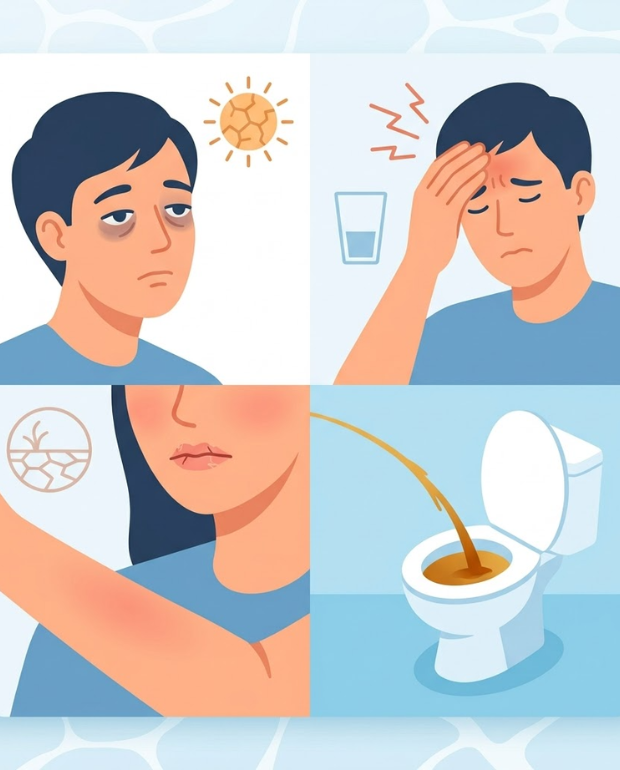
Common Signs That May Suggest Dehydration
Symptoms can vary depending on activity level, environment, illness, and overall health status.
Possible signs may include:
- Increased thirst
- Dry lips or mouth
- Dark yellow urine
- Muscle cramping
- Fatigue
- Feeling overheated
- Brain fog
- Lightheadedness
- Faster heart rate during activity
The MedlinePlus dehydration resource notes that dehydration symptoms may range from mild to more serious depending on fluid loss and individual health factors.
When IV Fluids May Make Sense

There is no universal answer for hydration therapy.
IV fluids may make sense in certain situations where oral hydration alone may not adequately support recovery or when symptoms continue despite increased fluid intake.
A personalized medical evaluation may help determine the most appropriate approach.
After Significant Fluid Loss
- Vomiting
- Diarrhea
- Excessive sweating
- Long workouts
- Heat exposure
- Outdoor physical activity
During Illness Recovery
- Vomiting
- Diarrhea
- Excessive sweating
- Long workouts
- Heat exposure
- Outdoor physical activity
Persistent Fatigue and Headaches
- Low energy
- Head pressure
- Reduced concentration
- Fatigue
- Sluggishness
Athletic Recovery and Heat Exposure
- Heat exposure
- High-intensity exercise
- Endurance training
- Long outdoor sessions
- Travel-related fatigue
Hydration support strategies may sometimes include electrolyte-focused wellness support depending on individualized needs.
Busy Schedules and Travel Fatigue
Long workdays, travel, poor sleep, and irregular hydration habits can sometimes leave people feeling depleted.
Some patients seen in wellness clinics report:
- Mental fog
- Headaches
- Fatigue
- Reduced recovery
- Low energy after travel
In certain situations, providers may recommend hydration support after reviewing symptoms, medical history, and overall wellness goals.

When Oral Hydration May Be Enough
IV therapy is not always necessary.
Many mild hydration concerns may improve with:
- Water intake
- Electrolyte beverages
- Sleep optimization
- Proper nutrition
- Reduced heat exposure
- Physical rest
For mild dehydration, oral hydration is often the first recommendation.
Medical evaluation may help determine whether additional hydration support may be appropriate for persistent symptoms.
Understanding How IV Fluids Work
IV fluids deliver fluids directly into the bloodstream through intravenous administration.
Depending on the formulation and provider recommendations, hydration IVs may contain:
- Saline
- Electrolytes
- Vitamins
- Nutrient support ingredients
The specific approach often depends on:
- Symptoms
- Hydration status
- Medical history
- Recovery concerns
- Lifestyle demands
- Wellness goals
Not every patient is an ideal candidate for every IV formulation.
That is why individualized provider assessment remains important.
Explore available hydration IV drips and wellness support options to better understand available approaches.
Situations That Require Immediate Medical Attention

Certain symptoms should never be treated as routine dehydration without medical evaluation.
Seek prompt medical care for:
- Chest pain
- Severe weakness
- Difficulty breathing
- Persistent vomiting
- Fainting
- Severe confusion
- High fever
- Sudden neurological symptoms
- Severe dehydration signs
IV wellness services are not intended to replace emergency medical treatment.
Safety Considerations
Hydration therapy may not be appropriate for everyone.
Certain health conditions can influence fluid balance and hydration safety, including:
- Kidney disease
- Heart conditions
- Blood pressure disorders
- Certain metabolic conditions
- Medical history
- Current symptoms
- Medications
- Allergies
- Lifestyle factors
- Wellness goals

What a Personalized IV Evaluation May Include

An IV wellness consultation may involve:
- Symptom review
- Hydration assessment
- Lifestyle evaluation
- Medical history screening
- Recovery concerns
- Wellness goal discussion
The goal is not simply hydration alone.
It is understanding possible contributing factors behind symptoms and determining whether hydration support may be appropriate.
If fatigue, headaches, or dehydration concerns continue, it may help to schedule an IV evaluation for personalized guidance.
Possible Hydration Scenario
According to the National Institute on Aging hydration guidance, dehydration risk may increase during illness, heat exposure, medication use, and periods of reduced fluid intake.
For example:
A patient recovering from several days of poor appetite and excessive heat exposure may experience:

- Fatigue
- Dizziness
- Dry mouth
- Reduced energy
- Headaches
In certain situations, a provider may evaluate whether oral hydration appears sufficient or whether monitored hydration support may be appropriate based on symptoms, medical history, and overall condition.
Outcomes vary depending on the individual and underlying contributing factors.
Hydration and Electrolytes
Hydration is not only about water intake.
Electrolytes help regulate:
- Muscle contractions
- Nerve signaling
- Cellular balance
- Fluid regulation
- Cardiovascular function
Heavy sweating, illness, and prolonged physical activity can sometimes affect electrolyte levels alongside hydration status.
This may explain why some people continue feeling unwell despite increasing water intake alone.
FAQs
Can IV fluids help with fatigue?
Sometimes.
Fatigue can have multiple contributing factors including dehydration, stress, illness recovery, sleep quality, and nutrition.
A personalized assessment may help determine whether hydration support may be beneficial
Are IV fluids better than drinking water?
Not necessarily.
For many individuals, oral hydration works well.
IV fluids may make sense in certain situations involving significant fluid loss, poor oral intake, or individualized wellness recommendations.
How quickly do IV fluids work?
Experiences vary.
Some patients report improvement relatively quickly, while others may notice more gradual changes depending on hydration status and overall health factors.
Are hydration IVs safe?
Safety depends on:
- Individual medical history
- Proper screening
- Provider oversight
- Hydration needs
- Appropriate administration
Professional assessment remains important before treatment.
Can dehydration cause headaches?
It can sometimes contribute.
However, headaches may also relate to:
- Stress
- Sleep disruption
- Migraines
- Illness
- Other medical conditions
Persistent or severe symptoms deserve medical evaluation.
Why Personalized Care Matters
- Physical activity
- Heat exposure
- Nutrition
- Illness recovery
- Travel
- Medications
- Existing medical conditions
Supporting Smarter Hydration Decisions
Hydration support is not about trends or quick fixes.
It is about understanding what the body may need during periods of physical stress, illness recovery, heat exposure, travel fatigue, or increased activity.
For some individuals, IV fluids may sometimes support hydration and recovery goals when recommended appropriately under professional supervision.
If you are experiencing persistent dehydration symptoms, fatigue, or recovery-related concerns, schedule an IV evaluation to discuss personalized hydration support and wellness recommendations with a qualified provider.