
Migraine, Nausea, and Dehydration : When Patients Seek IV Hydration
Migraine episodes are often far more complex than a headache alone.
For many individuals, migraines may also involve:
- Nausea
- Vomiting
- Light sensitivity
- Fatigue
- Dizziness
- Difficulty tolerating fluids
In some cases, dehydration may further intensify symptoms — especially when nausea limits the ability to maintain proper hydration.
This is one reason some individuals explore IV hydration for migraine support in medically supervised wellness settings.
At Circle Wellness in Melville, NY, IV hydration is approached through individualized, symptom-focused wellness planning designed around hydration status, patient history, and overall clinical considerations rather than generalized wellness marketing.
In clinical practice, IV hydration may sometimes be considered for individuals experiencing migraine-related dehydration, nausea, or reduced oral fluid intake.
What Is IV Hydration for Migraine?

IV hydration involves delivering fluids directly into the bloodstream through an intravenous line.
In migraine-related supportive care settings, IV hydration may be discussed for individuals experiencing:
- Fluid depletion
- Persistent nausea
- Vomiting
- Reduced oral intake
- Fatigue associated with dehydration
Unlike oral hydration, IV fluids bypass the digestive system entirely.
This may be beneficial for some individuals during episodes where drinking fluids becomes difficult because of nausea or gastrointestinal discomfort.
Why Do Some Patients Seek IV Hydration for Migraine?
Some individuals seek IV hydration for migraine when nausea, vomiting, or dehydration makes oral fluid intake difficult.
In medically supervised settings, IV hydration may help support:
- Fluid replacement
- Electrolyte balance
- Hydration support
- Symptom-focused wellness care
Responses vary depending on migraine triggers, hydration status, and overall health factors.
The Connection Between Migraine, Nausea, and Dehydration

Migraines involve complex neurological and physiological mechanisms.
For some individuals, dehydration may contribute to symptom severity, while migraine-related nausea may further reduce fluid intake.
This can create a cycle where symptoms become progressively harder to manage.
How Dehydration May Influence Migraine Symptoms
Even mild dehydration may contribute to:
- Increased headache discomfort
- Fatigue
- Brain fog
- Dizziness
- Reduced physical comfort
Hydration status is not considered the sole cause of migraines, but it may influence symptom intensity in certain individuals.
Why Nausea Can Make Hydration More Difficult

Many migraine episodes involve:
- Stomach sensitivity
- Reduced appetite
- Vomiting
- Difficulty drinking fluids
For some individuals, even small amounts of oral fluid intake may worsen nausea during acute migraine episodes.
This is one reason IV hydration is sometimes explored in supportive care settings.
Understanding the “Migraine-Dehydration Cycle”
A migraine episode may lead to:
- Reduced fluid intake
- Vomiting
- Increased fluid loss
At the same time, dehydration itself may worsen:
- Head discomfort
- Weakness
- Fatigue
- Dizziness
This overlapping cycle is commonly discussed in migraine-related supportive care conversations.
How IV Hydration May Be Used in Clinical Settings
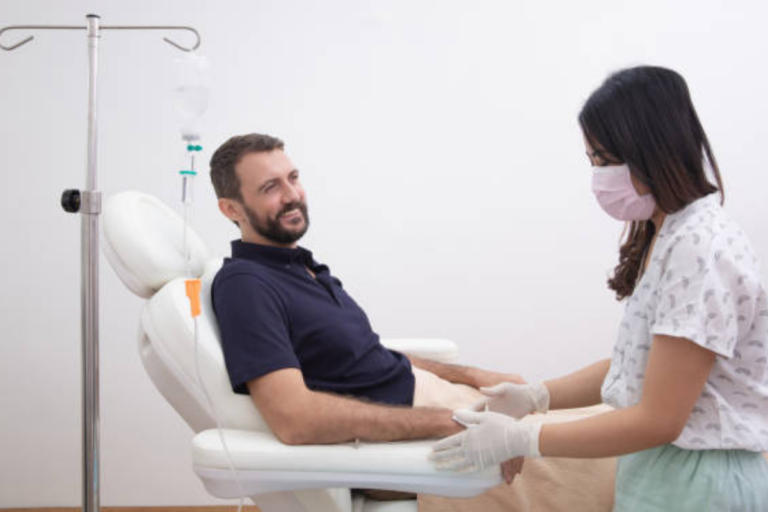
IV hydration is not considered a cure for migraines.
However, it may sometimes be incorporated into supportive wellness care for individuals experiencing hydration-related symptom concerns.
A professionally supervised IV hydration session may include:
Initial Health Assessment
Providers may review:
- Symptom severity
- Hydration status
- Medical history
- Current medications
- Previous migraine patterns
- Existing health conditions
This helps determine whether IV hydration is appropriate.
Hydration and Electrolyte Support
Fluids may be selected based on:
- Hydration needs
- Electrolyte balance
- Individual tolerance
- Provider assessment
Some wellness-focused settings may also discuss hydration-supportive nutrient formulations depending on clinical considerations.
Monitoring During Treatment
Medical supervision may help monitor for:
- Discomfort
- Dizziness
- Vein irritation
- Sensitivity reactions
- Unexpected symptoms
Patients are generally observed throughout treatment for comfort and safety.
IV Hydration vs Oral Hydration
Oral Hydration
- Depends on digestive absorption
- May be difficult during nausea
- Can take longer during dehydration episodes
IV Hydration
- Delivered directly into circulation
- Bypasses the digestive system
- May support hydration when oral intake is limited
Neither option replaces proper medical evaluation for severe or persistent migraine symptoms.
What Some Individuals Report After IV Hydration

Responses vary significantly from person to person.
Some individuals report:
- Feeling more hydrated
- Reduced dizziness
- Improved comfort after fluid loss
- Temporary reduction in dehydration-related fatigue
Others may notice minimal changes depending on:
- Migraine triggers
- Sleep quality
- Stress levels
- Underlying health conditions
- Severity of symptoms
Responsible wellness care involves realistic expectations rather than guaranteed outcomes.
Educational and Clinical Perspective
Educational resources aligned with the National Institutes of Health (NIH) continue to discuss the importance of hydration, individualized migraine management, and broader clinical evaluation when symptoms become persistent or severe.
For example, an individual experiencing migraine episodes associated with vomiting and reduced oral fluid intake may sometimes discuss hydration-focused supportive care as part of a broader wellness or medical management strategy.
However, migraine symptoms can have multiple possible causes and contributing factors, making individualized assessment important.
Potential Side Effects of IV Hydration

When professionally supervised, IV hydration is generally considered well tolerated for appropriate candidates.
However, possible side effects may include:
- Mild bruising
- Temporary discomfort at the IV site
- Vein irritation
- Rare fluid balance concerns
- Temporary sensitivity reactions
Professional assessment and monitoring may help reduce avoidable risks.
Who May Need Additional Medical Evaluation?
Additional evaluation may be important for individuals with:
- Kidney disease
- Heart conditions
- Electrolyte disorders
- High blood pressure
- Pregnancy
- Chronic medical conditions
- Frequent unexplained migraines
Individualized assessment helps determine treatment suitability and safety.
When Migraine Symptoms Should Not Be Ignored
Certain symptoms may require prompt medical evaluation rather than wellness-focused supportive care alone.
Individuals should seek professional medical attention for:
- Sudden severe headaches
- Vision changes
- Confusion
- Weakness or numbness
- Persistent vomiting
- Frequent worsening migraines
- Headaches different from typical migraine patterns
Proper diagnosis remains essential.
Why Medical Oversight Matters in IV Hydration

Medical oversight may help support:
- Appropriate hydration planning
- Safer fluid selection
- Monitoring during treatment
- Recognition of underlying medical concerns
- Individualized symptom-focused care
At Circle Wellness in Melville, NY, IV hydration services are approached through clinically informed wellness planning focused on patient safety, realistic expectations, and individualized care considerations.
Book a Symptom-Focused Consult
Individuals experiencing migraine-related dehydration, nausea, or ongoing hydration concerns may benefit from individualized evaluation and symptom-focused wellness planning.
Questions about IV hydration suitability, hydration support, or migraine-related wellness concerns can often be discussed during a professional consultation.
Consider two hypothetical patients in Melville:
FAQs

Can IV hydration help with migraines?
IV hydration may help support hydration and comfort for some individuals experiencing migraine-related dehydration or nausea, though responses vary.
Why do migraines sometimes cause nausea?
Migraines may affect neurological pathways connected to digestion and sensory processing, which can contribute to nausea or vomiting in some individuals.
When is IV hydration considered for migraines?
It may sometimes be considered when dehydration, vomiting, or reduced oral fluid intake is present during a migraine episode.
Is IV hydration safe?
When professionally supervised and appropriately evaluated, IV hydration is generally considered safe for suitable candidates, though risks may still exist.
Can IV hydration cure migraines?
No. IV hydration is not considered a cure for migraines and may not address underlying neurological or medical causes.
How long does an IV hydration session usually take?
Many hydration-focused IV sessions may last approximately 30–60 minutes depending on the treatment plan and individual needs.
A More Individualized Approach to Migraine Support
Modern wellness care increasingly emphasizes personalized, symptom-focused support rather than one-size-fits-all solutions.
While hydration may play an important role for some individuals, persistent migraine symptoms often require broader clinical understanding and individualized care planning.
At Circle Wellness, IV hydration is approached as part of medically informed wellness support designed around patient-specific needs, hydration considerations, and overall wellbeing goals.
Medical Disclaimer

This content is intended for educational purposes only and does not constitute medical advice, diagnosis, or treatment. Individual symptoms and responses vary. Always consult a qualified healthcare professional regarding migraine symptoms, dehydration concerns, or personalized wellness recommendations.