Key Facts at a Glance
| Feature | Hydrafacial | Traditional Facial |
|---|---|---|
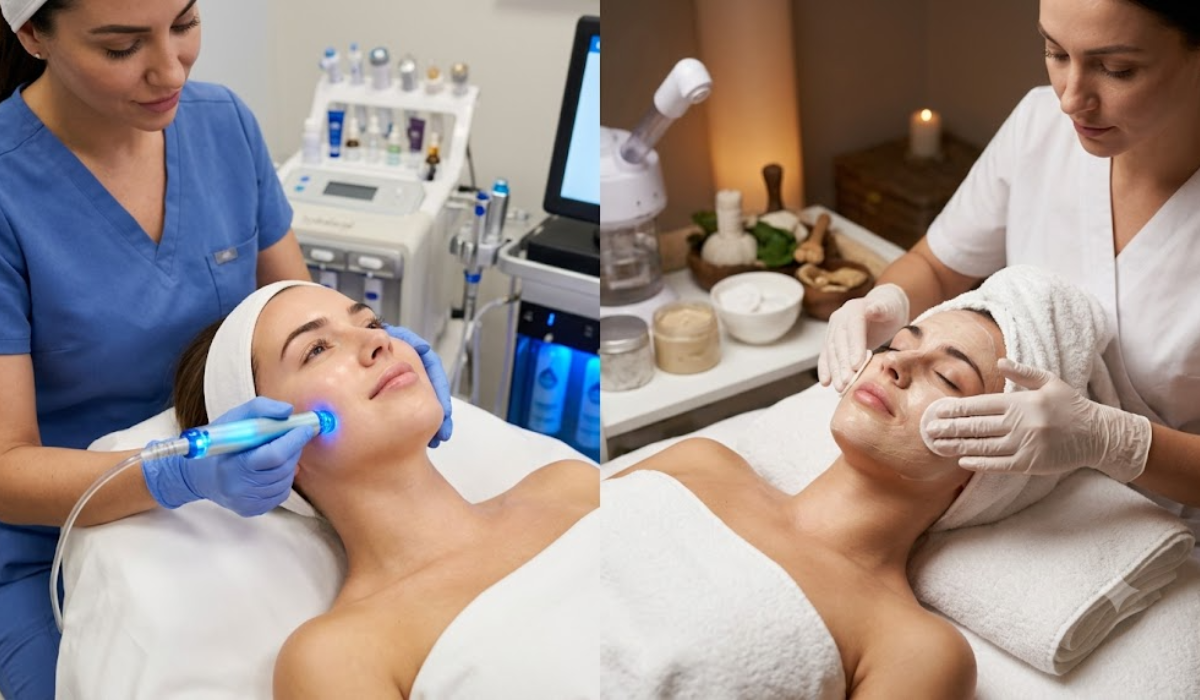
| Technology-Based | Yes | No |
| Extraction Method | Vacuum-assisted | Manual |
| Downtime | Minimal | Minimal |
| Customizable | Moderate | Highly customizable |
| Suitable for Sensitive Skin | Often yes | Depends on products used |
| Immediate Glow | Common | Common |
| Best For | Hydration, clogged pores, maintenance | Relaxation, customization, overall skin health |
Understanding Professional Facial Treatments
Professional facial treatments are designed to improve skin health, address specific concerns, and support long-term skincare goals.
While both Hydrafacial and traditional facials can improve the appearance of the skin, they differ significantly in their techniques, technology, and treatment objectives.
Understanding these differences can help patients choose the most appropriate treatment for their needs.
What Is a Hydrafacial?
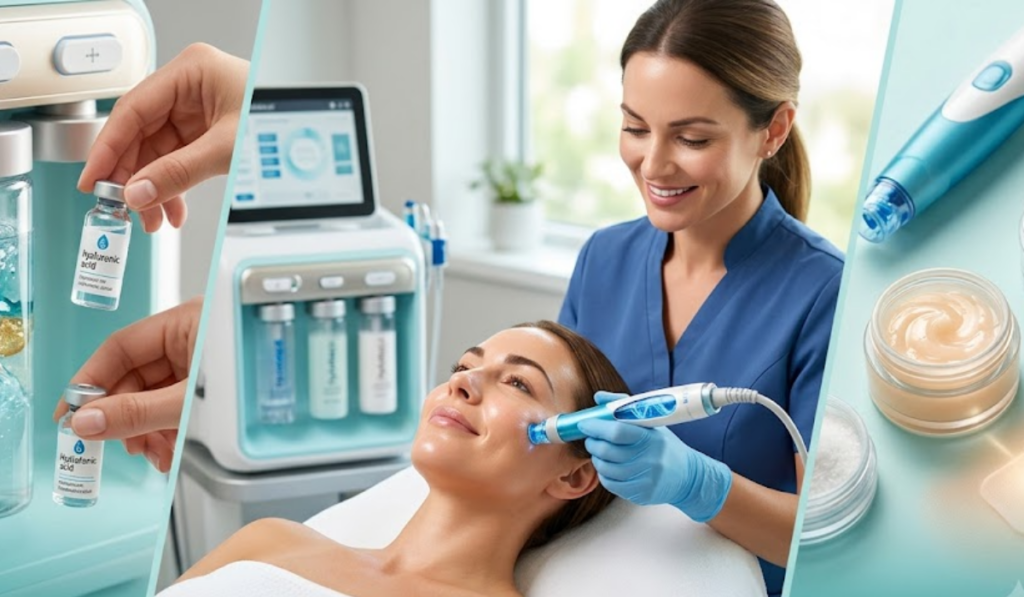
Hydrafacial is a non-invasive skincare treatment that uses patented vortex technology to cleanse, exfoliate, extract debris, and deliver hydrating serums to the skin.
The treatment is designed to improve skin hydration, texture, and overall appearance without significant downtime.
How Does a Hydrafacial Work?
Step 1: Cleansing and Exfoliation
Dead skin cells and surface impurities are removed.
Step 2: Gentle Chemical Exfoliation
Mild acids help loosen debris within pores.
Step 3: Extraction
Vacuum-assisted technology removes impurities and excess oil.
Step 4: Hydration and Serum Infusion
The skin is infused with moisturizing and antioxidant-rich serums.
Benefits of Hydrafacial
Short-Term Benefits
- Immediate skin glow
- Improved hydration
- Cleaner-looking pores
- Smoother skin texture
Long-Term Benefits
- Consistent skin maintenance
- Improved overall skin quality
- Reduced congestion
- Enhanced skincare product absorption
Additional Advantages
- Non-invasive
- Minimal downtime
- Suitable for many skin types
- Quick treatment sessions
Limitations of Hydrafacial
- Multiple sessions may be needed for ongoing results
- May not significantly improve deep acne scars
- Results are maintenance-based rather than permanent
- Can be more expensive than some traditional facials
What Is a Traditional Facial?
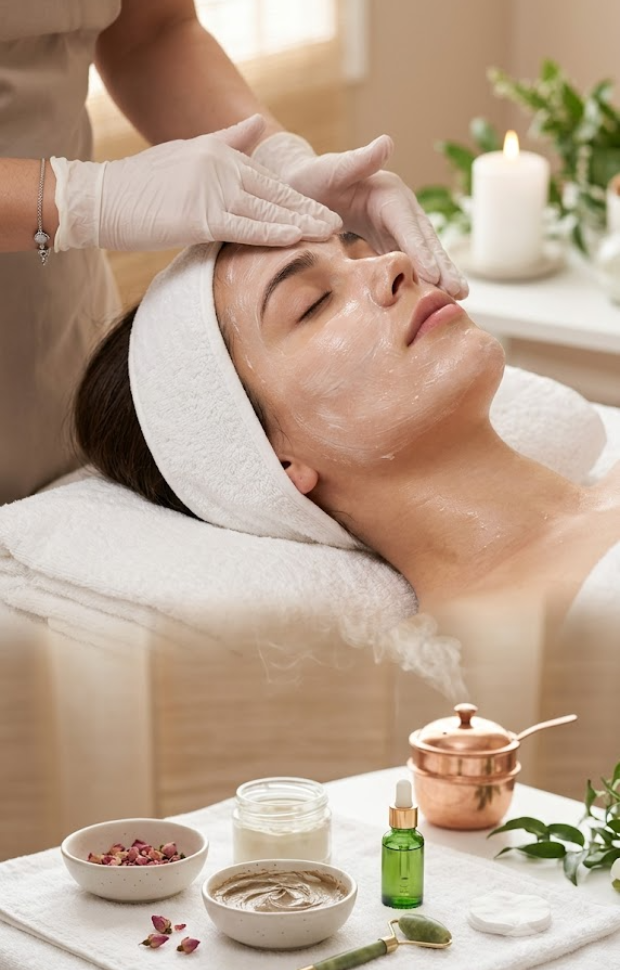
A traditional facial is a customized skincare treatment performed by an aesthetic provider.
Treatment components may vary depending on skin type, concerns, and provider recommendations.
Common Components of a Traditional Facial
- Cleansing
- Exfoliation
- Steam treatment
- Manual extractions
- Facial massage
- Customized masks
- Moisturizers and serums
Because traditional facials are highly customizable, no two treatments are exactly alike.
Benefits of Traditional Facials
Short-Term Benefits
- Relaxation
- Skin cleansing
- Temporary glow
- Improved circulation
Long-Term Benefits
- Consistent skin maintenance
- Improved skin health
- Early detection of skin concerns
- Better support for a home skincare routine
Additional Advantages
- Personalized treatment approach
- Wide variety of treatment options
- Adaptable for different skin concerns
Limitations of Traditional Facials
- Results depend heavily on provider expertise
- Manual extractions may cause temporary redness
- Outcomes vary based on products used
- May not provide the same level of deep extraction technology as Hydrafacial
Hydrafacial vs Traditional Facial: Side-by-Side Comparison
| Feature | Hydrafacial | Traditional Facial |
|---|---|---|
| Technology | Advanced vortex system | Hands-on techniques |
| Extractions | Vacuum-assisted | Manual |
| Hydration | Serum infusion technology | Product-based hydration |
| Customization | Moderate | High |
| Relaxation Factor | Moderate | High |
| Downtime | Minimal | Minimal |
| Treatment Time | Usually 30–60 minutes | Usually 45–90 minutes |
Hydrafacial vs Traditional Facial: Side-by-Side Comparison
| Treatment | Pros | Cons |
| Hydrafacial | Advanced technology, immediate glow, deep cleansing, minimal downtime | Higher cost, may require maintenance sessions |
| Traditional Facial | Highly customizable, relaxing experience, broad treatment options | Results vary by provider, less technology-driven extraction |
Which Treatment Is Better for Different Skin Concerns?
Hydrafacial May Be Ideal For:
Congested pores
Oily skin
Mild acne-prone skin
Dehydrated skin
Patients seeking quick results
Traditional Facial May Be Ideal For:
General skin maintenance
Relaxation and self-care
Sensitive skin requiring customization
Personalized skincare plans
First-time facial patients
Is Hydrafacial Better for Acne?
Hydrafacial may help improve mild congestion and oily skin by removing impurities and excess oil.
However, severe acne often requires a comprehensive treatment plan that may include medical-grade skincare, lifestyle modifications, and professional evaluation.
Is Hydrafacial Better for Anti-Aging?
Hydrafacial can temporarily improve hydration, skin texture, and overall skin radiance.
However, concerns such as significant wrinkles, skin laxity, or deep pigmentation may require additional aesthetic treatments.
Recovery Timeline: What Results Can You Expect?
| Timeline | Hydrafacial | Traditional Facial |
| Same Day | Immediate glow and hydration | Fresh, cleansed appearance |
| 24–48 Hours | Continued skin radiance | Mild redness from extractions may resolve |
| 1 Week | Improved hydration often noticeable | Skin may continue to feel smoother |
| Ongoing Treatments | Maintenance benefits accumulate | Consistent skin health support |
Important Note
Individual results vary depending on skin type, underlying conditions, skincare habits, and treatment frequency.
What We See at Circle Wellness
Many patients assume that one facial treatment is universally better than another.
In reality, the best treatment depends on:
- Skin type
- Hydration levels
- Acne history
- Sensitivity concerns
- Long-term skincare goals
Some patients benefit from regular Hydrafacial treatments, while others achieve excellent results through customized traditional facial programs.
A professional skin assessment helps determine the most appropriate option.

Latest Research and Clinical Insights
Research supports the importance of regular professional skincare treatments as part of a broader skin health strategy.
Professional exfoliation, hydration, and skin maintenance may help improve overall skin appearance, support barrier function, and complement an effective home skincare routine.
Treatment selection should always be individualized.
Common Mistakes Patients Make
- Choosing treatments based solely on social media trends
- Expecting permanent results from a single facial
- Ignoring daily sunscreen use
- Skipping professional skin evaluations
- Using aggressive skincare immediately after treatment
Questions to Ask Your Aesthetic Provider
- Which treatment best matches my skin type?
- Do I have concerns that require additional treatments?
- How many sessions may be recommended?
- What skincare products should I use afterward?
- Are there any risks specific to my skin?
When Should You See an Aesthetic Provider?
Consider scheduling a consultation if:
- You experience persistent acne
- Your skin feels chronically dehydrated
- You have recurring congestion or breakouts
- You want a personalized skincare plan
- You are preparing for an upcoming event
Key Takeaways
- Hydrafacial and traditional facials both improve skin appearance and health.
- Hydrafacial uses technology-driven cleansing and hydration.
- Traditional facials offer greater customization.
- Both treatments have minimal downtime.
- The best treatment depends on your skin concerns and goals.
- Professional evaluation helps determine the most effective option.
FAQs
Is Hydrafacial better than a regular facial?
Not necessarily. Each treatment offers different benefits, and the best option depends on individual skin needs.
How often should I get a Hydrafacial?
Many patients schedule treatments every 4–6 weeks, although recommendations vary.
Can sensitive skin tolerate Hydrafacial?
Many individuals with sensitive skin can tolerate Hydrafacial, but assessment is recommended.
Do traditional facials include extractions?
Some do, but treatment components vary based on provider recommendations.
Which facial is better before an event?
Many patients choose Hydrafacial because it often provides immediate hydration and glow with minimal downtime.
Which Facial May Be Right for You?
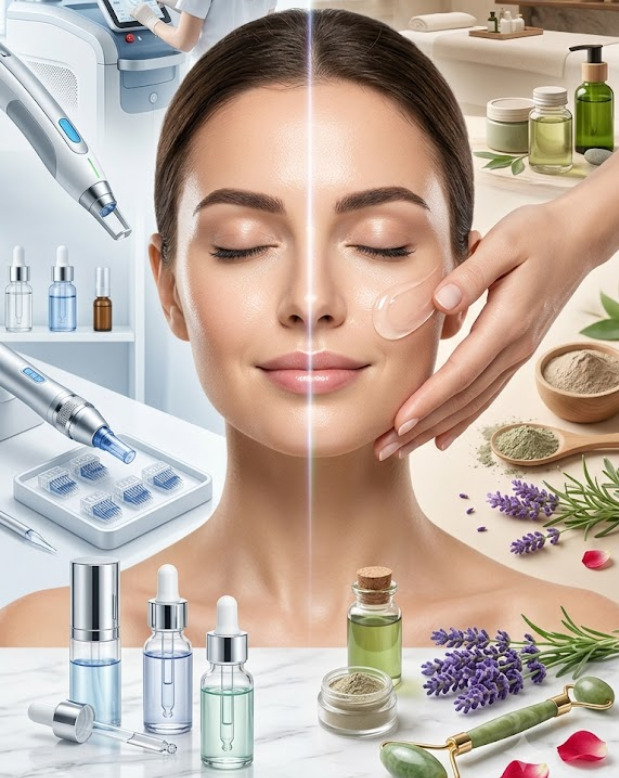
Hydrafacial and traditional facials are both valuable skincare treatments, but they serve slightly different purposes. Hydrafacial emphasizes technology-driven cleansing, extraction, and hydration, while traditional facials provide a highly personalized approach focused on skin health and relaxation. The most appropriate treatment depends on your skin type, concerns, and aesthetic goals.
Patient Considerations
For example, someone struggling with congestion and dehydration may benefit from Hydrafacial technology, while another individual seeking relaxation and highly customized skincare may prefer a traditional facial. A professional skin assessment is often the most reliable way to determine the appropriate treatment approach.
Expert Perspective
Professional facial treatments should be viewed as part of a comprehensive skincare strategy rather than standalone solutions. While Hydrafacial treatments can provide advanced cleansing and hydration through technology-driven techniques, traditional facials offer flexibility and customization that can address a wide range of skin concerns.
The most effective treatment plan is typically based on an individual’s skin condition, lifestyle, home skincare routine, and long-term aesthetic objectives.