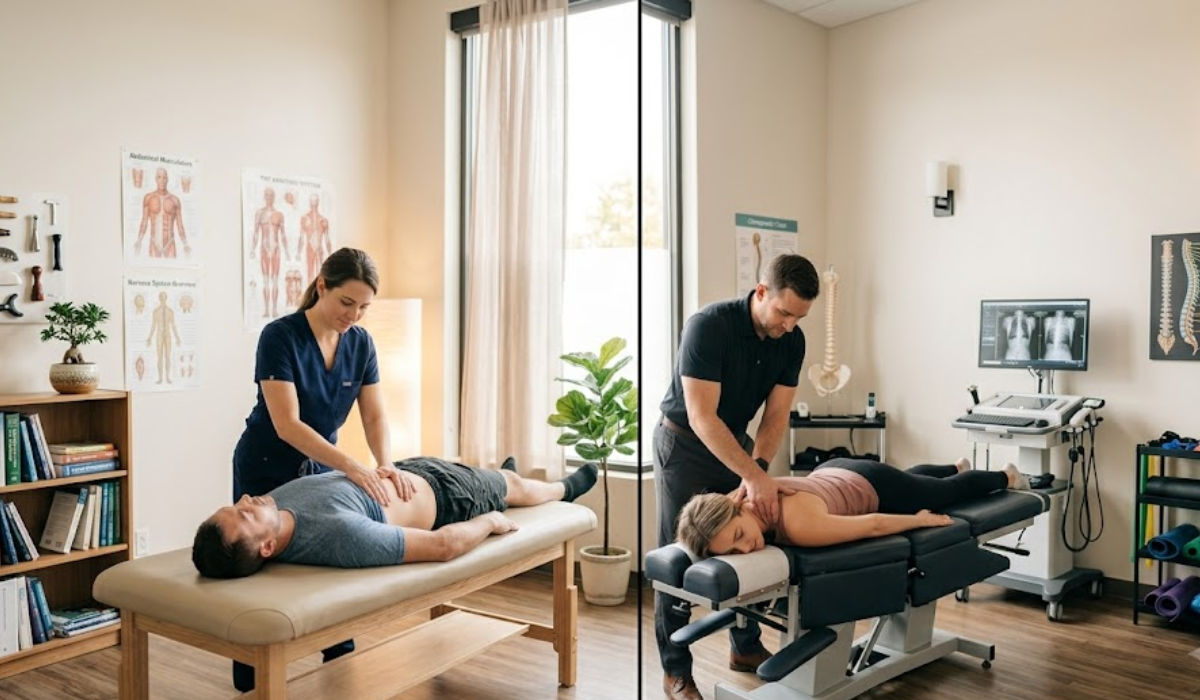
Key Facts at a Glance
| Question | Answer |
| What is OMT? | Physician-guided hands-on osteopathic treatment |
| What is chiropractic care? | Manual therapy focused mainly on the spine and joints |
| Are both drug-free? | Yes |
| Can both help back pain? | Yes, depending on the cause |
| Are approaches different? | Yes, because training and treatment philosophy differ |
| Is one always better? | No, depends on patient needs |
Understanding Manual Therapy for Pain Relief
Many patients experiencing chronic pain, stiffness, headaches, or mobility issues look for alternatives to medication or surgery.
Hands-on therapies such as OMT and chiropractic care are commonly considered because they aim to:
- Improve movement
- Reduce muscle tension
- Support joint mobility
- Address mechanical contributors to discomfort
Although they may appear similar, they come from different healthcare traditions and are performed by different types of providers.
Understanding the difference can help patients choose the right approach.
What Is OMT (Osteopathic Manipulative Treatment)?
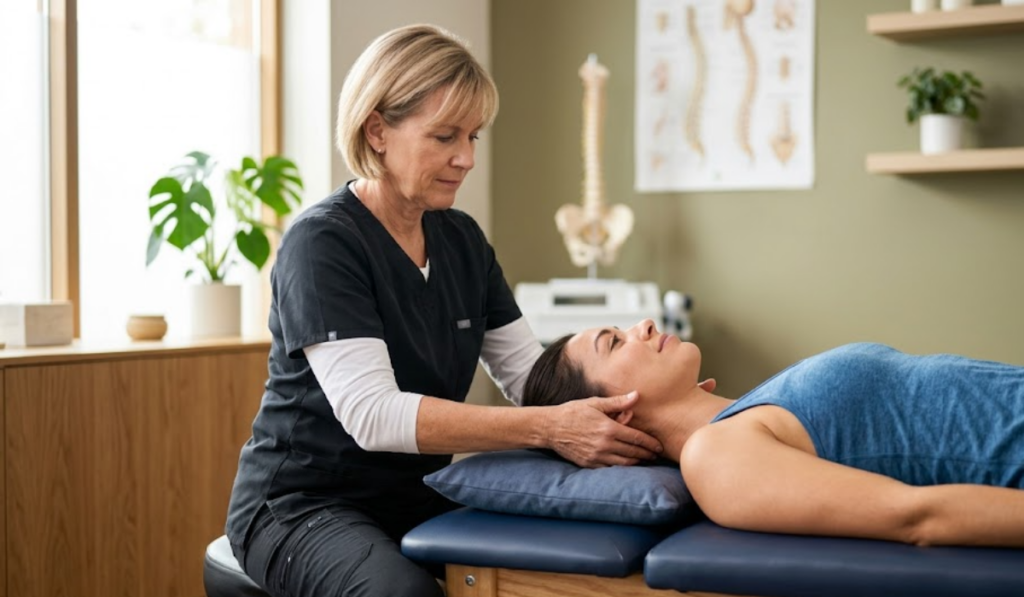
Osteopathic Manipulative Treatment (OMT) is a hands-on medical technique used by osteopathic physicians (DOs) to diagnose, treat, and prevent conditions affecting the musculoskeletal system.
A DO physician may use OMT as part of a complete medical treatment plan.
OMT focuses on how the:
- Muscles
- Bones
- Joints
- Connective tissues
- Nervous system
work together.
How Does OMT Work?
- Gentle stretching
- Soft tissue techniques
- Joint mobilization
- Muscle energy techniques
- Myofascial release
- Position-based techniques
Conditions OMT May Help With
OMT may be considered for:
- Back pain
- Neck pain
- Joint stiffness
- Muscle tension
- Sports-related injuries
- Postural problems
- Certain headaches
- Movement restrictions
It is often used alongside other medical treatments when appropriate.
What Makes OMT Different?
- Diagnose medical conditions
- Prescribe medications
- Order imaging or tests
- Provide medical treatment
- Use OMT when appropriate
What Is Chiropractic Care?
Chiropractic care is a form of manual therapy focused primarily on the relationship between the spine, joints, and nervous system.
Chiropractors commonly use techniques designed to improve joint movement and reduce musculoskeletal discomfort.
How Does Chiropractic Care Work?
Chiropractic treatment often involves:
- Spinal adjustments
- Joint manipulation
- Mobilization techniques
- Soft tissue work
- Exercise recommendations
The goal is commonly to improve mobility and reduce mechanical stress affecting the body.
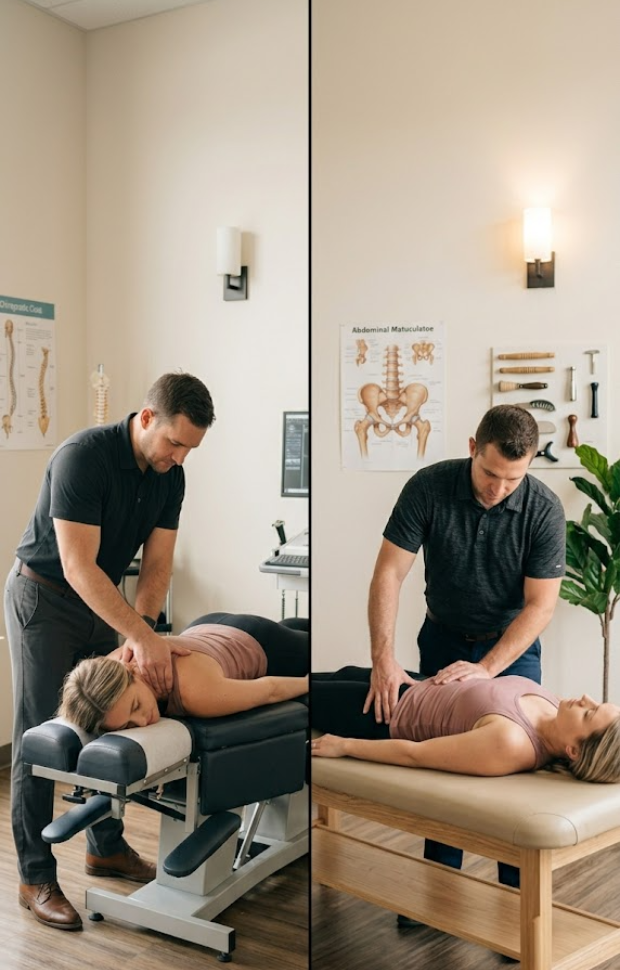
Conditions Chiropractic Care May Help With
Many patients seek chiropractic care for:
- Low back pain
- Neck discomfort
- Muscle tightness
- Certain joint issues
- Headaches related to musculoskeletal tension
- Mobility limitations
Treatment plans vary depending on the provider and patient needs.
OMT vs Chiropractic Care: Main Differences
| Category | OMT | Chiropractic Care |
| Provider | Osteopathic physician (DO) | Chiropractor |
| Medical training | Full physician training | Chiropractic training |
| Approach | Whole-body medical approach | Primarily musculoskeletal/spinal approach |
| Diagnosis | Medical diagnosis included | Focused evaluation of musculoskeletal issues |
| Medication authority | DOs can prescribe | Depends on location/regulations |
| Treatment goal | Improve overall body function | Improve joint and spinal mechanics |
Similarities Between OMT and Chiropractic Care
Although they are different, both approaches may:
- Use hands-on techniques
- Support mobility
- Reduce muscle tension
- Address mechanical pain contributors
- Be part of a non-surgical pain management plan
Many patients report improved comfort and function with appropriately selected manual therapy.
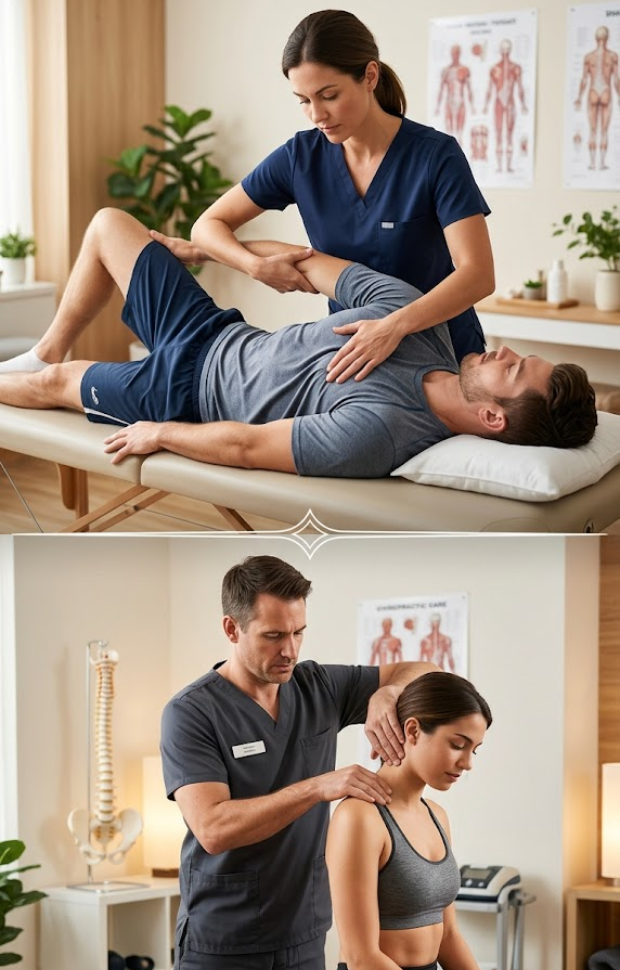
Benefits of OMT
- Diagnose medical conditions
- Prescribe medications
- Order imaging or tests
- Provide medical treatment
- Use OMT when appropriate
Limitations of OMT
- Results vary between individuals
- Multiple sessions may be needed
- Not a replacement for emergency care
- May not resolve underlying structural problems alone
Benefits of Chiropractic Care
- Improved spinal mobility
- Reduced mechanical discomfort
- Hands-on treatment approach
- Support for movement improvement
Limitations of Chiropractic Care
- Not suitable for every medical condition
- Results vary by patient
- May require ongoing sessions
- Does not replace medical diagnosis when needed
Safety and Possible Side Effects: OMT vs Chiropractic Care
Both OMT and chiropractic care are generally considered safe when performed by qualified professionals. However, like any hands-on therapy, some patients may experience temporary effects.
Possible OMT Side Effects
- Mild soreness
- Temporary fatigue
- Muscle tenderness
- Short-term discomfort after treatment
Possible Chiropractic Side Effects
- Mild soreness
- Stiffness
- Temporary discomfort
- Headache in some cases
Who May Benefit Most From OMT?
OMT may be a good option for patients who:
- Prefer physician-guided care
- Have multiple health concerns
- Need a broader medical evaluation
- Experience chronic musculoskeletal pain
- Want hands-on treatment integrated with medical care
OMT may be especially useful when pain involves multiple factors, including posture, muscle tension, and movement patterns.
Who May Benefit Most From Chiropractic Care?
OMT may be a good option for patients who:
- Prefer physician-guided care
- Have multiple health concerns
- Need a broader medical evaluation
- Experience chronic musculoskeletal pain
- Want hands-on treatment integrated with medical care
OMT may be especially useful when pain involves multiple factors, including posture, muscle tension, and movement patterns.
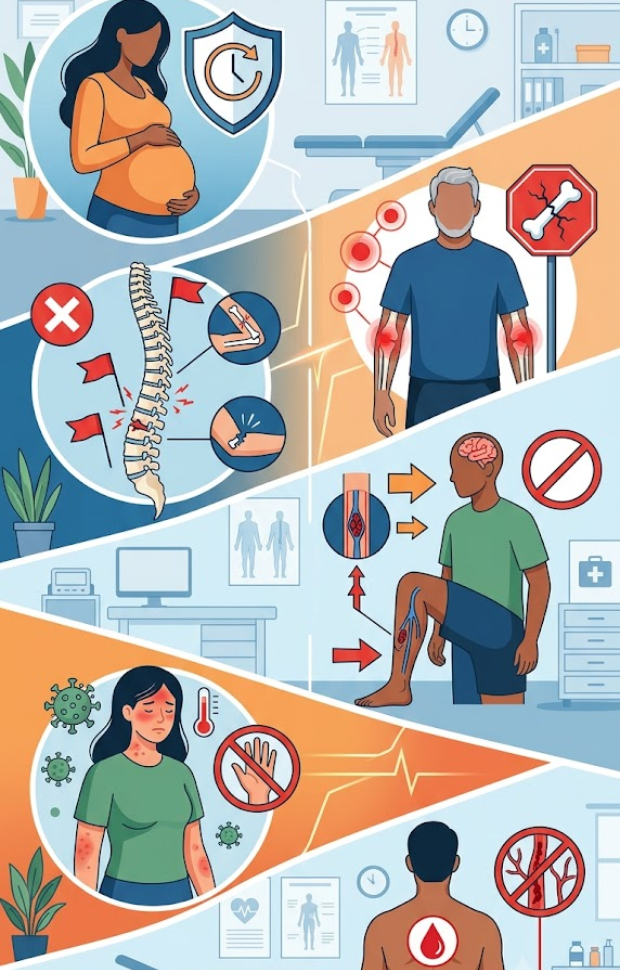
Who Should Avoid or Delay These Treatments?
Manual therapies may not be appropriate for everyone.
Patients should seek medical guidance before treatment if they have:
- Recent fractures
- Severe osteoporosis
- Active infections
- Certain neurological conditions
- Significant trauma injuries
- Unexplained severe pain
A proper evaluation helps determine the safest approach.
Recovery Timeline: What Should Patients Expect?
Recovery varies depending on the condition, treatment intensity, and individual response.
| Category | OMT | Chiropractic Care |
| Provider | Osteopathic physician (DO) | Chiropractor |
| Medical training | Full physician training | Chiropractic training |
| Approach | Whole-body medical approach | Primarily musculoskeletal/spinal approach |
| Diagnosis | Medical diagnosis included | Focused evaluation of musculoskeletal issues |
| Medication authority | DOs can prescribe | Depends on location/regulations |
| Treatment goal | Improve overall body function | Improve joint and spinal mechanics |
Many patients improve gradually rather than experiencing instant resolution.
OMT vs Chiropractic Care: Pros and Cons
| Treatment | Pros | Cons |
| OMT | Physician-guided, whole-body approach, integrates medical care | Availability may be limited |
| Chiropractic Care | Focused manual treatment, commonly available | Primarily centered on musculoskeletal concerns |
| Both | Drug-free options, supports mobility | Results vary by individual |
Can OMT and Chiropractic Care Be Combined With Other Treatments?

Treatment costs vary depending on:
- Provider experience
- Location
- Number of sessions
- Treatment complexity
- Insurance coverage
General Comparison
| Treatment | Cost Consideration |
| OMT | May vary based on medical visit structure and coverage |
| Chiropractic Care | Often priced per visit or care plan |
- Provider qualifications
- Treatment goals
- Long-term value
- Overall care approach
Myth vs Fact: OMT and Chiropractic Care
| Myth | Fact |
| OMT and chiropractic care are exactly the same. | They overlap but have different training backgrounds and approaches. |
| Manual therapy instantly fixes all pain. | Results vary and often require a comprehensive plan. |
| Adjustments are only for back pain. | Both therapies may address various movement-related concerns. |
| Medication is always better than manual therapy. | Treatment choice depends on the condition and patient needs. |
| Hands-on therapy replaces medical care. | It may complement medical treatment when appropriate. |
Common Mistakes Patients Make
Patients often make mistakes such as:
- Choosing treatment without proper evaluation
- Expecting one session to solve chronic pain
- Ignoring posture and movement habits
- Stopping care immediately after improvement
- Not communicating symptoms clearly
Long-term improvement often requires active participation.
Latest Research and Clinical Insights
Research in musculoskeletal medicine suggests that hands-on therapies may provide benefits for certain patients with conditions such as back pain and movement-related discomfort.
Evidence supports using manual therapies as part of a broader approach that may include:
- Exercise
- Rehabilitation
- Lifestyle changes
- Medical evaluation
The most effective treatment plans typically focus on improving function, not only reducing symptoms.
Expert Perspective on Choosing Between OMT and Chiropractic Care
OMT and chiropractic care are not simply competing treatments.
The best choice depends on:
- Your diagnosis
- Pain severity
- Overall health
- Treatment goals
- Preference for physician-led or specialized manual care
A personalized evaluation helps determine which approach aligns best with your needs.
When Should You See a Healthcare Provider?
Seek professional evaluation if you experience:
- Pain lasting longer than several weeks
- Increasing pain severity
- Numbness or weakness
- Loss of mobility
- Pain after injury
- Symptoms affecting daily activities
Persistent pain should always be properly evaluated.
FAQs
Is OMT the same as chiropractic care?
No. Both use hands-on techniques, but OMT is performed by osteopathic physicians and is integrated into medical care.
Is OMT better than chiropractic care?
Not necessarily. The best option depends on your condition, preferences, and healthcare needs.
Can OMT help back pain?
OMT may help some patients with back pain by improving mobility and reducing muscle tension.
Does chiropractic adjustment hurt?
Most patients experience little discomfort, although mild soreness can occur afterward.
Can I receive OMT and chiropractic care together?
Sometimes. Treatment combinations should be discussed with healthcare providers.
How many sessions are needed?
The number of sessions depends on the condition and individual response.
Is manual therapy safe?
When performed by qualified professionals, manual therapy is generally considered safe for appropriate patients.
Does OMT replace medication?
No. It may complement medical treatment but should not replace prescribed care without medical guidance.
Which Approach May Be Right for You?
Choosing between OMT and chiropractic care depends on what you need from treatment.
Patients looking for physician-guided care with a broader medical approach may prefer OMT.
Patients seeking focused manual treatment for spinal and joint concerns may consider chiropractic care.
A professional evaluation is the best way to determine the most appropriate option.


Experiencing chronic pain, stiffness, or movement limitations?
Schedule a consultation with Circle Wellness