What Happens to Your Body After an Acupuncture Session?
Whether you’re trying acupuncture for the first time or returning for ongoing care, it’s natural to wonder how your body may respond once the session is over.
Some individuals leave feeling deeply relaxed, while others notice temporary soreness, mild fatigue, or gradual changes in their symptoms over the following hours or days.
These experiences can vary depending on several factors, including the condition being treated, your overall health, and your body’s individual response to therapy.
At Circle Wellness in Melville, NY, acupuncture is provided as part of a personalized wellness approach following a comprehensive health assessment and individualized treatment planning.
Understanding what may happen after an acupuncture session can help you feel more prepared and know which responses are commonly expected.
What Is Acupuncture?
Acupuncture is a component of Traditional Chinese Medicine (TCM) that is also widely incorporated into modern integrative healthcare.
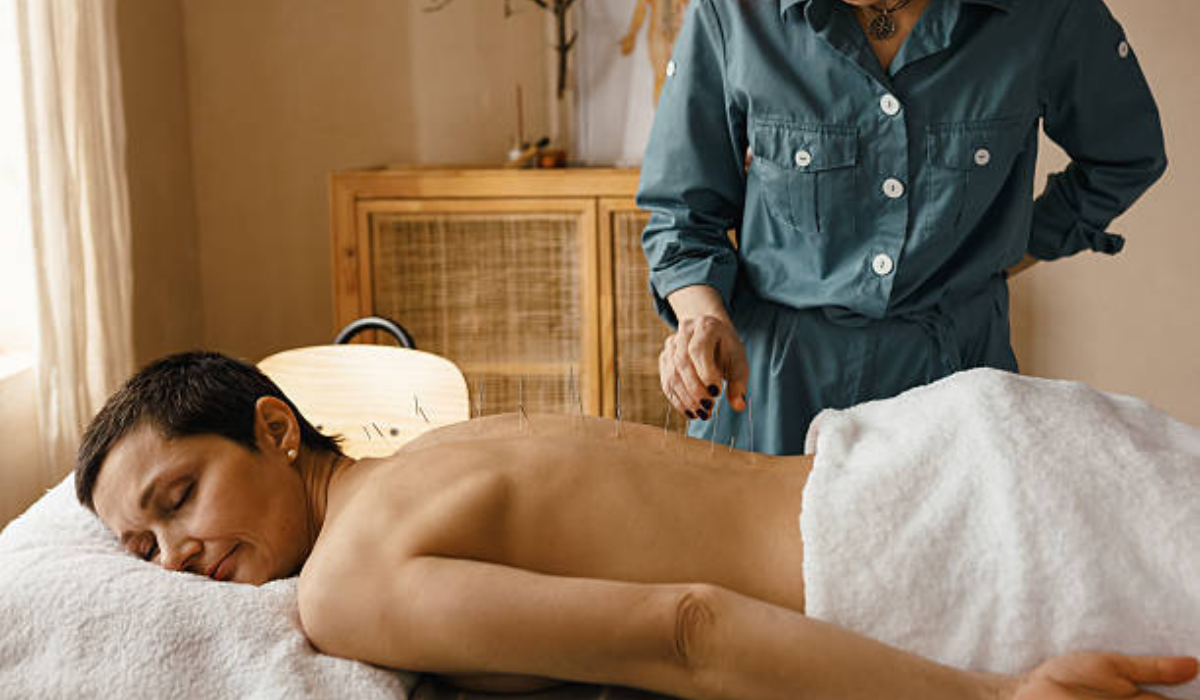
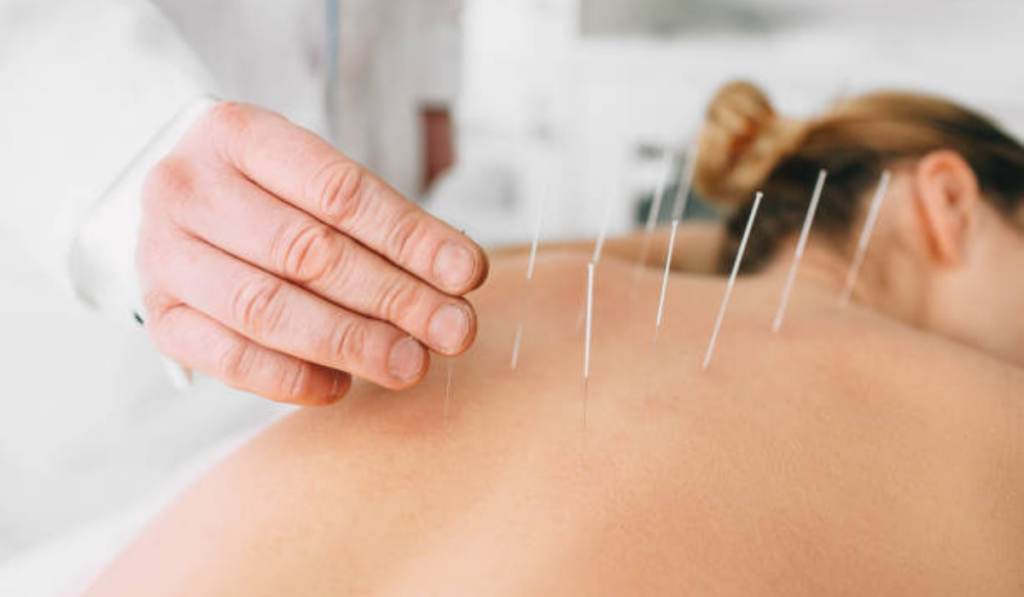
The treatment involves inserting very thin, sterile needles into specific points on the body selected according to the individual’s symptoms and clinical assessment.
Acupuncture may be incorporated into care plans for individuals seeking support for concerns such as:
- Musculoskeletal pain
- Neck and back discomfort
- Stress-related symptoms
- Headaches
- Joint pain
- General wellness support
Treatment recommendations vary depending on each person’s health history, diagnosis, and treatment goals.
Quick Answer: What Happens After an Acupuncture Session?
Many individuals experience little to no downtime after acupuncture.
Some common post-treatment responses may include:
- A feeling of relaxation
- Temporary tiredness
- Mild soreness around needle sites
- Increased sense of wellbeing
- Gradual improvement in symptoms over time
Others may notice little immediate change, particularly during the first treatment session.
Individual responses vary, and acupuncture affects each person differently.
Why Your Body May Respond Differently
Acupuncture is intended to support the body’s natural regulatory processes.
How someone feels afterward can depend on several factors, including:
- The condition being treated
- Duration of symptoms
- Stress levels
- Sleep quality
- Overall health
- Previous acupuncture experience
- Individual physiological responses
Because every person is different, no two treatment experiences are exactly alike.
Common Responses After Acupuncture
Although experiences vary, several responses are commonly reported after treatment.
Feeling Relaxed
Many individuals describe a sense of calm or relaxation following an acupuncture session.
Some people notice:
- Reduced muscle tension
- A calmer mood
- Improved sense of wellbeing
- Less physical stress
For some, this relaxed feeling may continue for several hours after treatment.
Temporary Fatigue
It is not uncommon for some individuals to feel temporarily tired after acupuncture.
This response may simply reflect the body’s adjustment following treatment.
Many providers recommend:
- Drinking water
- Avoiding strenuous activity immediately afterward
- Allowing time for rest if needed
Temporary fatigue usually resolves on its own.
Mild Soreness
Some individuals experience mild soreness or tenderness around the needle insertion sites.
This sensation is often:
- Mild
- Temporary
- Similar to muscle soreness after exercise
Most soreness resolves within a day or two.
Changes in Symptoms
Some people notice gradual improvements in the symptoms that prompted treatment.
Others may experience little immediate change following their first visit.
Because acupuncture is often incorporated into a broader treatment plan, providers may recommend multiple sessions depending on the individual’s condition and goals.
How Long Do Post-Treatment Effects Last?
The duration of post-treatment responses varies between individuals.
Some people notice temporary changes lasting only a few hours, while others may continue experiencing effects into the following day.
Factors that may influence recovery include:
- Overall health
- Treatment goals
- Number of previous sessions
- Lifestyle habits
- Severity of the condition being addressed
Treatment responses should always be interpreted within the context of an individual’s personalized care plan.
What May Happen During the First 24–48 Hours?

Many individuals resume their normal daily activities immediately after an acupuncture session.
However, the body may continue responding to treatment over the next one to two days.
Some commonly reported experiences include:
- Feeling more relaxed than usual
- Temporary improvement in mobility
- Mild muscle soreness
- Increased thirst
- Feeling sleepy or more rested
- Temporary fluctuations in symptoms
These responses are generally short-lived and vary from person to person.
Can Symptoms Feel Different Before They Improve?
Some individuals notice temporary changes in their symptoms shortly after treatment.
For example, they may experience:
- Mild muscle soreness
- Temporary heaviness
- Slight fatigue
- Brief changes in pain intensity
These experiences are not universal and do not necessarily indicate that treatment is or is not working.
Any persistent, worsening, or concerning symptoms should be discussed with your healthcare provider.
How Acupuncture May Support the Body
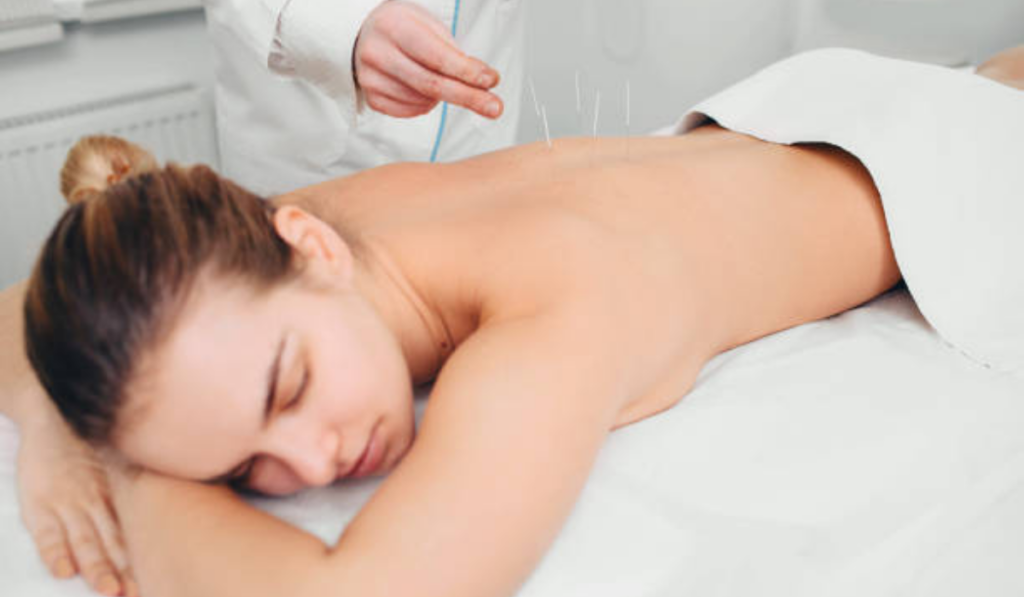
Although research continues to evolve, acupuncture is thought to influence several physiological processes.
Studies have explored its potential role in supporting:
- Nervous system regulation
- Local blood circulation
- Muscle relaxation
- Connective tissue function
- The body’s natural pain-modulating mechanisms
Researchers continue to investigate how these responses may contribute to symptom management in certain conditions.
What Should You Do After an Acupuncture Session?
Simple self-care measures may help support recovery after treatment.
Healthcare providers commonly recommend:
Stay Hydrated
Drinking adequate water may help support your body’s normal physiological processes following treatment.
Listen to Your Body
If you feel tired after your session, allowing yourself time to rest may be beneficial.
Many individuals return to normal activities immediately, while others prefer a quieter schedule for the remainder of the day.
Avoid Intense Physical Activity
Unless your provider advises otherwise, it may be helpful to postpone strenuous exercise immediately after treatment.
Light walking or gentle movement is often well tolerated.
Follow Your Personalized Care Plan
Depending on your condition, your provider may recommend:
- Stretching exercises
- Home mobility routines
- Lifestyle modifications
- Follow-up appointments
- Additional integrative therapies
Following these recommendations may help support your overall treatment goals.
Educational and Clinical Perspective
Educational resources supported by the National Center for Complementary and Integrative Health (NCCIH) and the National Institutes of Health (NIH) continue to study acupuncture as part of integrative healthcare for selected conditions, including certain types of chronic pain.
For example, an individual receiving acupuncture for chronic neck or lower back discomfort may notice varying responses after treatment. Some people report temporary relaxation or symptom improvement, while others experience more gradual changes over the course of multiple sessions.
Because treatment responses differ between individuals, acupuncture is generally incorporated into personalized care plans rather than expected to produce identical outcomes for every patient.
Possible Side Effects

Educational resources supported by the National Institutes of Health (NIH) and the Centers for Disease Control and Prevention (CDC) emphasize that maintaining adequate hydration is important for overall health and that oral hydration remains appropriate for most healthy individuals.
For example, a person experiencing mild dehydration after spending time outdoors may recover adequately with water and oral electrolyte solutions. In contrast, someone with persistent vomiting who is unable to retain fluids may require medical evaluation to determine whether IV hydration is clinically appropriate.
The decision to use IV hydration should be guided by a healthcare professional based on the individual’s symptoms, medical history, and overall condition rather than convenience alone.
Possible Risks and Considerations
When performed by a qualified and appropriately trained provider using sterile needles, acupuncture is generally considered safe for suitable candidates.
Some individuals may experience temporary side effects such as:
- Mild bruising
- Slight bleeding at the needle site
- Temporary soreness
- Mild fatigue
- Lightheadedness immediately after treatment
These effects are often mild and resolve without additional treatment.
When Should You Contact Your Healthcare Provider?
Although serious complications are uncommon, individuals should contact their provider if they experience:
- Persistent or severe pain
- Significant swelling
- Signs of infection
- Prolonged bleeding
- Fever following treatment
- Symptoms that continue worsening rather than improving
Prompt communication helps ensure appropriate evaluation if unexpected symptoms occur.
How Many Acupuncture Sessions Are Usually Recommended?
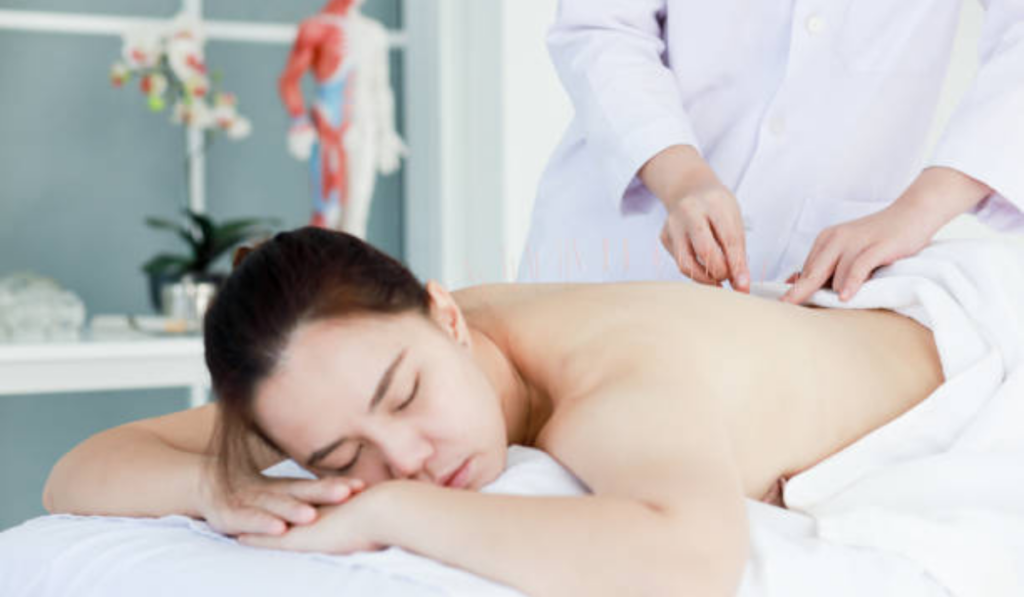
There is no standard number of acupuncture treatments.
Recommendations depend on factors such as:
- The condition being addressed
- Symptom duration
- Individual response
- Overall health
- Treatment goals
Some individuals notice changes after one session, while others may require a series of treatments as part of a broader care plan.
Treatment frequency should always be determined through individualized clinical evaluation rather than a fixed schedule.
Why Professional Medical Guidance Matters
Although acupuncture is widely used as part of integrative healthcare, it is not a one-size-fits-all treatment.
The symptoms you experience after a session—and whether acupuncture is appropriate in the first place—depend on your health history, diagnosis, medications, and treatment goals.
Professional evaluation helps ensure that acupuncture is incorporated safely into an individualized care plan rather than being used as a substitute for necessary medical evaluation.
At Circle Wellness, acupuncture recommendations are based on a comprehensive assessment to determine whether treatment aligns with each patient’s specific needs.
Acupuncture as Part of a Comprehensive Wellness Plan
For many individuals, acupuncture works best when combined with other evidence-informed approaches rather than used as a standalone therapy.
Depending on your condition, your personalized care plan may also include:
- Lifestyle recommendations
- Stress management strategies
- Therapeutic exercise
- Stretching and mobility programs
- Osteopathic Manipulative Treatment (OMT)
- Medical massage
- Trigger point injections when clinically appropriate
- Other physician-guided wellness services
A multidisciplinary approach may help support long-term health, movement, and symptom management.
Acupuncture as Part of a Comprehensive Wellness Plan
For many individuals, acupuncture works best when combined with other evidence-informed approaches rather than used as a standalone therapy.
Depending on your condition, your personalized care plan may also include:
- Lifestyle recommendations
- Stress management strategies
- Therapeutic exercise
- Stretching and mobility programs
- Osteopathic Manipulative Treatment (OMT)
- Medical massage
- Trigger point injections when clinically appropriate
- Other physician-guided wellness services
A multidisciplinary approach may help support long-term health, movement, and symptom management.
FAQs

Is it normal to feel tired after acupuncture?
Yes. Some individuals report temporary fatigue or sleepiness following an acupuncture session. This response is generally short-lived, although experiences vary from person to person.
Can I exercise after acupuncture?
Many people can resume normal daily activities after treatment. However, some providers recommend avoiding strenuous exercise immediately after a session, especially if you feel fatigued or sore.
Why do I feel relaxed after acupuncture?
Some individuals report feeling calm or relaxed after treatment. Researchers continue to study how acupuncture may influence the nervous system and other physiological processes, but responses vary among individuals.
Is soreness after acupuncture normal?
Mild soreness around needle insertion sites can occur in some individuals and is generally temporary. Persistent or severe pain should be discussed with your healthcare provider.
How long does it take to notice results?
Some individuals notice changes after their first session, while others experience more gradual improvements over multiple treatments. The timeline depends on the condition being addressed and each person’s response to care.
When should I contact my provider after acupuncture?
You should contact your healthcare provider if you experience severe pain, signs of infection, prolonged bleeding, significant swelling, fever, or symptoms that continue worsening after treatment.
Supporting Your Recovery After Acupuncture
Every person’s response to acupuncture is unique.
While some individuals leave a session feeling relaxed or refreshed, others may notice temporary soreness, mild fatigue, or gradual changes in their symptoms over the following days.
These experiences are often influenced by factors such as the condition being treated, overall health, and the body’s individual response to therapy.
Understanding what to expect after treatment can help you approach acupuncture with realistic expectations and recognize when normal recovery differs from symptoms that require medical attention.
At Circle Wellness, acupuncture is delivered within a personalized, evidence-informed care model where treatment recommendations are guided by clinical assessment, patient safety, and long-term wellness goals rather than a standardized approach.
Book a Personalized Acupuncture Consultation
Whether you’re exploring acupuncture for pain, stress, muscle tension, or overall wellness, the first step is understanding whether it’s appropriate for your individual health needs.
At Circle Wellness in Melville, NY, every acupuncture treatment begins with a personalized evaluation to better understand your symptoms, medical history, and wellness goals before recommendations are made.