Oral Hydration vs IV Hydration: Which One Is Better for Your Situation?
Hydration is essential for nearly every function in the human body — from energy production and brain performance to circulation, digestion, and temperature regulation. Yet many individuals still experience symptoms like fatigue, dizziness, headaches, or weakness even after increasing fluid intake.
This raises an important clinical question:
Is oral hydration enough, or does your body actually need IV hydration?
The answer depends on the severity of dehydration, absorption ability, underlying health status, and the cause of your symptoms.
Understanding the difference between oral hydration vs IV hydration is important to avoid unnecessary treatment and ensure the safest, most effective approach for your body.
Why Hydration Matters for Your Body
Water is not just a “thirst quencher” — it is a core biological requirement.
Proper hydration supports:
- Blood circulation and oxygen delivery
- Muscle function and recovery
- Cognitive performance and focus
- Kidney and toxin filtration
- Temperature regulation
- Electrolyte balance
Even mild dehydration can lead to symptoms such as:
- Fatigue
- Headache
- Lightheadedness
- Muscle cramps
- Brain fog
However, not all hydration-related symptoms mean you need IV therapy.
What Is Oral Hydration?

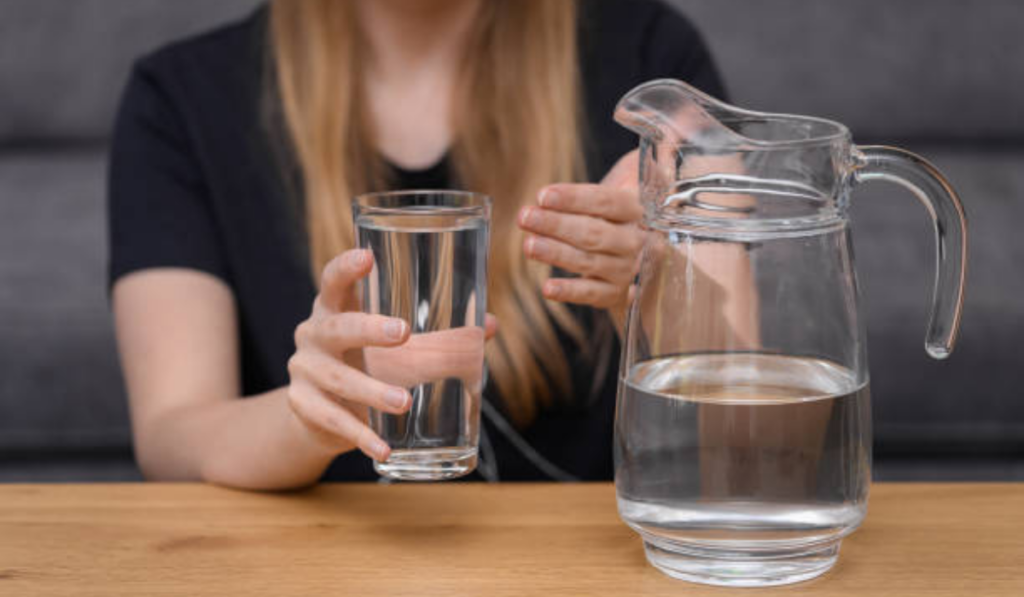
Oral hydration refers to fluid intake through drinking water and electrolyte-rich fluids.
This includes:
- Water
- Oral rehydration solutions (ORS)
- Electrolyte drinks
- Coconut water
- Clear broths
How Oral Hydration Works
After ingestion, fluids pass through the digestive system and are absorbed in the intestines. From there, they enter the bloodstream and help restore fluid balance.
This process depends on:
- Gut absorption efficiency
- Electrolyte balance
- Severity of dehydration
- Overall digestive health
Benefits of Oral Hydration
- Safe for daily use
- Cost-effective and accessible
- Supports long-term hydration habits
- No medical supervision required
- Effective for mild dehydration
For most individuals, oral hydration is sufficient for daily needs.
What Is IV Hydration?
IV (intravenous) hydration delivers fluids directly into the bloodstream through a vein.
This method bypasses the digestive system completely.
How IV Hydration Works
Because fluids enter directly into circulation:
- Hydration effects are rapid
- Absorption is 100% bioavailable
- Electrolytes can be restored quickly
IV hydration is typically used in clinical settings where faster correction of fluid imbalance is required.
Oral Hydration vs IV Hydration: Key Differences
| Factor | Oral Hydration | IV Hydration |
|---|---|---|
| Delivery Method | Digestive system | Direct bloodstream |
| Speed of Effect | Gradual | Rapid |
| Use Case | Daily hydration | Moderate to severe dehydration |
| Medical Supervision | Not required | Required |
| Cost | Low | Higher |
| Risk Level | Very low | Requires monitoring |
When Oral Hydration Is Enough
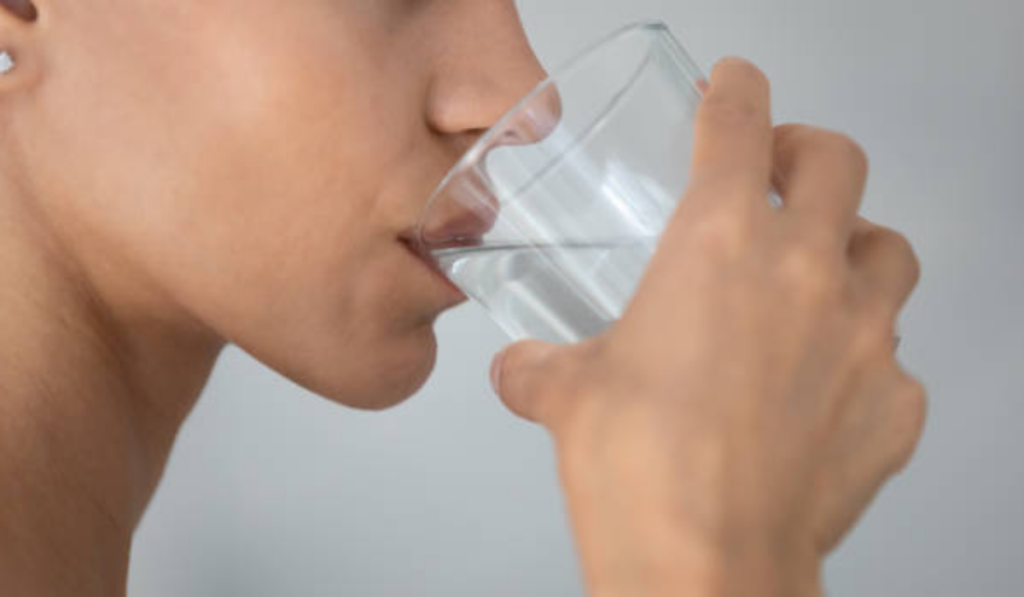
Most people do not require IV hydration.
Oral hydration is usually sufficient when:
- You are mildly dehydrated
- You can drink fluids normally
- Symptoms are mild (thirst, fatigue, dry mouth)
- There is no vomiting or severe fluid loss
In these cases, increasing water and electrolytes is typically enough to restore balance.
When IV Hydration May Be Considered
IV hydration may be appropriate when the body cannot adequately restore fluid balance through oral intake.
Common situations include:
- Moderate to severe dehydration
- Persistent vomiting or nausea
- Heat exhaustion
- Acute illness with fluid loss
- Inability to tolerate oral fluids
However, IV therapy should always follow proper clinical evaluation rather than being used as a first-line wellness treatment.
Why Screening Is Important Before IV Hydration
Not all symptoms of fatigue or dizziness are caused by dehydration.
In clinical practice, similar symptoms may also be linked to:
- Sleep deprivation
- Iron deficiency
- Blood pressure fluctuations
- Electrolyte imbalance
- Hormonal or metabolic conditions
This is why proper evaluation is essential before starting IV therapy.
Without screening, there is a risk of treating symptoms without addressing the actual cause.
Risks of Unnecessary IV Hydration

Although IV hydration is generally safe when medically indicated, unnecessary use may lead to:
- Improper electrolyte correction
- Infection risk at injection site
- Overhydration in certain conditions
- Delayed diagnosis of underlying issues
This is why IV therapy should always be clinically guided.
Oral Hydration vs IV Hydration: Which Is Better?
There is no universal “better” option.
- Oral hydration is best for daily maintenance and mild symptoms
- IV hydration is best for medically significant dehydration or when oral intake is not sufficient
For most individuals, oral hydration remains the safest and most effective first approach.
When You Should Seek Medical Guidance
Consider a clinical evaluation if you experience:
- Persistent fatigue or weakness
- Frequent dizziness or lightheadedness
- Recurrent dehydration symptoms
- Inability to maintain oral fluid intake
- Ongoing gastrointestinal fluid loss
These symptoms may indicate a deeper underlying issue beyond hydration alone.
How Circle Wellness Approaches Hydration Support

At Circle Wellness, hydration concerns are evaluated through a clinical and symptom-based approach rather than assumption-based treatment.
Before recommending IV hydration, providers typically assess:
- Vital signs and hydration status
- Symptom history and severity
- Medical background
- Possible underlying contributors
This ensures that treatment is appropriate, safe, and targeted to the actual cause of symptoms.
Get Screened Before Booking IV Hydration
IV hydration is not a routine wellness shortcut — it is a medical intervention that should be used appropriately.
At Circle Wellness, patients are encouraged to:
Get screened before booking IV hydration
This helps determine whether:
- IV therapy is medically necessary
- Oral hydration is sufficient
- Another underlying condition may be responsible for symptoms
Proper screening ensures safer and more effective care decisions.
FAQs

Is IV hydration better than drinking water?
Not necessarily. IV hydration works faster, but oral hydration is sufficient for most people.
When should I choose IV hydration?
Only when oral hydration is not effective or when medically significant dehydration is present.
Can IV hydration help with fatigue?
Only if fatigue is actually related to dehydration. Many other causes of fatigue exist.
Is oral hydration enough daily?
Yes. Most healthy individuals only need oral hydration for daily fluid balance.
Is IV hydration safe?
Yes, when administered under medical supervision after proper screening.
Making the Right Hydration Choice
The choice between oral hydration vs IV hydration depends entirely on your symptoms and underlying health condition.
For most individuals, oral hydration is sufficient and safe. IV hydration should only be considered when clinically necessary after proper evaluation.
If you are unsure, the safest step is simple:
Get screened before booking IV hydration.