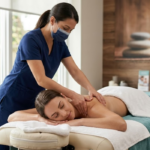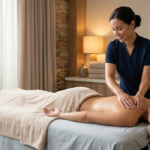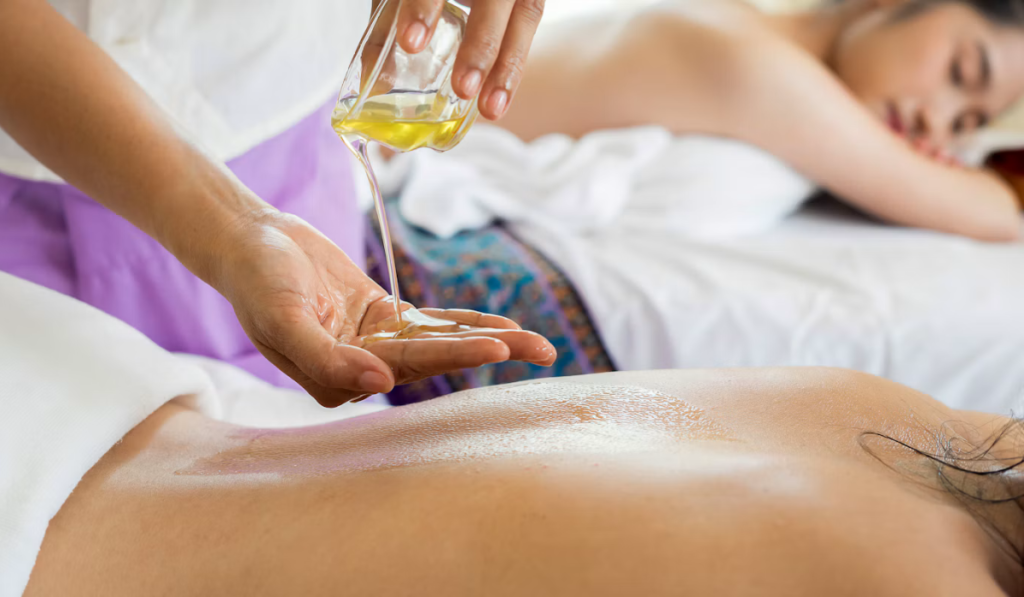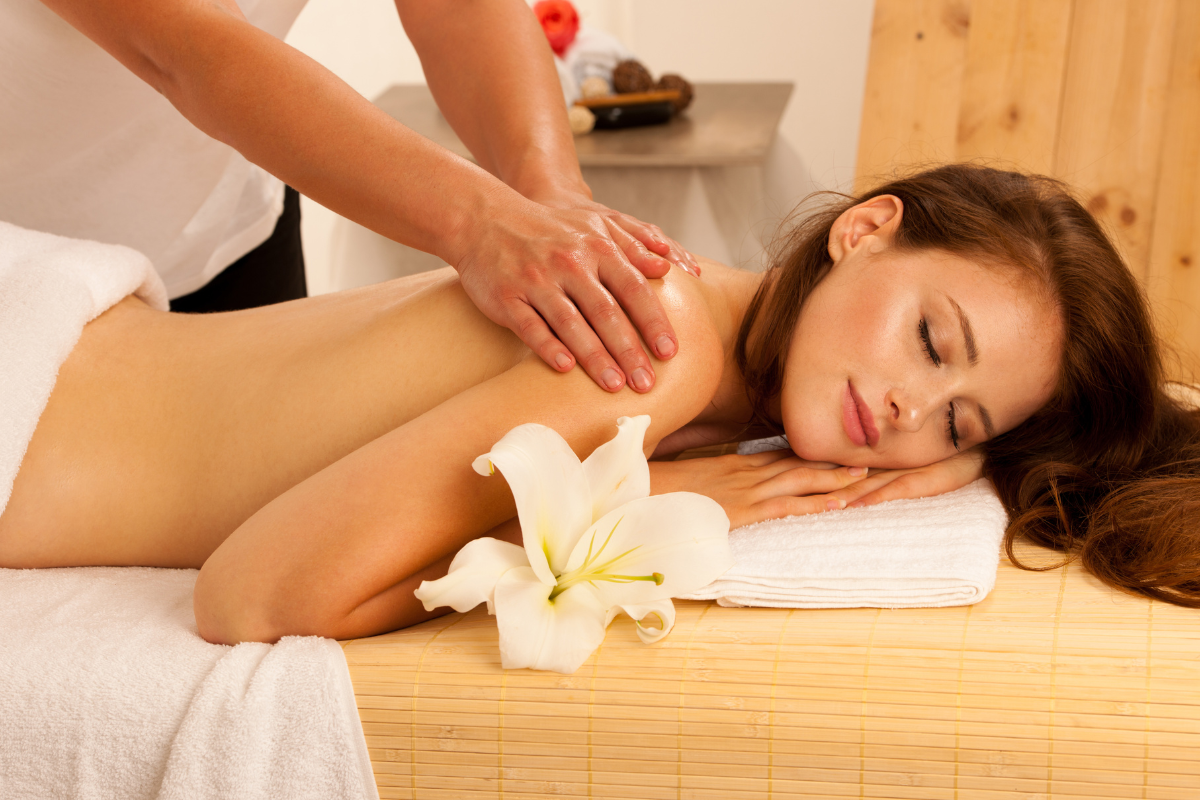
A full body massage usually focuses on the major muscle groups of the back, shoulders, neck, arms, hands, legs, and feet. Depending on your goals, health history, session length, and preferences, it may also include the scalp, face, hips, gluteal muscles, abdomen, or upper chest.
However, “full body” does not mean every body part must be touched.
You decide which areas may be treated. Professional draping should protect your privacy throughout the session, and you can ask the therapist to skip an area, change the pressure, reposition you, or stop at any time.
In New York, genital massage is prohibited, appropriate draping is required, and massage therapists must respect a client’s right to refuse, modify, or end treatment.
What Is a Full Body Massage?
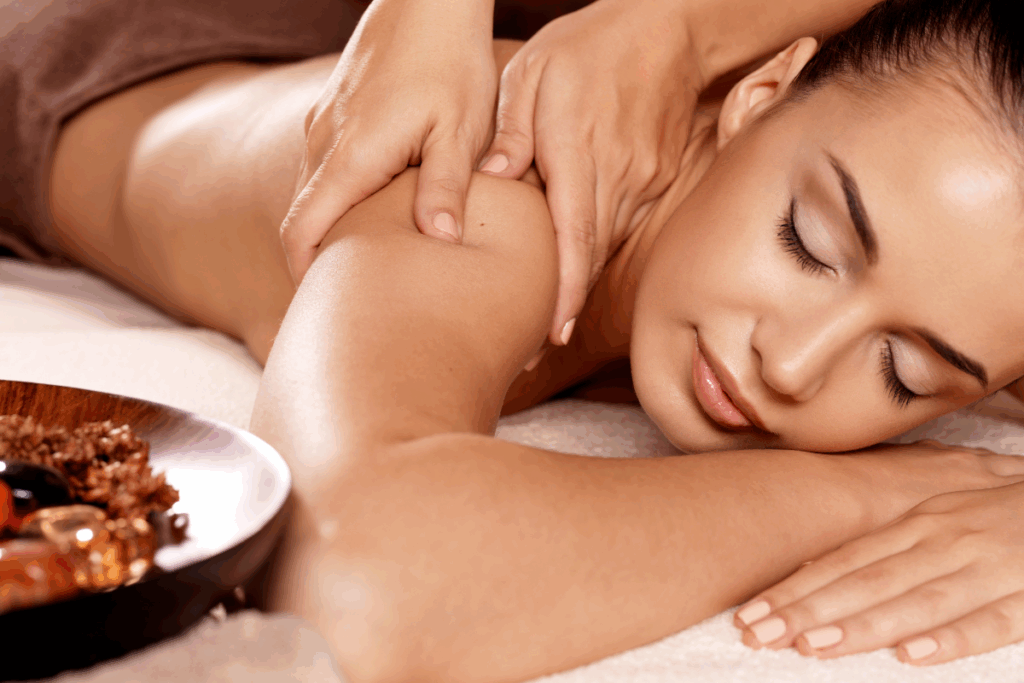
A full body massage works on several major body regions rather than one isolated problem area.
A typical session may include:
- Back
- Shoulders
- Neck
- Arms and hands
- Hips
- Legs
- Feet
The exact sequence varies. One therapist may start with your back, while another begins with the neck, shoulders, or feet. A medical massage may spend most of the appointment on only two or three priority areas.
Massage therapy includes many techniques, and the approach should be chosen according to the client’s physical condition and goals.
Full Body Does Not Mean Deep Tissue
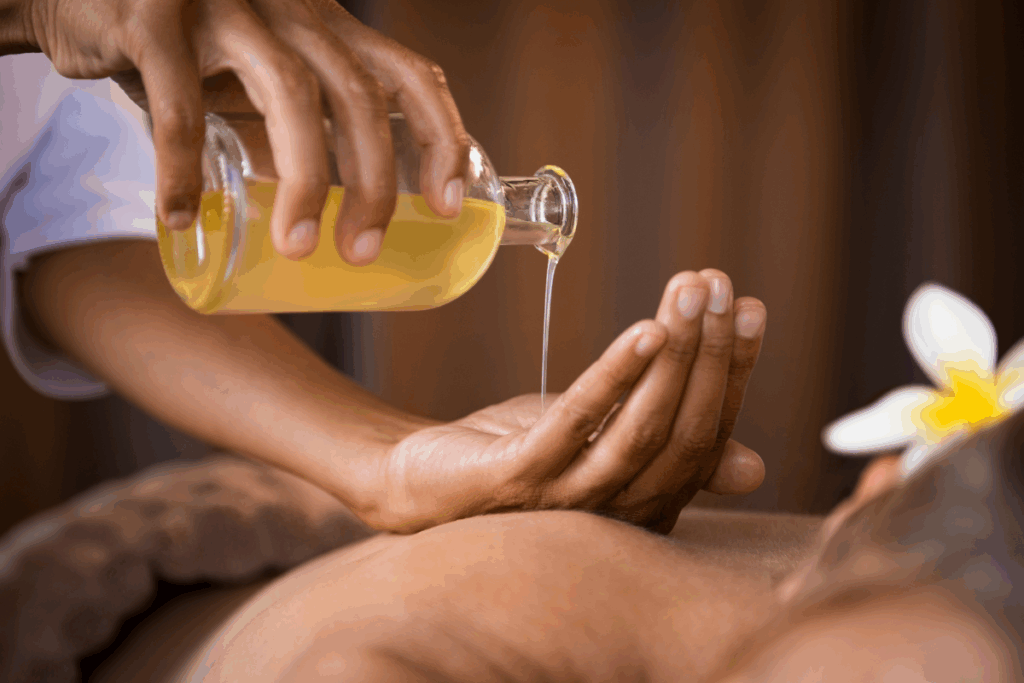
A full body massage can be:
- Light or moderate pressure
- Firm
- Swedish-style
- Therapeutic
- Deep tissue
- Myofascial
- Sports-oriented
- Prenatal
- Medically focused
Tell your therapist what you want from the session instead of relying only on the phrase “full body.”
What Areas Are Usually Included?

Back, Shoulders, and Neck
These are among the most commonly treated areas.
Massage may include gliding strokes, kneading, compression, sustained pressure, stretching, or other soft-tissue techniques.
Tell the therapist about:
- Recent back or neck injury
- Surgery
- Osteoporosis
- Disc problems
- Severe headaches
- Numbness or tingling
- Pain traveling into an arm or leg
- New weakness
Massage should not be used to diagnose unexplained back or neck pain.
Arms and Hands
The therapist may work on the upper arms, forearms, wrists, palms, fingers, and surrounding muscles.
Mention conditions such as arthritis, carpal tunnel syndrome, recent surgery, fractures, numbness, or significant swelling.
Legs and Feet
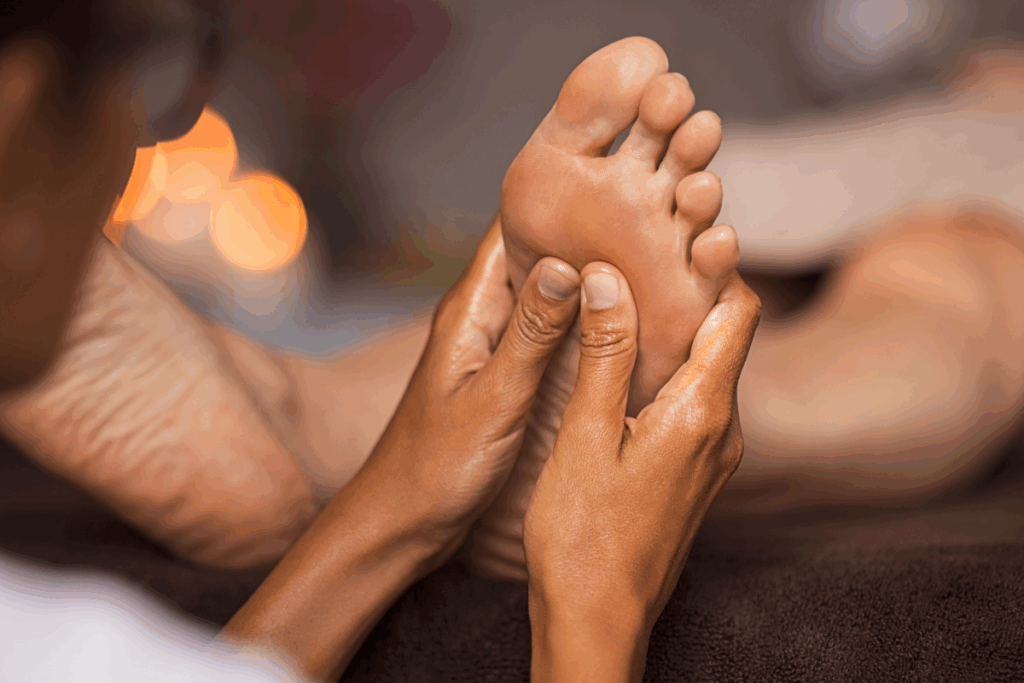
A full body session may include the thighs, hamstrings, quadriceps, calves, ankles, and feet.
Pressure should be modified around:
- Varicose veins
- Bruising
- Recent injuries
- Surgical areas
- Joint replacements
- Reduced sensation
- Swelling
A therapist should not deeply massage a limb with possible blood-clot symptoms such as new one-sided swelling, warmth, redness, or unexplained tenderness.
Which Areas Are Optional?
Scalp and Face
Scalp massage may include gentle pressure around the temples and base of the skull. Facial massage may involve the forehead, cheeks, jaw, and temples.
Tell the therapist about recent cosmetic procedures, dental work, skin irritation, infection, or severe headache.
Hips and Gluteal Muscles
Gluteal and hip work may be useful for lower-back or hip tension, but it is optional.
The therapist may work through the sheet or use carefully secured draping. The area should never be exposed or touched unexpectedly.
Abdomen and Upper Chest
Abdominal massage is not automatically included.
It should be clearly explained and may be inappropriate with pregnancy, recent surgery, hernia, acute pain, infection, or unexplained swelling.
Upper-chest work may occasionally be included for shoulder-related muscles but requires careful communication and draping.
Breast Tissue
Breast tissue is not a routine part of a full body massage.
When therapeutically indicated, New York professional guidance requires explanation and appropriate consent.
What Is Never Included?
A legitimate massage does not include:
- Genital massage
- Sexual touching or sexual services
- Unnecessary exposure
- An area you have declined
- Deliberately painful pressure without consent
- Techniques outside the therapist’s professional scope
You may stop the appointment immediately if you feel unsafe, your boundaries are ignored, draping is inadequate, or an unexpected area is touched.
Full Body Massage vs. Medical Massage
A relaxation-focused full body massage usually treats several regions and emphasizes overall comfort.
A medical massage is more likely to focus on a defined symptom, injury, movement problem, or functional goal.
For example, a person with neck and shoulder pain may receive treatment concentrated on the:
- Neck
- Upper back
- Shoulders
- Arms
- Related chest muscles when appropriate
The therapist may have no clinical reason to spend time on the feet or scalp.
What Happens Before the Massage?
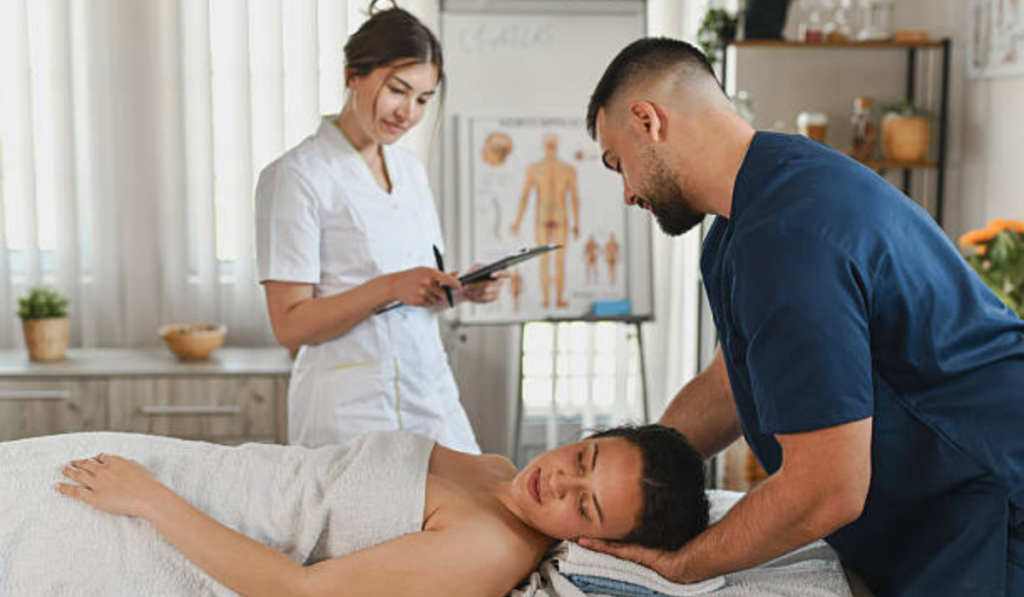
Before treatment, tell the clinic about:
- Areas of pain or tension
- Pressure preference
- Pregnancy
- Recent injuries or surgery
- Important medical conditions
- Allergies
- Positioning limitations
- Whether you are using insurance
You may also complete an intake or consent form covering medications, previous injuries, skin problems, vascular conditions, diabetes, neuropathy, or other relevant concerns.
What Happens During a Full Body Massage?
A typical session may follow this sequence:
- You prepare privately. The therapist leaves while you undress to your comfort level and get under the sheet or blanket.
- You choose a comfortable position. Sessions may begin face down, face up, or side-lying.
- The therapist checks pressure. Tell them if pressure feels painful, sharp, numbing, or uncomfortable.
- Back, shoulders, and neck are treated.
- Legs and feet may be treated individually while the rest of the body remains covered.
- You turn over while remaining draped.
- Front of the legs, arms, and hands may be treated.
- The session may finish with the neck, scalp, face, shoulders, or another priority area.
- The therapist leaves while you dress.
There is no medically required sequence.
Draping, Clothing, and Privacy
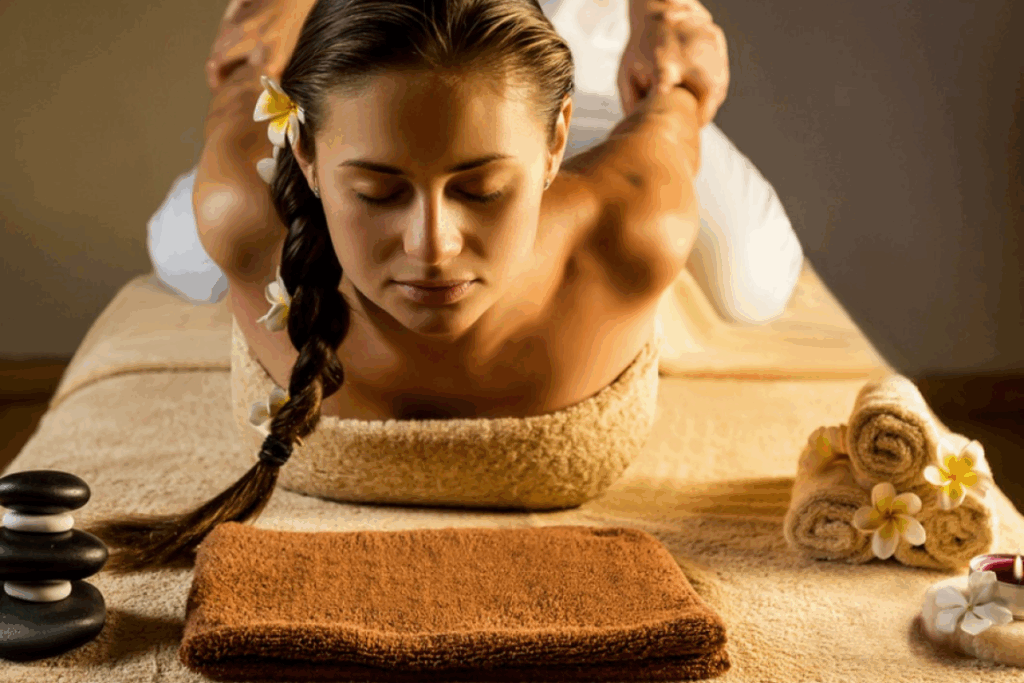
Professional draping uses sheets, towels, or blankets to protect your privacy, warmth, and comfort.
During treatment:
- You begin covered.
- Only the area currently being treated is uncovered.
- Genital areas remain covered.
- Sensitive-area work should be explained first.
- You may request more coverage.
- You may keep underwear or other clothing on.
Consent is ongoing. Agreeing to treatment at the start does not prevent you from changing your mind.
You do not have to get completely undressed.
What Techniques May Be Used?
Swedish Massage
Deep Tissue Massage
Myofascial or Trigger-Point Techniques
Compression and Gentle Stretching
How Long Does a Full Body Massage Take?
30 minutes: Better for one or two focused areas.
60 minutes: Usually enough to address major muscle groups while prioritizing one or two concerns.
75–90 minutes: Allows more time for optional areas, slower transitions, or targeted treatment.
Longer is not always better. Session length should match your health, comfort, and goals.
How Should You Prepare?
Before your appointment:
- Eat normally but avoid an unusually heavy meal immediately beforehand.
- Drink your normal amount of water.
- Wear comfortable clothing.
- Arrive early enough for paperwork.
- Tell the therapist about medications, allergies, pregnancy, injuries, or recent procedures.
- Decide which areas should receive the most attention.
There is no need to overhydrate.
What Happens After Massage?
You may feel:
- Relaxed
- Sleepy
- Warm
- Calm
- Mildly tender after deeper treatment
Drink according to thirst and your usual medical needs. There is no good evidence that large amounts of water are necessary to “flush toxins” after massage.
Seek medical advice for severe pain, major swelling, new weakness, persistent numbness, chest pain, breathing difficulty, significant bruising, infection signs, or possible blood-clot symptoms.
What Benefits Can Massage Provide?
Massage may help some people experience:
- Short-term relaxation
- Temporary reduction in muscle tension
- Short-term relief of some neck, shoulder, or back pain
- Improved comfort
- Greater awareness of tense or sensitive areas
Research quality varies by condition.
Massage has not been established as a treatment that:
- Detoxifies the body
- Cures chronic disease
- Permanently corrects posture
- Strengthens immunity
- Removes body fat
- Treats blood clots
- Releases all “stored trauma”
- Replaces medical care
When Should Massage Be Modified or Postponed?
Treatment may require modification for pregnancy, osteoporosis, arthritis, diabetes, neuropathy, cancer treatment, varicose veins, blood-thinning medication, recent surgery, joint replacement, or mobility limitations.
Postpone massage when you have:
- Fever or contagious illness
- Active skin infection
- Suspected fracture
- Major recent injury
- Unexplained severe pain
- Significant bleeding
- Possible blood-clot symptoms
- Chest pain
- Difficulty breathing
- Another medical emergency
Massage should never be used to delay urgent care.
Choosing a Professional Massage Therapist
Ask:
- Are you licensed in New York?
- What experience do you have with my concern?
- How will draping work?
- Which areas are usually included?
- Can I keep clothing on?
- How do you adjust pressure?
- What symptoms would make you stop treatment?
- What products do you use?
- Can I end the session at any time?
- Does insurance apply?
Full Body and Medical Massage at Circle Wellness
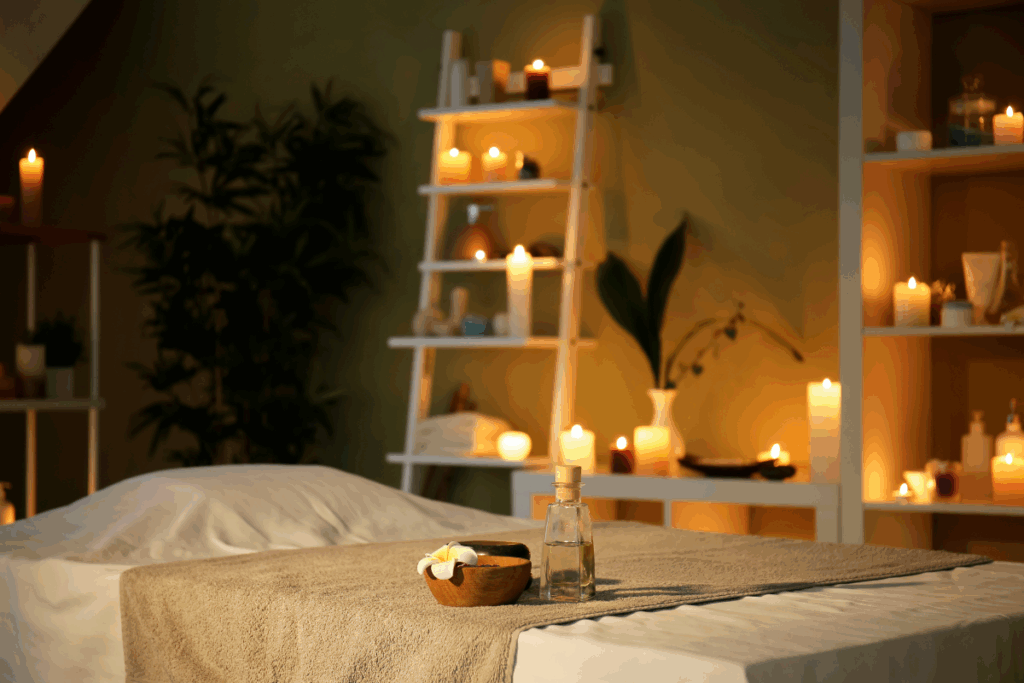
Circle Wellness offers massage services through licensed therapists in Melville, New York.
Treatment may include manual therapy, deep tissue massage, trigger-point work, myofascial techniques, prenatal massage, neuromuscular techniques, lymphatic drainage, and other individualized approaches.
The exact treatment should depend on your goals, health history, therapist assessment, and consent.
Think of this as an invitation to pause. A massage isn’t something you have to prepare for perfectly—it’s something you allow yourself to receive.
FAQs
What parts are included in a full body massage?
Usually the back, shoulders, neck, arms, hands, legs, and feet. Other areas are optional.
Does it include private areas?
No. Genital massage is not part of legitimate professional massage.
Are the glutes included?
They may be, but only with appropriate communication, draping, and consent.
Do I have to remove my underwear?
No. Undress only to your comfort level.
Is deep tissue included?
Possibly. “Full body” describes coverage; “deep tissue” describes a technique or pressure style.
How long should a session be?
Sixty minutes commonly covers the major areas. A 75- or 90-minute session allows more time for priorities.
Should massage hurt?
No. Some targeted work may feel tender, but severe, sharp, burning, or electrical pain should be reported immediately.
Does massage detox the body?
There is no good evidence that ordinary massage removes undefined toxins.
Is massage covered by insurance?
Relaxation massage is generally self-pay. Medically necessary massage may qualify under certain plans.
Medical Disclaimer
This article provides general educational information. It does not diagnose a health condition or determine whether massage therapy is appropriate for you.
Massage may need to be modified or postponed because of illness, injury, surgery, pregnancy, medication, blood-clot risk, skin conditions, or another health concern.
Do not use massage to delay evaluation of:
- Chest pain
- Difficulty breathing
- One-sided limb swelling
- Sudden weakness
- Severe headache
- New neurological symptoms
- Fever
- Severe unexplained pain
- Significant injury
- Another potentially urgent condition
Discuss individual risks with an appropriate licensed healthcare professional.