Jaw Pain Isn’t Always Dental
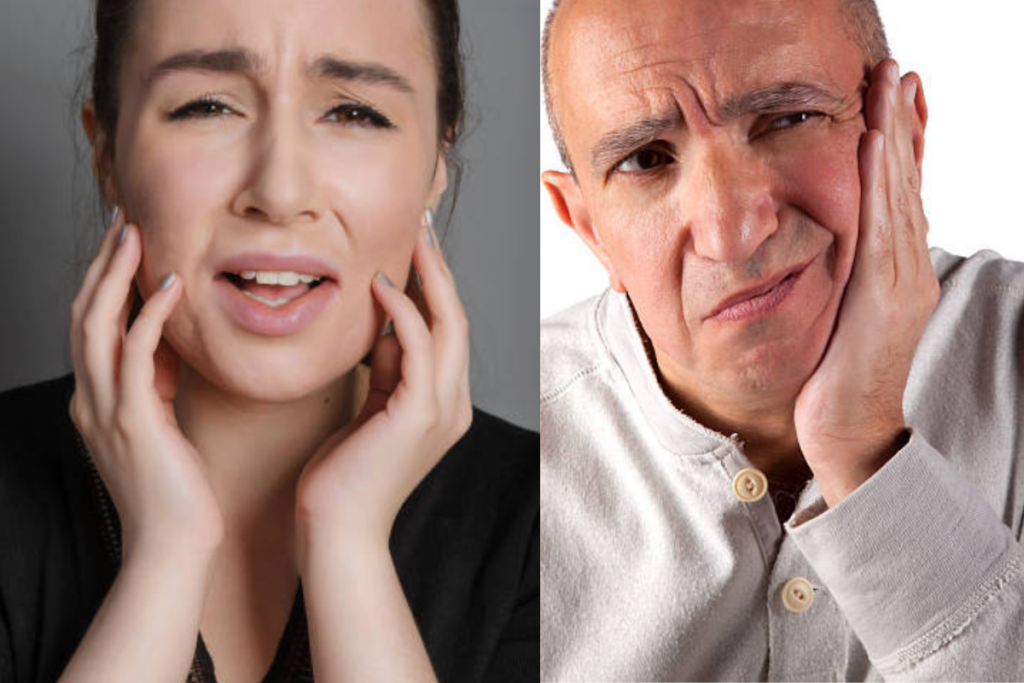
You may notice:
- Jaw tightness when waking up
- Clicking or popping while chewing
- Facial tension and headaches
- Pain near the ears or temples
- Difficulty fully opening the mouth
For many people, TMJ discomfort develops gradually—and often worsens with stress, tension, posture changes, or chronic clenching patterns.
At Circle Wellness, patients often seek integrative care because jaw pain is frequently connected to broader tension patterns throughout the body, including the neck, shoulders, upper back, and nervous system.
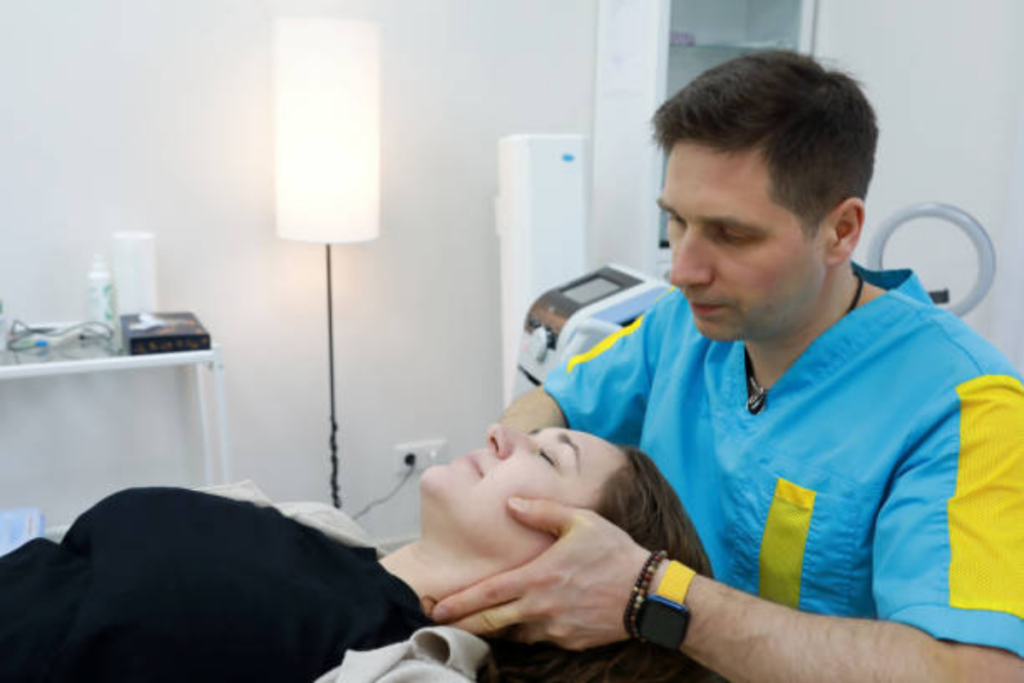
One supportive approach used in osteopathic medicine is OMT (Osteopathic Manipulative Treatment).
What Is TMJ Disorder?

TMJ stands for the temporomandibular joint, the hinge connecting the jaw to the skull.
- TMJ dysfunction can involve:
- Joint irritation
- Muscle tightness
- Restricted jaw movement
- Stress-related clenching or grinding
- Postural imbalance affecting jaw mechanics
- Common symptoms include:
- Jaw pain or tightness
- Clicking or popping sounds
- Facial soreness
- Tension headaches
- Neck and shoulder tightness
- Difficulty chewing comfortably
- Jaw fatigue or stiffness
TMJ symptoms can range from mild tension to chronic discomfort affecting daily function, sleep quality, and overall comfort.
Why TMJ Problems Often Become Chronic
The jaw is closely connected to:
- Neck muscles
- Posture
- Breathing mechanics
- Nervous system stress responses
- Muscles throughout the head, face, and upper body
When stress or muscular tension remains unresolved:
- The jaw may stay chronically tight
- Clenching and grinding may increase
- Nearby muscles begin compensating
- Nervous system stress responses remain elevated
This can create an ongoing cycle of:
- Pain
- Tightness
- Inflammation
- Restricted movement
- Chronic tension patterns
Because the body’s systems are interconnected, TMJ dysfunction is often influenced by more than the jaw alone.
What Is OMT (Osteopathic Manipulative Treatment)?
OMT is a hands-on treatment performed by licensed osteopathic physicians (DOs).
It focuses on improving how the body’s systems function together, including:
- Muscles
- Joints
- Fascia (connective tissue)
- Nervous system regulation
- Postural and movement mechanics
Common OMT techniques may include:
- Myofascial release
- Gentle soft tissue treatment
- Cranial osteopathic techniques
- Neck and upper back mobilization
- Muscle energy techniques
The goal is to reduce restriction, improve mobility, and support whole-body balance and recovery.
How OMT May Help TMJ Pain & Jaw Tightness

Helps Release Jaw Muscle Tension
OMT may help reduce muscular tension and improve comfort.
Supports Better Neck & Postural Alignment
Improving posture and mobility may help reduce mechanical stress on the jaw.
Helps Calm Stress-Related Tension
Gentle osteopathic techniques may help support nervous system relaxation and reduce chronic tension responses.
Improves Jaw Mobility
OMT may help improve overall movement patterns and mobility.
Addresses Whole-Body Compensation Patterns
OMT focuses on restoring balance across interconnected systems rather than treating the jaw in isolation.
In clinical practice, OMT is often used for patients whose TMJ symptoms are closely linked to stress-related muscle tension, posture changes, neck restriction, and chronic clenching patterns.
The Science Behind OMT & TMJ Support
Research suggests osteopathic manipulative techniques may help improve:
- Muscle tension
- Jaw mobility
- Musculoskeletal discomfort
- Functional movement patterns
Manual therapies are commonly used as part of a multidisciplinary approach to TMJ-related symptoms.
According to the National Institute of Dental and Craniofacial Research (NIDCR), temporomandibular disorders may involve both joint dysfunction and muscular tension affecting the jaw and surrounding structures.
The American Dental Association (ADA) also notes that TMJ symptoms can involve multiple contributing factors including stress, clenching, posture, and musculoskeletal dysfunct
Important:
TMJ pain can have multiple causes, including dental issues, arthritis, injury, nerve irritation, or structural dysfunction. A proper medical and dental evaluation is important before beginning treatment.
What to Expect During an OMT Session

At Circle Wellness, treatment begins with a personalized assessment.
Your session may include:
1. Medical Consultation
- Discussion of jaw symptoms
- Stress patterns
- Clenching habits
- Posture and movement concerns
2. Physical Evaluation
- Assessment of jaw mobility
- Neck tension
- Postural imbalance
- Muscular restriction
3. Hands-On Treatment
- Gentle manual techniques focused on reducing restriction and restoring balance throughout connected areas of the body
What it feels like:
- Gentle pressure and stretching
- Relaxing and non-invasive
- Focused on comfort rather than forceful manipulation
Many patients report:
- Reduced jaw tightness
- Less facial tension
- Improved relaxation after treatment
Who May Benefit from OMT for TMJ?
OMT may be helpful for:
- Jaw tightness or stiffness
- Stress-related clenching or grinding
- TMJ-related neck tension
- Tension headaches associated with jaw dysfunction
- Mild to moderate TMJ discomfort
- Postural strain contributing to jaw tension
It may also complement:
- Dental care
- Bite guards/night guards
- Stress management strategies
- Physical therapy and rehabilitation
Who May Not Be Ideal Candidates for OMT
OMT may not be appropriate for individuals with:
- Acute jaw fractures or trauma
- Active dental infections
- Severe structural TMJ instability
- Medical conditions requiring immediate surgical or dental intervention
A physician or dental evaluation is important to determine whether osteopathic treatment is appropriate.
Safety & Medical Considerations

OMT is generally considered safe when performed by a licensed osteopathic physician.
However:
- Severe jaw locking or trauma requires immediate medical evaluation
- Dental infections or structural abnormalities should be properly assessed
- Persistent or worsening symptoms may require imaging or specialist care
- OMT is not a replacement for dental or emergency treatment
A comprehensive evaluation helps ensure safe and appropriate care.
Why Choose a Medical Wellness Clinic?
TMJ dysfunction often involves more than just the jaw itself.
At Circle Wellness, care is:
- Physician-guided
- Personalized to your physical and stress-related patterns
- Focused on whole-body wellness and movement balance
- Integrated with long-term wellness strategies
This approach helps address:
- Muscular tension
- Nervous system stress
- Postural dysfunction
- Recovery support
- Whole-body function rather than symptom masking alone
Ready to Relieve Jaw Tension Naturally?

If jaw tightness, facial tension, or TMJ discomfort are affecting your comfort or daily life, addressing the underlying tension patterns may help support long-term relief.
At Circle Wellness, OMT is used as part of a personalized wellness approach to:
- Reduce muscular tension
- Improve jaw mobility
- Support overall relaxation and balance
- Promote long-term movement and recovery support
Book a personalized consultation today to learn whether osteopathic treatment may help support your TMJ recovery goals.
Because jaw pain is rarely isolated—and lasting relief often starts with treating the body as a whole.
FAQs
Can OMT help TMJ pain?
OMT may help reduce jaw tension, improve mobility, and support relaxation in patients with TMJ-related discomfort.
What causes jaw tightness?
Jaw tightness may be related to stress, clenching, grinding, muscular tension, posture, or TMJ dysfunction.
Is OMT safe for TMJ?
When performed by a licensed osteopathic physician, OMT is generally considered safe and non-invasive.
Can stress worsen TMJ symptoms?
Yes. Stress commonly contributes to jaw clenching, grinding, and increased muscular tension.
Does OMT replace dental treatment?
No. OMT may complement dental care and other TMJ treatments as part of a comprehensive care plan.
How many OMT sessions are needed?
Treatment frequency depends on symptom severity, tension patterns, and individual response.
Conclusion

TMJ pain and jaw tightness often involve more than the jaw itself—they can reflect broader patterns of stress, posture, muscular imbalance, and nervous system tension throughout the body.
OMT offers a physician-guided, non-invasive approach focused on reducing tension, improving mobility, and supporting whole-body balance naturally.
And for many patients, helping the body release chronic tension is an important step toward lasting jaw relief.