Hip Pain Can Affect Every Step You Take
Hip pain doesn’t just affect movement—it can interfere with daily life.
Simple activities become uncomfortable:
- Walking
- Standing for long periods
- Climbing stairs
- Sleeping comfortably
For some people, the pain develops gradually. For others, it appears after injury, overuse, or chronic strain.
And while medication may temporarily reduce discomfort, it often doesn’t address the underlying cause of the problem.
At Circle Wellness, many patients seek a more comprehensive approach focused on restoring movement and supporting long-term healing. One option commonly used in integrative musculoskeletal care is OMT (Osteopathic Manipulative Treatment).
What Causes Hip Pain?

The hip is a major weight-bearing joint that relies on coordinated movement between:
- Muscles
- Joints
- Pelvis
- Lower back
When one area becomes restricted or imbalanced, hip pain can develop.
- Common causes include:
- Muscle tightness or imbalance
- Joint dysfunction
- Arthritis-related stiffness
- Sports or overuse injuries
- Lower back or pelvic misalignment
- Repetitive movement strain
- Because the hip is closely connected to the spine and pelvis, pain may not always originate directly in the joint itself.
Why Hip Pain Often Becomes Chronic
Without proper treatment, the body begins compensating for pain.
This can lead to:
- Altered walking patterns
- Increased strain on surrounding muscles
- Reduced mobility
- Ongoing inflammation
Over time, even mild discomfort can progress into chronic stiffness and limited movement.
This is why addressing the underlying dysfunction—not just masking pain—is important.
What Is OMT (Osteopathic Manipulative Treatment)?

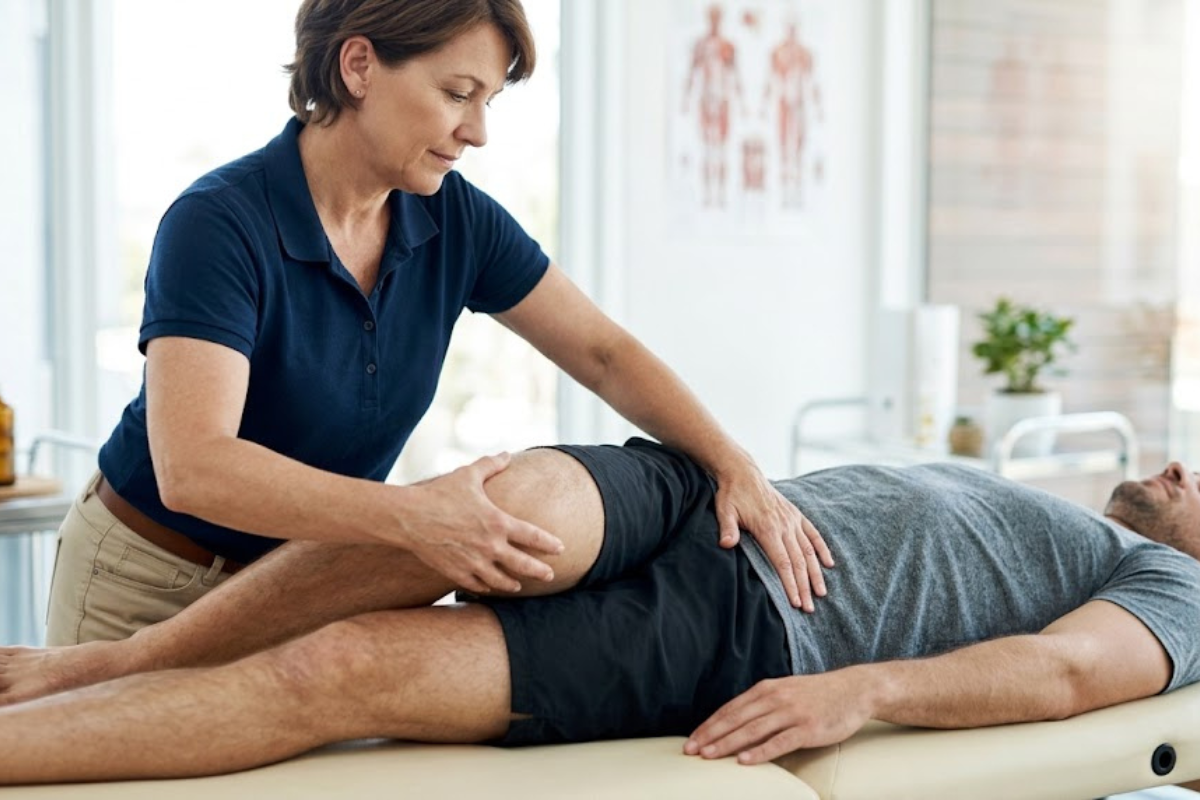
OMT is a hands-on treatment performed by licensed osteopathic physicians (DOs).
It focuses on improving how the body’s structure and function work together.
- OMT targets
- Muscles
- Joints
- Fascia (connective tissue)
- Nervous system function
- Common techniques include
- Myofascial release
- Soft tissue stretching
- Joint mobilization
- Muscle energy techniques
The goal is to reduce restriction, restore mobility, and support the body’s natural healing process.
How OMT May Help Hip Pain
Relieves Muscle Tension
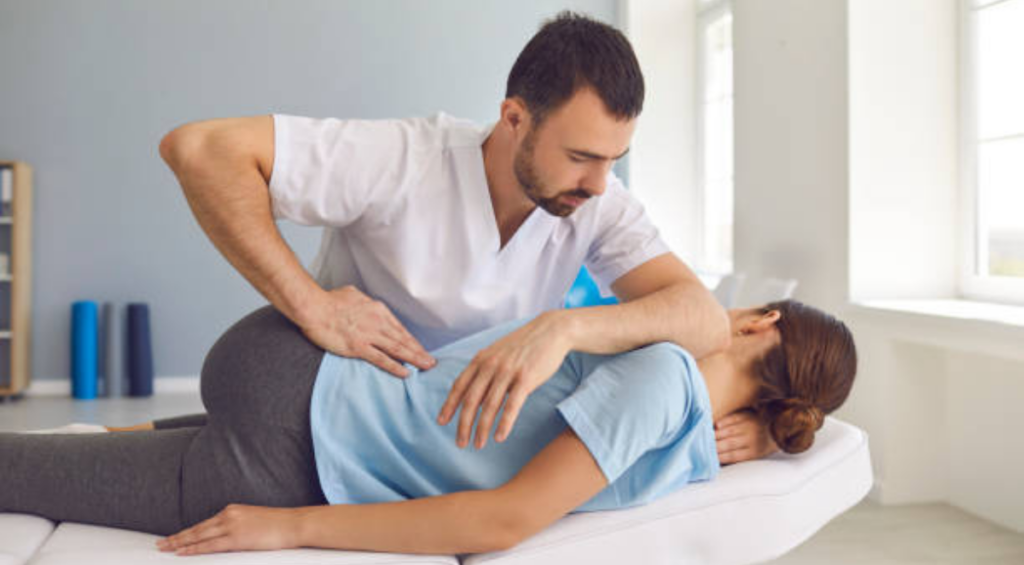
Tight hip flexors, glutes, or lower back muscles can contribute to pain and restricted movement.
OMT helps reduce muscular tension.
Improves Joint Mobility
Restricted movement in the hip or pelvis can increase stress on surrounding tissues.
Gentle manipulation may help restore normal mechanics.
Supports Better Alignment
Pelvic and spinal imbalance can place extra pressure on the hip joint.
OMT addresses these structural relationships.
Enhances Circulation
Improved blood flow may support tissue healing and reduce inflammation.
Helps Reduce Compensation Patterns
Hip pain often changes how the body moves.
OMT helps rebalance these movement patterns to reduce ongoing strain.
In clinical practice, OMT is often used for patients experiencing chronic stiffness, posture-related imbalance, or mobility restrictions that have not fully improved with rest, stretching, or medication alone.
The Science Behind OMT for Musculoskeletal Pain
OMT is widely used in osteopathic medicine to help manage musculoskeletal pain and mobility limitations.
Research suggests OMT may help:
- Reduce pain levels
- Improve physical function
- Enhance mobility in certain musculoskeletal conditions
Important:
Results vary depending on the underlying condition, and OMT should be performed by a licensed osteopathic physician as part of an individualized care plan.
How Acupuncture May Support Emotional Wellness
At Circle Wellness, treatment begins with a detailed evaluation.
Your session may include:
- Medical Consultation
- Review of symptoms, movement limitations, and history
- Physical Assessment
- Evaluation of posture, mobility, and muscular tension
- Hands-On Treatment
- Gentle manual techniques focused on affected areas
What it feels like:
- Mild stretching and pressure
- Relaxing and non-invasive
- Typically no downtime afterward
Most patients can return to regular activities shortly after treatment.
Who May Benefit from OMT for Hip Pain?

OMT may be appropriate for:
- Chronic hip tension or stiffness
- Sports-related hip strain
- Hip pain associated with lower back dysfunction
- Postural imbalance
- Mild to moderate mobility limitations
It may also complement:
- Physical therapy
- Rehabilitation programs
- Conventional orthopedic care
Safety & Medical Considerations
OMT is generally considered safe when performed by a licensed osteopathic physician.
However:
- Severe arthritis or structural joint damage may require additional medical evaluation
- Sudden injury, inability to bear weight, or severe pain should be assessed immediately
- Not all causes of hip pain are appropriate for manual treatment
A proper diagnosis is essential before beginning care.
Why Choose a Medical Wellness Clinic?
Hip pain is often influenced by multiple systems—not just the joint itself.
At Circle Wellness, treatment is:
- Physician-guided
- Personalized to your movement patterns and condition
- Integrated with whole-body wellness strategies
This approach focuses on:
- Long-term mobility
- Functional recovery
- Root-cause treatment rather than temporary symptom relief
Ready to Move More Comfortably Again?

If hip pain is limiting your movement or affecting your quality of life, addressing the underlying dysfunction may help improve recovery and mobility.
At Circle Wellness, OMT is used as part of a personalized approach to:
- Reduce pain
- Improve movement
- Support long-term musculoskeletal health
Book your personalized consultation today to receive a physician-guided assessment and customized treatment plan tailored to your mobility, pain level, and long-term recovery goals.
Because better movement often starts with restoring balance throughout the body.
FAQs

Does OMT help hip pain?
OMT may help reduce hip pain by improving mobility, reducing muscular tension, and supporting joint function.
Is OMT safe for hip problems?
When performed by a licensed osteopathic physician, OMT is generally considered safe for many musculoskeletal conditions.
Can OMT improve hip mobility?
Yes, OMT may help restore movement and flexibility by addressing joint and soft tissue restrictions.
What causes chronic hip pain?
Common causes include muscle imbalance, joint dysfunction, overuse injuries, arthritis, and postural strain.
How many OMT sessions are needed?
Treatment frequency varies depending on the severity and cause of the condition and individual response.
Does OMT replace physical therapy?
No. OMT may complement physical therapy and other medical treatments as part of a comprehensive recovery plan.
Conclusion
Hip pain can gradually affect movement, posture, and overall quality of life.
OMT offers a non-invasive, physician-guided approach focused on improving mobility, reducing tension, and supporting the body’s natural recovery process.
For many patients, restoring proper movement patterns is an important step toward long-term relief.