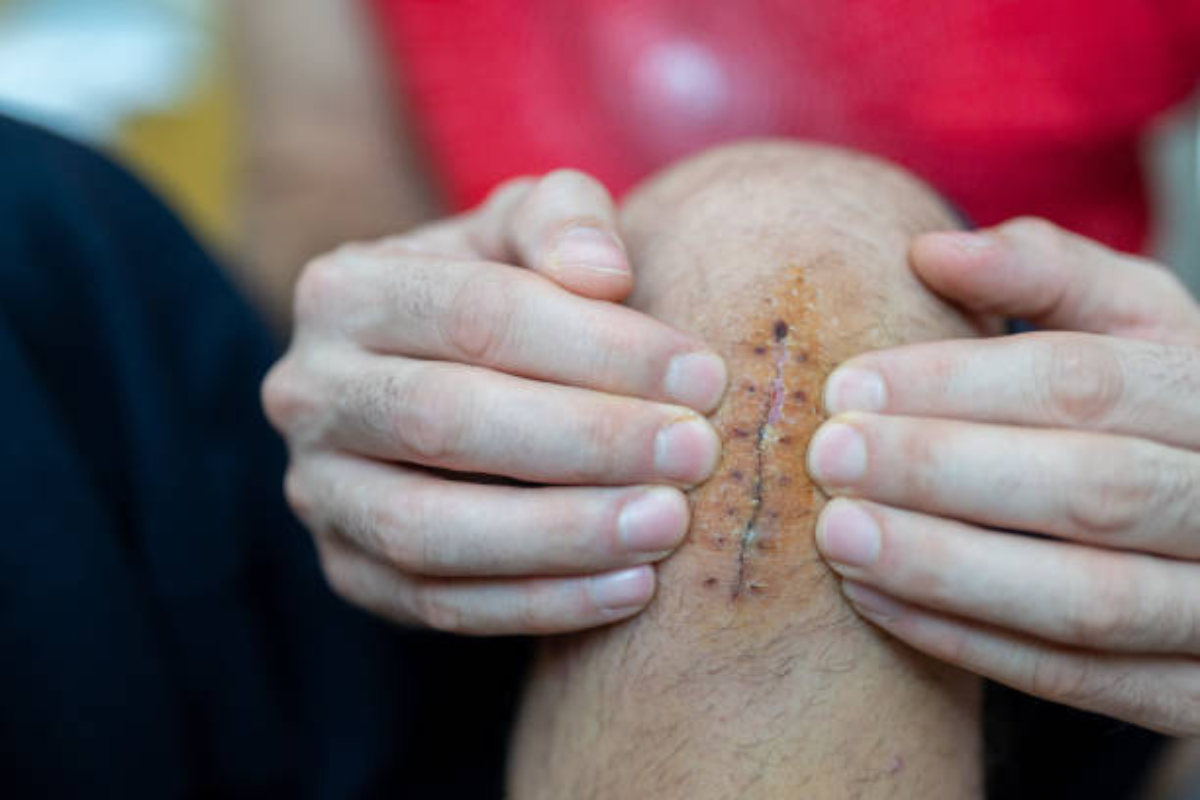
Medical Massage for Scar Tissue Recovery & Mobility
Scars are often viewed as surface-level changes.
But for many people, scar tissue affects far more than appearance alone.
Long after an injury, surgery, or physical trauma has healed externally, some individuals continue experiencing:
- tightness
- stiffness
- restricted movement
- pulling sensations
- discomfort during daily activity
Sometimes the issue is not the original injury anymore—it’s how the tissue healed afterward.
At Circle Wellness, patients often seek supportive therapies for lingering tension and mobility limitations related to scar tissue formation.
One integrative approach commonly used in recovery-focused wellness care is medical massage for scar tissue management.
While scar tissue cannot simply be “erased,” targeted manual therapy may help support:
- tissue mobility
- flexibility
- circulation
- comfort
- movement recovery
through a physician-guided, whole-body approach.
What Is Scar Tissue?
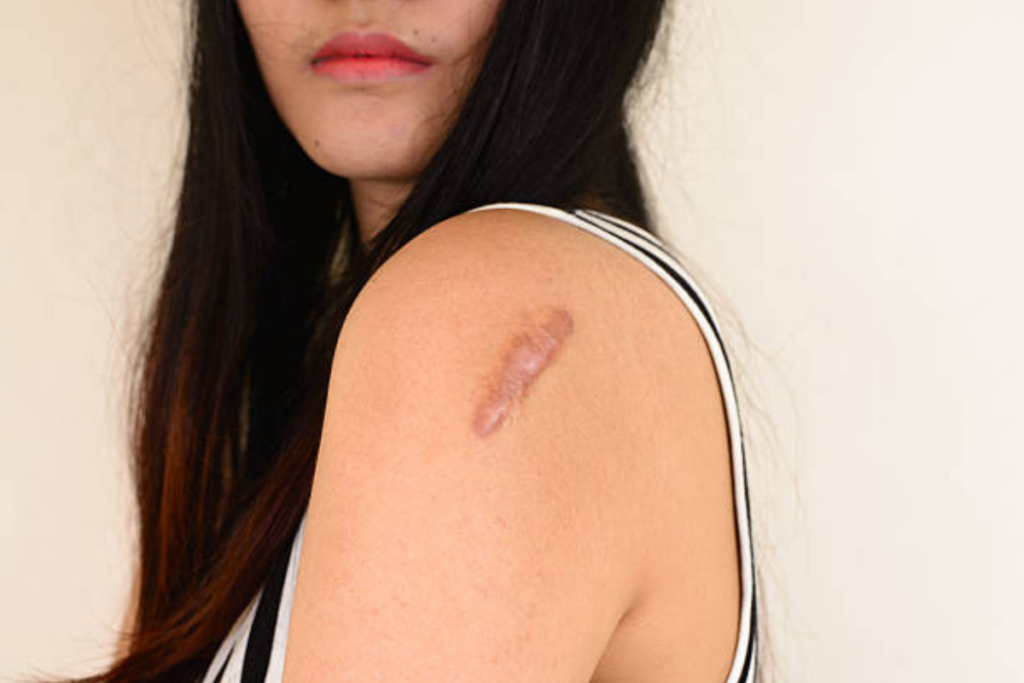
Scar tissue is the body’s natural healing response after:
- surgery
- injury
- inflammation
- burns
- repetitive tissue strain
When the body repairs damaged tissue, it produces collagen fibers to close and strengthen the affected area.
However, scar tissue often forms differently from healthy surrounding tissue.
Compared to normal tissue, scar tissue may become:
- denser
- tighter
- less elastic
- less mobile
In some individuals, this can create:
- movement restriction
- stiffness
- discomfort
- tension patterns throughout nearby muscles and fascia
Scar tissue may affect:
- muscles
- skin
- fascia (connective tissue)
- tendons
- surgical areas
Why Scar Tissue Can Affect Movement & Comfort
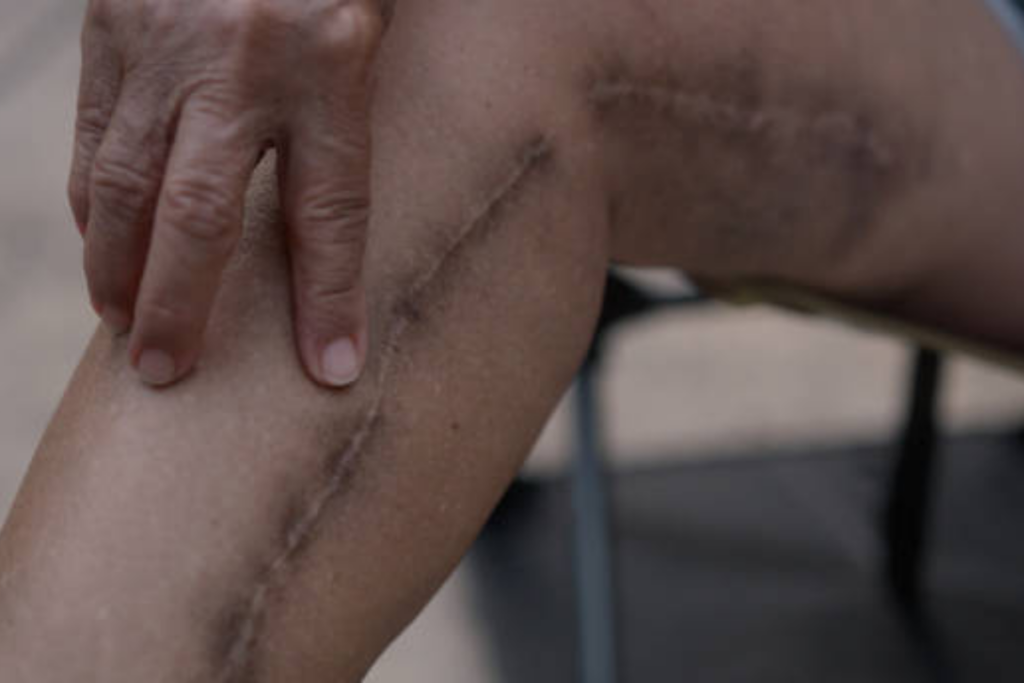
The body functions as an interconnected system.
When scar tissue becomes restricted, nearby structures may begin compensating.
For example:
- abdominal surgical scars may affect posture and core mobility
- knee scar tissue may influence walking mechanics
- shoulder restrictions may alter neck and upper back movement
Over time, compensation patterns may contribute to:
- chronic tightness
- reduced flexibility
- muscular fatigue
- movement discomfort
Some individuals describe scar tissue restriction as:
- pulling
- tugging
- stiffness
- “stuck” tissue sensation
These symptoms may become more noticeable during:
- exercise
- stretching
- prolonged sitting
- repetitive movement
What Is Medical Massage Therapy?
Medical massage is a clinically informed form of massage therapy focused on:
- recovery support
- tissue mobility
- muscular function
- movement restoration
Unlike spa-oriented massage, medical massage is more targeted and goal-driven.
At Circle Wellness, treatment is approached through a physician-guided wellness philosophy that considers:
- movement patterns
- tissue restriction
- nervous system stress
- recovery needs
- whole-body biomechanics
Treatment plans are customized based on:
- scar location
- healing stage
- tissue sensitivity
- mobility limitations
- overall recovery goals
How Medical Massage Supports Scar Tissue Recovery
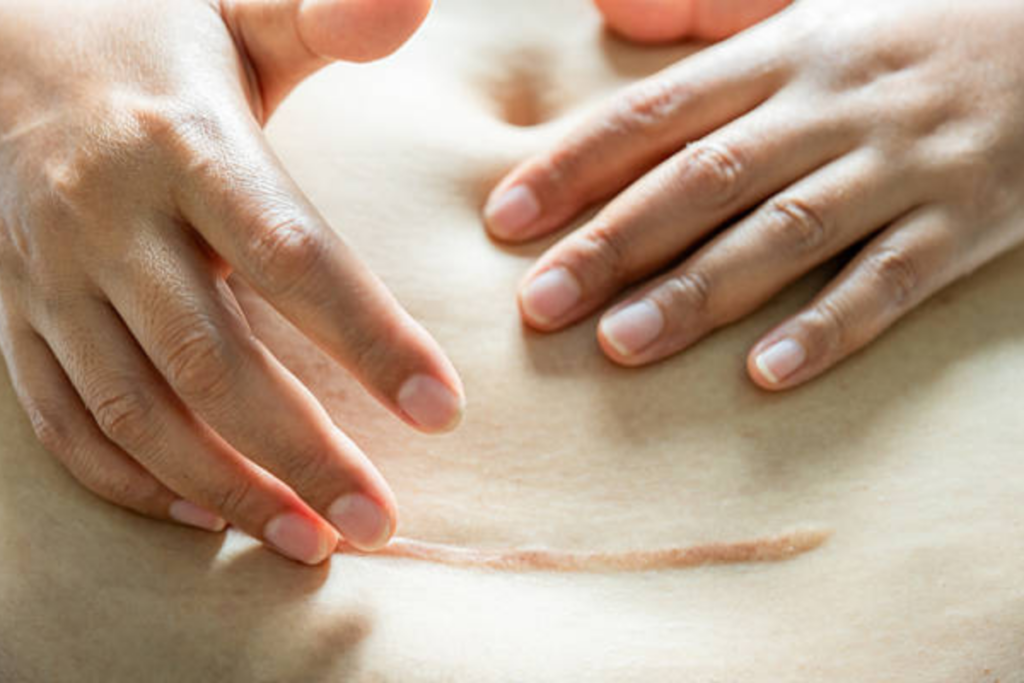
Tissue Mobility & Flexibility Support
Scar tissue may become less flexible than surrounding tissue.
Targeted massage techniques may help encourage:
- improved tissue glide
- flexibility
- mobility within surrounding structures
This may help reduce feelings of tightness or restriction.
Circulation & Recovery Support
Healthy circulation is important for tissue recovery.
Medical massage may help encourage:
- localized blood flow
- tissue nourishment
- muscular relaxation
Improved circulation may support overall tissue health and comfort.
Fascial Release & Movement Restoration
Fascia is connective tissue that surrounds muscles and structures throughout the body.
Scar tissue restrictions may influence nearby fascial movement patterns.
Certain manual therapy techniques may help support:
- fascial mobility
- movement efficiency
- muscular balance
Tension Reduction Around Surgical Areas
The body often develops protective tension patterns around areas of previous trauma or surgery.Medical massage may help reduce surrounding muscular tightness and guarding.
Some individuals report feeling:
- lighter
- less restricted
- more mobile after treatment
Support for Long-Term Mobility
When tissue mobility improves, overall movement patterns may become more efficient.
This may support:
- flexibility
- posture
- recovery
- physical comfort during daily activity
Who May Benefit From Scar Tissue Massage?
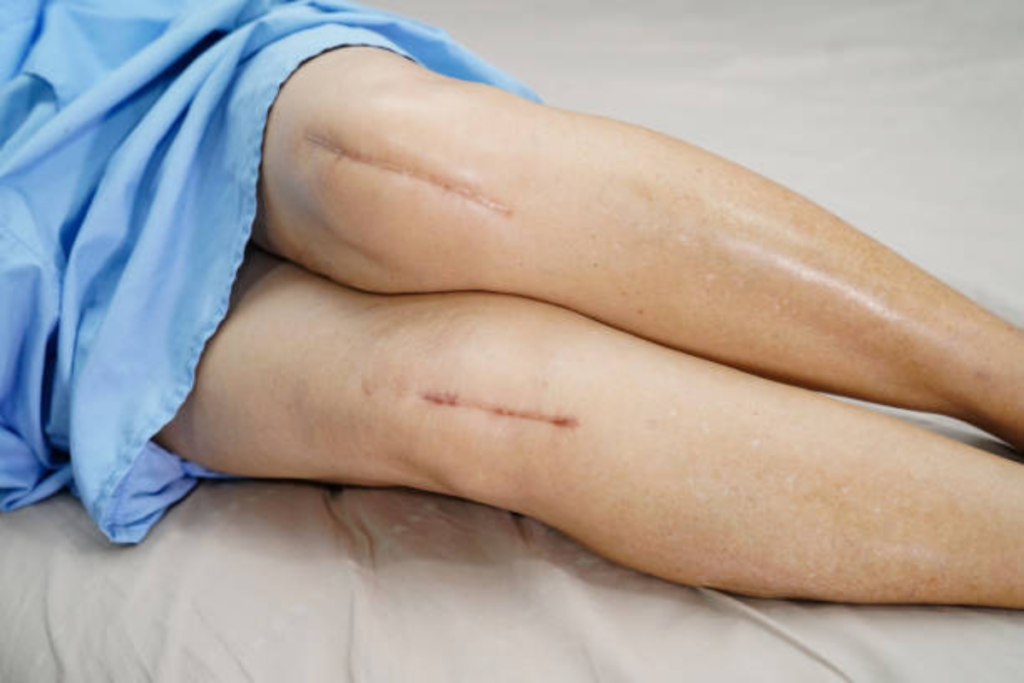
Muscle Relaxation & Blood Flow:
Tight muscles can place pressure on surrounding tissues and affect movement efficiency.
Medical massage may help:
- release muscular tension
- improve tissue mobility
- encourage healthy blood flow
Improved muscular relaxation may also support physical comfort and recovery.
Lymphatic Support
The lymphatic system helps regulate fluid movement throughout the body.
Certain massage techniques may help encourage lymphatic drainage and fluid movement, which some individuals find beneficial for:
- mild swelling
- feelings of heaviness
- postural fluid retention
Stress Reduction & Nervous System Regulation
Chronic stress can contribute to muscular tightness and nervous system overload.
Medical massage is often associated with:
- relaxation
- reduced stress perception
- improved physical calmness
When the nervous system shifts into a more relaxed state, the body may function more efficiently overall.
Mobility & Recovery Support
Restricted mobility can affect circulation and muscular recovery.
Massage therapy may help:
- improve flexibility
- reduce stiffness
- support physical recovery after prolonged inactivity or strain
Swelling & Physical Tension Relief
Some individuals experiencing mild swelling or tension related to inactivity report feeling lighter and more comfortable after treatment.
However, sudden swelling, severe pain, or unexplained edema should always be medically evaluated before receiving massage therapy.
Who May Benefit From Medical Massage for Circulation Support?
- Medical massage for scar tissue management may be supportive for individuals recovering from:
- surgical procedures
- orthopedic injuries
- C-sections
- sports injuries
- muscle tears
- postural compensation patterns
- soft tissue trauma
- Some individuals seek treatment for:
- old scar tightness
- restricted movement
- discomfort during exercise
- tension near healed surgical sites
- However, not all scars require treatment, and outcomes vary depending on:
- scar age
- tissue depth
- healing quality
- individual health factors
Important Safety Considerations

Scar tissue massage should only be performed after proper healing has occurred.
Massage may NOT be appropriate for:
- open wounds
- active infections
- unhealed surgical incisions
- inflamed tissue
- certain medical conditions
Aggressive manipulation too early during healing may interfere with tissue recovery.
For this reason:
- treatment timing matters
- medical clearance may sometimes be needed
- therapy should be performed by licensed professionals familiar with post-injury and post-surgical care
At Circle Wellness, patient safety and individualized treatment planning remain central to care.
How Stress & the Nervous System Influence Tissue Recovery
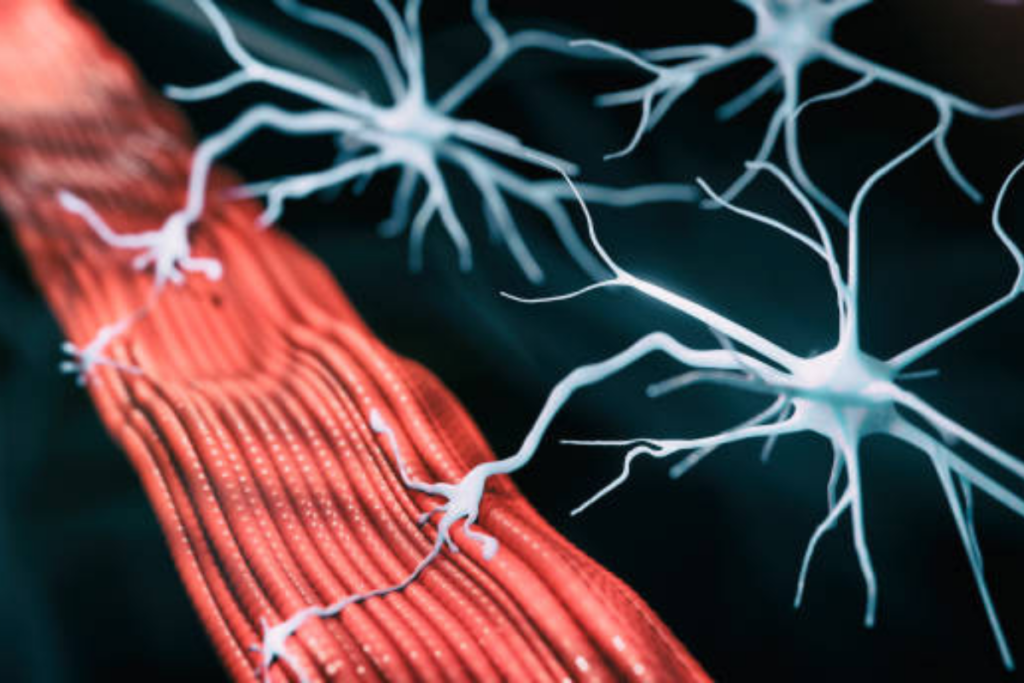
Physical healing is not only structural—it also involves the nervous system.
After injury or surgery, many individuals unconsciously develop:
- protective movement patterns
- muscular guarding
- tension around vulnerable areas
Stress itself may increase muscular tightness and physical discomfort.
This is one reason whole-body recovery approaches matter.
By supporting both tissue mobility and nervous system relaxation, medical massage may help encourage a more comfortable recovery experience.
Why Circle Wellness Takes a Whole-Body Recovery Approach
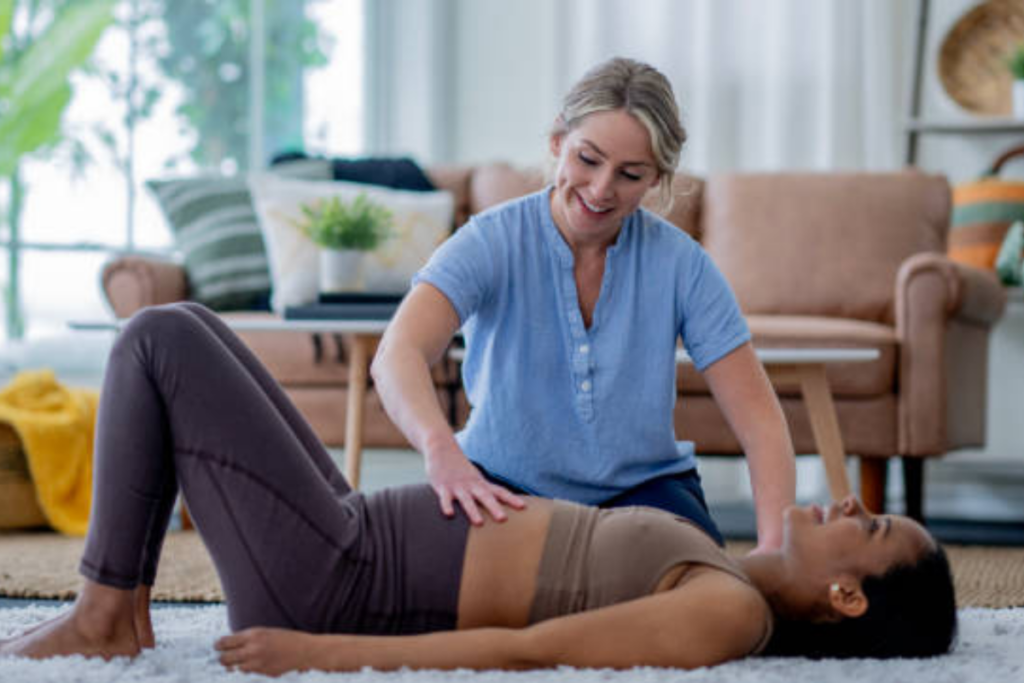
At Circle Wellness, scar tissue management is approached as part of a broader recovery philosophy focused on:
- movement quality
- tissue health
- nervous system support
- personalized healing strategies
Rather than treating only the scar itself, care considers:
- posture
- mobility compensation patterns
- muscular tension
- recovery goals
- whole-body function
This physician-guided approach helps ensure treatment remains:
- clinically informed
- personalized
- recovery-oriented
- medically responsible
Recovery Doesn’t End When the Scar Heals
Many people assume healing is complete once the skin closes.
But sometimes the body continues holding tension long after the visible injury is gone.
If scar tissue tightness, restriction, or mobility changes have been affecting your comfort or movement, understanding how tissue healing impacts the body may be an important step toward recovery.
At Circle Wellness, medical massage is used as part of a personalized wellness approach focused on:
- mobility support
- tissue flexibility
- muscular recovery
- whole-body healing
Because recovery is not just about healing tissue.
It’s about helping the body move comfortably again.
FAQs
Can massage help scar tissue?
Medical massage may help support tissue mobility, flexibility, and comfort around healed scar tissue areas. Results vary depending on the scar and individual healing response.
When can scar tissue massage begin?
Massage should only begin after adequate healing has occurred. Timing depends on the procedure, injury, and medical guidance.
Does scar tissue massage remove scars?
No. Massage does not erase scars, but it may help improve tissue mobility and reduce feelings of restriction or tightness.
Can old scars still cause tightness?
Yes. Some individuals experience mobility restrictions or muscular tension related to older scar tissue patterns.
Is scar tissue massage painful?
Treatment should remain controlled and appropriate for tissue sensitivity. Some areas may feel tender, but aggressive pain is not typically the goal.
Can scar tissue affect movement?
Yes. Scar tissue restrictions may influence surrounding muscles, fascia, posture, and movement patterns.
Is medical massage different from regular massage?
Yes. Medical massage is more targeted and clinically focused on recovery, tissue function, and movement support.