What Type of Facial Is Best for Sensitive Skin?
Sensitive skin often requires a different approach than other skin types.
While some facial treatments focus on intensive exfoliation or deep cleansing, individuals with sensitive skin typically benefit from treatments that prioritize hydration, barrier support, and gentle skincare techniques.
Choosing the wrong facial may temporarily increase redness, irritation, or discomfort, making professional guidance especially important.
At Circle Wellness in Melville, NY, facial treatments are customized following an individualized skin assessment to help ensure the treatment aligns with each person’s skin type, sensitivity level, and skincare goals.
Quick Answer: What Facial Is Best for Sensitive Skin?
There isn’t a single facial that’s best for everyone with sensitive skin.
The most appropriate treatment depends on factors such as:
- The cause of skin sensitivity
- Skin barrier health
- Hydration levels
- Underlying skin conditions
- Current skincare routine
- Individual treatment goals
In many cases, gentle, hydration-focused, barrier-supportive facial treatments may be better tolerated than aggressive exfoliating procedures.
Professional recommendations should always be based on an individualized skin evaluation.
What Is Sensitive Skin?
Sensitive skin is not a medical diagnosis but rather a term commonly used to describe skin that reacts more easily to environmental factors, skincare products, or cosmetic procedures.
People with sensitive skin may experience:
- Redness
- Burning sensations
- Stinging
- Dryness
- Tightness
- Itching
- Increased irritation
Sensitivity may be temporary or long-term and can occur alongside conditions such as eczema, rosacea, or contact dermatitis.
Why Sensitive Skin Requires a Different Facial Approach
The skin barrier serves as the body’s first line of protection against moisture loss and environmental irritants.
When this barrier becomes weakened or disrupted, the skin may become more reactive.
For this reason, facial treatments for sensitive skin often focus on:
- Supporting the skin barrier
- Maintaining hydration
- Reducing unnecessary irritation
- Using gentle techniques
- Selecting products appropriate for sensitive skin
Rather than aggressively treating the skin, the goal is to support its natural protective function.
Characteristics of a Sensitive Skin-Friendly Facial
Although every treatment is customized, many facials designed for sensitive skin emphasize:
Gentle Cleansing
Mild cleansers help remove oil, sunscreen, and surface impurities without stripping the skin’s natural protective oils.
Minimal Exfoliation
Sensitive skin often benefits from gentle exfoliation or, in some cases, limited exfoliation depending on skin tolerance.
Aggressive scrubs or strong chemical exfoliants may not be appropriate for every individual.
Hydration-Focused Care
Hydrating serums, moisturizers, and calming masks may help support moisture balance and improve overall skin comfort.
Barrier Support
Facial treatments may incorporate ingredients intended to help maintain the skin’s natural barrier function.
Examples may include products containing:
- Hyaluronic acid
- Ceramides
- Glycerin
- Panthenol
Product selection depends on each individual’s skin assessment.
Fragrance-Conscious Products
For some individuals, fragrance-free or low-irritant formulations may help reduce the likelihood of skin irritation.
Your provider can recommend products based on your personal sensitivities.
Which Facial Treatments May Be Suitable?
Depending on the individual’s skin condition, providers may recommend treatments such as:
Hydrating Facials
Hydrating facials focus on restoring moisture while minimizing irritation.
These treatments are commonly selected for dry, dehydrated, or environmentally stressed skin.
Medical Facials
Medical facials are customized following a professional skin assessment and may be appropriate for individuals requiring personalized skincare recommendations.
Treatment components are selected according to the skin’s condition rather than using a standard protocol.
JetPeel Facial
Some individuals with sensitive skin may benefit from non-invasive treatments such as JetPeel, which uses high-velocity air and liquid microdroplets to cleanse and hydrate the skin without abrasive exfoliation or needles.
Suitability depends on the individual’s skin condition and treatment goals.
Customized Barrier-Supportive Facials
Individuals experiencing recurring sensitivity may benefit from treatments specifically designed to prioritize barrier health, hydration, and gentle skincare techniques.
Treatment plans are adjusted according to how the skin responds over time.
Facial Treatments That May Require Extra Caution
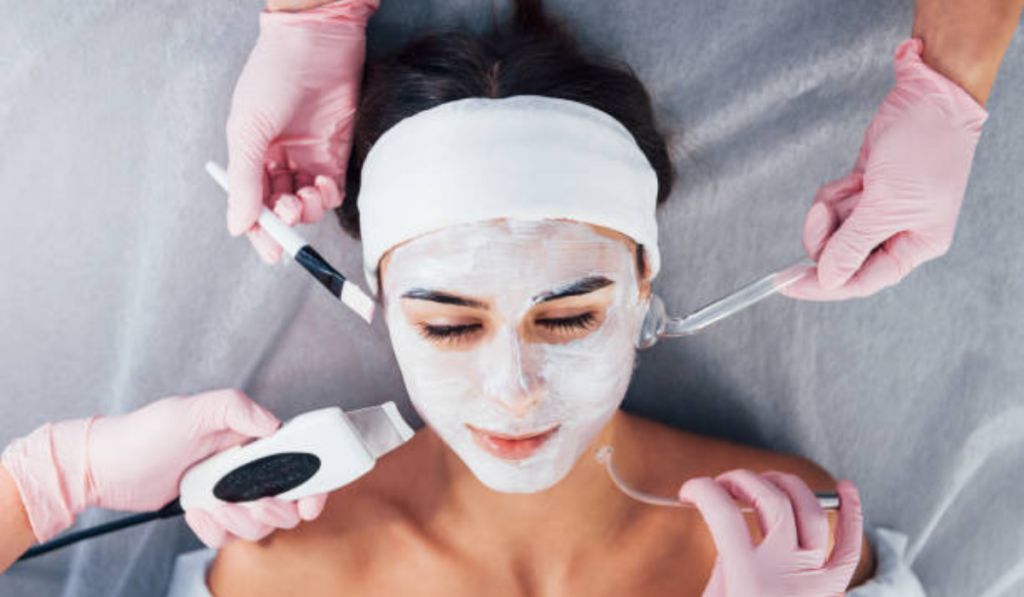
Not every facial treatment is appropriate for sensitive skin.
Depending on your skin condition, your provider may recommend postponing or modifying treatments that could increase irritation.
Examples may include:
- Aggressive chemical peels
- Strong exfoliating treatments
- Microdermabrasion
- High-strength acid treatments
- Frequent extractions when the skin is inflamed
This does not necessarily mean these treatments should always be avoided, but they may require careful patient selection, modified protocols, or a gradual treatment plan.
Ingredients That May Support Sensitive Skin
Professional facials often include ingredients selected according to your skin’s needs.
Some commonly used barrier-supportive ingredients include:
Hyaluronic Acid
Helps attract and retain moisture, supporting skin hydration without feeling heavy.
Ceramides
Support the skin’s natural protective barrier and may help reduce moisture loss.
Glycerin
A humectant that helps draw moisture into the outer layers of the skin, improving hydration.
Panthenol (Provitamin B5)
Often included in calming skincare products because it may help support hydration and skin comfort.
Niacinamide
For some individuals, niacinamide may help improve barrier function, reduce redness, and support overall skin health when appropriately formulated.
Ingredient selection should always be based on an individualized skin assessment.
What Happens During a Sensitive Skin Facial?

Every treatment should begin with understanding your skin before products are applied.
Skin Assessment
Your provider typically evaluates:
- Skin sensitivity
- Redness
- Hydration
- Barrier health
- Current skincare products
- Medical history related to the skin
- Treatment goals
This assessment helps determine which products and techniques are most appropriate.
Gentle Cleansing
A mild cleanser is used to remove makeup, sunscreen, excess oil, and environmental impurities while helping preserve the skin’s natural barrier.
Customized Treatment
Depending on your skin’s condition, treatment may include:
- Gentle hydration
- Cooling masks
- Barrier-supportive serums
- Light facial massage
- Mild exfoliation when appropriate
Each step is selected based on how your skin is expected to tolerate treatment.
Post-Treatment Skin Protection
Before you leave, your provider may recommend:
- Barrier-supportive moisturizers
- Daily sunscreen
- Gentle cleansers
- Temporary avoidance of harsh active ingredients
These recommendations help support recovery and maintain treatment results.
Clinical Perspective
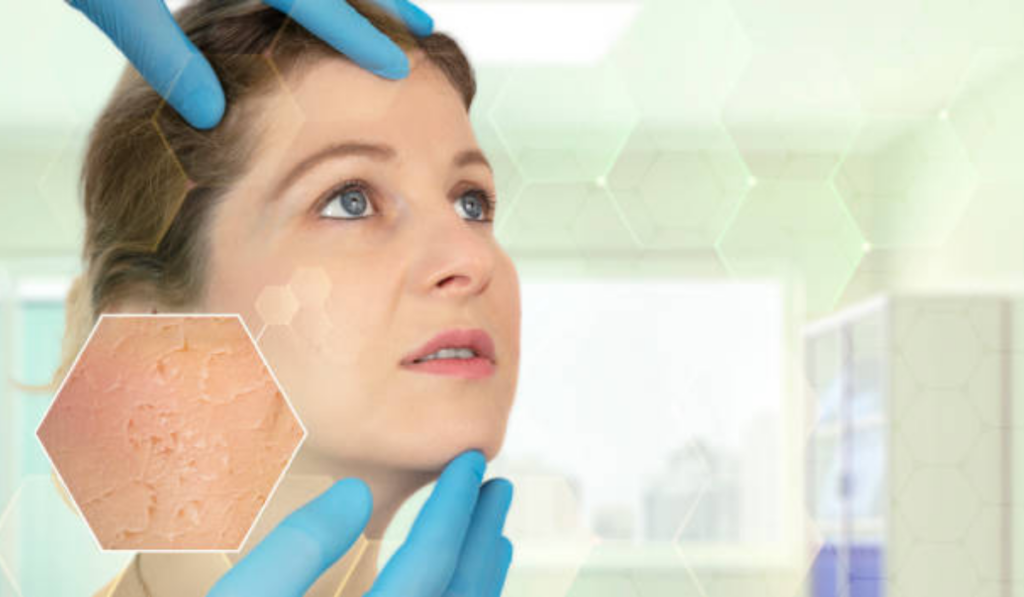
Educational resources supported by the National Institutes of Health (NIH) continue to emphasize the importance of maintaining the skin barrier in individuals with sensitive or reactive skin.
For example, someone experiencing frequent facial redness and dryness may benefit from a professionally guided facial focused on hydration and barrier support rather than intensive exfoliation. Another individual with mild sensitivity and congestion may require a customized treatment that balances gentle cleansing with carefully selected active ingredients.
Because the causes of sensitive skin vary widely, professional facial treatments should be tailored to the individual’s skin condition, medical history, and treatment goals rather than following a standardized protocol.
Possible Side Effects
Even gentle facial treatments may cause temporary skin responses.
Some individuals may experience:
- Mild redness
- Temporary warmth
- Slight tightness
- Mild sensitivity
- Temporary flushing following massage
These responses are often short-lived and usually resolve within several hours, although recovery times vary.
When Should You Delay a Facial?
Professional treatment may be postponed if you have:
- Active skin infections
- Open cuts or wounds
- Severe sunburn
- Active eczema flare-ups
- Severe rosacea flare-ups
- Allergic skin reactions requiring medical care
A professional evaluation helps determine whether treatment should proceed or whether the skin should recover first.
Why Personalized Skin Assessments Matter

Sensitive skin is not the same for every individual.
One person may react primarily to fragrances, while another experiences irritation from exfoliating acids, environmental factors, or certain skincare ingredients.
An individualized skin assessment allows providers to identify potential triggers, evaluate barrier health, and recommend treatments that align with the skin’s current condition rather than relying on generalized skincare advice.
This personalized approach helps support healthier skin while minimizing unnecessary irritation.
Why Professional Guidance Is Important for Sensitive Skin
Sensitive skin can change over time.
Seasonal weather, stress, medications, hormones, skincare products, and underlying skin conditions may all influence how your skin responds to treatment.
Rather than selecting a facial based solely on online recommendations or current trends, a professional skin evaluation helps identify:
- Your skin type
- Barrier health
- Sensitivity triggers
- Hydration levels
- Current skin concerns
- Treatment goals
- Potential product sensitivities
This assessment allows facial treatments to be customized according to your skin’s individual needs while helping reduce the likelihood of unnecessary irritation.
Building a Long-Term Skincare Plan
Professional facial treatments are only one part of maintaining healthy sensitive skin.
Long-term skin health is often supported through a combination of personalized skincare habits and appropriate professional care.
Depending on your skin assessment, recommendations may include:
- Medical-grade skincare products
- Daily broad-spectrum sunscreen
- Gentle cleansers
- Barrier-supportive moisturizers
- Hydrating serums
- Lifestyle recommendations that support overall skin health
- Periodic professional skin evaluations
A consistent routine may help maintain skin comfort and support the skin’s natural protective barrier between professional treatments.
FAQs

Can people with sensitive skin get professional facials?
Yes. Many individuals with sensitive skin can benefit from professional facial treatments when the treatment is customized according to their skin type, barrier health, and specific concerns.
What type of facial is usually recommended for sensitive skin?
Hydration-focused and barrier-supportive facials are commonly recommended for many individuals with sensitive skin. However, the most appropriate treatment depends on an individualized skin assessment.
Can facials make sensitive skin worse?
Treatment times vary depending on the type of IV therapy and the volume of fluids administered, but many sessions are completed within approximately 30 to 60 minutes.
Is exfoliation safe for sensitive skin?
It can be, but the type and intensity of exfoliation should be carefully selected. Some individuals may benefit from gentle exfoliation, while others may require little or none depending on their skin condition.
How often should someone with sensitive skin get a facial?
There is no universal schedule. Treatment frequency depends on skin condition, treatment goals, and how the skin responds over time. A skincare professional can recommend an individualized plan.
Should I tell my provider about my skincare products?
Yes. Sharing information about prescription medications, over-the-counter skincare products, allergies, and previous skin reactions helps your provider customize your facial safely.
Supporting Healthy, Comfortable Skin Over Time
Choosing the right facial for sensitive skin involves more than selecting the gentlest treatment.
It requires understanding your skin’s unique needs, protecting its natural barrier, and adapting care as those needs change.
Hydration-focused, barrier-conscious facial treatments may help support healthier-looking skin for many individuals, but the most appropriate approach always depends on a personalized skin assessment.
At Circle Wellness, facial treatments are designed around evidence-informed skincare principles and individualized evaluations, helping ensure that each treatment supports long-term skin health while respecting the unique characteristics of sensitive skin.
Schedule a Personalized Facial Consultation

If you’re unsure which facial is most appropriate for your sensitive skin, a professional consultation can help guide your decision.
At Circle Wellness in Melville, NY, every facial begins with a personalized skin assessment to better understand your skin’s condition, concerns, and long-term skincare goals.
Treatment recommendations are individualized to prioritize skin barrier health, hydration, and overall skin wellness while selecting techniques and products appropriate for sensitive skin.