Your legs feel unusually heavy by the end of the day.
Your hands are always cold.
Your feet swell after sitting too long.
No matter how much rest you get, your body still feels sluggish, tense, and exhausted.
For many people, these symptoms are easy to dismiss at first. They’re blamed on stress, aging, long work hours, or simply “being tired.”
But sometimes, the body is signaling something deeper: your circulation may not be functioning as efficiently as it should.
At Circle Wellness, many patients seek wellness support not because they are looking for temporary relaxation, but because they want to better understand why their body constantly feels:
- fatigued
- tense
- swollen
- physically drained
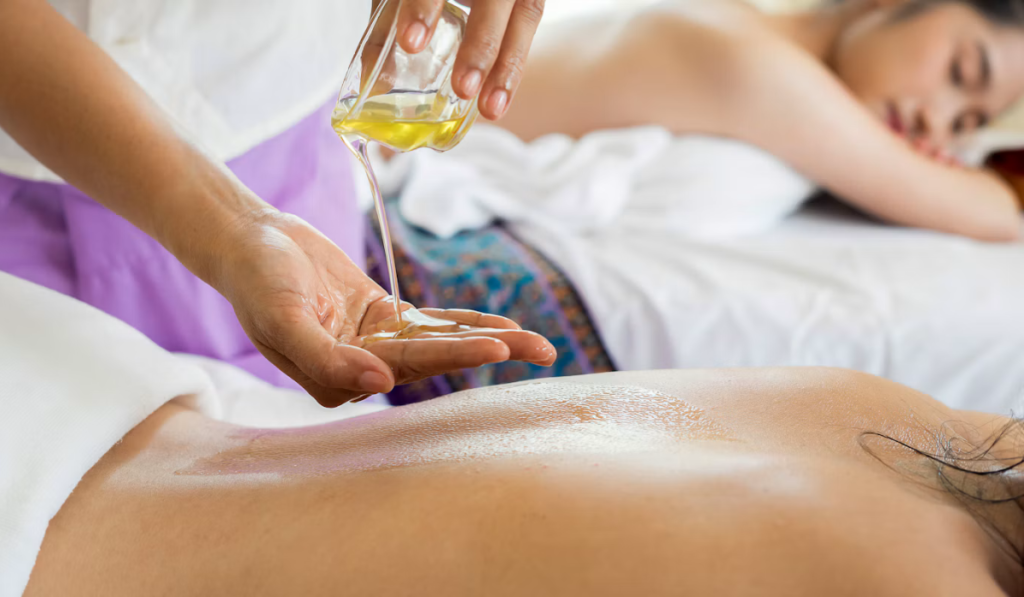
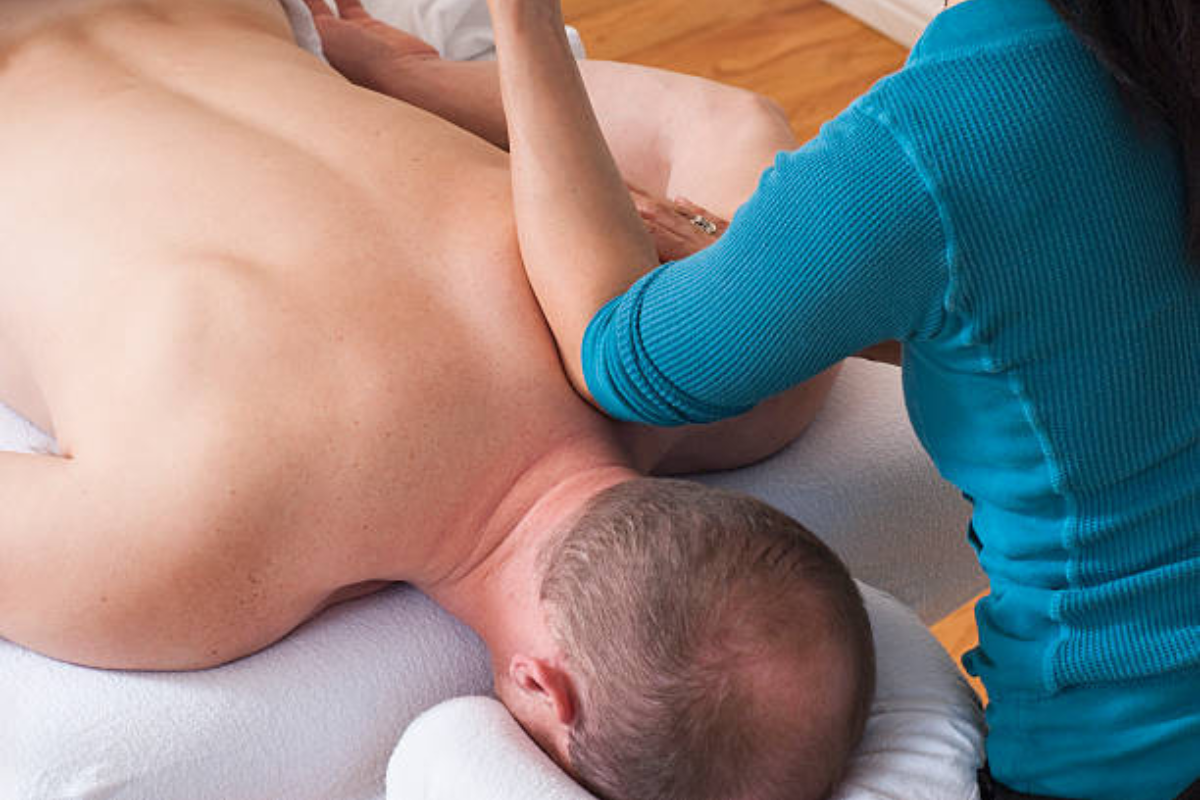
One supportive therapy often used in integrative wellness care is medical massage for circulation—a clinically informed approach designed to support mobility, muscular recovery, and healthy blood and lymphatic flow.
While massage is not a replacement for vascular medical care, it may help support circulation-related discomfort associated with muscle tension, stress, prolonged sitting, and physical strain.
What Is Poor Circulation?
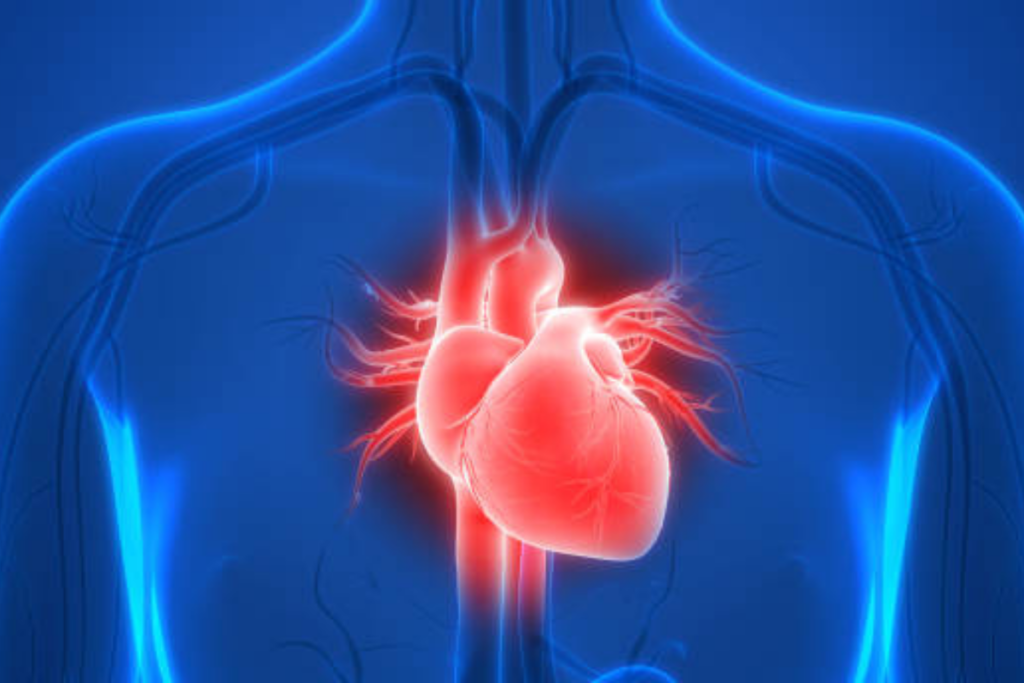
Circulation refers to how blood moves throughout the body delivering:
- oxygen
- nutrients
- hormones
- immune support
Healthy circulation also helps remove:
- metabolic waste
- excess fluid
- inflammatory byproducts
The circulatory system works closely with the lymphatic system, which helps regulate fluid balance and immune function.
When circulation becomes less efficient, some individuals may experience symptoms such as:
- heaviness
- swelling
- cold extremities
- fatigue
- muscle tightness
Circulatory changes can occur for many reasons, including:
- sedentary lifestyles
- prolonged sitting
- chronic stress
- muscular tension
- aging-related changes
- underlying medical conditions
Because circulation issues may sometimes indicate more serious health concerns, persistent symptoms should always be medically evaluated.
Signs Your Body May Be Struggling With Circulation
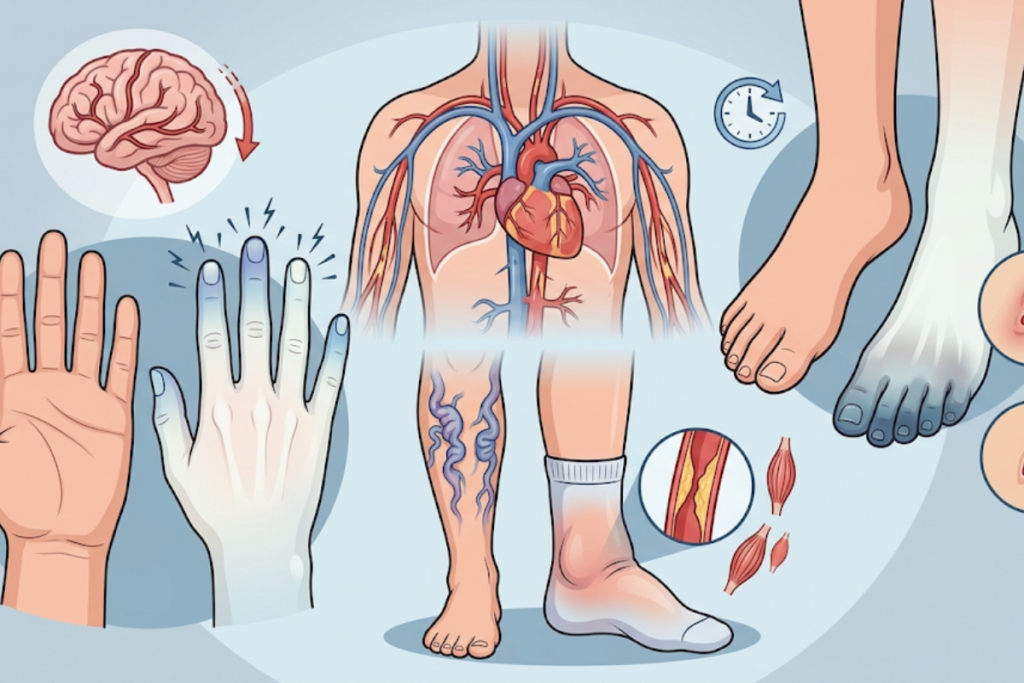
Circulation-related symptoms are not always dramatic.
Often, they develop gradually over time.
Many people simply begin feeling:
- physically sluggish
- unusually tight
- chronically fatigued
- swollen after inactivity
Some common symptoms associated with poor circulation may include:
Heavy or Aching Legs
Many individuals notice discomfort after standing or sitting for long periods.
Swelling in the Feet or Ankles
Fluid retention may become more noticeable later in the day or during prolonged inactivity.
Cold Hands and Feet
Reduced blood flow can sometimes contribute to temperature sensitivity in the extremities.
Tingling or Mild Numbness
Some individuals experience intermittent “pins and needles” sensations.
Persistent Muscle Tightness
Restricted movement and tension can affect circulation and tissue comfort.
Ongoing Fatigue
When tissues are not receiving optimal oxygen and nutrient delivery, the body may feel depleted or sluggish.
Important:
These symptoms may have multiple causes and should not be self-diagnosed. Persistent swelling, pain, numbness, discoloration, or severe symptoms require medical evaluation.
How Stress, Sedentary Habits & Muscle Tension Affect Circulation
Modern lifestyles place significant strain on circulation.
Many adults spend:
- hours sitting at desks
- commuting long distances
- remaining physically inactive
- functioning under chronic stress
Over time, prolonged sitting and muscular tension may contribute to:
- stiffness
- restricted mobility
- reduced muscular pumping action
- increased physical discomfort
Stress also affects the nervous system.
When the body remains in a chronic “fight-or-flight” state, muscles often stay tight and guarded. This ongoing tension may influence:
- blood vessel constriction
- breathing patterns
- muscular recovery
- overall circulation efficiency
The body functions as an interconnected system.
Poor mobility, chronic stress, muscular tension, and fatigue often influence one another more than people realize.
What Is Medical Massage Therapy?
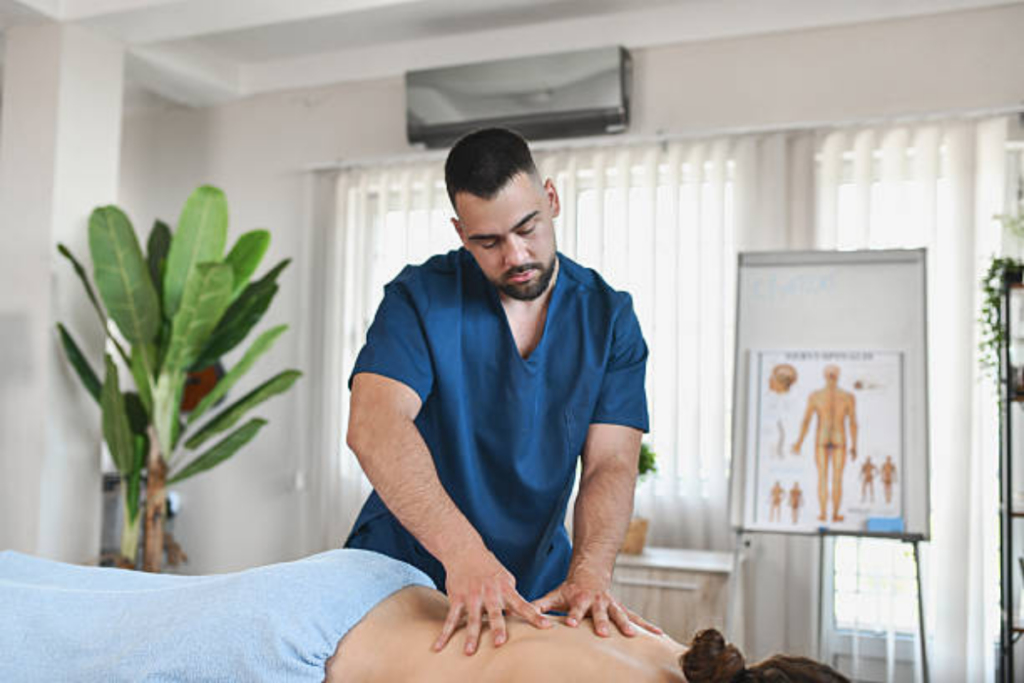
Medical massage therapy differs from traditional spa massage.
Rather than focusing primarily on relaxation, medical massage is:
- clinically informed
- goal-oriented
- customized to specific physical concerns
- integrated into wellness and recovery care
At Circle Wellness, medical massage follows a physician-guided approach supporting:
- muscular function
- mobility
- circulation
- nervous system regulation
- whole-body recovery
lifestyle physical tension patterns movement restrictions recovery goals
- lifestyle
- physical tension patterns
- movement restrictions
- recovery goals
How Medical Massage May Help Support Healthy Circulation
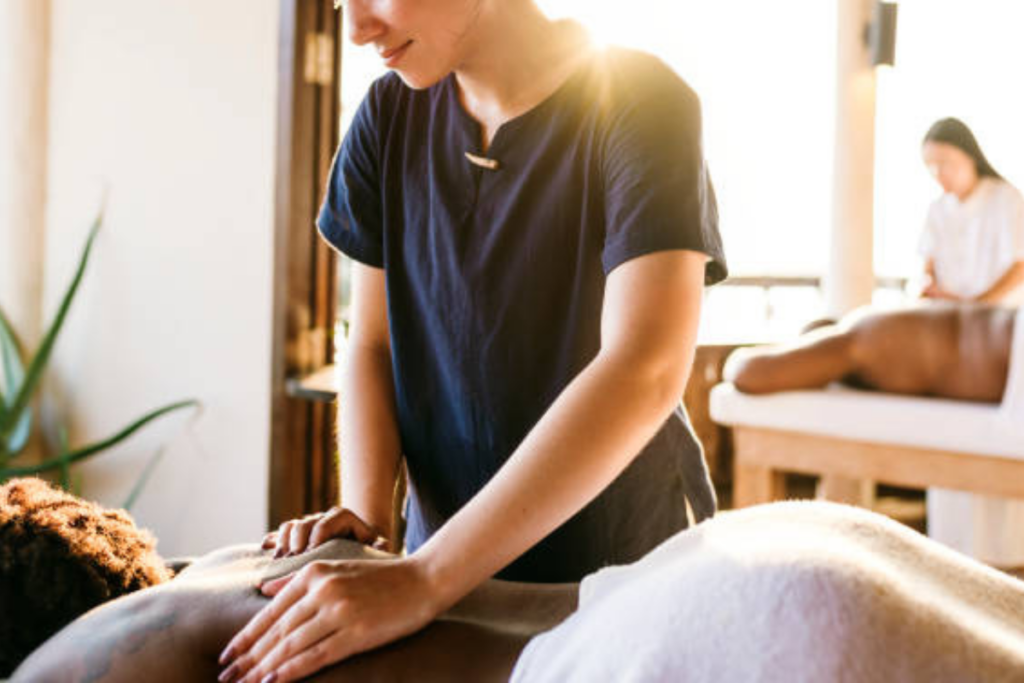
Muscle Relaxation & Blood Flow:
Tight muscles can place pressure on surrounding tissues and affect movement efficiency.
Medical massage may help:
- release muscular tension
- improve tissue mobility
- encourage healthy blood flow
Improved muscular relaxation may also support physical comfort and recovery.
Lymphatic Support
The lymphatic system helps regulate fluid movement throughout the body.
Certain massage techniques may help encourage lymphatic drainage and fluid movement, which some individuals find beneficial for:
- mild swelling
- feelings of heaviness
- postural fluid retention
Stress Reduction & Nervous System Regulation
Chronic stress can contribute to muscular tightness and nervous system overload.
Medical massage is often associated with:
- relaxation
- reduced stress perception
- improved physical calmness
When the nervous system shifts into a more relaxed state, the body may function more efficiently overall.
Mobility & Recovery Support
Restricted mobility can affect circulation and muscular recovery.
Massage therapy may help:
- improve flexibility
- reduce stiffness
- support physical recovery after prolonged inactivity or strain
Swelling & Physical Tension Relief
Some individuals experiencing mild swelling or tension related to inactivity report feeling lighter and more comfortable after treatment.
However, sudden swelling, severe pain, or unexplained edema should always be medically evaluated before receiving massage therapy.
Who May Benefit From Medical Massage for Circulation Support?
Medical massage may be supportive for:
- desk workers
- frequent travelers
- aging adults experiencing stiffness
- individuals with chronic muscular tension
- people with sedentary lifestyles
- those experiencing stress-related physical tightness
It may also benefit individuals seeking:
- recovery support
- mobility improvement
- relaxation
- circulation-conscious wellness care
Medical massage is not intended to diagnose or treat vascular disease, but it may serve as part of a broader wellness strategy focused on movement and recovery.
Important Safety Considerations

Massage therapy is not appropriate for every circulation-related condition.
Certain symptoms require immediate medical evaluation, including:
- sudden leg swelling
- chest pain
- severe numbness
- skin discoloration
- shortness of breath
- signs of infection
Massage may also be contraindicated in individuals with:
- suspected blood clots
- severe vascular disease
- uncontrolled medical conditions
- acute inflammation or infection
For this reason, circulation concerns should always be evaluated by qualified healthcare professionals.
At Circle Wellness, treatments are performed with a strong emphasis on patient safety, medical appropriateness, and individualized care.
Why Circle Wellness Takes a Whole-Body Approach
Circulation does not exist independently from the rest of the body.
Stress, mobility, posture, muscular tension, inflammation, recovery patterns, and nervous system function are all interconnected.
That is why Circle Wellness approaches wellness through an integrative, physician-guided model focused on:
- personalized care
- whole-body healing
- nervous system support
- movement optimization
- recovery-focused therapies
Rather than offering one-size-fits-all treatments, care plans are tailored to each patient’s:
- lifestyle
- physical patterns
- recovery needs
- wellness goals
This approach helps ensure that treatment remains both medically responsible and deeply individualized.
When Your Body Feels Heavy, Sluggish, or Constantly Tense—It’s Worth Paying Attention
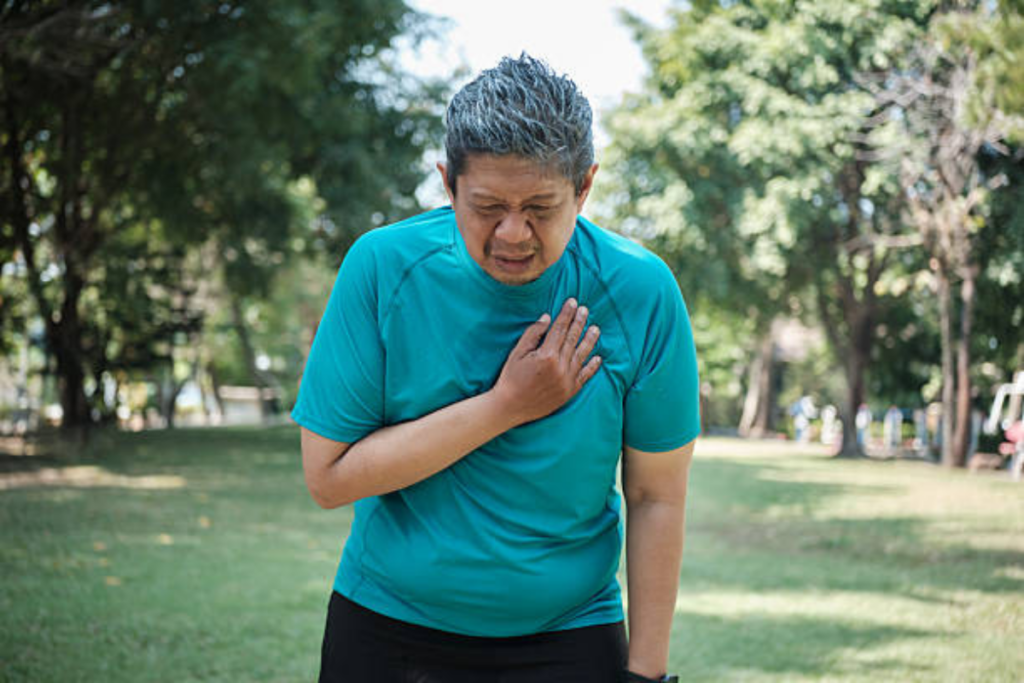
Many people normalize chronic fatigue, swelling, heaviness, and tension because the symptoms develop slowly.
But the body often communicates through subtle patterns long before discomfort becomes overwhelming.
If circulation-related discomfort, muscular tightness, or chronic physical fatigue have been affecting your quality of life, understanding the underlying patterns may be the first step toward feeling better.
At Circle Wellness, medical massage is used as part of a personalized wellness approach designed to support:
- circulation-conscious recovery
- mobility
- muscular relaxation
- whole-body well-being
Because sometimes improving how the body feels begins with improving how the body moves, recovers, and circulates.
FAQs
Can massage improve circulation?
Massage therapy may help encourage healthy blood flow by supporting muscular relaxation, mobility, and tissue movement. Individual results vary depending on overall health and underlying conditions.
What are signs of poor circulation?
Some individuals experience heavy legs, swelling, cold hands or feet, tingling, fatigue, or muscle tightness. Persistent symptoms should be medically evaluated.
Does medical massage help swollen legs?
Medical massage may help support fluid movement and physical comfort in some individuals. However, sudden or severe swelling requires medical assessment before treatment.
Is massage safe for circulation issues?
Not always. Certain vascular conditions, blood clots, infections, or severe swelling may make massage unsafe. A healthcare professional should evaluate concerning symptoms first.
What causes circulation problems?
Circulation changes may be associated with prolonged sitting, stress, muscle tension, inactivity, aging-related changes, or underlying medical conditions.
Can stress affect circulation?
Yes. Chronic stress can influence muscle tension, nervous system activity, breathing patterns, and blood vessel function.
Is medical massage different from spa massage?
Yes. Medical massage is more clinically focused and customized toward physical recovery, mobility, muscular tension, and wellness support.