Why Your Skin Barrier Keeps Breaking Down After Facials
Many people expect facials to improve skin health—but for some, the result is the opposite.
Instead of glow, they experience:
- Redness
- Tightness
- Burning sensation
- Increased sensitivity
- Breakouts after treatment
This pattern is often linked to skin barrier disruption after facial treatments.
The skin barrier is extremely delicate, and when repeatedly stressed by exfoliation, active ingredients, or aggressive techniques, it can become temporarily compromised.
What the Skin Barrier Actually Does
The skin barrier is the outermost protective layer of the skin.
It is responsible for:
- Preventing moisture loss
- Blocking irritants and pollutants
- Supporting microbiome balance
- Maintaining skin hydration
When functioning well, skin appears:
- Calm
- Smooth
- Hydrated
- Resilient
When compromised, skin may feel:
- Reactive
- Dry or oily (confused oil production)
- Easily inflamed
- Sensitive to skincare products
Why Skin Barrier After Facial Treatments Can Break Down
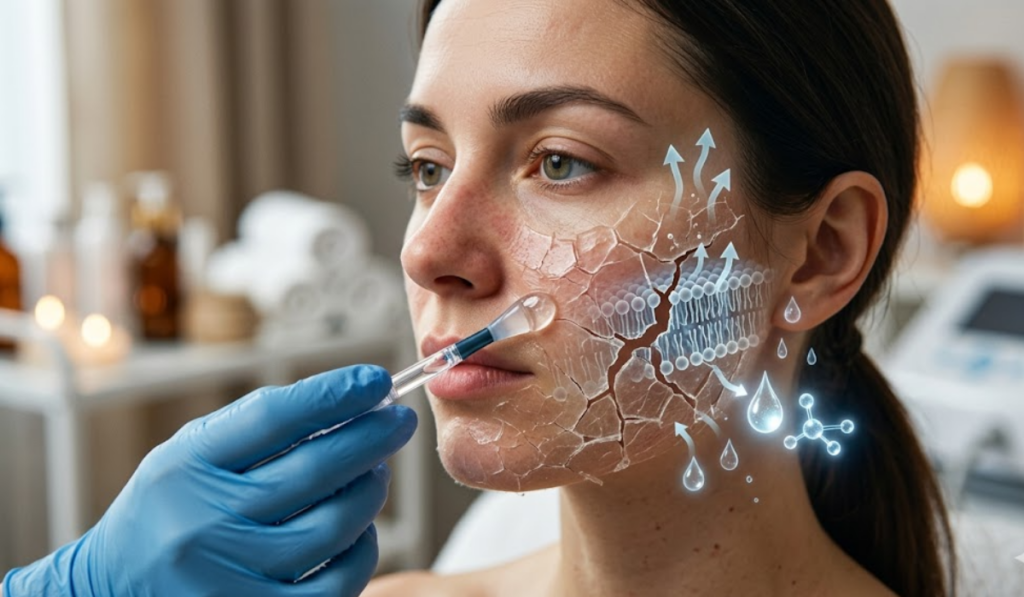
Facials are designed to improve skin health, but certain techniques may temporarily stress the barrier.
Common contributing factors include:
- Over-exfoliation (chemical or physical)
- Excessive extraction pressure
- Strong active ingredients used too frequently
- Layering multiple resurfacing treatments
- Heat or friction-based stimulation
- Repeated treatments without recovery time
In clinical practice, providers often observe that skin sensitivity increases when treatments are too frequent or not customized to barrier conditions.
Signs Your Skin Barrier May Be Compromised
After a facial, watch for:
- Persistent redness beyond 24–48 hours
- Burning or stinging with basic skincare
- Sudden dryness or flaking
- Breakouts that appear inflamed
- Increased sensitivity to sun or products
- Tight “over-cleansed” feeling
Some patients may also notice that products they previously tolerated now feel irritating.
This often suggests the barrier is temporarily disrupted rather than permanently damaged.
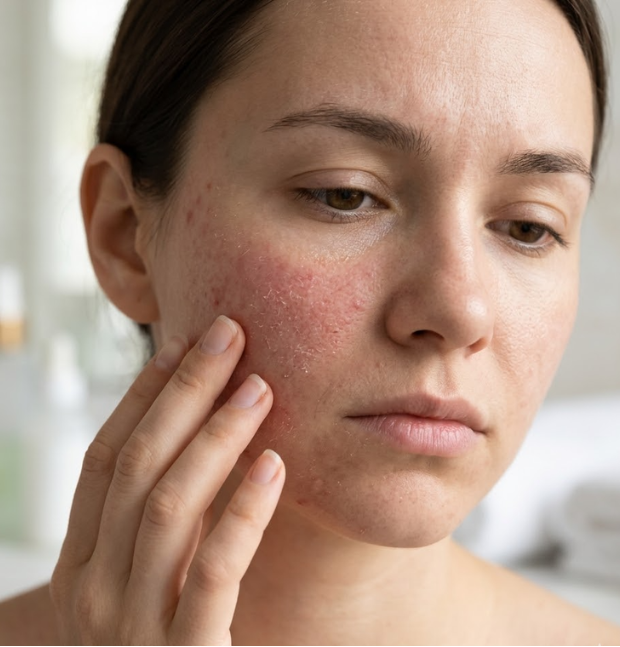
Over-Exfoliation and Barrier Stress
One of the most common reasons for skin barrier damage after facial treatments is over-exfoliation.
This can happen when:
- Exfoliation is too frequent
- Multiple acids are combined
- Skin is already sensitized but still treated aggressively
- At-home exfoliation continues after in-clinic treatment
Over time, this can lead to:
- Lipid depletion
- Increased transepidermal water loss (TEWL)
- Reduced protective function
A weakened barrier may struggle to retain hydration, making skin feel both dry and reactive.
Medically Educated Insight: Why This Happens
From a biological perspective, the skin barrier depends on:
- Lipids (natural fats)
- Corneocytes (skin cells)
- Moisture balance
When exfoliation is too frequent or intense, it may temporarily disrupt lipid organization.
This can:
- Increase water loss
- Trigger inflammation pathways
- Heighten nerve sensitivity
These effects are typically temporary but can feel uncomfortable during recovery.
A personalized assessment often helps determine whether the barrier is simply stressed or needs longer recovery time.
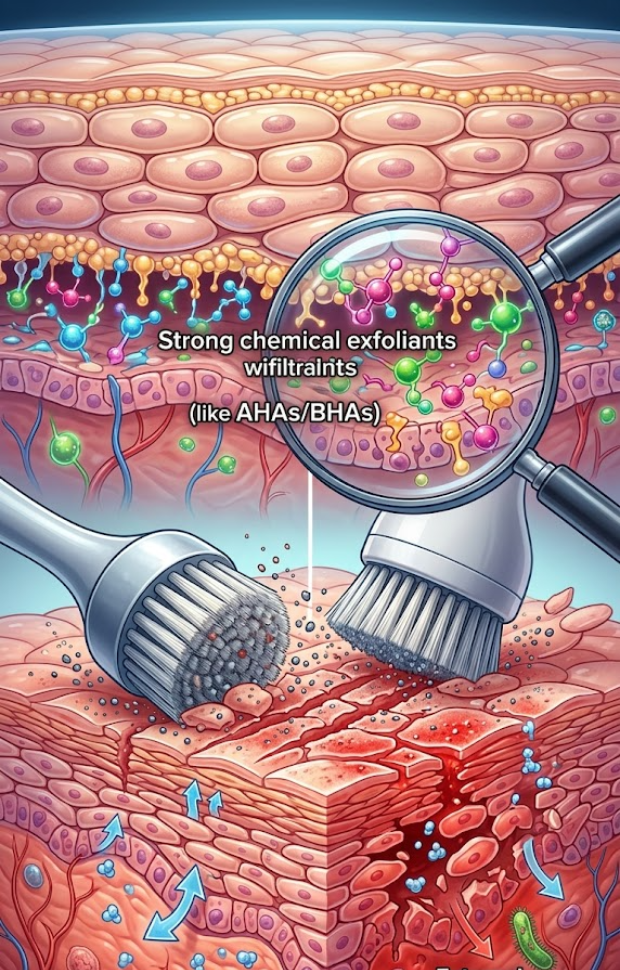
What NOT to Do After a Facial
To protect a weakened barrier, avoid:
- Strong exfoliants (AHAs/BHAs/retinoids) immediately after
- Hot water cleansing
- Scrubbing or physical exfoliation
- Multiple active serums at once
- Skipping moisturizer
- Direct sun exposure without protection
These habits may delay recovery and increase sensitivity.
How Skin Typically Recovers
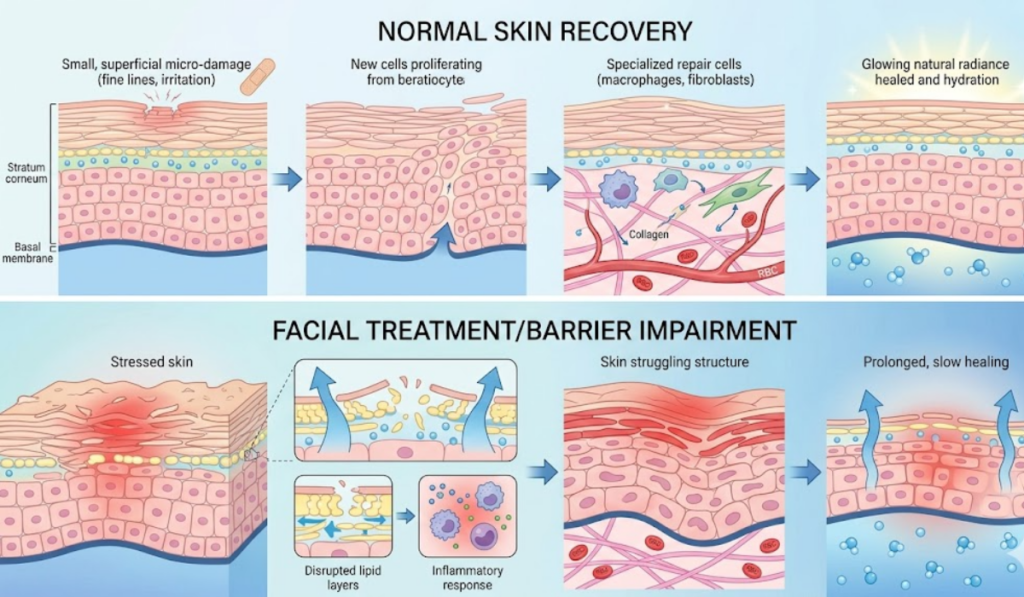
Recovery varies depending on:
- Skin type
- Treatment intensity
- Existing sensitivity
- Home skincare routine
Typically, skin may:
- Calm within a few days
- Rebuild hydration balance gradually
- Restore lipid function over time
Some patients recover faster, while others with reactive skin may need longer supportive care.
Medical Education Section: Barrier Recovery Process
When the skin barrier is disrupted, the body initiates a natural repair cycle.
This may involve:
- Increased lipid production
- Cellular regeneration
- Inflammatory response regulation
- Moisture rebalancing
Research indexed through the National Center for Biotechnology Information and PubMed has explored how barrier dysfunction is often associated with inflammation and increased transepidermal water loss.
Studies suggest that supporting hydration and minimizing irritation may help skin restore equilibrium more efficiently.
Why More Facials Are Not Always Better
A common misconception is that frequent facials improve skin faster.
However, in sensitive individuals:
- Over-treatment can stress the barrier
- Skin may become reactive instead of resilient
- Inflammation may accumulate over time
Experienced providers often adjust:
- Treatment frequency
- Exfoliation strength
- Serum selection
- Recovery intervals
This is why customization matters more than intensity.
Provider Insight
In clinical aesthetic practice, providers often notice that patients with repeated sensitivity episodes usually benefit from:
- gentler treatment protocols
- longer recovery periods
- barrier-focused skincare support
From a treatment perspective, experienced practitioners may prioritize calming and rebuilding the barrier before increasing active treatments again.
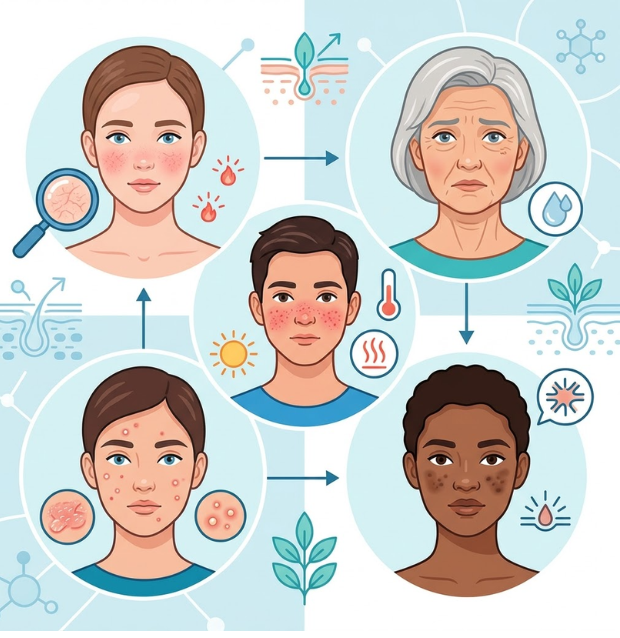
Who May Experience This More Often
Some patients may be more prone to barrier breakdown after facials:
- Sensitive skin types
- Rosacea-prone individuals
- Patients using retinoids or acids frequently
- Those with eczema tendencies
- Over-exfoliated skin barriers
This does not mean facials are unsuitable—only that personalization is essential.
Supporting Your Skin Barrier Between Treatments
Helpful supportive habits may include:
- Gentle, fragrance-free moisturizers
- Barrier-repair ingredients (ceramides, niacinamide)
- Sun protection daily
- Avoiding unnecessary actives
- Hydration-focused routines
The goal is not to “over-treat” the skin but to restore stability.
When to Reconsider Your Facial Approach
You may need to reassess your routine if:
- Sensitivity increases after every facial
- Recovery time is getting longer
- Skin feels consistently irritated
- Products no longer feel compatible
At this point, a professional evaluation is recommended.
Explore treatment options through the Aesthetics services to understand barrier-safe approaches.
FAQs
Why does my skin feel worse after a facial?
This may happen due to temporary barrier disruption caused by exfoliation, extraction, or active ingredients.
How long does skin barrier recovery take?
It may vary from a few days to longer depending on skin sensitivity and treatment intensity.
Can facials damage your skin barrier?
Facials do not typically cause permanent damage, but overly aggressive or frequent treatments can temporarily disrupt barrier function.
What helps repair the skin barrier fastest?
Gentle skincare, hydration support, and avoiding irritants often help recovery.