You’ve Tried Everything… So Why Is Your Acne Still Here?
You’ve switched cleansers.
You’ve invested in expensive serums.
You’ve followed every trending skincare routine.
And yet—your acne keeps coming back.
If this sounds familiar, you’re not alone.
At Circle Wellness in Melville, NY, we regularly treat patients who feel stuck in a frustrating cycle of temporary fixes—only to see breakouts return weeks later.
Here’s the clinical reality:
Persistent acne is not just a surface issue—it’s a chronic skin condition driven by deeper biological processes that require targeted, professional intervention.
The #1 Hidden Reason Your Acne Won’t Go Away
The primary cause of recurring acne is:
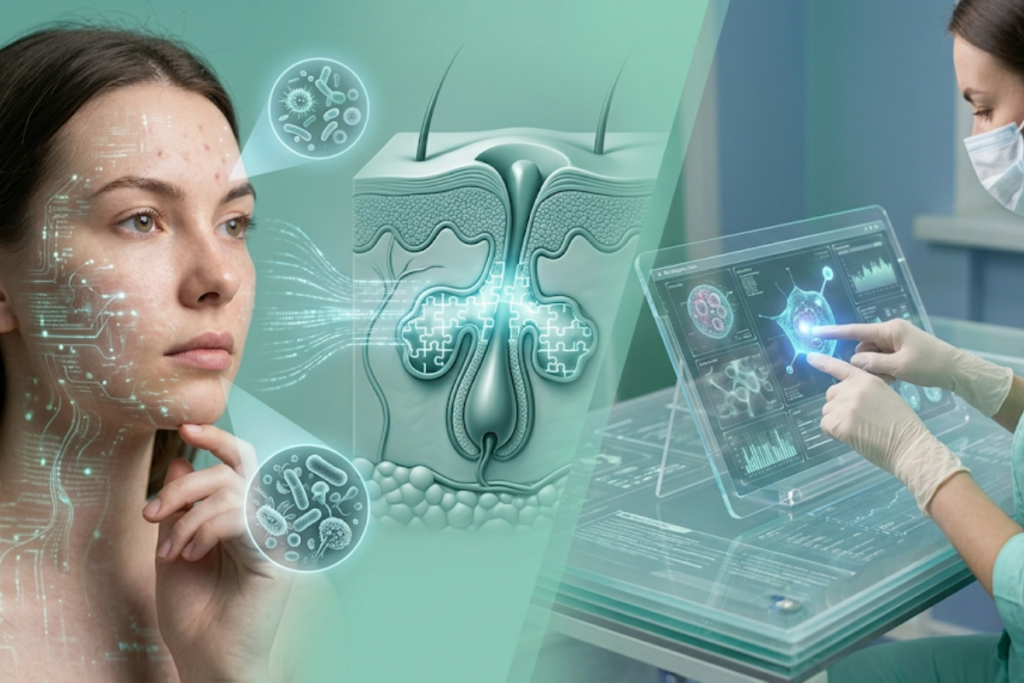
Chronic pore congestion + sustained inflammation
According to the American Academy of Dermatology, acne develops when hair follicles become clogged with oil (sebum), dead skin cells, and bacteria—triggering an inflammatory response.
What’s happening beneath your skin:
- Follicular hyperkeratinization: Dead skin cells accumulate and block pores before visible acne forms
- Excess sebaceous gland activity: Increased oil production creates an ideal environment for breakouts
- Bacterial overgrowth: Cutibacterium acnes proliferates in clogged follicles
- Inflammatory cascade: Leads to redness, swelling, and painful lesions
- Barrier dysfunction: Overuse of harsh products weakens the skin’s protective layer
This creates a self-perpetuating cycle that over-the-counter products alone cannot effectively break.
Why At-Home Skincare Isn’t Enough
A well-designed home routine is important—but clinically limited.
Here’s where it falls short:
1. Deep Pore Decongestion
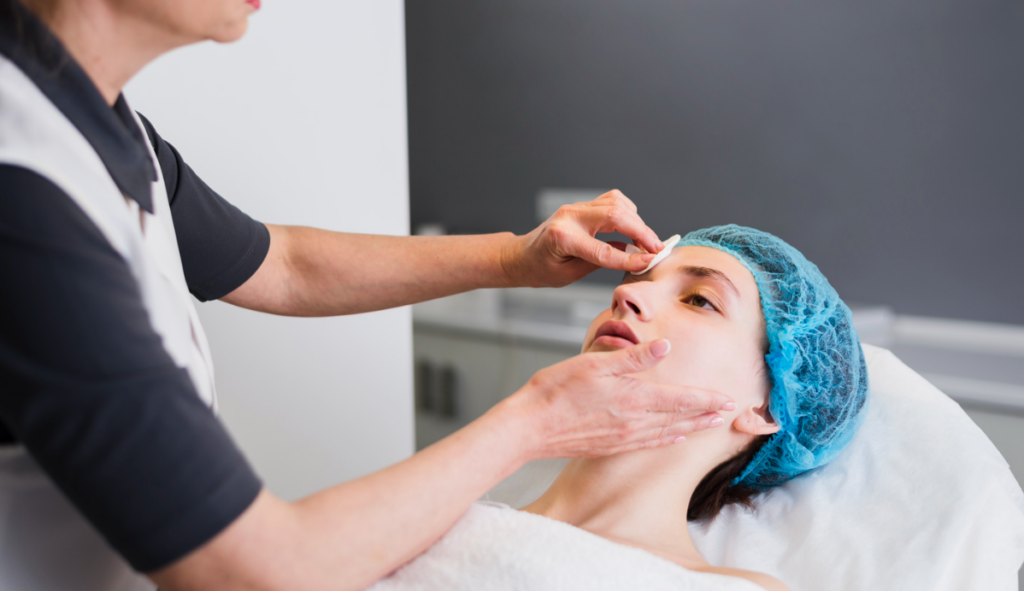
Most topical products cannot penetrate deeply enough to remove compacted debris within follicles.
2. Controlled Exfoliation
Improper exfoliation can worsen post-inflammatory hyperpigmentation (PIH) and barrier damage.
3. Safe Extractions
DIY extractions often lead to:
- Scarring
- Hyperpigmentation
- Secondary infection
4. Dynamic Skin Changes
Your skin evolves with:
- Hormonal fluctuations
- Stress levels
- Climate and humidity
- Diet and lifestyle
Static routines don’t adapt—clinical treatments do.
How Medical Facials Target Acne at the Source
At Circle Wellness, medical facials are protocol-driven clinical procedures—not spa treatments.
They are designed to interrupt the acne cycle at multiple biological levels.
Step 1: Clinical Double Cleanse
Clinical benefit: Enhances treatment penetration and reduces surface bacteria.
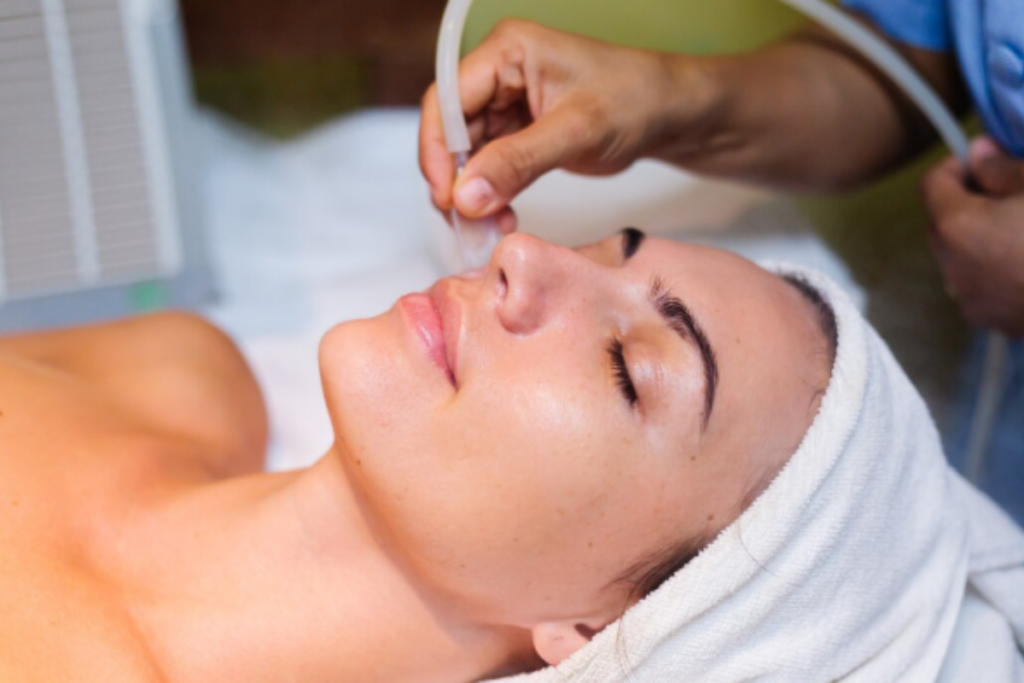
Step 2: Enzyme Exfoliation + Steam Therapy
Clinical benefit: Supports controlled exfoliation without damaging the skin barrier.
Step 3: Professional Extractions
- Immediate pore clearance
- Reduced formation of inflammatory lesions
- Lower risk of scarring compared to manual extraction
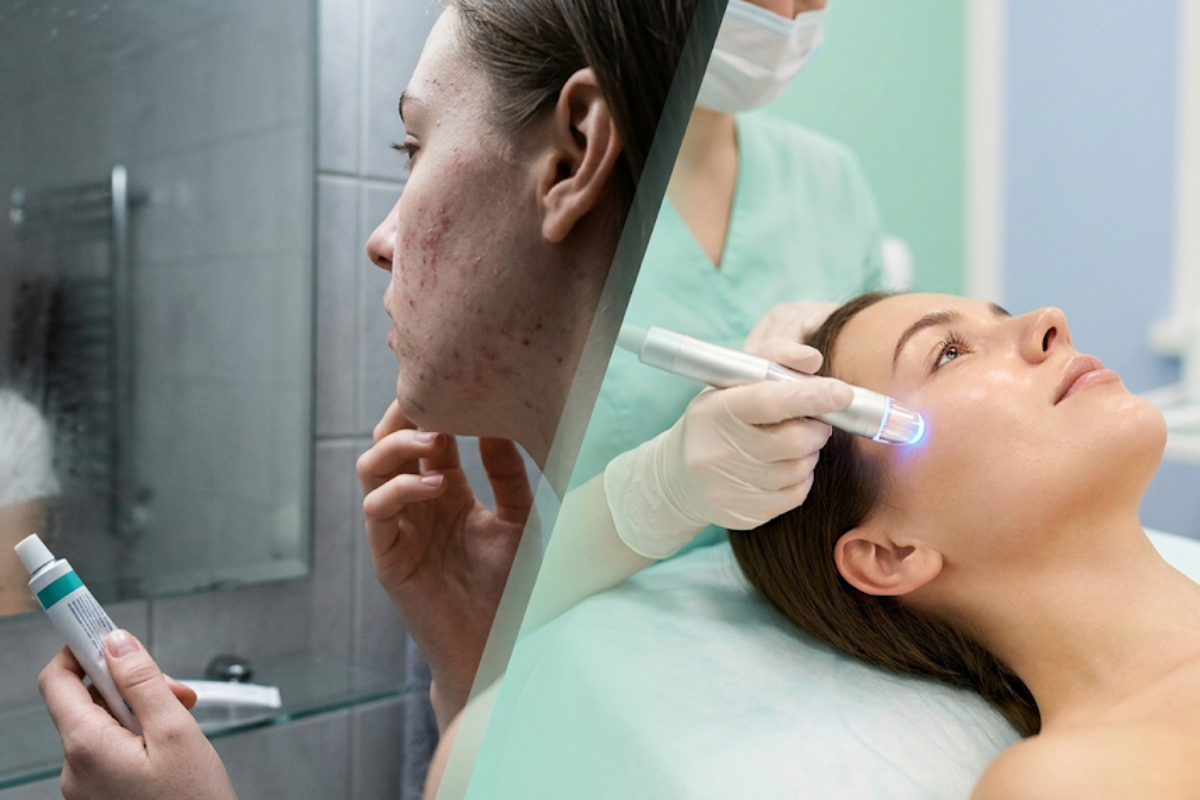
Step 4: LED Light Therapy
- Blue light: Reduces acne-causing bacteria
- Red light: Decreases inflammation and promotes tissue repair
Step 5: Barrier Repair & Hydration
- Strengthens skin resilience
- Reduces irritation and sensitivity
- Prevents future breakouts


Types of Medical Facials for Acne
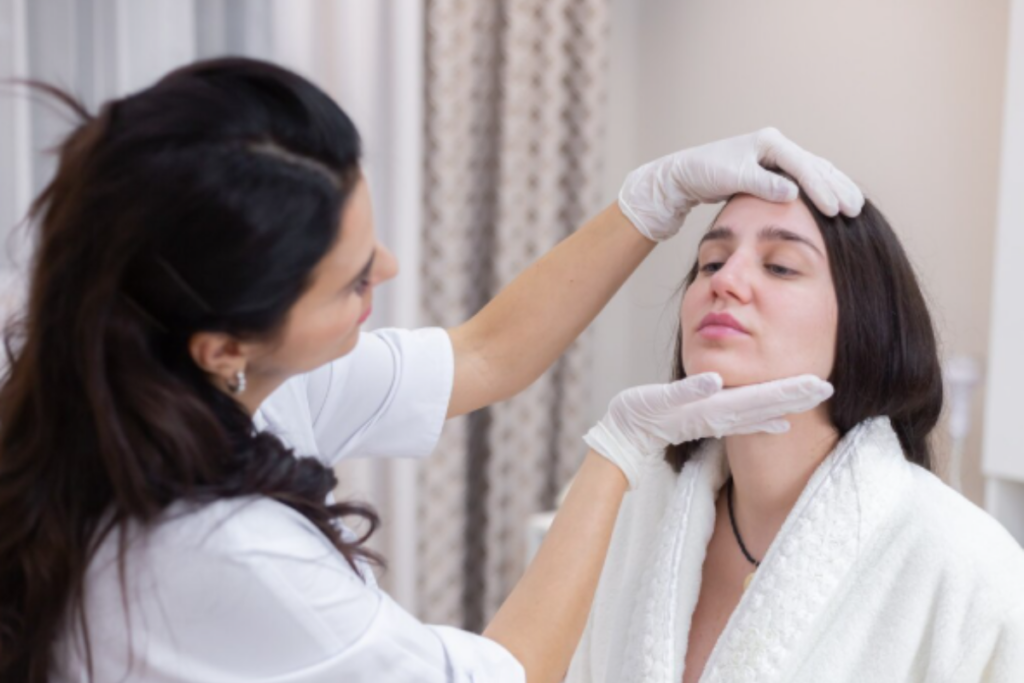
Acne is not one-size-fits-all—treatment shouldn’t be either.
Medical Acne Facial
Best for: Active breakouts and congestion
Includes deep cleansing, extractions, and antibacterial therapy
Anti-Inflammatory Facial
Best for: Cystic, painful, or sensitive acne
Focuses on calming inflammation and reducing redness
Barrier Repair Facial
Best for: Over-exfoliated or damaged skin
Restores hydration and skin barrier integrity
Maintenance Facials (Every 4–6 Weeks)
Best for: Long-term acne prevention
Helps maintain clear pores and stable skin function
Real Clinical Insight: What We See in Practice
In real-world clinical settings, many patients come to Circle Wellness after trying multiple active ingredients—often combining acids, retinoids, and scrubs.
The result?
Compromised skin barriers + persistent inflammation, which actually worsens acne over time.
Once we shift the focus to:
- Controlled treatments
- Barrier repair
- Professional extractions
Patients typically begin to see progressive, sustainable improvement within 4–6 weeks.
What Results Can You Realistically Expect?
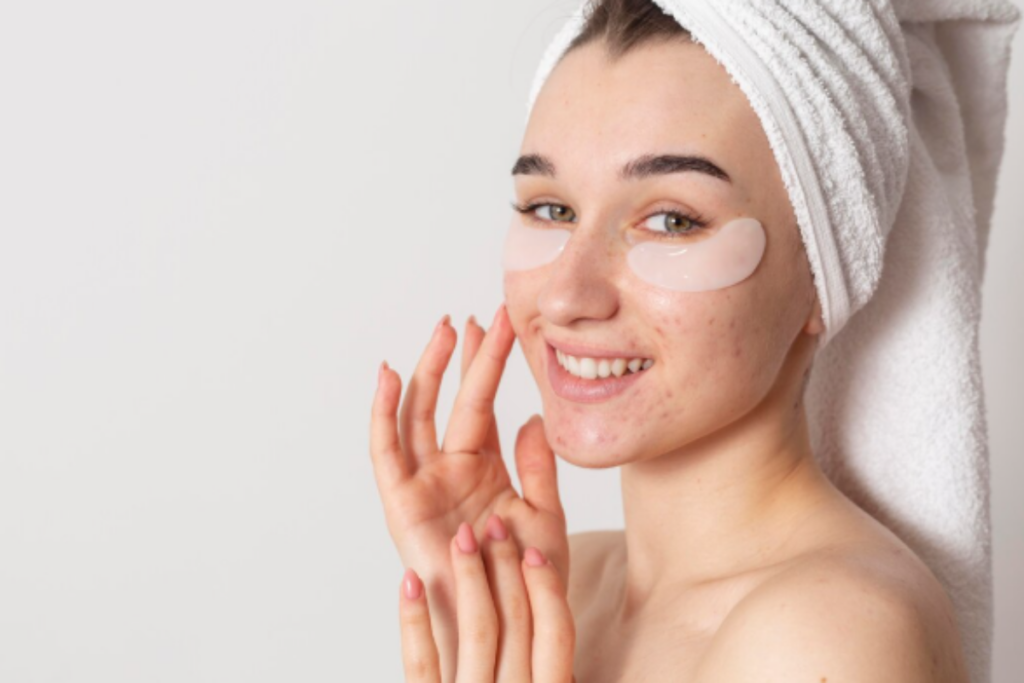
With consistent treatment:
- Reduction in active breakouts within 4–6 weeks
- Smoother skin texture and reduced congestion
- Decrease in redness and inflammation
- Gradual fading of post-acne marks
Important:
- Acne is a chronic condition, not a one-time fix
- Results are cumulative, not instant
- Consistency determines long-term success
When Medical Facials May Not Be Enough
- Prescription topical treatments
- Oral medications
- Hormonal therapy
Why Choosing a Medical Clinic Matters
- Performed by licensed skincare professionals
- Guided by clinical protocols
- Customized through real-time skin analysis
- Integrated with lifestyle and wellness factors
When Should You Seek Professional Acne Treatment?
Consider medical facials if:
- Acne persists despite consistent skincare
- You experience painful or cystic breakouts
- You notice scarring or pigmentation
- Your skin reacts negatively to products
Ready to Break the Acne Cycle?
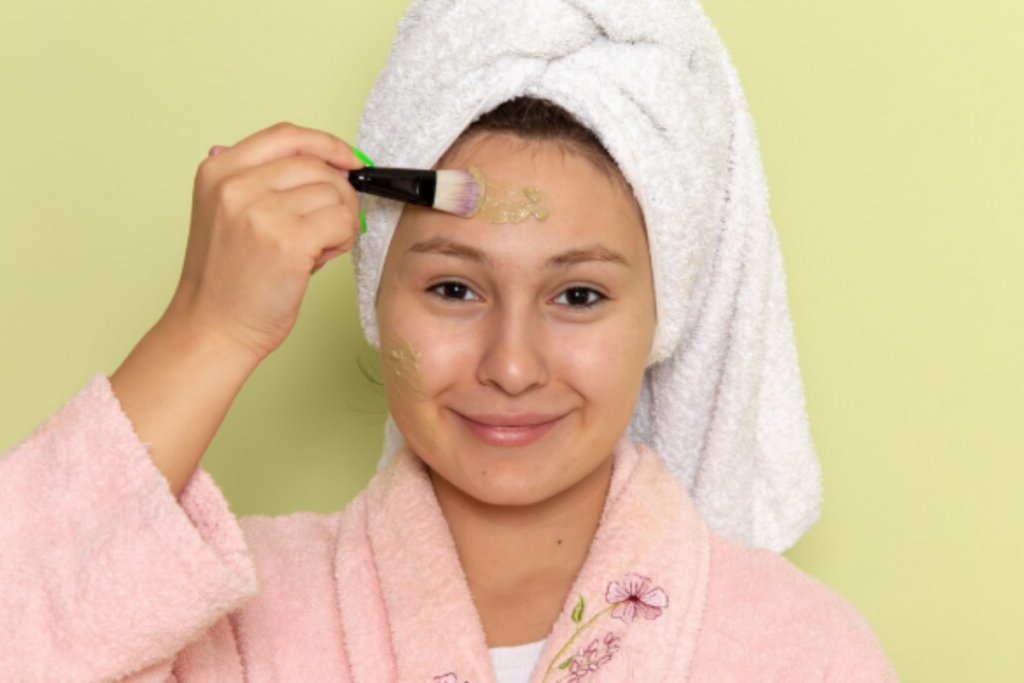
If your acne keeps returning, it’s time to stop guessing—and start treating the root cause.
At Circle Wellness (Melville, NY), every treatment begins with a personalized skin analysis, followed by a clinically guided facial protocol tailored to your skin biology.
Book your personalized acne consultation today and start a treatment plan designed for long-term, medically guided results.
FAQs
Do medical facials really help acne?
Yes. They target congestion, bacteria, and inflammation at a deeper level than at-home care.
How often should I get a facial?
Typically every 4–6 weeks, depending on acne severity.
Can facials worsen acne?
Improper treatments can—but clinically guided facials are designed to safely improve skin.
Are facials enough to treat acne?
They are highly effective but often work best as part of a comprehensive dermatological plan.
How soon will I see results?
Some improvement may be visible after one session, but optimal results occur over multiple treatments.
Conclusion
If you’ve been stuck in the cycle of trying product after product, the issue isn’t effort—it’s strategy.
Acne requires clinical-level intervention, not guesswork.
And when done correctly, medical facials don’t just treat acne temporarily—they help reset your skin’s function for long-term clarity.