Think Facials Are Just Pampering? Think Again.
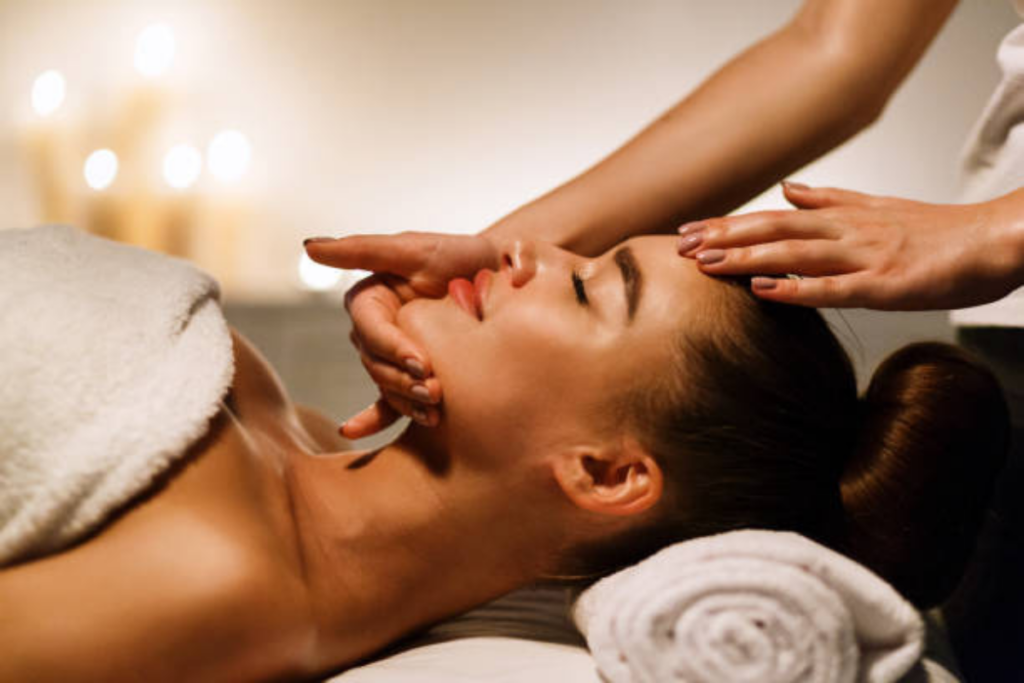
When most people hear the word “facial,” they picture spa music, candles, and relaxation.
And while that’s part of the experience—it’s far from the full story.
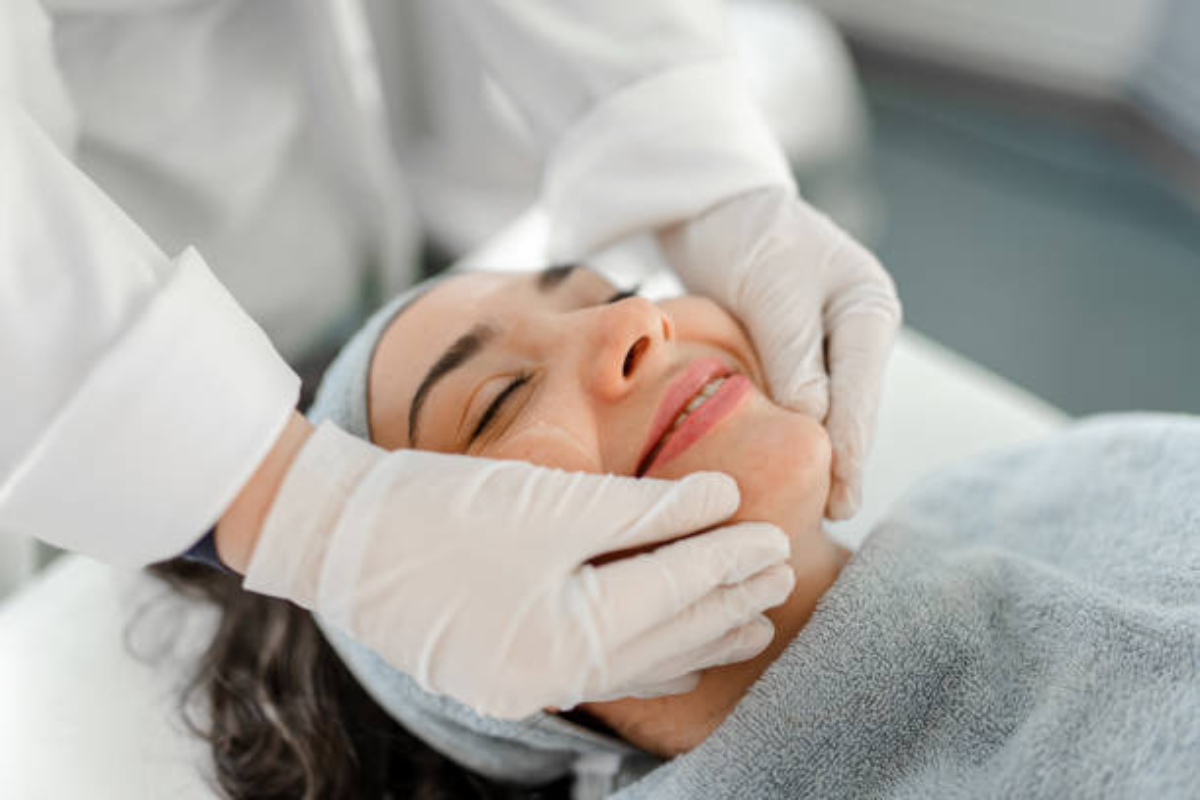
At a clinical level, facials for acne and skin health are not luxury treatments—they are structured, medically informed procedures designed to improve how your skin functions.
At Circle Wellness in Melville, NY, facials are approached differently:
They’re not designed just to feel good—they’re designed to fix underlying skin issues using science-backed protocols.
If you’ve been dismissing facials as optional indulgences, you may be overlooking one of the most effective ways to improve long-term skin health.
The Biggest Misconception About Facials

The myth:
“Facials are just for relaxation.”
According to the American Academy of Dermatology, many common skin concerns—like acne and inflammation—are medical in nature and require targeted care.
- Here’s what that belief gets wrong:
- Skin conditions like acne, congestion, and premature aging are biological processes, not just cosmetic concerns
- Surface-level skincare cannot fully address clogged pores and inflammation
- Without proper intervention, many skin issues become chronic and recurring
When performed correctly, facials are therapeutic treatments—not luxuries.
What’s Really Happening Beneath Your Skin
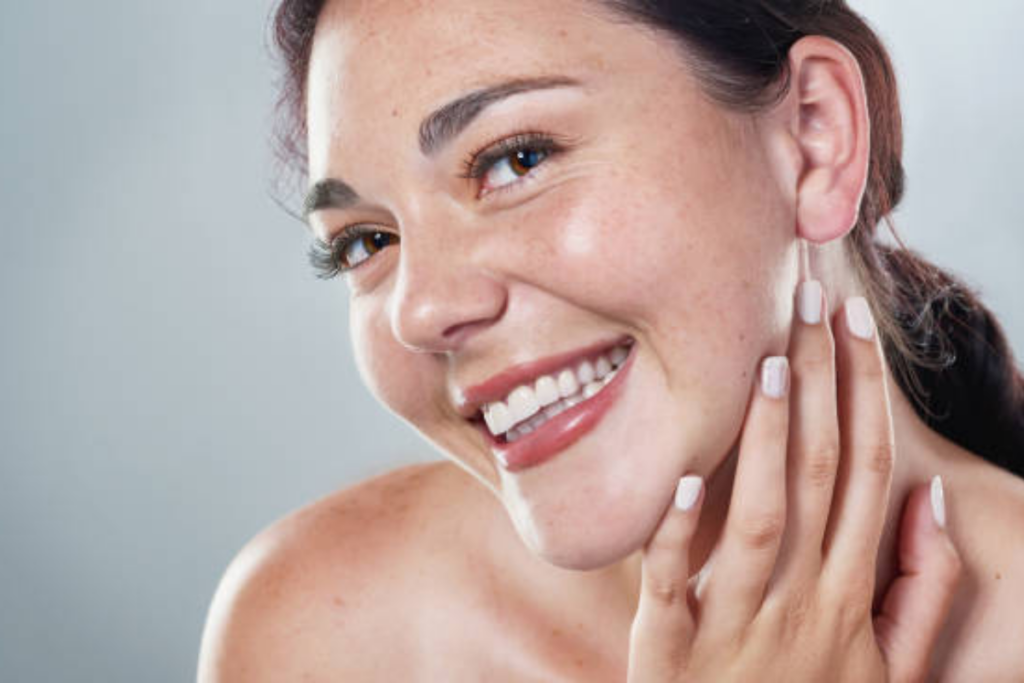
Your skin is constantly exposed to:
- Pollution
- Excess oil (sebum)
- Dead skin accumulation
- Bacterial buildup
Over time, this leads to:
- Clogged pores (microcomedones)
- Inflammation
- Breakouts
- Uneven texture and tone
Even with a consistent routine, your skin cannot always reset itself.
This is why many people experience:
Short-term improvement… followed by recurring issues.
What’s Really Happening Beneath Your Skin
At-home skincare plays an important role—but it has clear limitations.
Limited Penetration
Most topical products only affect the outermost skin layers.
No Deep Pore Decongestion
Cleansers cannot fully remove compacted debris within follicles.
Risk of Overuse
Excessive use of acids or actives can damage the skin barrier.
Lack of Personalization
Your skin changes with hormones, stress, and environment—but routines often stay the same.
This gap is exactly where medical facials become essential.


What a Medical Facial Actually Does
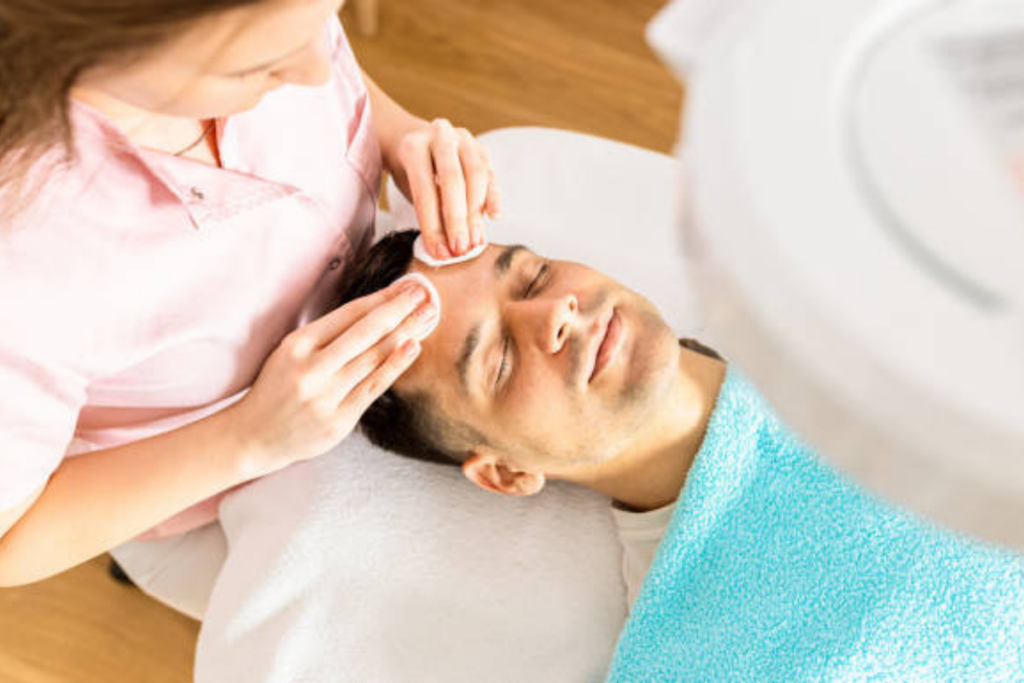
At a medical wellness clinic like Circle Wellness, facials are protocol-driven treatments, not random steps.
Deep Cleansing Beyond the Surface
Controlled Exfoliation
Professional Extractions
- Scarring
- Post-inflammatory hyperpigmentation (PIH)
- Infection risk
LED Light Therapy
- Blue light: Targets acne-causing bacteria
- Red light: Reduces inflammation and supports healing
Skin Barrier Repair
These steps work together to treat the root cause—not just the symptoms.
Real Clinical Insight: What We See in Practice
In our Melville clinic, many patients come in after trying multiple products—often combining acids, retinoids, and exfoliants without guidance.
The result?
Compromised skin barriers + increased inflammation, which can actually worsen breakouts and sensitivity.
Once we shift to:
- Controlled exfoliation
- Professional extractions
- Barrier repair
Patients typically see progressive improvement within 4–6 weeks.
Facials for Acne: A Medical Perspective

Acne is not just a surface issue—it’s driven by:
- Follicular blockage
- Bacterial activity
- Inflammation
According to the Mayo Clinic, effective acne management often requires a combination of treatments.
Here’s how facials help:
- Remove pore blockages before they become inflamed
- Reduce bacterial load
- Calm inflammatory responses
- Support healthier skin function
This is why facials are commonly included in long-term acne management plans.
More Than Skin Deep: The Holistic Approach
At Circle Wellness, treatments go beyond the surface.
They consider:
- Stress and lifestyle factors
- Skin sensitivity and barrier health
- Long-term skin goals
This ensures treatment is:
- Preventative
- Personalized
- Sustainable
What Results Can You Expect?
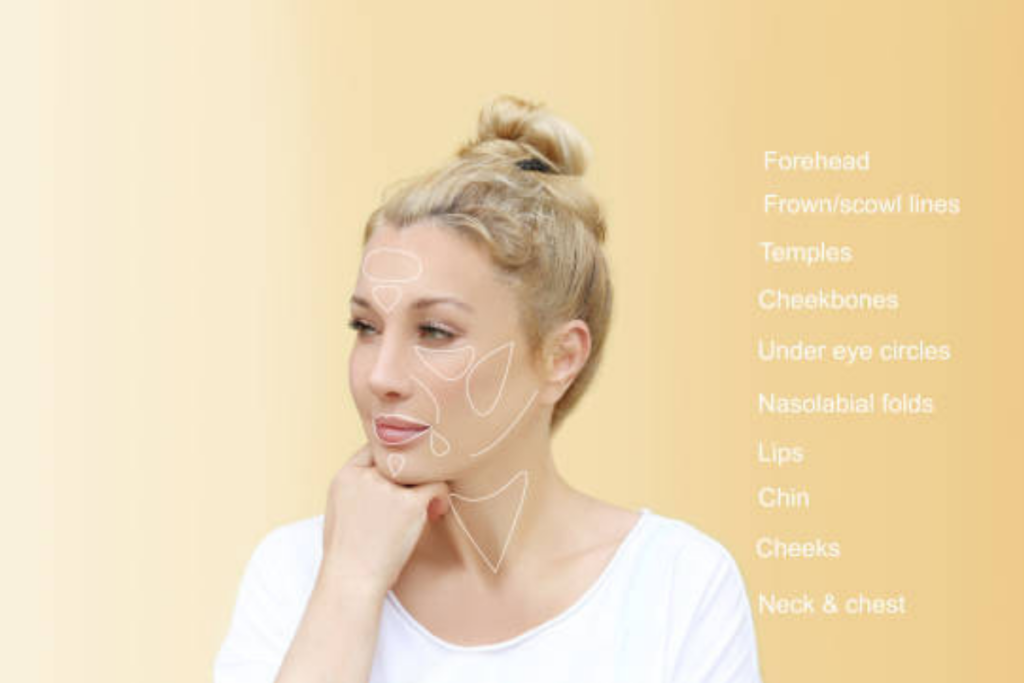
With consistent treatments:
- Fewer breakouts
- Smoother skin texture
- Brighter, healthier appearance
- Reduced signs of aging
- Better absorption of skincare products
Important:
- Results are progressive, not instant
- Consistency determines long-term success
Potential Side Effects of Medical Facials
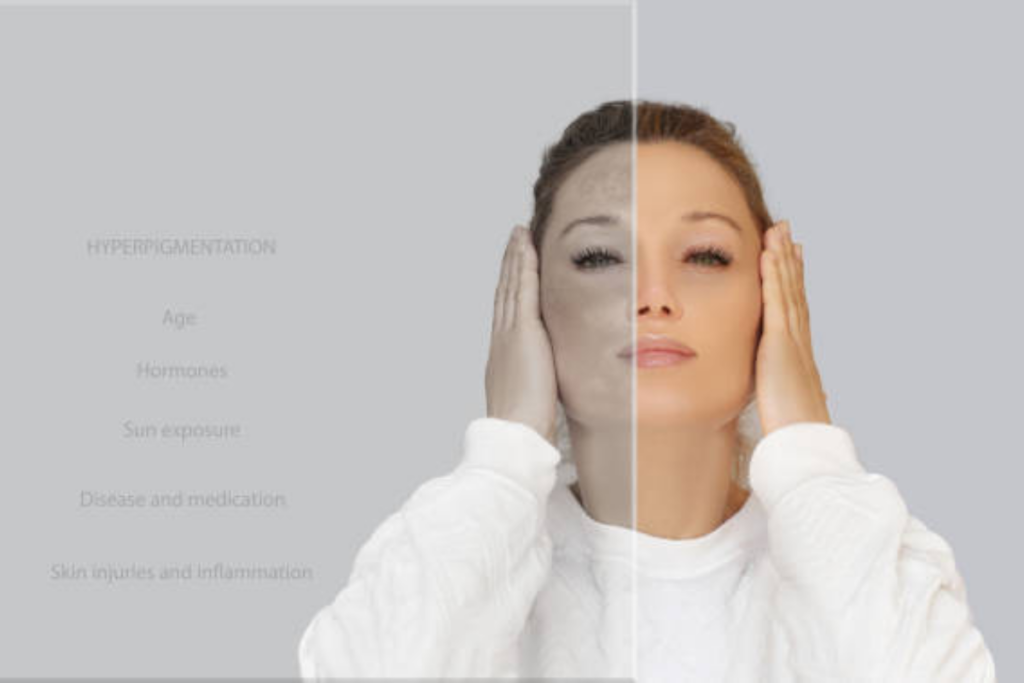
While generally safe, some individuals may experience:
- Temporary redness or sensitivity
- Mild purging after extractions
- Short-term irritation depending on skin type
These effects are typically minimal when treatments are performed by trained professionals.
Who May Need Alternative Treatment First
Medical facials may need to be postponed if you have:
- Active skin infections
- Severe cystic acne requiring medication
- Open wounds or compromised skin
In such cases, a dermatologist-led treatment plan may be recommended first.
Why Where You Get Your Facial Matters
Not all facials are created equal.
Choosing a medical clinic ensures:
- Licensed, trained professionals
- Clinical-grade products and technologies
- Customized treatment protocols
- Higher safety and hygiene standards
This directly impacts both results and safety.
So, Are Facials a Luxury or a Necessity?
Here’s the honest answer:
- If your skin is already balanced and problem-free → optional
- If you experience acne, dullness, or aging concerns → essential
For most people, facials are not indulgence—they’re correction and prevention tools.
Ready to Treat Your Skin the Right Way?
If you’ve been relying only on products and not seeing results, it may be time to upgrade your approach.
At Circle Wellness (Melville, NY), every facial is designed to:
- Address root causes of skin concerns
- Deliver clinically guided results
- Support long-term skin health
Book your personalized consultation today and discover what your skin actually needs.
FAQs

Are facials just for relaxation?
No. While relaxing, medical facials are designed to treat underlying skin conditions like acne and inflammation.
Do facials really improve skin health?
Yes. They provide deeper cleansing, controlled exfoliation, and targeted treatments beyond at-home care.
Are facials necessary for acne?
They are not the only solution, but they are highly effective as part of a comprehensive treatment plan.
How often should you get a facial?
Most people benefit from treatments every 4–6 weeks, depending on skin condition.
Are medical facials better than spa facials?
Medical facials are more results-driven, using clinical protocols tailored to your skin.
Can facials damage your skin?
Improper treatments can. That’s why choosing trained professionals is critical.
Conclusion
The idea that facials are “just luxury” is outdated.
In reality, they are clinically valuable treatments that help maintain healthy, clear, and resilient skin—especially when performed in a medical setting.
And once you experience the difference, it’s hard to go back.