
You expected your digestion to feel normal by now.
Maybe it started with occasional bloating after meals. Then it became more frequent. Some days you feel overly full, even after eating small amounts. Other days, digestion feels slow or unpredictable. Discomfort comes and goes, but it never fully settles.
Digestive issues don’t always stay limited to the stomach. They can affect energy levels, focus, and overall comfort throughout the day. Even when tests are normal, the symptoms can still feel very real.
Digestion is not just about what you eat. It is influenced by the nervous system, stress levels, gut motility, and how efficiently the body processes food.
Many people adjust their diet or follow medical advice to manage symptoms. Alongside this, some look for supportive approaches that help the body regulate digestion more naturally.
Acupuncture is one such approach.
But how does acupuncture actually influence digestive function?
To understand that, it helps to look at what affects digestion in the body.
Understanding Digestive Function
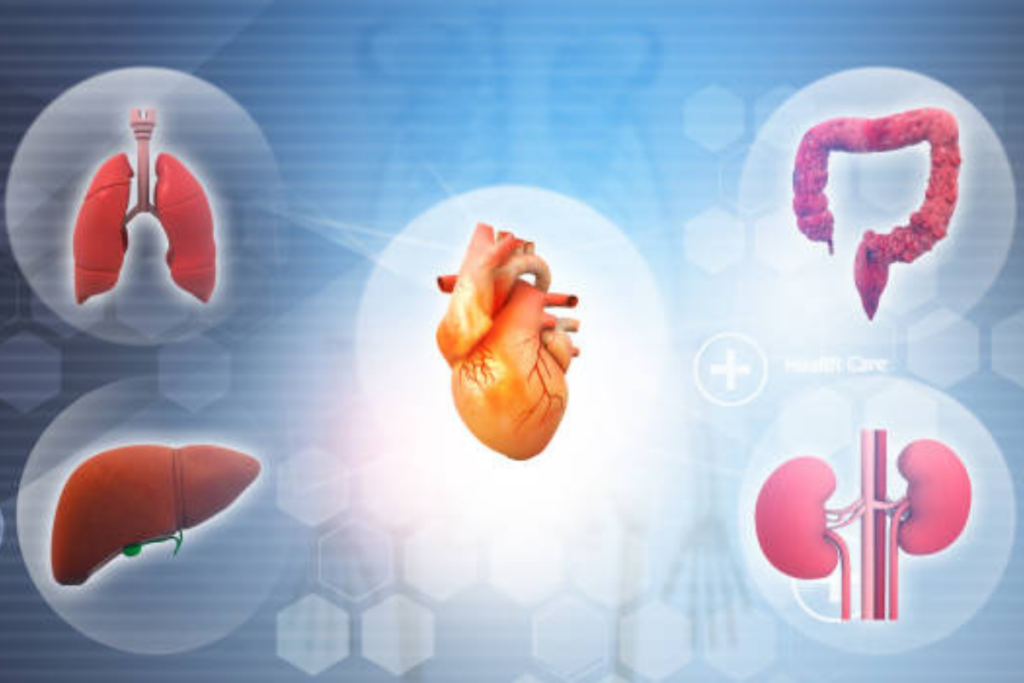
The digestive system involves a complex interaction between the stomach, intestines, nervous system, and gut microbiome.
- Digestion depends on:
- Coordinated muscle contractions (motility)
- Enzyme and acid production
- Nervous system regulation
- Common digestive concerns include:
- Bloating
- Constipation
- Diarrhea
- Acid reflux
- Abdominal discomfort
- Irregular bowel movements
But digestion is also closely linked to the nervous system.
When the body is in a constant state of stress, digestion may slow down or become irregular. This is because the body shifts away from “rest and digest” mode toward a more alert state.
This connection helps explain why stress, anxiety, and lifestyle patterns often influence digestive symptoms.
How Acupuncture May Help Digestive Wellness

Acupuncture works by influencing the nervous system, circulation, and organ function—all of which play a role in digestion.
Here are several ways it may help.
1. Regulates the Nervous System
Acupuncture may help shift the body toward a parasympathetic (“rest and digest”) state.
This may help:
- Improve digestive coordination
- Reduce stress-related symptoms
- Support more consistent gut function
2. Supports Gut Motility
Digestive discomfort is often linked to irregular movement in the intestines.
Acupuncture may help:
- Improve bowel regularity
- Reduce constipation or sluggish digestion
- Balance overly rapid digestion
3. Reduces Bloating and Abdominal Discomfort
By improving circulation and relaxing digestive muscles, acupuncture may help:
- Reduce gas buildup
- Ease abdominal pressure
- Improve comfort after meals
4. Improves Blood Flow to Digestive Organs
Healthy circulation supports optimal digestive function.
Acupuncture may enhance blood flow to:
- The stomach
- The intestines
- Surrounding tissues
5. Supports Stress Reduction
Stress is a major contributor to digestive symptoms.
Acupuncture may help:
- Lower stress hormone levels
- Reduce gut sensitivity
- Improve overall relaxation
6. Encourages Whole-Body Balance
Digestive issues often involve multiple systems.
Acupuncture supports:
- Sleep quality
- Emotional balance
- Reduced muscle tension
These indirect effects may contribute to improved digestive wellness over time.
Digestive Concerns and Potential Benefits of Acupuncture
| Condition | Potential Benefits |
|---|---|
| Bloating | Reduced gas and abdominal pressure |
| Constipation | Improved bowel regularity |
| Diarrhea | Balanced digestive movement |
| Acid reflux | Reduced discomfort and irritation |
| Stress-related digestion issues | Nervous system calming |
| Irregular digestion | Improved gut coordination |
Acupuncture is often used alongside dietary and medical care.
What to Expect During an Acupuncture Session

1. Comprehensive Intake
- Digestive symptoms
- Diet and lifestyle habits
- Stress levels
- Sleep patterns
2. Functional Assessment
- Abdominal tension
- Energy patterns
- Overall health indicators
3. Personalized Treatment
- Points that support digestion
- Stress-regulating techniques
- Gentle adjunct therapies if needed
4. During Treatment
- Light sensations at needle sites
- Warmth or relaxation
- A calming effect throughout the body
5. After Treatment
- Reduced bloating
- Improved comfort
- A sense of relaxation
Who May Benefit from Acupuncture for Digestive Wellness?
Acupuncture may be helpful for individuals experiencing chronic bloating, irregular bowel movements, or digestion that feels inconsistent or sensitive.
It may also benefit those whose symptoms are influenced by stress, poor sleep, or daily lifestyle patterns. For individuals seeking a non-medication, supportive approach, acupuncture offers a structured way to help the body regulate digestive function more naturally.
When combined with dietary awareness, hydration, and medical care when needed, it may support more stable and comfortable digestion over time.
When to Be Cautious

Acupuncture is generally safe, but caution may be needed if you:
- Have severe or unexplained abdominal pain
- Experience sudden changes in bowel habits
- Have active infections or inflammatory conditions
- Are pregnant (treatment should be adapted)
Always consult a healthcare provider for persistent or severe digestive symptoms.
When to Expect Results

Everyone responds differently, but many people notice gradual changes over time as the body begins to regulate digestion more effectively.
After initial sessions
Some individuals notice early improvements such as reduced bloating, less abdominal discomfort, and a greater sense of relaxation after meals. These changes are often subtle but encouraging.
After several sessions
Digestive patterns may begin to feel more consistent. Bowel movements may regulate, post-meal discomfort may decrease, and the body may respond better to food and daily routines.
With ongoing care
Long-term improvements may include more stable digestion, fewer flare-ups, and better tolerance to stress-related triggers. When combined with dietary awareness and lifestyle adjustments, results often become more noticeable and lasting over time.
FAQs
1. Can acupuncture improve digestion?
Yes, it may support gut function by influencing the nervous system and circulation.
2. Does acupuncture cure digestive disorders?
No. It supports symptom management but does not replace medical treatment.
3. How many sessions are needed?
Some people notice changes within a few sessions, but consistent care provides better results.
4. Can acupuncture help with bloating?
Yes, it may reduce gas and improve digestive comfort.
5. Is acupuncture safe for digestive issues?
Yes, when performed by a licensed practitioner.
6. Can acupuncture help stress-related digestion problems?
Yes, it is particularly helpful when stress affects digestion.
7. Does acupuncture help acid reflux?
It may reduce symptoms but should be combined with medical guidance.
8. Can acupuncture improve bowel regularity?
Yes, it may help regulate bowel movements over time.
9. Will I feel the results immediately?
Some people feel relaxed quickly, but digestive improvements may take time.
10. Can acupuncture replace medication?
No. It is a complementary therapy, not a replacement.
Supporting Digestive Balance

Digestive discomfort can affect more than just the stomach—it can influence energy, focus, and daily comfort.Acupuncture offers a structured, supportive approach to improving digestion by addressing the nervous system, circulation, and overall balance.
With consistent care, it may help your body process food more comfortably and support a more stable, balanced digestive system.